Find the Best Landscape Design Companies for Your Business
No obligation • Fast responses • Nationwide coverage

Why you can trust Landscape Atlas
Landscape Atlas is a leading United States resource for evaluating landscaping, lawn care, and outdoor service providers. Our team researches each category in depth, focusing on service quality, safety, and customer experience. Listings and rankings are based on independent criteria and user feedback, and companies cannot pay to influence our assessments or recommendations.
Search providers near you
Top Landscape Design Companies in Apex, North Carolina Ranked
Creating a beautiful and functional outdoor space in Apex requires a thoughtful approach that respects our local climate and soil. Professional landscape design is the art and science of arranging plants, hardscapes, and structures to create an aesthetically pleasing, usable, and sustainable environment for your home. It's more than just planting flowers; it's about crafting a cohesive plan that enhances your property's value, fits your lifestyle, and thrives in our specific conditions. This guide will help you understand the key considerations for planning your yard and connect you with local expertise to bring your vision to life.
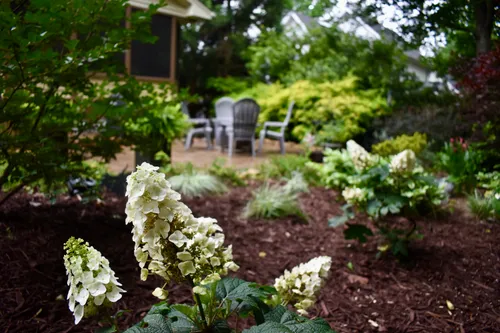
LandGreen Landscaping Inc.
Barbour Store Rd, Willow Spring, NC 27592
LandGreen Landscaping Inc. is a full-service landscaping company based in Raleigh, NC, serving residential, commercial, and HOA clients in Raleigh and surrounding areas including Fuquay-Varina, Holly Springs, Willow Spring, Angier, Garner, and Apex. They offer a wide range of services such as landscape design, installation of plants, sod, mulch, and rock, as well as year-round lawn maintenance and rehabilitation including core aeration, dethatching, topdressing, and overseeding. The team is licensed, insured, and locally owned, with expertise in North Carolina's climate to provide tailored outdoor solutions that meet specific property needs. LandGreen Landscaping Inc. is also community driven, partnering with local schools and universities to support landscaping education.
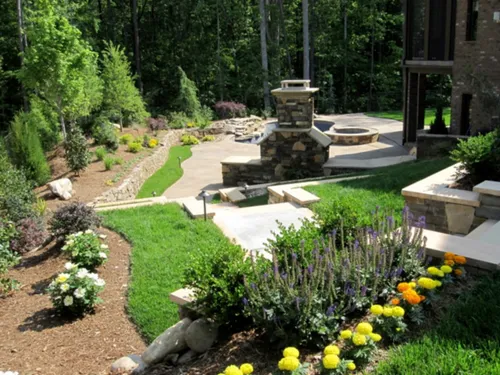
DreamScapes
4913 Professional Ct, Raleigh, NC 27609
DreamScapes is a landscaping company based in Raleigh, NC, offering a wide range of residential and commercial landscaping services. Their expertise includes lawn mowing, fertilization, weed control, sod and artificial turf installation, landscape lighting, design, tree services, yard drainage, sprinkler installation and repair, as well as hardscaping such as pavers and retaining walls. With over fifteen years of experience, DreamScapes serves the greater Raleigh area including Cary, Wake Forest, Durham, and Chapel Hill. They provide customized landscape design and maintenance plans, combining hardscapes, planting, and lighting to meet client needs. DreamScapes sources materials from local high-quality suppliers and is known for attention to detail and comprehensive service. The company does not specify special availability hours.
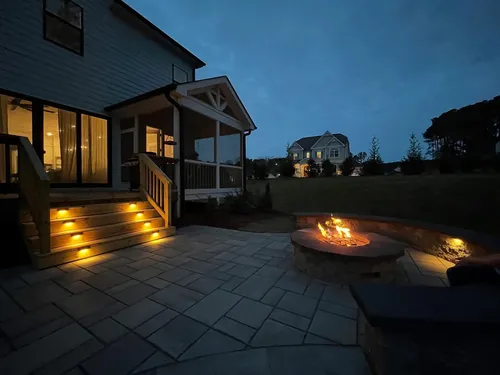
A Great View Property Services
Durham, NC
A Great View Property Services is a landscaping company based in Durham, NC, specializing in landscape design and outdoor living spaces. They offer residential and commercial landscaping services aimed at creating functional and attractive outdoor environments. With years of experience, the company focuses on transforming properties into inviting spaces that enhance the lives of their clients.

Wood Brothers Landscaping
316A Woodhaven Rd, Chapel Hill, NC 27514
Wood Brothers Landscaping is a full-service landscaping and hardscaping company based in Chapel Hill, serving Durham, NC, and nearby areas. They provide residential and commercial landscaping, including sod installation, grading, gravel driveway construction and repair, custom hardscapes like flagstone pathways and retaining walls, tree and shrub installations, and land clearing. Their expertise includes gravel driveway grading and drainage solutions such as piping and culverts. The company serves both homes and businesses, maintaining commercial properties including hotels in the region. Wood Brothers Landscaping works closely with clients to design and execute outdoor projects that enhance curb appeal and property value.
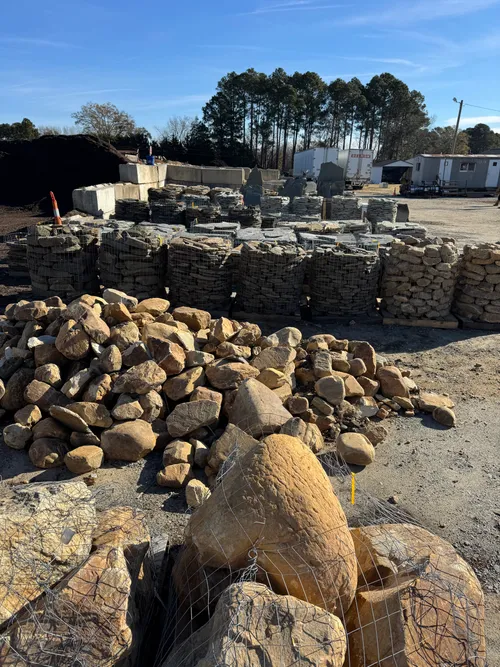
Triple R Landscape Supply
8488 Cleveland Rd, Clayton, NC 27520
Triple R Landscape Supply is a full-service landscaping company based near Raleigh, NC, offering a wide range of lawn care and landscape services. They provide lawn mowing, fertilization, weed control, landscape design, hardscaping, and supply materials such as mulch, stone, sand, and soil with delivery options. Serving Raleigh and nearby areas including Clayton, Garner, Smithfield, and Fuquay-Varina, the company combines landscape supply with professional installation and maintenance. Triple R Landscaping is licensed, insured, and bonded, known for delivering tailored outdoor solutions and reliable delivery service.
Understanding Apex's Climate and Soil for Successful Design
The foundation of any great landscape plan is working with, not against, your local environment. Apex experiences a humid subtropical climate, falling within USDA Hardiness Zones 7b and 8a. This means hot, often humid summers and generally mild winters. For a resilient and low-maintenance yard, selecting plants that are native to the region or well-adapted to these conditions is crucial. Native plants like Eastern Redbud, Oakleaf Hydrangea, and various ornamental grasses are naturally equipped to handle the summer heat and occasional drought periods, requiring less water and care once established.
The other major factor is soil. Many properties in the Apex area have clay-based soil, which can be dense, slow to drain, and challenging for some plant roots. A key strategy in landscape planning is to amend this clay soil with organic matter like compost to improve its structure, drainage, and fertility. For planting beds, building raised beds filled with a high-quality soil mix can provide an excellent immediate solution for growing a wider variety of plants. Understanding these environmental factors is the first step in creating a design that will be sustainable for years to come.
Planning Your Yard Layout: The Three-Zone Approach
A well-organized property is both beautiful and practical. A common and effective method for residential landscape architecture is to divide your yard into three distinct functional zones: Public, Private, and Service.
- The Public Zone (Curb Appeal): This is the area visible from the street-your front yard. Design here focuses on creating an inviting entrance, framing your home, and establishing a strong first impression. Elements might include a welcoming walkway, foundation plantings, a specimen tree, and a manicured lawn.
- The Private Zone (Living & Relaxation): Typically the backyard, this is your personal oasis for dining, entertaining, and relaxing. This is where you'll invest in patios, decks, outdoor kitchens, fire pits, and lush garden beds that create a retreat for you and your family.
- The Service Zone (Utility & Storage): Every property needs a functional area for practical items. This zone discreetly houses trash and recycling bins, air conditioning units, garden sheds, compost piles, or vegetable gardens. Screening this area with fencing or attractive plantings helps integrate it seamlessly into the overall plan.
Defining these zones early in the design process ensures your outdoor space is both aesthetically pleasing and highly functional for daily life.
Incorporating Hardscapes and Outdoor Living Features
Hardscaping refers to the non-living, built elements of your landscape. These features provide structure, define spaces, and significantly reduce lawn maintenance. Integrating patios, walkways, and retaining walls is a cornerstone of modern landscape architecture 1.
Popular materials in Apex include natural stone, concrete pavers, and gravel, chosen for their durability and aesthetic appeal. A well-designed patio becomes an extension of your indoor living space, perfect for furniture and grills. Walkways guide movement through the garden, while retaining walls can manage slopes and create level planting areas.
Beyond basic structures, outdoor living features are increasingly desired. These transform a simple yard into a true destination:
- Outdoor Kitchens & Grilling Stations: For the home chef, incorporating built-in grills, countertops, and even sinks and refrigerators makes entertaining effortless.
- Fire Features: A fire pit or fire table serves as a natural gathering spot, providing warmth, light, and ambiance for evening enjoyment year-round.
- Rain Gardens & Native Plantings: Eco-conscious designs often include rain gardens-shallow depressions planted with water-tolerant natives-that manage stormwater runoff beautifully while supporting local ecology.
Find the perfect landscape design companies for your needs
Get personalized recommendations and expert advice
Key Design Elements for a Cohesive Look
Professional landscape designers use fundamental artistic principles to create harmony and interest. These elements work together to guide the eye and evoke emotion in your outdoor space.
- Line: Lines created by walkways, bed edges, or the silhouette of plants guide movement and draw attention to focal points. Curving lines feel more natural and relaxed, while straight lines suggest formality.
- Form: This refers to the shape of plants and structures (e.g., round, columnar, weeping). A mix of forms adds depth and visual intrigue to planting beds.
- Color: Color creates mood and highlights seasons. Use a consistent color palette for harmony, or employ contrasting colors for dramatic effect. Consider foliage color as much as flower color for long-lasting impact.
- Texture: Texture is the visual or tactile surface quality of plants and materials. Combining fine textures (like ornamental grasses) with coarse textures (like large-leaf hostas) adds richness and complexity to the design 2.
A primary goal for many homeowners is creating a low-maintenance landscape. This is achieved by prioritizing the right plants and materials from the start. Selecting native and drought-tolerant plants, using slow-growing shrubs that need less pruning, and incorporating generous hardscaped areas all contribute to reducing weekly yard work while maintaining beauty 3.
Understanding Investment and Value in Landscape Design
The cost of a landscape design project in Apex can vary dramatically, as it is entirely dependent on the scope, materials, and complexity of the work. Understanding general ranges can help you plan and communicate effectively with professionals.
- Basic Projects & DIY Enhancements: Smaller-scale projects, such as refreshing planting beds, adding mulch, or installing a few new trees and shrubs, can range from a few hundred to a few thousand dollars if managed independently.
- Mid-Range Installations: A standard project involving a new paver patio, defined planting beds with a mix of shrubs and perennials, and basic low-voltage landscape lighting often falls in the $5,000 to $20,000+ range. This level represents a significant transformation for many homes.
- High-End & Custom Outdoor Living Spaces: Extensive projects that include custom outdoor kitchens with high-end appliances, elaborate stonework, water features, sophisticated lighting systems, and comprehensive planting plans can range from $20,000 to well over $100,000 4. These projects are investments in luxury and functionality.
A key trend for 2025 is a focus on durable, high-quality materials that offer long-term value, such as natural stone and premium pavers, contrasted with more budget-friendly yet stylish options for different parts of the project 5. The investment often reflects a balance between the initial vision and the lasting durability and enjoyment the space will provide.
Frequently asked questions
Sources
Footnotes
-
Spruce Up Your Site: How to Plan a Residential Landscape Design - https://www.skh.com/blog/residential-landscape-design/ ↩
-
The 5 Basic Elements of Landscape Design - https://www.curtilandscaping.com/blog/the-5-basic-elements-of-landscape-design/ ↩
-
Principles of Landscape Design - Colorado Master Gardener - https://cmg.extension.colostate.edu/Gardennotes/413.pdf ↩
-
Essential Guide to Designing a Low-Maintenance North ... - https://www.thorpelandscapes.com/blog/essential-guide-to-designing-a-low-maintenance-north-carolina-outdoor-space ↩
-
Top 5 Landscaping Trends to Watch in 2025 - https://waynesborogardens.com/2025/02/21/top-5-landscaping-trends-to-watch-in-2025/ ↩