Find the Best Landscape Design Companies for Your Business
No obligation • Fast responses • Nationwide coverage

Why you can trust Landscape Atlas
Landscape Atlas is a leading United States resource for evaluating landscaping, lawn care, and outdoor service providers. Our team researches each category in depth, focusing on service quality, safety, and customer experience. Listings and rankings are based on independent criteria and user feedback, and companies cannot pay to influence our assessments or recommendations.
Search providers near you
Top Landscape Design Companies in Wilmington, North Carolina Ranked
Creating a beautiful and functional outdoor space in Wilmington starts with a thoughtful landscape design. This process involves more than just planting flowers; it's about crafting a cohesive plan that enhances your property's aesthetics, usability, and value by considering your local climate, soil, and lifestyle. A well-executed design transforms your yard into a series of purposeful "outdoor rooms" for relaxation, entertainment, and enjoyment. This guide will help you understand the key considerations, popular features, and process for planning your ideal landscape in the Wilmington area.
Understanding Wilmington's Climate and Soil for Planting Success
The foundation of any successful landscape plan is working with your local environment. Wilmington's conditions directly influence which plants will thrive and what structural considerations are necessary.
USDA Hardiness Zones 7a/7b Wilmington experiences a Mid-Atlantic climate characterized by mild winters and warm, humid summers. This places it firmly in USDA Zones 7a/7b, which dictates the palette of plants that can survive the winter. This climate supports a wide variety of popular landscape plants, including hydrangeas, hostas, flowering dogwoods, and many evergreen species. Understanding your zone is the first step in selecting trees, shrubs, and perennials that will return year after year.
Soil Composition and Drainage The native soil in many Wilmington yards tends to be clay-heavy or a clay-loam mix. While fertile, clay soil can compact easily and drain poorly, which can suffocate plant roots. A crucial part of the design and installation process often involves amending the soil with organic matter like compost to improve its structure, drainage, and nutrient content. Proper grading and drainage solutions are also critical design elements to prevent water from pooling near your home's foundation or in low areas of the yard.
Sun and Shade Analysis Before placing a single plant or patio stone, a professional will assess the sun and shade patterns across your property throughout the day. This analysis determines the best locations for sun-loving gardens, shade-tolerant plantings, and outdoor living areas. For example, you might design a dining patio to catch the morning sun but provide afternoon shade for comfort, while placing a vegetable garden in the sunniest spot available.
Principles of Effective Yard Layout and Planning
Good landscape architecture is guided by principles that create harmony and purpose. Moving beyond simple gardening, it involves structuring your entire outdoor space.
Creating Functional Zones Modern landscape planning often treats a yard as a series of "outdoor rooms," each dedicated to a specific activity. Common zones include an entertaining patio, a dining area, a children's play space, a cooking station with a grill, and quiet garden nooks. Defining these zones creates an organized and intuitive flow, making the space more usable and visually appealing. Clear pathways should connect these areas, guiding movement naturally through the landscape.
Incorporating Focal Points A dynamic landscape design uses focal points to draw the eye and create interest. This could be a stunning specimen tree, a bubbling water feature, an artistic piece of hardscape, or a cozy fire pit. These elements serve as visual anchors for different zones and add personality to your outdoor environment.
Ensuring Flow and Privacy The principle of flow concerns how people and the eye move through the space. Curved walkways can create a sense of discovery, while straight lines offer formality and direct routes1. Strategic placement of trees, shrubs, fences, or trellises can also screen unwanted views, buffer street noise, and create a sense of private sanctuary in your backyard.
Popular Outdoor Living Features and Hardscaping
Integrating built elements, or hardscaping, is what turns a garden into a true extension of your home's living space. These features provide structure, function, and year-round enjoyment.
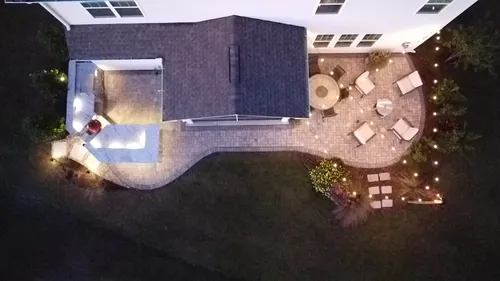
Patios and Walkways The patio is often the central hub of an outdoor living design. Materials like pavers, natural stone, or stamped concrete offer durability and style, defining the entertainment zone. Connecting walkways made from complementary materials ensure safe and attractive access throughout the property.
Structures for Shade and Definition Pergolas, arbors, and gazebos add vertical interest and much-needed shade. They help define spaces-like marking the entrance to a garden or covering a seating area-and can support climbing plants like wisteria or clematis for a lush, green ceiling.
Amenities for Comfort and Entertainment To maximize the time you spend outdoors, homeowners often include amenities like built-in fire pits or full outdoor kitchens with countertops, storage, and appliances. Ambient landscape lighting extends usability into the evening, highlighting paths, architectural features, and plantings for both safety and dramatic effect.
Specialized Garden Spaces Beyond ornamental beds, dedicated garden spaces are a popular design inclusion. This could mean a raised-bed vegetable garden, a pollinator garden filled with native flowers to support bees and butterflies, or a serene Japanese-inspired garden for contemplation.
Find the perfect landscape design companies for your needs
Get personalized recommendations and expert advice
Understanding Investment Ranges for Landscape Projects
The cost of turning a landscape design into reality in Wilmington varies significantly based on the project's scope, materials, and complexity. Here's a general breakdown of what homeowners might expect to invest.
Basic Design and Planting Projects For homeowners focusing on new garden beds, foundational planting, and minor grading, projects often range from $3,000 to $15,000 or more. This tier typically includes soil preparation, a selection of shrubs and perennials, and possibly a few smaller trees.
Essential Grading and Drainage Solutions If your property has water issues, solving them is a priority investment. Installing proper grading, French drains, dry creek beds, or other drainage systems can range from $2,500 to $4,000 and upwards, depending on the property's size and challenges. This work is critical to protect your home and ensure the longevity of other landscape features.
Comprehensive Hardscaping and Outdoor Rooms Projects that include significant patios, retaining walls, outdoor kitchens, or other complex structures represent a larger investment, often starting around $15,000 and easily reaching $65,000 or more for extensive, high-end installations2 3 4. The final cost here is heavily influenced by the square footage and the choice of materials (e.g., natural flagstone vs. concrete pavers).
The Step-by-Step Process of a Landscape Project
Embarking on a landscape design project follows a logical sequence from idea to implementation. Understanding these steps can help you collaborate effectively with professionals.
-
Initial Site Analysis: This first step involves mapping everything about your existing yard: sun and shade patterns, soil type, slope and drainage, existing plants to keep, and views to highlight or screen. This objective assessment forms the factual basis for all design decisions.
-
Developing a Design Program: Here, you translate your dreams and needs into a brief. What problems need solving? (e.g., "We need more privacy from the neighbor.") What are your desires? (e.g., "We want a fire pit area for hosting friends and a small vegetable garden.") This list of functional requirements guides the entire design.
-
Creating the Conceptual Layout: Using the site analysis and design program, initial sketches are created. These drawings zone the property for different activities, plot the location of major features like patios or trees, and establish the overall flow and circulation paths5.
-
Plant Selection and Palette Development: With the layout set, the focus turns to choosing the right plants for each zone based on sunlight, soil, and desired aesthetic. Emphasizing native plants adapted to Wilmington's Zone 7 climate ensures resilience, supports local ecology, and reduces long-term maintenance6.
-
Budgeting and Phasing: A realistic budget allocates funds across all project components: professional design services, site preparation (grading/drainage), hardscape materials and installation, plants, and mulch. For larger projects, creating a multi-year phasing plan can make the investment more manageable, tackling the most important elements first.
Frequently asked questions
Sources
Footnotes
-
What are the 7 Principles of Landscape Design? - https://hearnlandscape.com/what-are-the-7-principles-of-landscape-design/ ↩
-
How Much Does Landscape and Design Installation Cost in ... - https://firstclasslawncarellc.com/blog/landscape-design-installation-cost-wilmington-de ↩
-
Landscape Design & Installation Services | Wilmington, DE - https://firstclasslawncarellc.com/landscaping-services/landscape-design-and-installation/ ↩
-
How Much Does It Cost to Build an Outdoor Living Area - https://hometownlandscape.com/how-much-does-it-cost-to-build-an-outdoor-living-area/ ↩
-
Landscape Plans - Make Free Landscape Designs Online - Canva - https://www.canva.com/create/landscape-plans/ ↩
-
Designing a Sustainable Landscape to Serve Your Needs - https://www.udel.edu/academics/colleges/canr/cooperative-extension/fact-sheets/designing-a-sustainable-landscape-to-serve-your-needs/ ↩