Find the Best Landscape Design Companies for Your Business
No obligation • Fast responses • Nationwide coverage

Why you can trust Landscape Atlas
Landscape Atlas is a leading United States resource for evaluating landscaping, lawn care, and outdoor service providers. Our team researches each category in depth, focusing on service quality, safety, and customer experience. Listings and rankings are based on independent criteria and user feedback, and companies cannot pay to influence our assessments or recommendations.
Search providers near you
Top Landscape Design Companies in Austin, Texas Ranked
Professional landscape design transforms your outdoor space into a beautiful, functional extension of your home, tailored to the unique challenges and opportunities of Central Texas. In Austin, this means creating resilient, water-wise environments that thrive in our heat and clay soil while providing comfortable outdoor living areas for relaxation and entertainment. This guide will help you understand the local approach to garden design and yard planning, connecting you with the principles and professionals who can bring your vision to life.
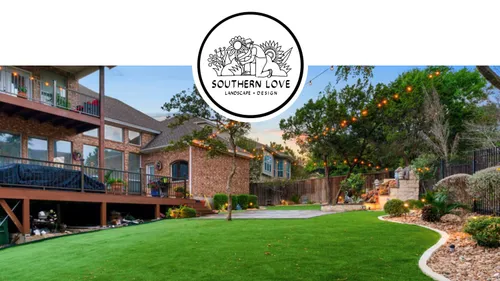
Southern Love Landscaping & Design
111 Congress Ave. Suite 400, Austin, TX 78701
Southern Love Landscaping & Design is a landscaping and outdoor living company based in Austin, TX. They offer a wide range of services including custom landscaping, fire pits, patios, sod installation, irrigation installation and repair, fence installation, retaining walls, and landscape lighting. The company serves Austin and nearby areas such as Cedar Park and Round Rock, providing tailored outdoor solutions that enhance both residential and commercial properties. Their expertise includes building durable retaining walls and designing functional irrigation systems to support healthy landscapes. Southern Love Landscaping & Design emphasizes personalized service and craftsmanship to meet client needs.
Alvaro’s Landscaping and Tree service
Austin, TX
Alvaro's Landscaping and Tree Service is a landscaping and tree care company based in Austin, TX. With over 15 years of experience, they offer a wide range of services including landscaping design, tree removal, stump grinding, lawn care, sod installation, sprinkler repair, and fence installation. Their team works with both residential and commercial properties, providing customized solutions to meet client needs. They are fully licensed and insured, prioritizing safety and customer satisfaction throughout each project.
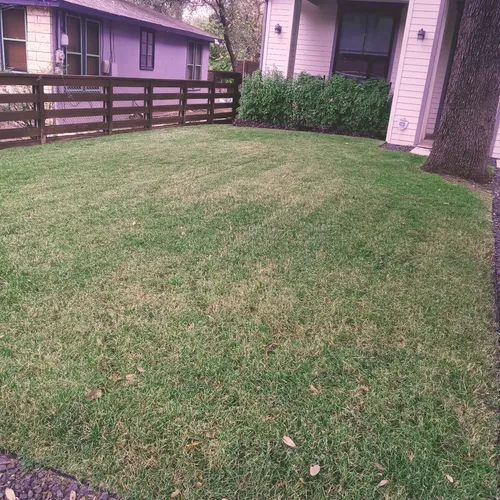
Lucio Gonzales Lawn Maintenance and Flower Bed Services
Austin, TX
Lucio Gonzales Lawn Maintenance and Flower Bed Services is a lawn care and landscaping company based in Austin, TX. They offer a variety of services including lawn mowing, fertilization, weed control, flower bed creation, and hardscaping such as stone pavers and patios. Founded by Lucio Gonzales, a U.S. Army Veteran with over a decade of experience and formal training in landscape professional principles, the company serves both residential and commercial properties. Their approach focuses on personalized service tailored to each customer's needs.
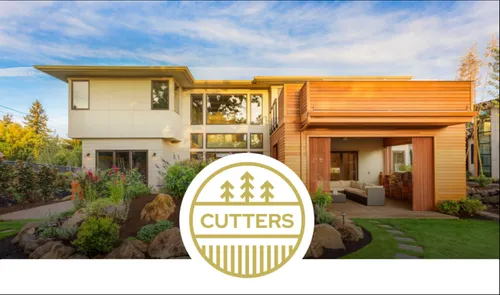
Cutters Landscaping
9600 Great Hills Trl Suite 150W, Austin, TX 78759
Cutters Landscaping is a landscaping company based in Austin, TX, offering services to both residential and commercial clients. Their expertise includes landscape design, hardscaping, decking, outdoor living spaces, and irrigation installation and repair. They focus on creating personalized outdoor environments that blend softscape and hardscape elements to enhance property aesthetics and functionality. The company emphasizes clear project coordination and client collaboration to meet individual preferences and budgets. Cutters Landscaping is known for its comprehensive approach to landscaping and irrigation services in the Austin area.
ABC Home & Commercial Services
9016 Old Manor Rd, Austin, TX 78724
ABC Home & Commercial Services offers a wide range of landscaping and outdoor improvement services in Austin, TX. Their team handles everything from lawn care, fertilization, and weed control to sod installation, fence building, landscape lighting, and tree services. They also specialize in hardscaping projects such as patios, retaining walls, and outdoor kitchens, and provide solutions for yard drainage and irrigation systems. ABC is a certified Belgard installer with decades of experience creating customized landscape designs that suit various styles and climates, including water-wise and drought-resistant options. They work closely with clients to develop and implement projects in stages if needed, and can perform work while homeowners are away for convenience.
Understanding Austin's Unique Landscape Environment
Creating a successful garden in Austin begins with a deep respect for the local climate and terrain. The city's signature heat, intense sun, and periods of drought demand a strategic approach that prioritizes sustainability and resilience from the ground up.
Climate Challenges: Heat, Sun, and Water Conservation
Central Texas summers are long, hot, and often dry. A thoughtful landscape plan must account for this by selecting plants that can withstand full sun and minimal irrigation. The focus is on drought-tolerant natives and adapted species like Salvia, Turk's Cap, and Agave, which are not only beautiful but also require less water and maintenance once established. Effective design incorporates shade structures, strategic planting to cool microclimates, and mulching to retain soil moisture.
Soil Considerations: Working with Blackland Prairie Clay
Beneath the surface, many Austin properties feature heavy clay soil, characteristic of the Blackland Prairie region. This soil can be nutrient-rich but poses significant drainage challenges, often becoming hard when dry and waterlogged after rain. A key component of local yard planning involves soil amendment to improve texture and permeability. In areas with limestone bedrock, planting strategies must adapt to shallower soil depths. Understanding your specific soil composition is a critical first step in any garden design project.
Defining Your Outdoor Style: Popular Austin Aesthetics
Your landscape should be a reflection of your personal taste while harmonizing with the Central Texas environment. Several design styles are particularly well-suited to Austin, blending aesthetic appeal with practical functionality.
Modern & Contemporary Designs
Characterized by clean lines, geometric shapes, and a minimalist plant palette, modern landscape design is popular in Austin. This style often features sleek hardscape materials like smooth concrete or large-format stone, accented with architectural plants such as yucca or ornamental grasses. Wood pergolas and structured shade sails are common, creating defined outdoor "rooms" perfect for entertaining 1.
Hill Country Rustic & Naturalistic Styles
This approach embraces the raw beauty of the Texas Hill Country. Designs incorporate native limestone, dry-stack walls, and meandering pathways that blend seamlessly with the natural terrain. Planting is loose and layered, mimicking the local ecology with native grasses, wildflowers, and drought-tolerant shrubs. The goal is a relaxed, organic feel that requires less formal maintenance 2.
Mediterranean & Cottage Garden Influences
Mediterranean-style gardens leverage textures and colors that thrive in similar climates, using gravel pathways, terra cotta pots, and plants like rosemary, lavender, and olive trees. Cottage gardens offer a more lush, romantic feel with densely packed flowering perennials, but in Austin, this style is adapted using native and adaptive plants that provide color and interest without excessive water needs 3.
Core Elements of a Functional Austin Landscape
A great landscape design balances beauty with usability. For Austin homes, this means creating spaces that are enjoyable across multiple seasons, with a focus on managing the climate.
Creating Outdoor Living Rooms
The concept of the yard as an extension of the indoor living space is central to modern garden design. This involves defining specific zones for different activities:
- Dining & Cooking Areas: Integrating patios or decks with built-in kitchens, grills, and prep spaces.
- Lounge & Gathering Spaces: Centered around fire pits or outdoor fireplaces for year-round evening use.
- Recreation & Play Zones: Utilizing durable, low-maintenance turf or soft ground covers.
These zones are often connected by walkways and unified with consistent materials and planting themes.
Essential Hardscape Features
Hardscape provides the backbone of your landscape. In Austin, popular choices include:
- Patios & Walkways: Using materials like flagstone, pavers, or stained concrete that can handle the heat.
- Retaining Walls: Functional for managing sloped yards, often built with native limestone.
- Permeable Pavers: An eco-friendly option that allows rainwater to infiltrate the ground, reducing runoff and supporting the local aquifer.
Vital Softscape & Planting Strategies
The living elements of your design must be chosen wisely. A successful planting plan layers plants for visual interest and ecological function:
- Canopy Trees: For crucial shade (e.g., Live Oak, Cedar Elm).
- Understory Trees & Shrubs: For structure and screening (e.g., Possumhaw, Mountain Laurel).
- Perennials & Groundcovers: For color and texture (e.g., Blackfoot Daisy, Frogfruit).
- Mulch: A non-negotiable element for conserving water, suppressing weeds, and regulating soil temperature.
Prioritizing Sustainability & Water Wisdom
In Austin, a beautiful landscape is also a responsible one. Integrating water conservation into the design is both an environmental imperative and a practical way to reduce long-term costs.
Key Water-Wise Techniques
- Rain Gardens & Harvesting: Designing shallow, planted depressions to capture and filter stormwater runoff. Coupling this with rain barrels or cisterns captures free water for irrigation 4.
- Efficient Irrigation Zoning: Grouping plants with similar water needs together and using drip irrigation or high-efficiency sprinkler heads controlled by smart timers.
- Right Plant, Right Place: The cornerstone of xeriscaping principles. Placing sun-loving plants in full sun and shade-tolerant plants in protected areas reduces stress and water demand 5.
Find the perfect landscape design companies for your needs
Get personalized recommendations and expert advice
Supporting Local Ecology
Using native plants does more than save water; it supports local birds, butterflies, and pollinators. A landscape filled with plants like Gregg's Mistflower, Mealy Blue Sage, and Texas Lantana becomes a vibrant habitat, contributing to Austin's biodiversity 6.
Navigating Project Scope & Investment
The cost of landscape design and installation in Austin varies dramatically based on the project's complexity, materials, and size. Understanding this range helps in planning a feasible and rewarding project.
Design-Only Services
For those who prefer to manage installation themselves or in phases, hiring a designer for a master plan is a smart first step. Professional landscape design plans can range from a few hundred dollars for a basic consultation and sketch to several thousand dollars ($1,000 - $5,000+) for detailed, construction-ready drawings from a licensed designer or architect 7.
Full Design-Build Projects
This comprehensive service covers everything from concept to completion. Costs are highly variable:
- Basic Projects: A new patio with surrounding planting beds might range from $5,000 to $15,000.
- Moderate Projects: Adding features like a pergola, fire pit, and low-voltage lighting could range from $20,000 to $50,000.
- Complex Installations: Projects involving outdoor kitchens, extensive hardscaping, custom water features, and mature tree planting can easily reach $75,000 or more 8 9 10.
The final investment depends on material choices (e.g., natural stone vs. concrete), the scope of planting, and site accessibility. A detailed quote from a professional landscape contractor is essential.
The Professional Design Process
Working with a landscape designer typically follows a structured path to ensure your vision is realized effectively.
- Initial Consultation: Discussing your goals, budget, site challenges, and aesthetic preferences.
- Site Analysis: The designer assesses soil, drainage, sun/shade patterns, and existing vegetation.
- Conceptual Design: Preliminary sketches and ideas that outline spatial layout and style direction.
- Master Plan Development: Detailed, scaled drawings specifying all plants, materials, and construction details.
- Implementation: Either you hire a contractor using the plans, or the design firm manages the entire build process.
This collaborative process ensures your new outdoor space is not only stunning but also perfectly suited to your lifestyle and our Austin environment 11.