Find the Best Landscape Design Companies for Your Business
No obligation • Fast responses • Nationwide coverage

Why you can trust Landscape Atlas
Landscape Atlas is a leading United States resource for evaluating landscaping, lawn care, and outdoor service providers. Our team researches each category in depth, focusing on service quality, safety, and customer experience. Listings and rankings are based on independent criteria and user feedback, and companies cannot pay to influence our assessments or recommendations.
Search providers near you
Top Landscape Design Companies in Plano, Texas Ranked
Creating a beautiful and functional outdoor space in Plano requires thoughtful planning that works with the local climate, not against it. Professional landscape design is the art and science of arranging your yard to be both aesthetically pleasing and practical, focusing on creating defined zones for living, entertaining, and gardening. In a city with hot summers and clay-heavy soil, a well-conceived plan is essential for saving water, reducing maintenance, and increasing your home's comfort and value. This guide will help you understand the key considerations for your Plano property and how to connect with skilled professionals who can bring your vision to life.
Tree Solutions of Texas
Dallas, TX
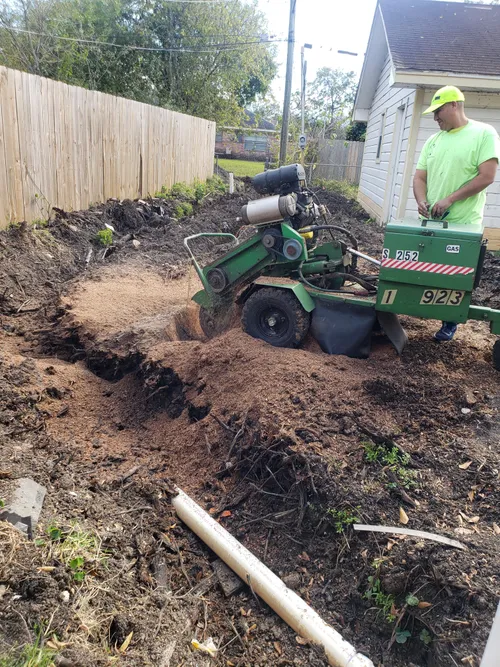
Tree Solutions of Texas is a landscape design and tree care company serving Dallas, TX. With over 30 years of experience, they provide residential and commercial tree services including planting, pruning, trimming, removal, stump grinding, health inspections, and treatments. Their commercial services also include land clearing, brush removal, and landscape design, catering to clients such as HOAs, business parks, and municipalities. The company offers emergency tree services to address urgent needs promptly.
Legacy Custom Pavers & Outdoor Living
1211 E 15th St, Plano, TX 75074
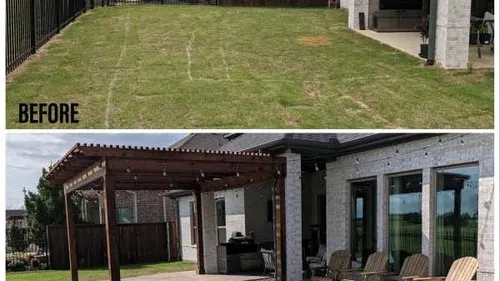
Legacy Custom Pavers & Outdoor Living is a family-owned business based in Fort Worth, TX, specializing in designing and installing custom outdoor living spaces. Their services include paver patios, pool decks, driveways, walkways, artificial turf, outdoor lighting, retaining walls, outdoor kitchens, and pool remodeling. They focus on creating functional and aesthetically pleasing outdoor environments tailored to each client's vision. The company provides detailed design proposals, product samples before installation, and warranties on their work to ensure quality and satisfaction.
Landscape Express
2801 Justin Rd Building 100, Flower Mound, TX 75028
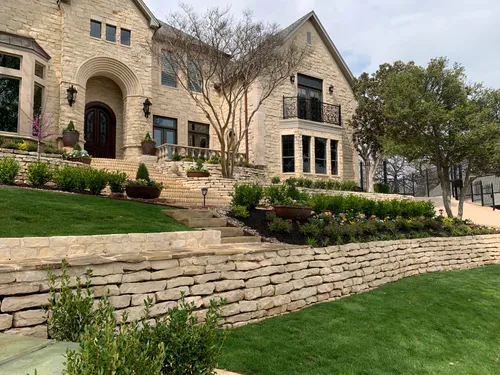
Landscape Express is a full-service landscaping company based near Fort Worth, TX. They offer a wide range of services including lawn mowing, fence installation, landscape lighting, tree care, sprinkler system installation and repair, hardscaping, and landscape design. The company serves residential, commercial, property management, and HOA clients, providing custom designs and installations for outdoor living spaces, retaining walls, walkways, and irrigation systems. Landscape Express has been operating for over five years and is a second-generation family business, emphasizing community ties and customer satisfaction.
Hernandez Lawn Service
Plano, TX
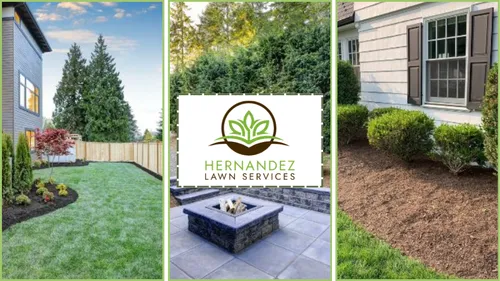
Hernandez Lawn Service is a landscaping contractor based in Plano, TX, offering a wide range of services for residential and commercial properties. Their expertise includes landscape design, flower bed installation and maintenance, stonework such as patios and retaining walls, irrigation system design and installation, and land clearing to prepare sites for new landscaping projects. The company emphasizes customized solutions to meet client preferences and property needs, ensuring efficient water use and durable hardscape features. Hernandez Lawn Service also serves several surrounding areas, including Dallas, Frisco, and McKinney, TX.
Southern Seasons Landscaping and Design
2165 Crestlake Dr, Rockwall, TX 75087
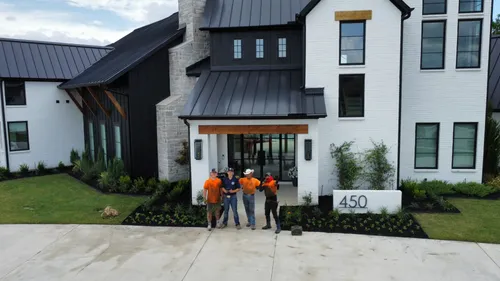
Southern Seasons Landscaping and Design is a landscaping company based in Rockwall, Texas, serving the Dallas, TX area. They specialize in landscape design and landscaping services across the DFW metroplex. The company focuses on professional landscaping by design, offering customized solutions for outdoor spaces.
Understanding Plano's Unique Landscape Environment
A successful outdoor plan starts by acknowledging the local conditions. Plano's environment presents specific challenges and opportunities that should guide every design decision.
Climate & Hardiness Zones: Plano is primarily in USDA Hardiness Zones 8a and 8b. This means we experience hot, long summers and generally mild winters, but are susceptible to occasional hard freezes. The intense summer heat is the dominant factor, demanding plant selections and layouts that provide cooling shade and conserve water.
Soil Composition: The native soil in much of North Texas is heavy black clay, often layered with caliche-a dense, chalky, and rocky layer 1. This soil type has poor drainage when wet and becomes hard and cracked when dry. A foundational aspect of any landscape plan here involves addressing soil health through amendments like compost or by utilizing raised beds and berms to improve drainage and root health.
Water Conservation Imperative: With periodic drought conditions, designing for water efficiency isn't just economical-it's responsible. This is where the principles of xeriscaping and smart irrigation come into play, focusing on grouping plants with similar water needs and maximizing the use of rainfall.
Core Principles of Effective Garden Design
Whether you're envisioning a tranquil retreat or an entertainment hub, certain universal principles create cohesion and beauty in your outdoor space. These concepts help a professional designer transform a collection of plants and features into a harmonious composition.
- Balance & Proportion: This involves creating visual equilibrium, whether symmetrical (formal) or asymmetrical (informal). Proportion ensures that the size of patios, lawns, and planting beds feels appropriate relative to your home and lot size.
- Rhythm & Line: Lines created by pathways, bed edges, or fences guide the eye and movement through the space. Rhythm is established through repetition of plants, colors, or materials, creating a sense of organized flow 2.
- Texture & Contrast: Contrasting textures-like the fine, feathery blades of Gulf Muhly grass against the bold, structural form of a Red Yucca-add depth and year-round interest. This applies to hardscape materials as well, mixing smooth stone with rough-cut wood.
- Focal Points: Every great design has a focal point that draws attention, such as a specimen tree, a water feature, or a striking piece of outdoor art. This creates a visual anchor for the space 3.
Designing Functional Outdoor "Rooms"
Modern residential landscaping treats the yard as an extension of the home's living area. The concept of creating distinct outdoor rooms is particularly effective, organizing your property into zones dedicated to specific activities 4.
- The Living/Dining Room: This is often a paved patio or deck area furnished for seating and dining. It serves as the primary hub for entertaining and relaxation.
- The Kitchen & Dining Al Fresco: For those who love to entertain, an outdoor kitchen with a grill, counter space, and storage elevates the experience. It's typically integrated with the main patio for seamless flow.
- The Recreation Zone: This could be a lawn area for play, a space for a bocce court, or even a putting green. It should be safely separated from more delicate garden areas.
- The Private Retreat: A secluded corner with a comfortable lounge chair, surrounded by lush planting or a privacy screen, creates a personal oasis for reading or quiet reflection.
- Utility & Service Areas: A well-designed plan cleverly conceals necessary but unsightly elements like trash/recycling bins, air conditioning units, or garden tool storage using fencing, lattice, or strategic planting 5.
Find the perfect landscape design companies for your needs
Get personalized recommendations and expert advice
Key Features for Plano Landscape Plans
Incorporating specific features can address local needs and dramatically enhance your enjoyment of the space.
Structures for Shade & Definition:
- Pergolas & Arbors: These provide essential partial shade, define entryways to garden rooms, and offer support for climbing vines, adding vertical interest.
- Retaining Walls: Essential for managing sloped yards in Plano, they create level planting areas, prevent erosion, and can double as seating.
Hardscape for Function & Flow:
- Patios & Walkways: Materials like flagstone, pavers, or stamped concrete define traffic patterns and durable living surfaces. Proper base preparation is critical in clay soil to prevent shifting and settling.
- Outdoor Lighting: Strategic lighting extends the usability of your space into the evening, highlights architectural and plant features, and improves safety along paths and steps.
Living Elements for Beauty & Comfort:
- Water-Wise Planting Beds: The emphasis should be on native and adapted species like Texas Sage, Turk's Cap, and various ornamental grasses that thrive with minimal supplemental water once established 6.
- Shade Trees: Strategically placed deciduous trees (like Live Oaks or Shumard Oaks) on the west and south sides of your home provide cooling summer shade while allowing warming winter sun to penetrate, boosting energy efficiency.
- Focal Water Features: The sound of moving water from a fountain or small pond adds a sensory layer of tranquility and can help cool a small area.
The Smart Approach: Low-Maintenance & Climate-Responsive Design
For many Plano homeowners, the goal is a beautiful yard that doesn't demand every weekend for upkeep. Smart design is inherently low-maintenance.
- Right Plant, Right Place: This is the golden rule. Selecting plants suited to Plano's sun exposure, soil, and climate drastically reduces the need for watering, fertilizing, and pest control 7.
- Simplify Lawn Areas: Consider reducing the size of thirsty turfgrass. Replace it with drought-tolerant groundcovers, decorative gravel gardens, or expanded patios.
- Invest in Quality Hardscape & Mulch: A well-built patio or path lasts for decades with little care. Using deep layers of mulch in beds suppresses weeds, retains soil moisture, and adds a finished look.
- Automate Irrigation Wisely: A zoned drip irrigation or high-efficiency sprinkler system on a smart controller delivers water directly to root zones on an optimal schedule, eliminating waste and overwatering.
Understanding Investment Ranges
The cost of a landscape design project in Plano varies immensely based on scope, materials, and complexity. It's an investment that enhances daily living and property value. Here's a general framework based on common project scales 8 9:
- Garden Refresh & Planting: A project focusing on new planting beds, soil amendment, mulch, and basic edging can range from $1,000 to $5,000 or more, depending on plant size and variety.
- Patio & Core Structure Installation: Adding a medium-sized patio with a pergola or arbor typically falls in the range of $5,000 to $20,000. The final cost is heavily influenced by the materials chosen (e.g., basic concrete vs. natural stone pavers).
- Comprehensive Outdoor Living Space: A full-scale project integrating a large patio, outdoor kitchen, fireplace, lighting, and extensive planting is a significant investment, often ranging from $20,000 to $100,000+. This creates a true extension of your home's square footage.
Frequently asked questions
Sources
Footnotes
-
Central Texas Gardener | Dry Creek Hillside Design: Clay Soil and Shade | Season 27 - https://www.pbs.org/video/dry-creek-hillside-design-clay-soil-and-shade-pshx51/ ↩
-
Principles of Landscape Design - Colorado Master Gardener - https://cmg.extension.colostate.edu/Gardennotes/413.pdf ↩
-
Learn how modern landscape design can harness the beauty of nature. - https://www.mymodernhome.com/blog/modern-landscape-design-ideas-for-your-dream-home/ ↩
-
What to Include in a Landscape Plan - RoomSketcher - https://www.roomsketcher.com/blog/what-to-include-in-a-landscape-plan/ ↩
-
Garden Design Basics: 11 Steps to a Better Backyard - https://www.finegardening.com/article/garden-design-basics-creating-well-thought-plan ↩
-
Low-Maintenance Landscaping Ideas Perfect for Texas Homes - https://potsplantersandmore.com/blog/low-maintenance-landscaping-ideas-perfect-for-texas-homes/ ↩
-
Low-Maintenance Landscaping Ideas for Texas Homeowners - https://petersonslandscape.com/low-maintenance-landscaping-ideas-for-texas-homeowners/ ↩
-
Plano Landscaping | Clark Outdoor Designs | Outdoor Living - https://clarkoutdoordesigns.com/plano-landscaping/ ↩
-
Outdoor Living Spaces | Plano, TX - Alterra Landscape Design - https://alterradesignllc.com/plano-tx/outdoor-living/ ↩