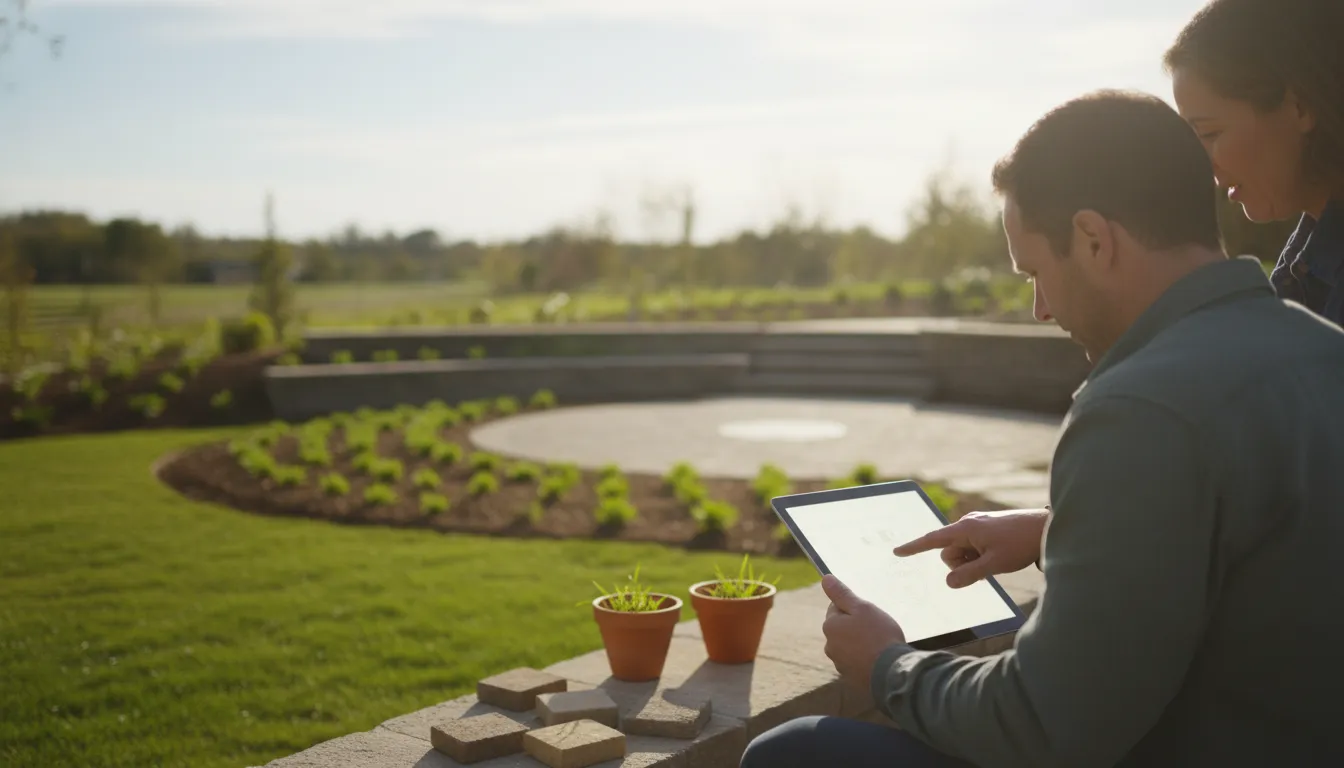
Find the Best Landscape Design Companies for Your Business
No obligation • Fast responses • Nationwide coverage

Why you can trust Landscape Atlas
Landscape Atlas is a leading United States resource for evaluating landscaping, lawn care, and outdoor service providers. Our team researches each category in depth, focusing on service quality, safety, and customer experience. Listings and rankings are based on independent criteria and user feedback, and companies cannot pay to influence our assessments or recommendations.
Search providers near you
Top Landscape Design Companies in Fort Worth, Texas Ranked
Transforming your Fort Worth property begins with a thoughtful landscape design. This creative and technical process goes beyond simple planting to craft an outdoor environment that is beautiful, functional, and perfectly adapted to North Texas living. A well-executed design plan considers your home's architecture, your family's lifestyle, and the unique local climate to create cohesive outdoor rooms for dining, relaxing, and entertaining. The following guide will help you understand the key considerations, popular features, and process for developing a landscape that enhances your home's value and your quality of life.
Floran Tree Service
Fort Worth, TX
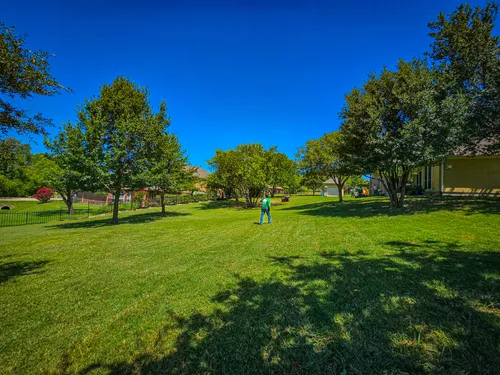
Floran Tree Service is a Fort Worth, TX-based company offering a wide range of tree and landscaping services. With over a decade of experience, their certified arborists and landscapers provide tree removal, trimming, stump grinding, sod installation, and full landscape design. They focus on promoting healthy tree growth and maintaining vibrant outdoor spaces for both residential and commercial clients. Established in 2016, Floran Tree Service is BBB-certified and available 24/7 to support year-round property care.
Tree Solutions of Texas
Dallas, TX
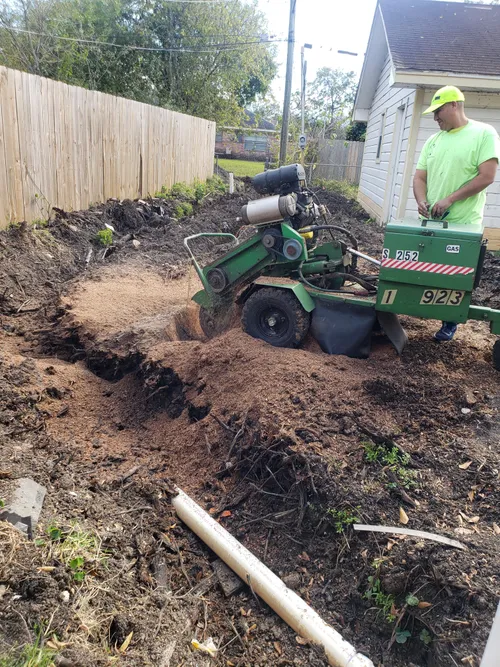
Tree Solutions of Texas is a landscape design and tree care company serving Dallas, TX. With over 30 years of experience, they provide residential and commercial tree services including planting, pruning, trimming, removal, stump grinding, health inspections, and treatments. Their commercial services also include land clearing, brush removal, and landscape design, catering to clients such as HOAs, business parks, and municipalities. The company offers emergency tree services to address urgent needs promptly.
Legacy Custom Pavers & Outdoor Living
1211 E 15th St, Plano, TX 75074
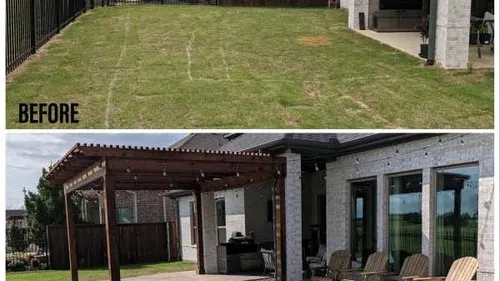
Legacy Custom Pavers & Outdoor Living is a family-owned business based in Fort Worth, TX, specializing in designing and installing custom outdoor living spaces. Their services include paver patios, pool decks, driveways, walkways, artificial turf, outdoor lighting, retaining walls, outdoor kitchens, and pool remodeling. They focus on creating functional and aesthetically pleasing outdoor environments tailored to each client's vision. The company provides detailed design proposals, product samples before installation, and warranties on their work to ensure quality and satisfaction.
Landscape Express
2801 Justin Rd Building 100, Flower Mound, TX 75028
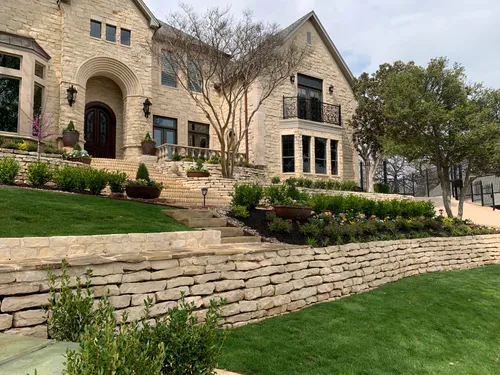
Landscape Express is a full-service landscaping company based near Fort Worth, TX. They offer a wide range of services including lawn mowing, fence installation, landscape lighting, tree care, sprinkler system installation and repair, hardscaping, and landscape design. The company serves residential, commercial, property management, and HOA clients, providing custom designs and installations for outdoor living spaces, retaining walls, walkways, and irrigation systems. Landscape Express has been operating for over five years and is a second-generation family business, emphasizing community ties and customer satisfaction.
Landscape Legends & Holiday Lighting
Fort Worth, TX
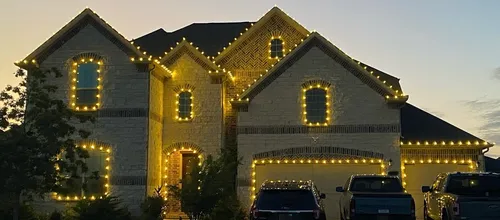
Landscape Legends & Holiday Lighting is a landscaping and lawn care company based in Fort Worth, TX. They provide a wide range of services including lawn mowing, weed control, fertilization, shrub and tree trimming, landscape lighting installation, hardscaping, irrigation system installation and repair, and seasonal clean-ups. The company is known for personalized service and eco-friendly practices, tailoring projects to the unique needs of each client. They have been serving the area for over five years and also offer holiday lighting installation.
Understanding Fort Worth's Landscape Environment
Successful landscape architecture in Fort Worth starts with a deep respect for the local environment. The region's distinct climate and soil directly influence which plants will thrive and which design features are most practical.
Climate Considerations: Fort Worth experiences long, hot summers with intense sun and the potential for high winds, followed by generally mild winters. This climate demands a focus on heat-tolerant, drought-resistant plants and smart irrigation. Creating usable outdoor space from June through September often requires integrating shade structures like pergolas or covered patios directly into the design. A good plan will also consider wind patterns for placing delicate plants or outdoor furnishings.
Soil & Topography: The city sits within the Cross Timbers & Prairies region, characterized by rich but often challenging clay-heavy or chalky soils 1. These soils can be slow to drain, making proper grading and drainage solutions a critical component of the planning phase. Selecting plants adapted to these conditions-or planning for soil amendment-is essential for long-term plant health and a low-maintenance yard.
Core Principles of Residential Landscape Design
Professional garden design in Fort Worth revolves around a few key principles that turn a yard into a purposeful extension of your home.
Creating Functional "Garden Rooms": One of the most effective concepts is dividing your yard into distinct zones or "rooms," each with a specific purpose 2. This might include a dining area near an outdoor kitchen, a secluded lounge space around a fire pit, and an open play area for children or pets. This approach organizes the space, making it feel larger and more intentional.
Ensuring Flow and Unity: A great landscape plan ensures smooth movement between these garden rooms and from the house to the yard. This is achieved through the strategic use of pathways, steps, and transitional planting beds 3 4. Unity is created by repeating materials, colors, or plant forms throughout the different areas, tying the entire property together into a cohesive whole.
Strategic Shade and Orientation: Given the climate, the orientation of key features is paramount. Designers often recommend placing primary seating and cooking areas to the east or north to avoid the harsh afternoon sun and capture cooler evening breezes. The strategic placement of trees, arbors, or permanent shade structures is not an afterthought but a foundational element of the layout.
Popular Features for Fort Worth Outdoor Living
Modern landscape planning in Fort Worth integrates a variety of hardscape and softscape elements to create truly livable outdoor spaces.
Hardscaping for Structure and Entertainment:
- Patios & Pathways: These form the "floor" of your outdoor rooms. Materials like native stone, pavers, or stained concrete provide durable, attractive surfaces for furniture and foot traffic.
- Covered Structures: Pergolas, pavilions, and covered patios are essential for creating comfortable, shaded retreats. They can be designed to match your home's style and support climbing plants for additional natural cooling.
- Outdoor Kitchens & Fire Features: These elements are central to entertaining. From built-in grills and pizza ovens to gas fire pits or wood-burning fireplaces, they extend the hours and seasons you can enjoy your yard.
- Walls & Edging: Retaining walls manage slopes and create planting beds, while low garden walls can define spaces and provide additional seating.
Softscaping with Adapted Plants: The plant palette is where beauty meets practicality. Focusing on native and adapted species ensures resilience and lower water needs. Excellent choices for Fort Worth include:
- Red Yucca: A drought-tolerant stalwart with tall flower spikes.
- Turk's Cap: A shade-loving native that provides vibrant color.
- Texas Sage: A hardy shrub with silvery foliage and purple blooms.
- Ornamental Grasses: They add movement, texture, and a natural aesthetic while being very low-maintenance.
Essential Support Systems:
- Irrigation: A well-designed, zoned irrigation system-often "smart" controllers that adjust based on weather-is crucial for establishing and maintaining healthy plantings while conserving water.
- Drainage: Solutions like French drains, dry creek beds, or proper grading are integrated into the plan to manage stormwater runoff and protect your home's foundation.
- Lighting: Landscape lighting enhances safety on pathways and steps, highlights architectural and botanical features, and allows for evening use of the entire space.
Find the perfect landscape design companies for your needs
Get personalized recommendations and expert advice
The Design and Implementation Process
Engaging in a professional landscape design project typically follows a structured process to ensure your vision becomes reality.
1. Initial Consultation & Site Analysis: This first step involves discussing your needs, style preferences, and budget. The designer will assess your property, noting sun patterns, soil conditions, drainage issues, and existing vegetation.
2. Conceptual & Master Planning: The designer creates preliminary sketches and concepts that outline the layout of spaces, key features, and general plant themes. This evolves into a detailed master plan, which is a scaled drawing specifying the location of every element, from patios and trees to light fixtures and irrigation heads.
3. Material Selection & Detailing: You'll collaborate on selecting specific materials (paver types, stone colors, wood species) and plant varieties. This phase brings the plan into fine detail.
4. Installation: With a finalized plan, the installation phase begins. This may be managed by the designer's own team or by a recommended contractor. A quality installation follows the plan precisely, ensuring proper construction techniques for hardscapes and correct planting methods for long-term health.
Investment and Value Considerations
The cost of landscape architecture services and installation in Fort Worth varies widely, as it is entirely dependent on the project's scope, materials, and size. Understanding general ranges can help in initial planning.
- Basic Planting & Bed Refresh: Updating existing beds with new soil, mulch, and adapted plants can range from a few hundred to several thousand dollars.
- Mid-Range Project: A project incorporating a new patio, walkways, a basic shade structure, planting beds, and an irrigation zone often falls in the $5,000 to $20,000+ range 5.
- High-End Outdoor Living Space: A comprehensive transformation with extensive hardscaping, a full outdoor kitchen with appliances, custom lighting, a water feature, and a refined planting plan can range from $25,000 to well over $100,000 6 7.
It's important to view this investment through the lens of value. A professional design maximizes your budget by preventing costly mistakes and ensuring a cohesive result. Furthermore, a well-designed and maintained landscape can significantly increase your property's curb appeal and resale value, often offering a strong return on investment by creating additional functional square footage of living space.
Frequently asked questions
Sources
Footnotes
-
1| Geographic Context of Fort Worth - https://www.fortworthtexas.gov/files/assets/public/development-services/documents/all-preservation-and-design/historic/historic-context-survey-plan/waterways-and-climate.pdf ↩
-
What to Include in a Landscape Plan - RoomSketcher - https://www.roomsketcher.com/blog/what-to-include-in-a-landscape-plan/ ↩
-
Backyard Landscaping Ideas - Garden Design - https://www.gardendesign.com/landscape-design/backyard.html ↩
-
The 5 Basic Elements of Landscape Design - https://www.curtilandscaping.com/blog/the-5-basic-elements-of-landscape-design/ ↩
-
Design the Perfect Landscape for Your Dallas/Ft. Worth Property - https://southernbotanical.com/the-benchmark/design-the-perfect-landscape-for-your-dallas-ft-worth-property/ ↩
-
Fort Worth Landscape Architects & Designers - Blount Designs - https://blountdesigns.com/areas-we-serve/landscape-design-fort-worth ↩
-
Quality Outdoor Living Spaces In Brazos County, Texas - https://legacyoutdoortx.com/outdoor-living-spaces/ ↩