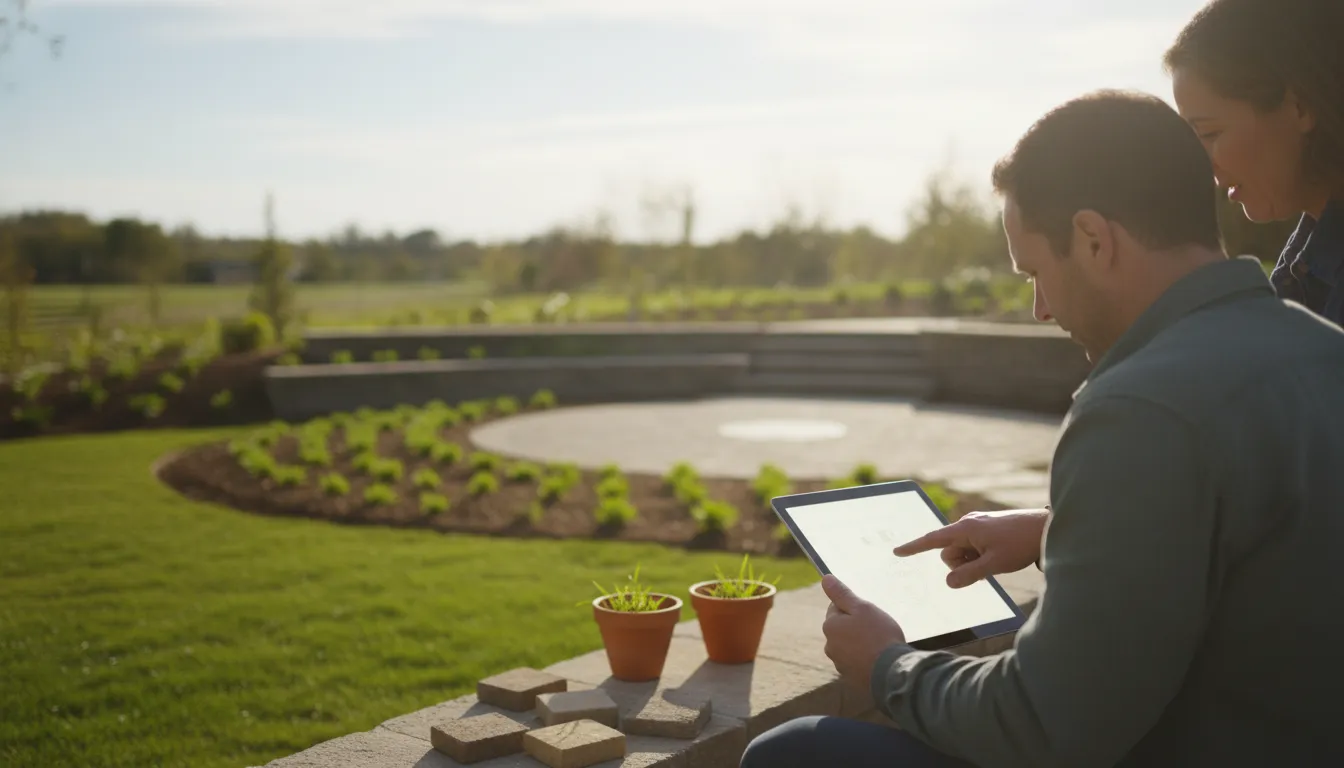
Find the Best Landscape Design Companies for Your Business
No obligation • Fast responses • Nationwide coverage

Why you can trust Landscape Atlas
Landscape Atlas is a leading United States resource for evaluating landscaping, lawn care, and outdoor service providers. Our team researches each category in depth, focusing on service quality, safety, and customer experience. Listings and rankings are based on independent criteria and user feedback, and companies cannot pay to influence our assessments or recommendations.
Search providers near you
Top Landscape Design Companies in Cedar Hill, Texas Ranked
Transforming your Cedar Hill property with thoughtful landscape design is about more than just planting flowers. It's a strategic process of creating beautiful, functional, and sustainable outdoor spaces that thrive in the local Texas climate. Whether you're looking to boost curb appeal, create a backyard retreat, or simply make your yard more usable, a well-conceived landscape plan is the essential first step. This guide will help you understand the key considerations for your property, from plant selection to layout, and connect you with local expertise to bring your vision to life.
Tree Solutions of Texas
Dallas, TX
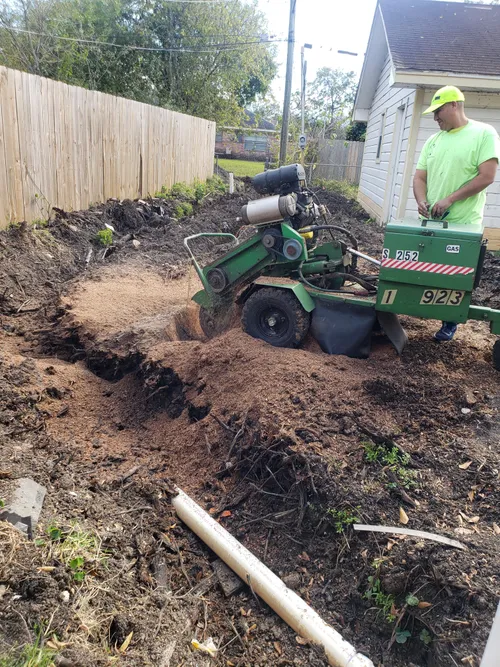
Tree Solutions of Texas is a landscape design and tree care company serving Dallas, TX. With over 30 years of experience, they provide residential and commercial tree services including planting, pruning, trimming, removal, stump grinding, health inspections, and treatments. Their commercial services also include land clearing, brush removal, and landscape design, catering to clients such as HOAs, business parks, and municipalities. The company offers emergency tree services to address urgent needs promptly.
Hernandez Lawn Service
Plano, TX
Hernandez Lawn Service is a landscaping contractor based in Plano, TX, offering a wide range of services for residential and commercial properties. Their expertise includes landscape design, flower bed installation and maintenance, stonework such as patios and retaining walls, irrigation system design and installation, and land clearing to prepare sites for new landscaping projects. The company emphasizes customized solutions to meet client preferences and property needs, ensuring efficient water use and durable hardscape features. Hernandez Lawn Service also serves several surrounding areas, including Dallas, Frisco, and McKinney, TX.

Van Vickle Brothers Landscaping
728 Bellah Dr, Irving, TX 75062
Van Vickle Brothers Landscaping is a landscaping company based in Dallas, TX. They offer a variety of services including sod installation, artificial turf installation, landscape design, and hardscaping such as pavers and retaining walls. Their expertise extends to mulching flower beds, planting, and landscape architecture, providing comprehensive outdoor solutions.
Synthetic Grass DFW
2637 Myrtle Springs Ave, Dallas, TX 75220
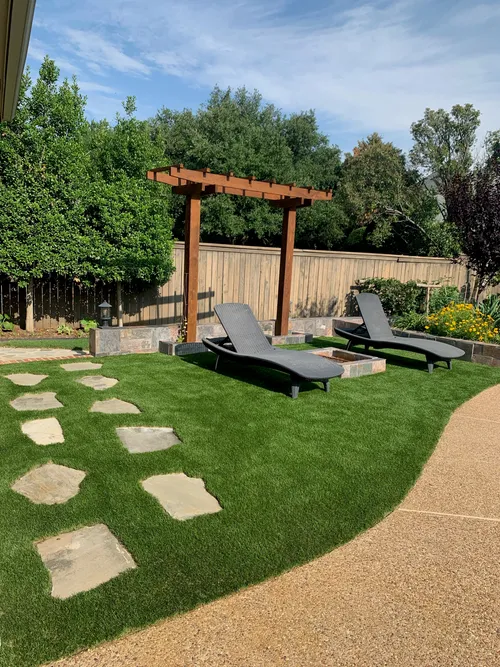
Synthetic Grass DFW is a landscaping company specializing in artificial turf installation and landscape design in Dallas, TX. They serve residential and commercial clients throughout the Dallas-Fort Worth area, offering customized solutions including putting greens, pet-friendly lawns, and sports fields. With nearly 15 years of experience, Synthetic Grass DFW uses high-quality USA-made artificial grass products and employs trained installers to ensure durable and realistic results. Their local knowledge of the region's climate helps them provide effective, low-maintenance outdoor spaces.
Landpride Lot Service
6613 Davidson St, Richland Hills, TX 76118
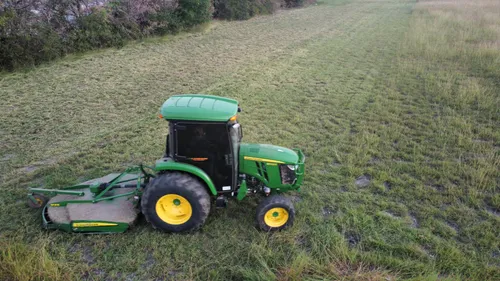
Landpride Lot Service is a property maintenance and improvement company based in Dallas, TX, serving the Dallas-Fort Worth Metroplex since 2015. They offer a wide range of services including land clearing, brush hog and skid steer mowing, excavation and dirt work, trenching, landscape design and installation, tree trimming and pruning, and gravel driveway installation and repair. Their capabilities include specialized equipment such as skid steers with grader blades and excavators for precise grading and drainage work. Landpride Lot Service is fully insured and focuses on serving North Richland Hills and surrounding communities within Tarrant and Dallas counties.
Understanding Cedar Hill's Unique Environment
Successful landscaping in Cedar Hill begins with a deep respect for the local environment. The city's climate and soil present specific challenges and opportunities that should guide every design decision.
Climate Considerations: Cedar Hill is situated in USDA Hardiness Zones 8a and 8b, characterized by long, hot, and humid summers with mild winters that can still bring occasional freezes. This climate demands a focus on resilience. The most successful landscape plans prioritize drought-tolerant native and adapted plants that can withstand intense summer heat with minimal supplemental water once established. This approach not only conserves a vital resource but also reduces long-term maintenance.
Soil Structure: Beneath the surface, many Cedar Hill properties feature heavy clay soil. While nutrient-rich, clay soil has poor drainage, which can lead to waterlogging and root rot for plants not suited to these conditions. A foundational step in any landscape design project is soil amendment. Incorporating generous amounts of organic matter, such as compost, is crucial to improve soil structure, enhance drainage, and increase water retention where it's needed most.
Sun Exposure: The abundant Texas sun is a powerful asset. A good design will strategically utilize full-sun areas for heat-loving plants like Lantana and Texas Sage, while also planning for shade through the placement of trees, pergolas, or arbors to create comfortable living spaces.
Core Principles of Effective Landscape Architecture
Moving beyond environmental factors, the art of landscape architecture involves creating a cohesive and purposeful layout for your property. This is where functionality meets beauty.
Creating Functional Zones: A well-designed yard is organized into distinct areas, or zones, each serving a specific purpose. Common zones include:
- Recreation Areas: Spaces for lawn games, play sets, or a simple stretch of turfgrass.
- Relaxation Zones: Dedicated spots for dining and lounging, often anchored by a patio or deck.
- Utility Areas: Screened spaces for gardens, compost bins, or storage that are accessible yet discreetly placed.
This zoning concept helps maximize the usability of your entire property, ensuring there's a place for every activity.
Enhancing Curb Appeal: The front yard is your home's introduction. Effective landscape design here focuses on creating a structured and inviting approach. This can involve defined walkways, specimen trees that frame the home, and layered planting beds that provide year-round interest with minimal upkeep.
Designing Backyard Retreats: For many homeowners, the backyard is a private sanctuary. Design strategies for creating a retreat include privacy screening with fencing or dense, tall shrubs, the use of winding paths to create a sense of discovery, and the strategic placement of focal points, like a sculpture or a beautiful tree, to draw the eye.
Popular Elements of Modern Outdoor Living
Today's landscape design seamlessly blends the indoors with the outdoors, extending living spaces into the fresh air. Incorporating these features can dramatically increase your enjoyment and your property's value.
Patios and Decks: As the foundation of an outdoor room, patios (using stone, pavers, or concrete) and decks (using wood or composite materials) provide essential space for furniture, dining sets, and movement. Their size, shape, and material should be an integral part of the initial master plan.
Outdoor Kitchens and Grilling Stations: Moving culinary activities outside is a hallmark of Texas living. Designs can range from a simple built-in grill station to full kitchens with countertops, sinks, and refrigeration. Placement should consider convenience, wind patterns, and proximity to indoor utilities.
Ambiance with Fire and Water: Fire pits and outdoor fireplaces create a natural gathering point and extend usability into cooler evenings. Water features, such as fountains or small ponds, introduce soothing sounds and visual interest, though designs should prioritize low-maintenance systems.
Illumination for Safety and Drama: A comprehensive landscape lighting plan serves multiple purposes. Path lights ensure safe navigation, uplighting accentuates architectural and botanical features, and ambient lighting sets the mood. Any permanent lighting installation should adhere to local Cedar Hill city codes 1.
Find the perfect landscape design companies for your needs
Get personalized recommendations and expert advice
Selecting Plants for a Resilient and Beautiful Garden
The plant palette is the living canvas of your landscape design. In Cedar Hill, selecting the right plants is the key to a low-maintenance, vibrant garden.
Championing Native and Adapted Species: Opting for plants that evolved in similar conditions is the smartest choice. Excellent native selections for Cedar Hill include:
- Turk's Cap: A shade-tolerant perennial with unique red flowers that attract hummingbirds.
- Texas Sage: A durable, silver-leafed shrub that bursts with purple blooms after rains.
- Lantana: A prolific, sun-loving groundcover or shrub available in a variety of colors, known for its heat and drought tolerance.
These plants require less water, fewer fertilizers, and are more resistant to local pests and diseases.
Managing Lawn Areas: While traditional turfgrass has its place, consider reducing its footprint in favor of groundcovers, mulched beds, or hardscaping to conserve water. If a lawn is desired, choose a drought-tolerant variety like Bermuda or Zoysia and ensure your irrigation system is zoned separately from planting beds.
Incorporating Trees for Structure: Trees provide essential shade, privacy, and vertical interest. Select species suited to clay soil, such as Live Oak, Cedar Elm, or Red Oak. Their placement is critical-consider mature size to avoid future conflicts with structures or utilities.
Understanding Project Scope and Investment
Landscape design projects can be approached in phases, allowing you to invest over time. Costs are influenced by the complexity of the design, materials chosen, and the scale of installation.
Simple Refreshes and Planting Plans: For homeowners looking to update existing beds, a design focusing on new plantings, mulch, and minor bed reshaping can be a cost-effective starting point. These projects often range from approximately $400 to $2,000 for materials and installation, providing a significant visual impact.
Mid-Range Transformations: A more comprehensive project might include installing a basic patio or walkway, adding a drip irrigation system for new planting beds, and fully renovating the plant material. Such a makeover represents a more substantial investment, typically in the range of $5,000 to $15,000.
Full Outdoor Living Creations: A complete backyard overhaul involves extensive hardscaping (large patios, retaining walls), built-in features like an outdoor kitchen or fireplace, sophisticated lighting, and mature tree installation. These detailed landscape architecture projects are a significant undertaking, with investment levels often starting around $15,000 and extending to $40,000 or more, depending on the materials and features selected 2 3.
Frequently asked questions
Sources
Footnotes
-
SITE & LANDSCAPE PLAN - Cedar Hill - https://www.cedarhilltx.com/DocumentCenter/View/41656/Approved-Plans_CUP-546-2023 ↩
-
How Much is Landscape Design in Texas? - https://www.mainstreetlawncare.com/how-much-is-landscape-design-in-texas/ ↩
-
Top Landscaping Features That Increase Property Value in Austin - Urban Oasis - https://urbanoasiscontracting.com/landscaping-roi-austin-increase-home-value-landscaping-property-value-upgrades/ ↩