Find the Best Landscape Design Companies for Your Business
No obligation • Fast responses • Nationwide coverage

Why you can trust Landscape Atlas
Landscape Atlas is a leading United States resource for evaluating landscaping, lawn care, and outdoor service providers. Our team researches each category in depth, focusing on service quality, safety, and customer experience. Listings and rankings are based on independent criteria and user feedback, and companies cannot pay to influence our assessments or recommendations.
Search providers near you
Top Landscape Design Companies in Texas City, Texas Ranked
Creating a beautiful and functional outdoor space in Texas City is about more than just planting a few shrubs. It's a thoughtful process of planning and design that transforms your yard into a resilient, enjoyable extension of your home. Landscape design here must account for our unique coastal climate, soil conditions, and lifestyle needs. This guide will help you understand the key principles of designing for the Texas Gulf Coast, from selecting the right plants to planning outdoor living areas, so you can confidently connect with local professionals who can bring your vision to life.
Artificial Grass TX
4890 W Main St Suite B, League City, TX 77573
Artificial Grass TX is a Houston, TX-based company specializing in artificial grass installation, landscape design, and landscaping services. They provide a wide range of synthetic turf products suitable for residential, commercial, sports fields, and poolside areas. The company offers customized artificial grass solutions and installation accessories, supported by over 20 years of combined experience in artificial grass and landscaping. They also provide hands-on training programs for aspiring artificial grass installers and flexible scheduling options including virtual consultations.
The Grounds Guys of League City, Pearland and Friendswood
4105 FM 2351, Friendswood, TX 77546
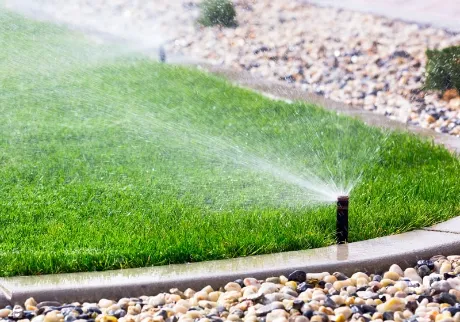
The Grounds Guys of League City, Pearland and Friendswood provides comprehensive landscaping services in Houston, TX. They offer lawn mowing, fertilization, weed control, sod and artificial turf installation, landscape design, irrigation installation and repair, yard drainage, and hardscaping including patios and retaining walls. Their team customizes landscape plans based on site assessments and focuses on sustainable, drought-tolerant options to enhance outdoor spaces. Since 2015, they have served residential and commercial clients with tailored maintenance programs and outdoor improvements to keep properties healthy and attractive year-round.
Heaven On Earth Landscaping Inc.
1350 E NASA Pkwy STE 214 K-1, Houston, TX 77058
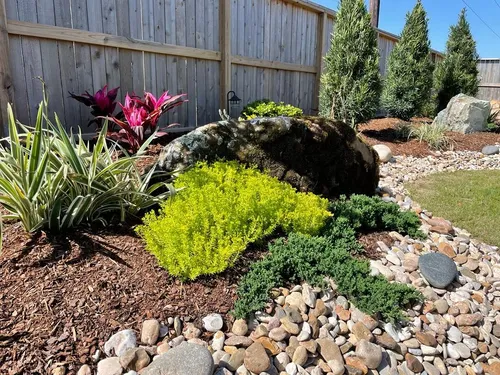
Heaven On Earth Landscaping Inc. is a locally owned landscaping company based in Houston, TX, offering a wide range of services including custom landscape design, water features, landscape lighting, yard drainage, sod installation, and sprinkler system repair. They specialize in creating artistic and detailed outdoor spaces tailored to residential and commercial clients. The company is experienced in integrating features like energy-efficient LED landscape lighting and sustainable landscaping suited to the Houston climate. Their expertise includes grading, stump grinding, and hardscaping elements such as pavers and retaining walls. Heaven On Earth Landscaping serves the greater Houston area with a focus on quality and integrity.
Understanding the Texas City Environment for Your Design
Successful landscape design begins with a deep understanding of the local environment. Texas City presents a specific set of conditions that directly influence every design decision, from plant selection to drainage solutions.
Climate Considerations: The area experiences long, hot, and humid summers with intense sun exposure, followed by generally mild winters. A significant factor is the potential for heavy rainfall and high winds associated with hurricanes and tropical storms. This climate demands a design strategy focused on durability and resilience. Plants must be selected for heat tolerance, and structures should be planned with wind resistance in mind.
Soil Challenges: A primary consideration for any Texas City landscaping project is the soil, which is often heavy clay. Clay soil can be challenging as it drains poorly when wet and becomes hard and cracked when dry. For plants to thrive, soil amendment is frequently necessary. Incorporating generous amounts of compost or other organic matter improves drainage, aeration, and moisture retention, creating a much healthier foundation for your garden 1. Near the coast, soils can also have higher salinity, which further narrows the list of suitable plant material.
The Core Principles of Residential Landscape Design
Good landscape architecture follows fundamental principles that organize space, create visual interest, and ensure the yard is both beautiful and usable. These principles are especially important in our climate to create low-maintenance, sustainable spaces.
Creating Functional Zones: One of the most effective design strategies is to divide your yard into distinct zones based on use. This organizes the space logically and efficiently.
- Public Zone (Front Yard): This area is for curb appeal and creating a welcoming first impression. Design here often focuses on low-maintenance native shrubs, colorful perennials, and easy-care turf or groundcover to present a neat, attractive face to the neighborhood.
- Private Zone (Backyard): This is your personal retreat. Designs for this zone prioritize relaxation and entertainment, featuring elements like patios, outdoor kitchens, dining areas, fire pits, or play spaces for children. Privacy screening through strategic planting or fencing is often a key component.
- Service Zone: Every property has utilitarian needs. This zone is for discreetly housing trash and recycling bins, air conditioning units, garden sheds, or compost bins. Clever design uses fencing, lattice screens, or dense plantings to hide these necessary elements from view 2.
Designing for Flow and Focal Points: A well-designed landscape guides the eye and the foot. Pathways should connect zones naturally, and the use of focal points-like a specimen tree, a striking piece of garden art, or a vibrant flower bed-creates visual anchors that draw attention and add depth to the design.
Find the perfect landscape design companies for your needs
Get personalized recommendations and expert advice
Key Elements of a Texas City Outdoor Living Space
Modern landscape design goes beyond plants to include hardscape and built features that define outdoor rooms and enhance livability. These elements add significant function and value to your property.
Patios and Walkways: These are the floors of your outdoor rooms. Materials like permeable pavers, stamped concrete, or natural stone provide stable, attractive surfaces for gathering and movement. Proper installation with a solid base is critical in our clay soil to prevent shifting and settling over time.
Shade Structures and Vertical Interest: To combat the intense Texas sun, incorporating shade is essential. Pergolas and arbors not only provide relief but also add architectural height and can support climbing plants like native crossvine or Carolina jessamine, creating a lush, green ceiling. Gazebos offer more complete shelter.
Entertainment and Ambiance Features:
- Outdoor Kitchens: Moving cooking and dining outdoors is a perfect way to enjoy our lengthy warm seasons. Designs can range from a simple built-in grill station to a fully equipped kitchen with countertops, sinks, and refrigeration.
- Fire Features: A fire pit or outdoor fireplace extends the usability of your backyard into cooler evenings, creating a natural gathering spot for family and friends.
- Water Features: The sound of moving water from a fountain or small pond adds a serene ambiance and can have a cooling psychological effect in the heat.
Selecting Plants for a Resilient and Beautiful Garden
The plant palette is the living heart of your landscape design. In Texas City, choosing native and adapted plants is not just an ecological choice-it's a practical one that leads to a healthier, more manageable garden.
The Case for Natives and Adapted Plants: Species that evolved in or are well-suited to the Gulf Coast region are inherently more tolerant of our heat, humidity, and periodic drought. They generally require less water, fewer fertilizers, and are more resistant to local pests and diseases, aligning with low-maintenance landscaping goals.
Recommended Plant Palette for Texas City:
- Trees: Opt for sturdy, reliable species like Live Oak (for majestic shade), Bald Cypress (excellent for wet areas), and Yaupon Holly (a versatile native with berries for birds).
- Shrubs: These provide structure and year-round interest. Excellent choices include drought-tolerant Texas Sage (particularly dwarf varieties), durable Indian Hawthorn, aromatic Wax Myrtle (great for screening), and various Viburnums.
- Perennials and Flowers: Add seasonal color with reliable performers like the shade-loving Turk's Cap (a hummingbird favorite), various Salvias, native Coneflower, and the coastal-adapted Spider Lily 3.
- Ornamental Grasses: These add movement, texture, and a natural feel. Gulf Muhly Grass produces stunning pink plumes in fall, and Inland Sea Oats is a graceful, shade-tolerant native 4.
Planning and Investment Considerations
Turning a landscape design plan into reality requires thoughtful planning and a clear understanding of investment ranges. Costs can vary widely based on the scope, materials, and complexity of the work.
Understanding Cost Ranges: It's helpful to think about projects in tiers. Basic planting beds with mulch and smaller shrubs might range from a few hundred dollars for DIY to a couple thousand for professional installation. A new patio or walkway project (e.g., a 10x10 foot area) can start around $1,000 for basic concrete and rise to $5,000 or more for higher-end materials like natural stone or intricate pavers. A comprehensive landscape overhaul for a mid-sized yard, incorporating new plants, mulch, a patio, and basic lighting, often falls in the $5,000 to $15,000+ range. Larger projects like custom outdoor kitchens or substantial pergolas can range from $3,000 to $10,000 and beyond, depending on size and finishes 5 6.
The Value of a Phased Approach: You don't have to do everything at once. A well-conceived master plan allows you to execute your landscape design in phases over several seasons or years. This spreads out the financial investment and lets you adjust as you see how you use the new spaces. A common approach is to start with the "bones"-trees, key shrubs, and major hardscape like a patio-then add layers of planting, lighting, and decorative features in subsequent phases.
Working with Professionals: A skilled landscape designer or architect can help you navigate all these considerations-environmental, aesthetic, and budgetary. They can create a cohesive master plan, suggest appropriate materials, identify the ideal plant varieties for each specific spot in your yard, and help you avoid costly mistakes. Their expertise is particularly valuable in managing the challenges of clay soil and designing effective drainage solutions, which are critical for long-term success in Texas City.
Frequently asked questions
Sources
Footnotes
-
Residential 3D Landscape Design in Texas by Shrubhub - https://www.shrubhub.com/texas-3d-landscape-design ↩
-
Spruce Up Your Site: How to Plan a Residential Landscape Design - https://www.skh.com/blog/residential-landscape-design/ ↩
-
Essential Texas Heat-Tolerant Plants for Summer Landscapes - Newton - https://www.newtonnurseries.com/heat-tolerant-plants-for-your-summer-projects/ ↩
-
Xeriscape Front Yard Ideas, Texas - https://letusdoitlandscaping.com/front-yard-xeriscape-ideas-for-a-modern-texas-look/ ↩
-
Low-Maintenance Landscaping Ideas Perfect for Texas Homes - https://potsplantersandmore.com/blog/low-maintenance-landscaping-ideas-perfect-for-texas-homes/ ↩
-
How to Design Front Yard Landscaping for Your South Texas ... - https://fischerlandscapingusa.com/how-to-design-front-yard-landscaping/ ↩