Find the Best Landscape Design Companies for Your Business
No obligation • Fast responses • Nationwide coverage

Why you can trust Landscape Atlas
Landscape Atlas is a leading United States resource for evaluating landscaping, lawn care, and outdoor service providers. Our team researches each category in depth, focusing on service quality, safety, and customer experience. Listings and rankings are based on independent criteria and user feedback, and companies cannot pay to influence our assessments or recommendations.
Search providers near you
Top Landscape Design Companies in Waukesha, Wisconsin Ranked
Transforming your Waukesha property with thoughtful landscape design creates an outdoor environment that is both beautiful and functional, blending art with the practicalities of local climate and soil. A well-crafted plan considers everything from curb appeal and privacy to seasonal enjoyment and long-term maintenance. This guide will help you understand the key elements of designing your outdoor space and how to connect with local professionals who can bring your vision to life.
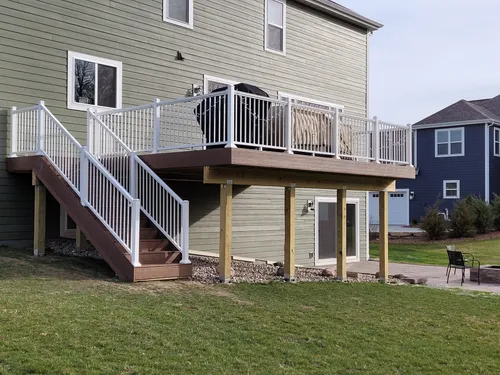
Fence and Deck Pros
2960 N 75th St, Milwaukee, WI 53210
Fence and Deck Pros is an exterior structure specialist based near Milwaukee, WI. They provide fence installation, landscape design, and hardscaping services including decks, patios, pergolas, and retaining walls. The company serves Milwaukee and surrounding areas such as Wauwatosa, Mequon, Racine, and Waukesha. They offer a variety of fencing options for residential, commercial, industrial, and security needs, and work with materials like treated wood, synthetic wood, and sustainable options. Fence and Deck Pros also provides design recommendations to help bring customer visions to life.
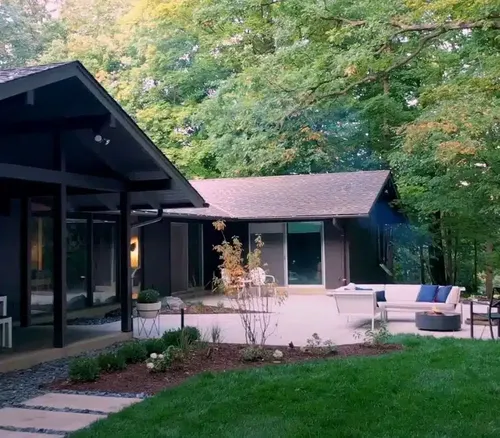
Corbin Landscaping and Lawn Care
Milwaukee, WI
Corbin Landscaping and Lawn Care is a landscaping and lawn care company based in Milwaukee, WI. They offer landscape design, garden services, and maintenance including leaf cleanup, mulching, bush trimming, and seasonal cleanups. Their services cover Brookfield, Elm Grove, and surrounding areas, focusing on creating and maintaining gardens with features like flower beds and paver patios. The team emphasizes sustainability and aims to enhance outdoor spaces with professional care.
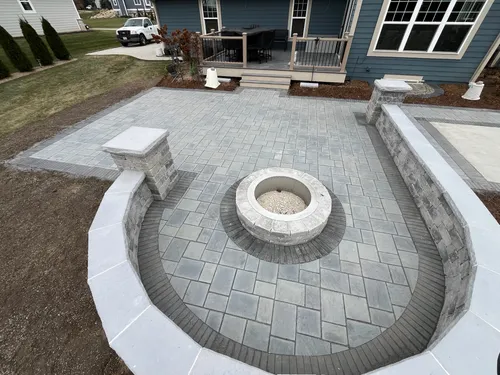
Palladium Patios & Landscaping LLC
11649 N Port Washington Rd Ste 223, Mequon, WI 53092
Palladium Patios & Landscaping LLC is a landscaping and hardscaping company based in Mequon, serving the Milwaukee, WI area. They specialize in creating outdoor living spaces with services including patio paver installation, pergola design and construction, custom decks, retaining walls, outdoor kitchens, and fireplaces. Their team installs Unilock pavers for patios and driveways and offers design-build projects focused on enhancing Wisconsin backyards. Serving the greater Milwaukee area, they provide landscaping design and construction alongside hardscaping services to transform yards into functional and attractive spaces.
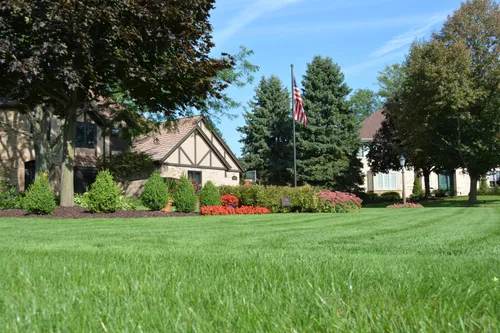
Kanavas Landscape Management
13575 Juneau Blvd #1653, Elm Grove, WI 53122
Kanavas Landscape Management is a full-service lawn care and landscaping company based in Milwaukee, WI. Serving Southeast Wisconsin, they offer a wide range of services including lawn fertilization, weed control, landscape design, tree care, and hardscaping such as patios and retaining walls. Their certified arborists provide specialized tree and shrub care, including removal and stump grinding. Established in 1974, Kanavas Landscape Management has over 50 years of experience delivering comprehensive outdoor solutions for residential and commercial properties.
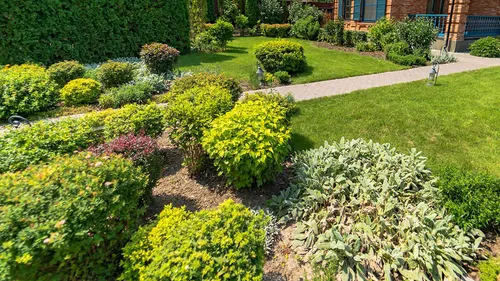
Stone Oak Landscapes LLC
1930 E Norse Ave, Cudahy, WI 53110
Stone Oak Landscapes LLC is a landscape design and hardscaping company serving Milwaukee, WI, and the surrounding Southeastern Wisconsin area. Established in 1989, the company offers a range of landscaping services including landscape architecture, design, and installation. They specialize in hardscaping features such as pavers and retaining walls, combining creative ideas with attention to detail to create outdoor spaces that complement home architecture. Stone Oak Landscapes LLC is a member of the American Society of Landscape Architects (ASLA) and provides warranties on their work.
Understanding Waukesha's Unique Environment
Successful landscape architecture in southeastern Wisconsin begins with a deep respect for the local conditions. Waukesha's continental climate and soil composition are the foundational factors that will guide every plant selection and construction decision.
Climate Considerations: Embracing Hardiness Zones 5a/5b
Waukesha experiences distinct seasons with cold, snowy winters and warm, humid summers. This climate, classified as USDA Hardiness Zones 5a/5b, dictates which plants will thrive year after year. The key is selecting cold-hardy, native species that have evolved to withstand these extremes. Plants like Purple Coneflower, Oakleaf Hydrangea, Sugar Maple, and native Oaks are not only resilient but also support local pollinators and wildlife. A professional designer will use this zonal knowledge to create a planting plan that ensures color and interest across multiple seasons without constant replacement.
Soil Composition: Building a Foundation for Growth
Much of the soil in the Waukesha area is glacial till, which often results in dense, clay-heavy earth. While nutrient-rich, clay soil can present significant drainage challenges, leading to water pooling and root rot for intolerant plants. A comprehensive site plan must address this. Solutions often include strategic grading, the installation of French drains or dry creek beds, and the use of raised planting beds filled with amended soil. Understanding your specific soil type through a simple test is a crucial first step in any garden design project.
Crafting Your Outdoor Space: Functional Zones and Layout
Effective residential landscape design organizes your yard into purposeful areas, much like the rooms inside your home. This zoning creates a logical flow and maximizes the usability of every square foot.
The Public Area: Mastering Curb Appeal
The front yard is your home's public face, designed to welcome visitors and create a positive first impression. This area focuses on foundational plantings that frame the house, define walkways, and guide the eye to the main entrance. Elements like a specimen tree, symmetrical shrubbery, or a beautifully bordered garden bed can establish unity and balance. The goal here is to create an inviting approach that complements your home's architecture while requiring a maintenance level you can manage.
The Private Oasis: Backyard Living and Entertainment
The backyard is typically the heart of outdoor living, a private retreat for relaxation and gathering. Modern landscape architecture often divides this space into distinct "garden rooms" 1. You might have a dining zone anchored by a patio, a lounging area around a fire feature, and a separate play area for children or pets. Using plantings, low walls, or changes in paving materials can subtly define these spaces without building solid walls, maintaining an open feel while creating intimate settings.
The Service Zone: Practicality Meets Discretion
Every property needs functional space for utilities, trash receptacles, composting, or garden sheds. A key principle of good design is integrating these necessary service areas discreetly 2. This can be achieved through strategic screening with lattice and climbing vines, evergreen hedges, or fencing that matches the overall aesthetic. Tucking these zones to the side or rear of the property keeps the focus on your home's beauty and your private enjoyment areas.
Find the perfect landscape design companies for your needs
Get personalized recommendations and expert advice
Popular Features in Waukesha Landscape Plans
Today's outdoor living projects go far beyond simple lawns and flower beds. Integrating hard and soft elements creates a cohesive and luxurious environment for year-round enjoyment.
Hardscaping: The Structure of Your Landscape
Hardscaping refers to the non-living, constructed elements of your yard. In Waukesha, these features are essential for creating usable space and managing the terrain. Popular installations include:
- Patios & Walkways: Constructed from pavers, natural stone, or stamped concrete to create durable surfaces for dining and circulation.
- Retaining Walls: Used to manage slopes, prevent erosion, and create level planting areas or seating terraces.
- Structural Features: Pergolas, gazebos, and arbors provide shade, define space, and offer vertical interest for climbing plants.
Enhancing Ambiance with Water and Fire
Water and fire elements transform a yard into a sensory experience. A bubbling fountain or a small pond adds a tranquil soundscape and attracts wildlife. Conversely, a built-in fire pit or an outdoor fireplace extends the usability of your backyard into the cooler spring and fall evenings, creating a natural gathering spot. These features serve as excellent focal points, a core principle of landscape design that draws the eye and anchors the space.
Technology for Convenience and Atmosphere
Modern outdoor living integrates smart technology. Low-voltage LED lighting systems illuminate paths for safety, highlight architectural and botanical features, and set a mood for evening entertaining. Weather-resistant, integrated sound systems can provide subtle background music. These technological touches add a layer of comfort and sophistication, making the outdoor space a true extension of the home.
Investment and Value: Understanding Project Scope
The cost of landscape design and installation in Waukesha varies dramatically based on the project's complexity, materials, and scale. Understanding general ranges can help you plan and prioritize.
- Garden Bed Refresh: A basic update involving new mulch, a selection of perennial flowers, and a few shrubs might range from $500 to $2,000.
- Patio Installation: Adding a new paver patio is a significant upgrade, with costs typically starting around $3,000 and can exceed $10,000 depending on size, material choice, and site preparation needs.
- Specialty Features: Installing a custom water feature or a stone fire pit often falls in the range of $2,000 to $8,000 or more 3.
- Comprehensive Renovation: A full property transformation involving master planning, grading, extensive planting, and multiple hardscape elements represents a major investment, often ranging from $10,000 to $50,000+ 4 5.
These figures are general estimates; obtaining detailed quotes from local professionals is essential for accurate budgeting.
Foundational Design Principles for Lasting Beauty
Beyond specific features, great landscapes are built on timeless design principles. These concepts guide the arrangement of elements to create a harmonious and engaging outdoor environment.
- Unity & Balance: This principle ensures all parts of the landscape work together to create a cohesive whole. It can be achieved through repetition of plants or materials, consistent styles, and a balanced distribution of visual weight across the space 6.
- Focal Points: Every well-designed space has one or more focal points-elements that immediately draw the viewer's attention. This could be a stunning tree, a sculpture, a water feature, or an architectural element like a pergola. Focal points prevent the design from feeling chaotic or boring 7.
- Sustainability with Native Plants: Choosing plants native to Wisconsin is one of the most impactful decisions for an eco-friendly yard. Native plants are adapted to local rainfall, require fewer fertilizers and pesticides, and provide crucial habitat for birds, bees, and butterflies, creating a low-maintenance, vibrant ecosystem 8.
Frequently asked questions
Sources
Footnotes
-
Backyard Landscaping Ideas - Garden Design - https://www.gardendesign.com/landscape-design/backyard.html ↩
-
Spruce Up Your Site: How to Plan a Residential Landscape Design - https://www.skh.com/blog/residential-landscape-design/ ↩
-
Landscape Design & Installation - Kujawa Enterprises Inc. - KEI - https://keiorange.com/landscape-design-and-installation/ ↩
-
Nelson Landscape: Luxury Landscape Design & New ... - https://www.nelsonlandscape.com/ ↩
-
Landscape Design in Milwaukee & Waukesha, WI - https://www.libanlandscape.com/landscape-design/ ↩
-
Principles of Landscape Design - Colorado Master Gardener - https://cmg.extension.colostate.edu/Gardennotes/413.pdf ↩
-
What are the 7 Principles of Landscape Design? - https://hearnlandscape.com/what-are-the-7-principles-of-landscape-design/ ↩
-
10 Tips for a Low-Maintenance, Eco-Friendly Backyard - https://tataandhoward.com/10-tips-for-a-low-maintenance-eco-friendly-backyard/ ↩