Find the Best Landscape Design Companies for Your Business
No obligation • Fast responses • Nationwide coverage

Why you can trust Landscape Atlas
Landscape Atlas is a leading United States resource for evaluating landscaping, lawn care, and outdoor service providers. Our team researches each category in depth, focusing on service quality, safety, and customer experience. Listings and rankings are based on independent criteria and user feedback, and companies cannot pay to influence our assessments or recommendations.
Search providers near you
Top Landscape Design Companies in West Allis, Wisconsin Ranked
A well-crafted landscape design transforms your West Allis property into a beautiful, functional extension of your home. It's more than just planting flowers; it's a strategic plan that considers Wisconsin's distinct seasons, your soil, and how you want to live outdoors. This guide will help you understand the key elements of residential landscaping in our area, from navigating the local climate to planning functional zones, so you can make informed decisions when connecting with local design professionals.
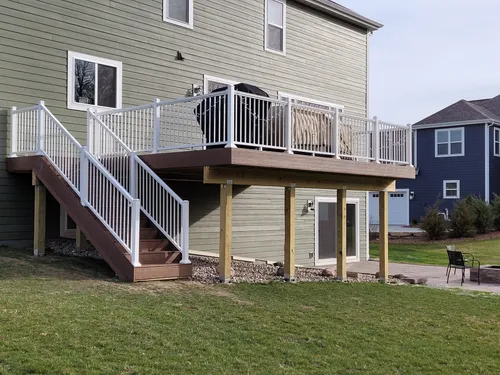
Fence and Deck Pros
2960 N 75th St, Milwaukee, WI 53210
Fence and Deck Pros is an exterior structure specialist based near Milwaukee, WI. They provide fence installation, landscape design, and hardscaping services including decks, patios, pergolas, and retaining walls. The company serves Milwaukee and surrounding areas such as Wauwatosa, Mequon, Racine, and Waukesha. They offer a variety of fencing options for residential, commercial, industrial, and security needs, and work with materials like treated wood, synthetic wood, and sustainable options. Fence and Deck Pros also provides design recommendations to help bring customer visions to life.
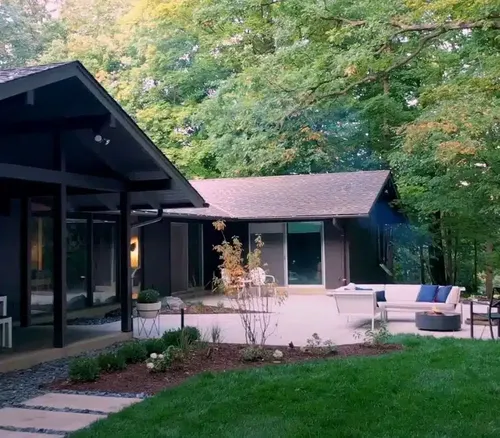
Corbin Landscaping and Lawn Care
Milwaukee, WI
Corbin Landscaping and Lawn Care is a landscaping and lawn care company based in Milwaukee, WI. They offer landscape design, garden services, and maintenance including leaf cleanup, mulching, bush trimming, and seasonal cleanups. Their services cover Brookfield, Elm Grove, and surrounding areas, focusing on creating and maintaining gardens with features like flower beds and paver patios. The team emphasizes sustainability and aims to enhance outdoor spaces with professional care.
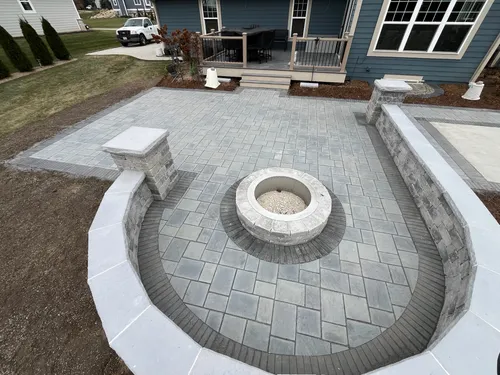
Palladium Patios & Landscaping LLC
11649 N Port Washington Rd Ste 223, Mequon, WI 53092
Palladium Patios & Landscaping LLC is a landscaping and hardscaping company based in Mequon, serving the Milwaukee, WI area. They specialize in creating outdoor living spaces with services including patio paver installation, pergola design and construction, custom decks, retaining walls, outdoor kitchens, and fireplaces. Their team installs Unilock pavers for patios and driveways and offers design-build projects focused on enhancing Wisconsin backyards. Serving the greater Milwaukee area, they provide landscaping design and construction alongside hardscaping services to transform yards into functional and attractive spaces.
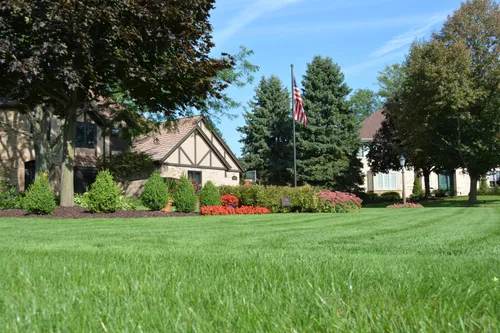
Kanavas Landscape Management
13575 Juneau Blvd #1653, Elm Grove, WI 53122
Kanavas Landscape Management is a full-service lawn care and landscaping company based in Milwaukee, WI. Serving Southeast Wisconsin, they offer a wide range of services including lawn fertilization, weed control, landscape design, tree care, and hardscaping such as patios and retaining walls. Their certified arborists provide specialized tree and shrub care, including removal and stump grinding. Established in 1974, Kanavas Landscape Management has over 50 years of experience delivering comprehensive outdoor solutions for residential and commercial properties.
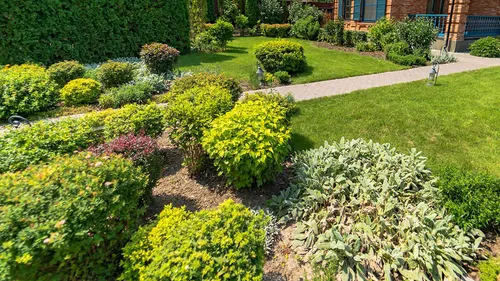
Stone Oak Landscapes LLC
1930 E Norse Ave, Cudahy, WI 53110
Stone Oak Landscapes LLC is a landscape design and hardscaping company serving Milwaukee, WI, and the surrounding Southeastern Wisconsin area. Established in 1989, the company offers a range of landscaping services including landscape architecture, design, and installation. They specialize in hardscaping features such as pavers and retaining walls, combining creative ideas with attention to detail to create outdoor spaces that complement home architecture. Stone Oak Landscapes LLC is a member of the American Society of Landscape Architects (ASLA) and provides warranties on their work.
Understanding West Allis's Climate and Soil
Successful residential landscaping in West Allis starts with a deep respect for the local environment. The city experiences a classic Midwestern climate with four distinct seasons, which directly dictates what will thrive in your yard.
- USDA Hardiness Zones 5b/6a: This is the most critical factor for plant selection. These zones indicate average annual minimum winter temperatures between -15°F to -5°F, meaning plants must be cold-hardy to survive 1.
- Seasonal Challenges: Winters are cold and snowy, requiring designs that account for snow load on structures, salt-tolerance for plants near walkways, and visual interest during the dormant season. Summers are warm and can be humid, supporting lush growth but also demanding drought-tolerant planning for drier periods 2.
- Soil Foundations: The area typically has silt-based soil, which is often fertile and holds moisture well but can become compacted. A good landscape plan will include soil assessment and amendments to ensure proper drainage and nutrient levels for your chosen plants.
Key Principles for Local Yard Design
When planning your outdoor space, consider these principles tailored to West Allis homes, which often feature defined front and back yards.
Creating Curb Appeal: The front yard is your home's welcome mat. Effective designs focus on a clear, navigable walkway, foundation plantings that frame the house without obscuring windows, and perhaps a single, hardy ornamental tree for shade and structure. The goal is a neat, inviting appearance that enhances neighborhood charm.
Maximizing Backyard Function: The backyard is typically your private retreat. Think in terms of creating "rooms" or zones for different activities:
- Entertainment Zone: This is often anchored by a patio or deck for dining and socializing.
- Relaxation Zone: A section of lawn or a secluded garden nook for quiet enjoyment.
- Utility/Play Zone: Space for gardening, composting, or a simple play area for children.
Solutions for Smaller Lots: Not every West Allis property is expansive. Clever design utilizes vertical space with trellises or tall, narrow plants, incorporates multi-functional features (like a seating wall that also defines a garden bed), and uses containers for flexible pops of color that can be moved as needed.
Popular Features for Outdoor Living
Integrating hardscape and softscape elements is what brings a landscape plan to life. Here are common features that add value and enjoyment.
- Patios & Walkways: The foundation of outdoor living. Materials like concrete pavers, natural stone, or brick are popular for their durability and ability to handle freeze-thaw cycles. The choice of material significantly impacts the overall aesthetic and budget.
- Fire Features: A fire pit or outdoor fireplace extends the usability of your backyard into cooler Wisconsin evenings, creating a natural gathering spot.
- Functional Gardens: Beyond beauty, consider raised vegetable beds for gardening, pollinator gardens to support local ecology, or structured shrub borders for privacy and definition.
- Essential Systems: Professional-grade landscape architecture often integrates unseen but crucial systems:
- Lighting: Path lights, uplighting for trees, and patio ambiance lights improve safety and allow you to enjoy your yard after dark.
- Irrigation: An efficient drip or sprinkler system is key to maintaining plant health, especially during establishment and summer dry spells.
Find the perfect landscape design companies for your needs
Get personalized recommendations and expert advice
Navigating Costs and Planning
The investment in a landscape design project varies widely based on scope, materials, and complexity. Understanding the typical ranges can help you plan.
- Foundational Planting: Installing new flower beds or foundation shrubs with proper soil prep and mulch might range from $500 to $3,000, depending on plant size and variety.
- Patio Installation: A simple, modest-sized patio using pavers or gravel can start around $2,000 to $5,000. Larger patios or those using premium materials like natural flagstone will increase the cost substantially.
- Comprehensive Makeover: A project that includes a patio, new planting beds, basic lighting, and a defined lawn area often falls in the $5,000 to $15,000 range.
- Extensive Outdoor Living Projects: Designs incorporating larger patios, outdoor kitchens, extensive lighting and irrigation systems, and custom features can range from $10,000 to $30,000 or more 3.
Local Regulations and Sustainable Practices
A smooth project requires more than just a great plan; it requires navigating local guidelines and planning for the future.
- City Design Review: The City of West Allis requires design review and approval for many exterior projects that alter the property's appearance. It's crucial to check with the city's planning department or consult a professional who understands these requirements to ensure your project complies 4.
- Choosing the Right Plants: Opt for native species like prairie grasses, coneflowers, or hardy shrubs like lilacs and viburnums. These plants are adapted to the local climate and soil, requiring less water, fertilizer, and pest control, which is better for the environment and your long-term maintenance 5.
- Planning for Maintenance: A good design considers upkeep. This includes planning for mulching, pruning schedules for specific plants, winterization of irrigation systems, and care for cool-season lawns common in the area.
Frequently asked questions
Sources
Footnotes
-
west allis, wisconsin (479046) - Western Regional Climate Center - https://wrcc.dri.edu/cgi-bin/cliMAIN.pl?wi9046 ↩
-
West Allis Climate, Weather By Month, Average Temperature ... - https://weatherspark.com/y/13561/Average-Weather-in-West-Allis-United-States-Year-Round ↩
-
Lawn Care in West Allis, WI | 6000+ 5-Star Reviews - https://www.getsunday.com/local-guide/lawn-care-in-west-allis-wi ↩
-
Design Review & Approval - https://www.swshdwi.gov/o/cwa/page/design-review-approval ↩
-
Planning and Designing Your Home Landscape - https://hort.extension.wisc.edu/articles/planning-and-designing-your-home-landscape/ ↩