Find the Best Landscape Lighting Installers for Your Business
No obligation • Fast responses • Nationwide coverage

Why you can trust Landscape Atlas
Landscape Atlas is a leading United States resource for evaluating landscaping, lawn care, and outdoor service providers. Our team researches each category in depth, focusing on service quality, safety, and customer experience. Listings and rankings are based on independent criteria and user feedback, and companies cannot pay to influence our assessments or recommendations.
Search providers near you
Top Landscape Lighting Installers in Chandler, Arizona Ranked
Enhancing your outdoor space with professional landscape lighting installation transforms your property after sunset. A well-designed lighting plan improves safety, extends the usability of patios and walkways, and dramatically boosts your home's curb appeal by showcasing its best architectural and natural features. This guide will help you understand the common approaches, fixture types, and investment involved for outdoor lighting in Chandler, so you can make informed decisions when connecting with local specialists.
Repair Services
3961 E Chandler Blvd Suite 111-190, Phoenix, AZ 85048
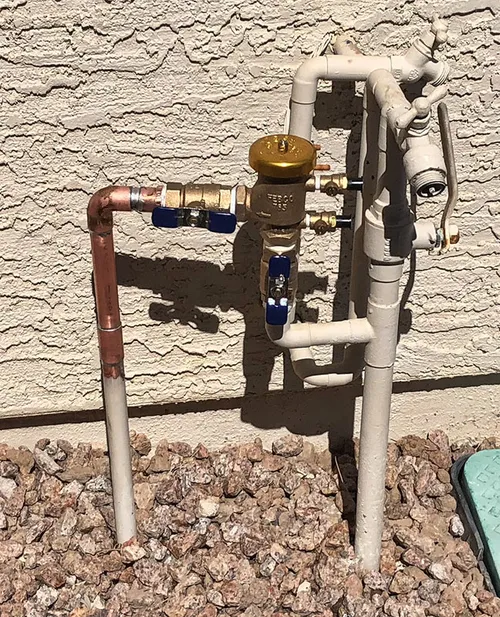
Repair Services is a Phoenix, AZ-based company specializing in landscape lighting installation and sprinkler system services, including installation, repair, and replacement. They handle all irrigation components such as valves, controllers, back-flow preventers, and various sprinkler heads to help maintain healthy lawns and landscapes. Established in 2004, the company has over a decade of experience serving the local community. They also offer low voltage outdoor lighting installation through their sister company, AZ Lighting Pros.
Apex Turf
8 S 132nd St, Chandler, AZ 85225
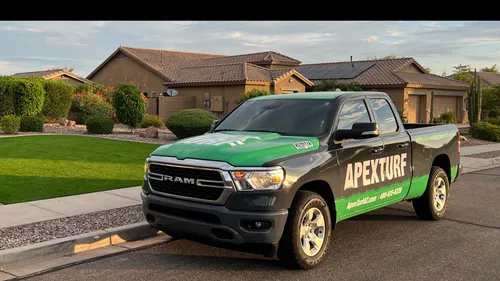
Apex Turf is a landscaping and artificial turf installation company based in Phoenix, AZ. They serve the entire Phoenix Metropolitan area, specializing in artificial grass lawns, pet-friendly turf, backyard putting greens, paver and travertine installation, retaining walls, hardscaping, and landscape lighting. Apex Turf uses high-quality USA-made turf with cooling blade technology to reduce surface temperatures, and they back their installations with a seam-free guarantee. The company also offers 24/7 availability to meet customer needs.
Big Pig Smart Lighting - Outdoor & Permanent Lighting Company
218 W Hampton Ave #11, Mesa, AZ 85210
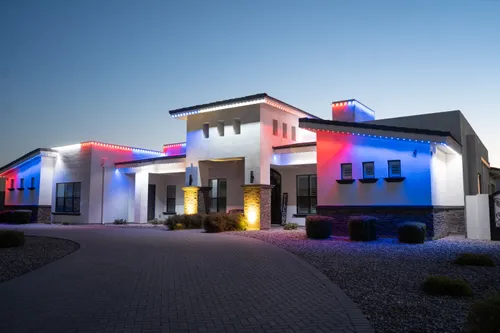
Big Pig Smart Lighting - Outdoor & Permanent Lighting Company is a Phoenix, AZ-based provider specializing in permanent, app-controlled outdoor lighting for homes and small businesses. They focus on smart lighting solutions that offer year-round curb appeal, combining discreet installation with customizable control through a mobile app. Their services include accent lighting and commercial smart lighting designed to enhance property appearance and security throughout Arizona.
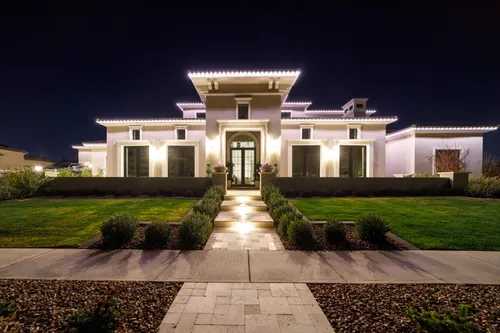
Level 5 Lighting
221 E Willis Rd Suite 18, Chandler, AZ 85286
Level 5 Lighting is a licensed, bonded, and insured outdoor lighting company based in Phoenix, AZ. They specialize in programmable, customizable permanent exterior LED lighting systems for residential and commercial properties. Their proprietary Jellyfish Lighting technology offers energy-efficient, long-lasting LED lights with over 50,000 burn hours and features such as custom color patterns, zoning, and remote control via a cloud app. The system is designed to be discreet and durable, suitable for accent, security, and holiday lighting. Level 5 Lighting provides a full service from consultation to installation with certified professionals.
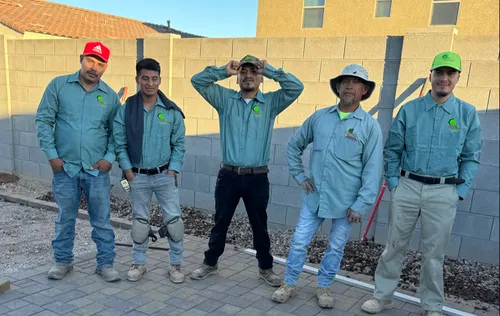
Glen C Landscaping & Hardscape
Phoenix, AZ
Glen C Landscaping & Hardscape is a family-owned landscaping company serving Phoenix, AZ, and surrounding areas including Scottsdale, Glendale, Surprise, and Avondale. With over 10 years of industry experience, they provide a wide range of services such as landscape design, lawn maintenance, irrigation and sprinkler installation, tree services, hardscaping including retaining walls and pavers, and artificial turf installation. Their team focuses on quality work and offers flexible financing options to meet client needs.
Why Install Outdoor Lighting in Chandler?
The Chandler climate, with its abundant sunshine and mild evenings, invites outdoor living nearly year-round. Effective exterior illumination allows you to enjoy your yard, pool area, or entertainment space long after the sun goes down. Beyond ambiance, strategic lighting is a practical safety feature, illuminating steps, pathways, and driveways to prevent trips and falls. It also serves as a deterrent to unwanted activity, adding a layer of security to your property's perimeter. For many homeowners, the visual impact-the way light plays on a majestic palo verde tree or the textured facade of a Southwestern-style home-is the most compelling reason to invest.
Core Components of a Lighting System
Most residential landscape lighting in Chandler is built on a low-voltage system, which is safer and more flexible for DIY adjustments than traditional line-voltage wiring1. The core components include:
- Transformer: This device plugs into a standard outdoor GFCI outlet and steps down your home's 120-volt current to a safer 12 volts. It's the heart of the system and often includes a timer or photocell for automatic operation.
- Cable: Buried shallowly or hidden under mulch, this cable carries the low-voltage power from the transformer to each light fixture.
- Fixtures: The actual lights, which come in a vast array of styles and functions, from subtle path markers to dramatic uplights.
- LED Lamps: Modern systems almost exclusively use LED bulbs for their exceptional energy efficiency, long lifespan (often 25,000+ hours), and reduced heat output, which is a significant advantage in the Arizona heat.
Popular Fixture Types for Arizona Landscapes
Choosing the right fixture is about matching form and function. Here are the most common types used in local outdoor lighting projects:
Path and Spread Lights: These are typically low-profile fixtures that line walkways, driveways, and garden borders. They cast a soft, downward pool of light to guide footsteps safely. In Chandler, styles that complement desert or modern architecture are particularly popular.
Spotlights and Uplights: Used for accent lighting, these fixtures have a narrower beam to draw attention to specific features. Uplights are placed at the base of an object-like a sculptural saguaro, a textured wall, or an ornamental tree-to create dramatic shadows and highlights 2.
Floodlights: With a wider beam angle, floodlights are used to wash light over larger surfaces, such as a stucco wall, a fence line, or a broad shrub mass. They provide general illumination for security or to create a backdrop for other accent lights.
Deck, Step, and Hardscape Lights: These are often recessed or surface-mounted into steps, retaining walls, or the posts of a pergola. They provide crucial safety lighting on level changes and add a beautiful glow to outdoor living areas like patios and pool decks.
Well Lights: Also known as in-ground uplights, these fixtures are buried flush with the ground, making them nearly invisible during the day. They are perfect for uplighting trees or columns without a visible fixture, offering a clean, professional look3 4.
Understanding Project Scope and Cost
The total investment for a landscape lighting system in Chandler varies widely based on the property's size, design complexity, and fixture quality. Most professional installations for a typical single-family home range from $2,000 to $4,500 or more, with an average around $3,250. This usually encompasses a complete system with 10-20+ fixtures, a transformer, professional design, and installation.
- Small Project (5-10 fixtures): Focusing on key areas like the front entry, a primary pathway, and one or two specimen trees. This provides immediate curb appeal and safety.
- Medium Project (10-20 fixtures): A comprehensive plan covering multiple zones-front yard pathways and trees, patio/deck area lighting, and accent lighting for architectural features. This is the most common scope for a full property enhancement.
- Large Project (20+ fixtures): Extensive designs for larger estates, properties with pools, or complex landscapes with multiple distinct areas requiring layered lighting effects.
The cost per fixture, when professionally installed, typically falls between $100 and $200+5. This includes the fixture itself, the lamp (LED bulb), wiring, connectors, and labor. Higher-end fixtures made from materials like copper or brass, which develop a desirable patina over time, will be at the top end of this range 6.
Find the perfect landscape lighting installers for your needs
Get personalized recommendations and expert advice
Key Factors Influencing Your Lighting Investment
Several variables will affect the final price of your outdoor lighting installation:
Fixture Quality and Material: Durability is key in the desert environment. Polymer fixtures are cost-effective, while cast brass, copper, and heavy-gauge aluminum offer superior longevity and a premium look. Higher-quality materials come with a higher initial cost but often have better warranties and light distribution.
Design Complexity: A simple layout with fixtures placed along a straight path is less labor-intensive than a design requiring multiple lighting techniques (washing, grazing, silhouetting) or challenging installations in rocky soil or on mature trees.
System Technology: Basic transformers with manual timers are standard. Upgrading to a smart transformer that allows for zone control, dimming, and scheduling via a smartphone app will add to the project cost but offers unparalleled convenience and energy savings.
Site Conditions: The existing landscape and hardscape can impact labor. Installing cable under established desert landscaping or through hard caliche soil may require more time and specialized equipment than working in a new construction yard with soft soil.
Professional Installation vs. DIY Kits
While DIY low-voltage lighting kits are available at home improvement stores and can be a lower-cost starting point (sometimes under $1,500 for a basic solar setup), there are distinct advantages to professional installation7 8.
A professional brings expertise in lighting design-understanding beam angles, light layering, and glare control to create a balanced, beautiful effect, not just a series of bright spots. They ensure proper load calculation for your transformer and use commercial-grade components that are more durable and repairable than most consumer kits. Professionals also handle the necessary permitting (if required) and provide a warranty on both labor and materials, offering peace of mind that a DIY project cannot match.
Maintaining Your Landscape Lighting
To keep your system looking and performing its best in Chandler's dusty environment, a simple annual maintenance routine is recommended. This includes cleaning lenses and fixtures to remove dirt and cobwebs, trimming back any plant growth that encroaches on the light beams, checking that all fixtures are level and properly aimed, and replacing any LED lamps that may have failed (though this is infrequent). Many local lighting professionals offer maintenance plans to handle these tasks for you.
Frequently asked questions
Sources
Footnotes
-
Landscape Lighting: Low-Voltage (12V) vs Line-Voltage (120V) - https://www.voltlighting.com/learn/low-voltage-vs-line-voltage-landscape-lighting ↩
-
Beam Angle Guide | Lighting Warehouse - https://www.lightingwarehouse.com/learn/beam-angle ↩
-
What is the Most Common Type of Landscape Lighting Fixtures? - https://www.rrrlighting.com/blog/most-common-type-of-landscape-lighting-fixtures/ ↩
-
Landscape Lighting Design | Landscape Lighting Contractor - https://dominionlighting.com/landscape-lighting-design/ ↩
-
Pricing Guide | Residential Landscape Lighting - https://www.outdoorlights.com/resources/pricing-guide/ ↩
-
Landscape Lighting in Chandler, AZ - Costs 01 / 2026 - https://www.homeyou.com/az/landscape-lighting-chandler-costs ↩
-
How Much Does Landscape Lighting Cost in 2026? - LawnStarter - https://www.lawnstarter.com/blog/cost/landscape-lighting-price/ ↩
-
More on Low-Voltage Lighting - The Lighting Corner - https://www.thelightingcorner.com/blog/more-on-low-voltage-lighting ↩