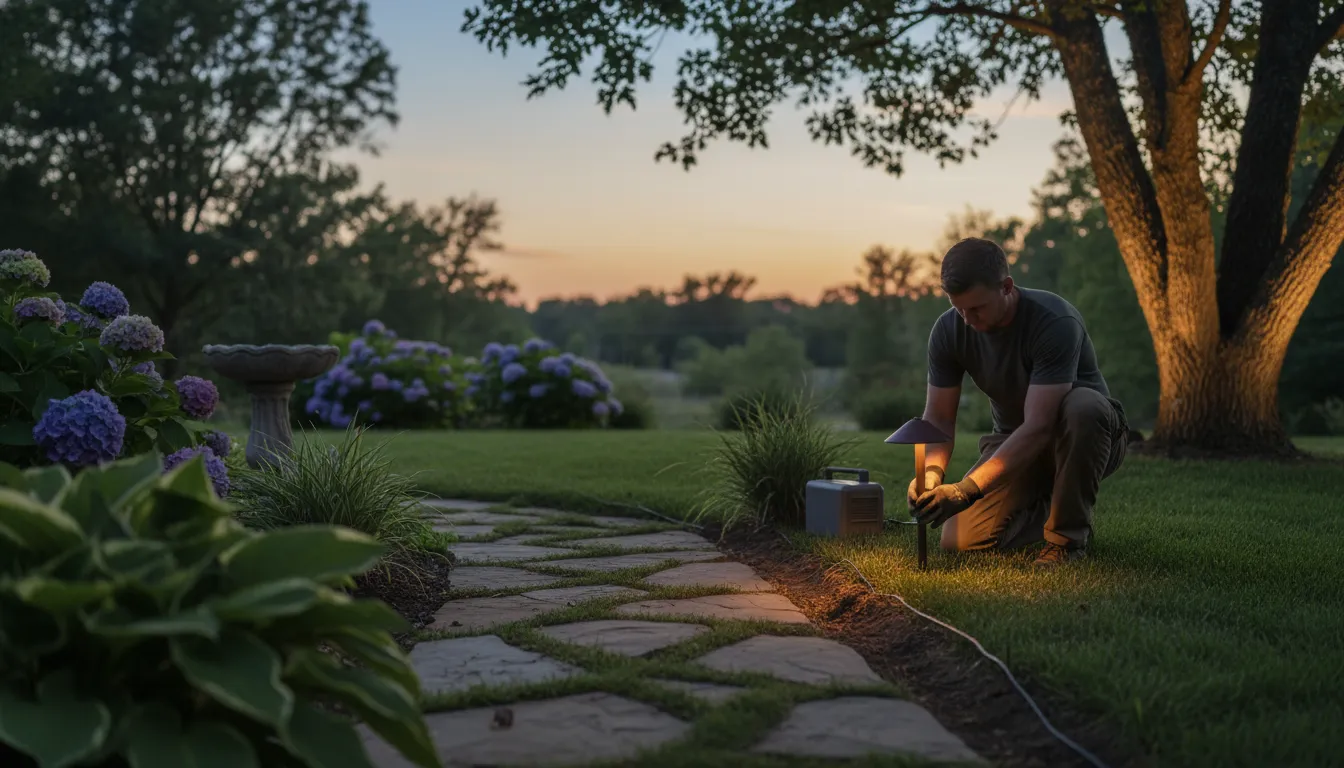
Find the Best Landscape Lighting Installers for Your Business
No obligation • Fast responses • Nationwide coverage

Why you can trust Landscape Atlas
Landscape Atlas is a leading United States resource for evaluating landscaping, lawn care, and outdoor service providers. Our team researches each category in depth, focusing on service quality, safety, and customer experience. Listings and rankings are based on independent criteria and user feedback, and companies cannot pay to influence our assessments or recommendations.
Search providers near you
Top Landscape Lighting Installers in Tucson, Arizona Ranked
Outdoor lighting transforms your Tucson property from a dark space into a secure, inviting, and beautifully extended living area after sunset. Professional landscape lighting installation involves designing and implementing a low-voltage system that highlights your home's architecture, illuminates pathways for safety, and creates ambiance in your outdoor living spaces. This guide will help you understand the process, costs, and options for exterior illumination in Tucson, empowering you to connect with skilled local professionals who can bring your vision to light.
Rain Link Irrigation & Landscape Lighting
Tucson, AZ
Rain Link Irrigation & Landscape Lighting is based in Tucson, AZ, offering services in landscape lighting installation and sprinkler system design, installation, and repair. They focus on enhancing outdoor spaces by combining aesthetic lighting with efficient irrigation solutions, including EZ-FLO system services. Their approach includes using advanced irrigation technologies like weather-based controllers and moisture sensors to promote water conservation and sustainability in outdoor environments.
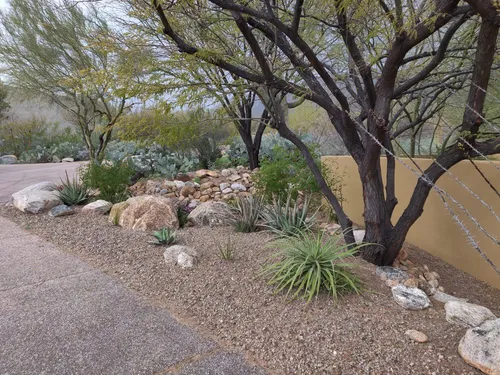
Desert Rain Landscaping & Services
Tucson, AZ
Desert Rain Landscaping & Services is a family-owned landscaping company based in Tucson, AZ, offering a comprehensive range of outdoor services for residential and commercial clients. Their expertise includes lawn care, sod and artificial turf installation, fence construction, landscape lighting, tree services, irrigation system installation and repair, and hardscaping such as patios and retaining walls. They focus on creating sustainable and aesthetically pleasing outdoor spaces, using advanced technology and local plant sourcing to ensure quality and environmental suitability. The company holds a landscaping contractor license (ROC 343355) and emphasizes clear communication and personalized service to meet client needs.
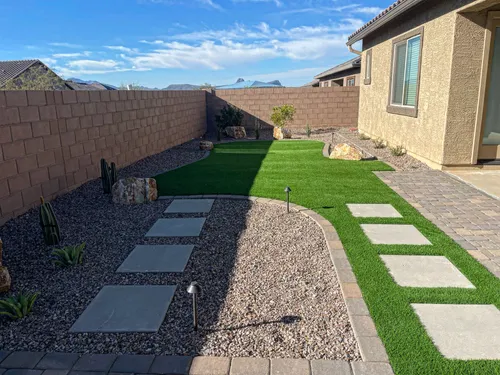
Sunset Sky Landscape & Design
10000 North Oracle Road, Oro Valley, AZ 85658
Sunset Sky Landscape & Design is a landscaping and outdoor living company based in Tucson, AZ. They provide a range of services including landscape design, sod and synthetic turf installation, sprinkler system installation and repair, landscape lighting, and hardscaping such as paver pathways, driveways, fire pits, and outdoor kitchens. The company has been serving both commercial and residential clients in Tucson and the surrounding areas since 2012, offering licensed and insured contracting services.
Rozet Landscape Design & Rozet Nursery
7707 E 22nd St, Tucson, AZ 85710
Rozet Landscape Design & Rozet Nursery is located in Tucson, AZ, offering a range of landscape services focused on desert-adapted plants and sustainable outdoor living spaces. They provide custom landscape design and installation, including Schedule 40 PVC irrigation systems, low voltage lighting with FX Luminaire products, grading, erosion control, and water features that support desert wildlife and pollinators. Rozet serves both residential and commercial clients, emphasizing ecological design and habitat creation. Their nursery stocks native and desert-adapted plants, pottery, and garden supplies. The company operates a boutique retail nursery and offers delivery and planting services. Rozet Landscape Design LLC is a design and build firm that does not provide landscape maintenance but focuses on phased project development to meet client needs.
Castle's Landscape Service
4873 S Champlain Ave, Tucson, AZ 85730
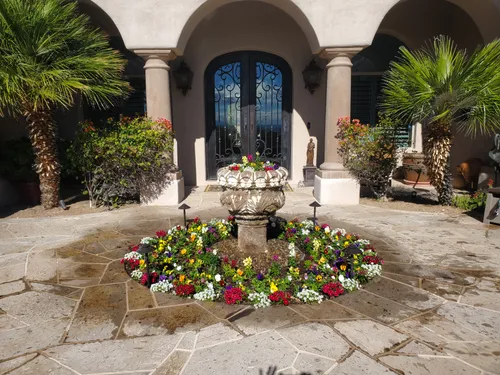
Castle's Landscape Service is a landscaping company based in Tucson, AZ, specializing in custom landscape design, installation, irrigation systems, lighting, grading, and maintenance. They focus on creating yards suited to Tucson's unique climate, using native and desert-adapted plants, eco-friendly irrigation, and durable hardscapes designed to withstand local weather conditions. Their services include lawn fertilization, weed control, sprinkler installation and repair, yard drainage, and hardscaping features like pavers and retaining walls. The company emphasizes tailored plans that balance aesthetics and function, with ongoing maintenance to support healthy plants and efficient water use throughout the year.
Why Invest in Outdoor Lighting in Tucson?
A well-designed outdoor lighting system does more than just make your yard visible at night. In Tucson, where outdoor living is a way of life for much of the year, it extends the usability of your patio, pool area, or garden into the evening hours. It significantly enhances safety by eliminating dark tripping hazards on walkways and stairs while acting as a deterrent to unwanted activity by eliminating shadowy hiding spots. Furthermore, strategic lighting adds dramatic curb appeal, showcasing your home's best features, mature desert landscaping, and unique hardscaping, which can increase property value.
Core Components of a Tucson Lighting System
Modern landscape lighting in Tucson is predominantly low-voltage, utilizing energy-efficient LED technology. This approach is safer and more flexible than traditional line-voltage systems. The core components include a weatherproof transformer that steps down household current, durable outdoor-rated cable, and a variety of specialized light fixtures. The design ties these elements together into zones that can be controlled independently, often via timers, dimmers, or smart home apps.
Popular Fixture Types for Desert Homes
The right fixture in the right place is key to a successful design. Here are the most common types used in Tucson projects:
- Path Lights: These are typically short, staggered fixtures placed along walkways, driveways, and garden borders. They provide essential guidance and safety lighting, preventing trips and falls. Styles range from classic lanterns to modern, low-profile bollards.
- Uplights and Spotlights: Used for accent lighting, these fixtures are placed at the base of an object to shine light upward. They are perfect for highlighting the textured bark of a palo verde tree, the sculptural form of a saguaro, or the architectural details of your home's façade.
- Well Lights: These are recessed into the ground, creating a very subtle and clean look. They are excellent for uplighting trees or shrubs without the fixture itself being visible, offering a magical effect where the light seems to emanate from the landscape itself.
- Deck and Step Lights: These small, rugged fixtures are integrated directly into hardscape surfaces. They provide crucial safety lighting on stair treads, along retaining walls, or built into deck railings, ensuring these transition areas are clearly visible.
- Smart and Color-Changing Fixtures: Increasingly popular, these LED fixtures can be controlled via smartphone apps, allowing you to adjust brightness, set schedules, and even change colors for holidays or special events 1. They offer ultimate flexibility and convenience.
Understanding Costs for Tucson Landscape Lighting
The total investment for a professional outdoor lighting installation in Tucson can vary widely, typically ranging from $2,000 to over $20,000 for comprehensive systems 2. The final price depends on the scale of your project, the quality of materials, and site-specific challenges. Most professionals price projects as a complete package rather than just by the hour.
Cost Breakdown by Project Scope
A helpful way to frame your budget is by considering the scale of illumination you desire:
- Small Project (Entry & Walkway Focus): This scope typically includes 8 to 15 fixtures, focusing on key areas like the front entry, a primary walkway, and maybe one or two accent trees. Installed costs for a project of this size in Tucson generally range from $3,000 to $8,000.
- Medium Project (Front & Backyard Coverage): A more complete system covering both the front and backyard may involve 9 to 40 fixtures. This includes path lighting, multiple architectural and tree accents, and lighting for patio or entertainment areas. You can expect costs in the range of $2,000 to $15,000 for this level of coverage.
- Large/Custom Project (Full Property Illumination): For extensive properties or complex designs with 40 or more fixtures, multiple controlled zones, and high-end smart features, costs often start at $15,000 and can go significantly higher 3. These systems provide complete ambiance, security, and functionality across the entire landscape.
Factors Influencing Your Final Price
Several key factors will influence where your project falls within these ranges:
- Fixture Quality and Type: Fixtures themselves can range from $30 to $200 or more each 4 5. High-quality fixtures made from brass, copper, or powder-coated aluminum withstand Tucson's intense sun and monsoon seasons far better than plastic alternatives. Specialized fixtures like well lights or smart LEDs also command a premium.
- Labor and Installation Complexity: This is often a significant portion of the cost. Tucson's rocky, caliche-heavy soil can make trenching for wiring more labor-intensive than in softer ground, potentially increasing labor time and cost 6. The complexity of the design-such as wiring multiple separate zones or integrating with existing structures-also affects labor.
- Design Sophistication: A simple layout will cost less than a custom design that requires detailed planning, photorealistic renderings, and the integration of advanced controls like dimmers, timers, or full smart-home automation.
- Transformer and Control System: The capacity of the transformer and the type of control system (basic timer vs. smart Wi-Fi hub) add to the material cost. Ensuring your system has room for future expansion is a wise consideration.
Find the perfect landscape lighting installers for your needs
Get personalized recommendations and expert advice
The Professional Installation Process
Working with a qualified installer ensures a safe, reliable, and beautiful outcome. The process typically follows these steps:
- Consultation and Design: A specialist will visit your property at dusk to assess the natural light fall and discuss your goals. They will then create a lighting plan that marks fixture placement, cable runs, and transformer location.
- Equipment Selection: Together, you'll choose fixtures that match your home's style and are rated for outdoor durability. LED fixtures are the standard for their long life (often 25,000+ hours) and energy efficiency.
- Installation: The crew will trench for low-voltage cables, mount the transformer, place and secure all fixtures, and make all electrical connections. They will handle the challenges of the local terrain.
- Aiming and Adjustment: Once everything is powered, the installer will precisely aim each adjustable fixture (like spotlights and uplights) to achieve the desired visual effect, avoiding light trespass onto neighbors.
- System Demonstration and Handoff: Finally, they will walk you through operating the controls, explain the maintenance schedule (like cleaning lenses), and ensure you are delighted with the new ambiance of your home.
Benefits Beyond Beauty
While aesthetics are a primary driver, the benefits of a professional lighting system are multifaceted:
- Enhanced Safety and Security: Illuminated pathways, steps, and entryways prevent accidents. A well-lit exterior is a proven deterrent to burglars and vandals, as it removes the cover of darkness 7.
- Increased Property Value: Curb appeal is a major factor in real estate. A tasteful, functional lighting system makes a property stand out, potentially increasing its marketability and value.
- Energy Efficiency: Modern LED systems use a fraction of the electricity of old halogen systems, leading to lower operating costs. Their long lifespan also means fewer bulb changes.
Maintaining Your Outdoor Lighting
To keep your system looking and performing its best, simple annual maintenance is recommended. This includes cleaning fixture lenses of dust and cobwebs, trimming back any plant growth that may be blocking light, checking for any fixtures that may have shifted, and ensuring the transformer is clear of debris. Many local companies offer annual service contracts to handle this for you.
Frequently asked questions
Sources
Footnotes
-
Mesa, AZ Outdoor Lighting - https://www.outdoorlights.com/phoenix/resources/service-areas/mesa/ ↩
-
Outdoor Lighting Installation Cost and Pricing Guide - https://www.outdoorlights.com/resources/pricing-guide/ ↩
-
Breaking Down the Cost of Landscape Lighting Installation - https://kndlandscaping.com/breaking-down-the-cost-of-landscape-lighting-installation/ ↩
-
How Much Does Landscape Lighting Cost in 2026? - https://www.lawnstarter.com/blog/cost/landscape-lighting-price/ ↩
-
Landscape Lighting Cost - Arte Verde - https://www.arteverde.com/landscape-lighting-cost/ ↩
-
Outdoor Lighting Installation in Tucson | The Solar Store - https://www.solarstore.com/electrical/outdoor-lighting-installation/ ↩
-
Outdoor Motion Lighting Installation Tucson AZ - https://www.idesignac.com/services/outdoor-motion-lighting ↩