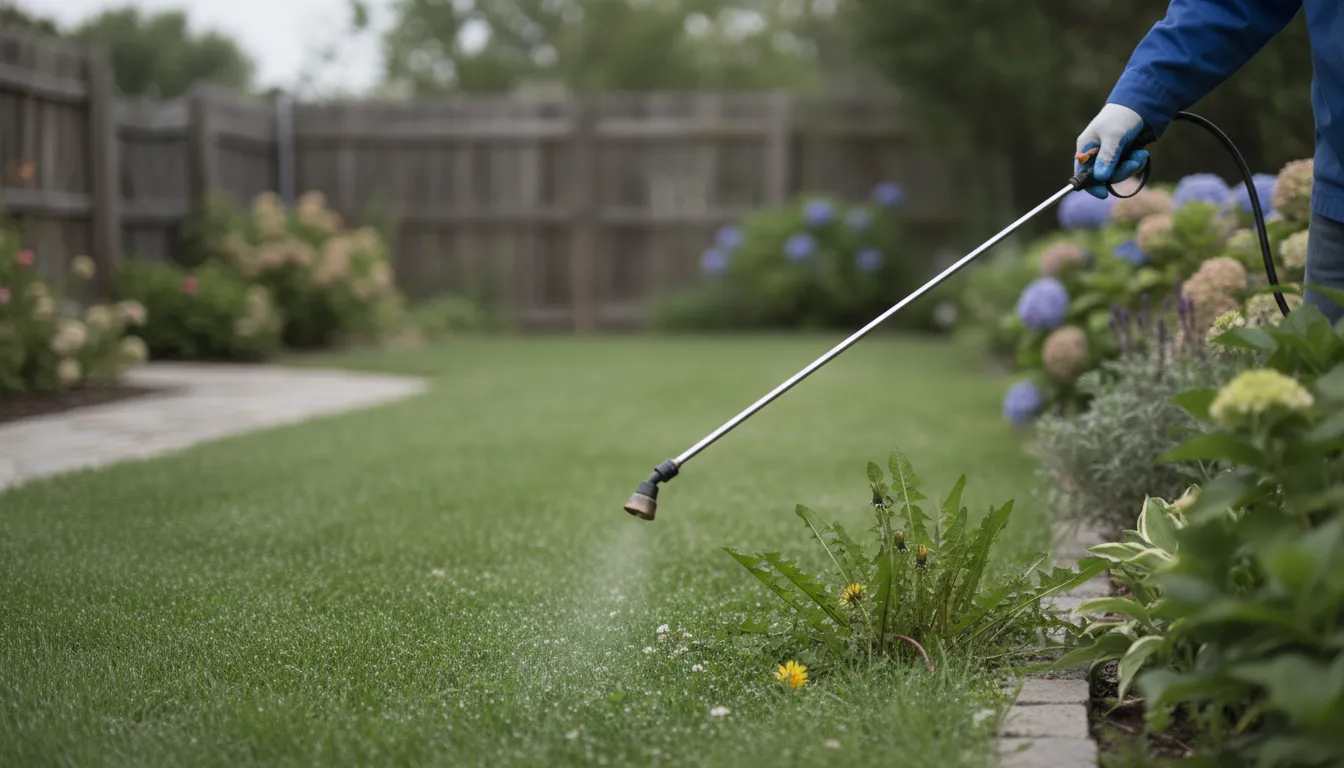
Find the Best Lawn Treatment Companies for Your Business
No obligation • Fast responses • Nationwide coverage

Why you can trust Landscape Atlas
Landscape Atlas is a leading United States resource for evaluating landscaping, lawn care, and outdoor service providers. Our team researches each category in depth, focusing on service quality, safety, and customer experience. Listings and rankings are based on independent criteria and user feedback, and companies cannot pay to influence our assessments or recommendations.
Search providers near you
Top Lawn Treatment Companies in Overland Park, Kansas Ranked
A healthy, vibrant lawn in Overland Park is the result of a consistent, science-backed approach to feeding and protecting your grass. Lawn fertilization and weed control are essential services that provide your turf with the nutrients it needs to thrive while actively suppressing invasive weeds that compete for resources. This guide explains the local approach to lawn nutrition and weed management, helping you understand the seasonal strategies used by professionals to maintain a resilient, green yard throughout the year.
Quality All-Care Lawn Services
13627 Martin Luther King Jr Ave, Bonner Springs, KS 66012
Quality All-Care Lawn Services is a locally owned lawn care company serving Kansas City, MO, and surrounding areas. They offer a comprehensive range of services including lawn fertilization, weed control, tree services, tree removal, stump grinding, and perimeter pest control. With over 40 years of experience, the company provides a one-stop solution for maintaining healthy lawns and yards. Their expertise includes pest control targeting common local pests such as chinch bugs and white grubs. Quality All-Care Lawn Services operates with a 100% satisfaction guarantee and no-contract approach.
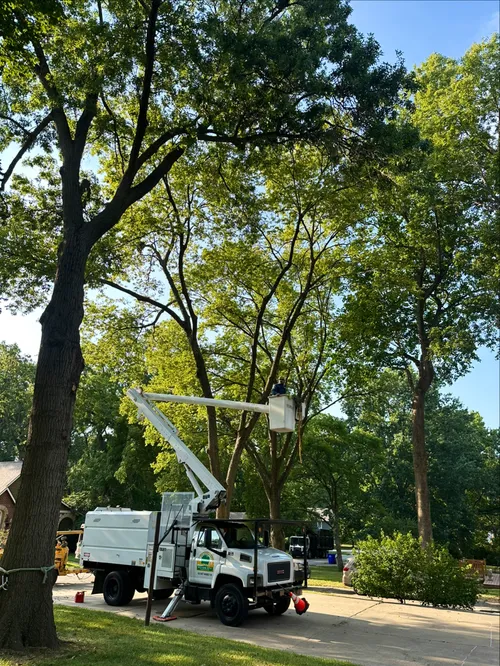
B&L Tree and Lawn Services
Kansas City, MO
B&L Tree and Lawn Services is a family-owned and minority-owned business serving the Kansas City, MO metro area since 2023. They provide a wide range of tree and lawn care services including tree removal, tree trimming, stump grinding, lawn mowing, fertilization, weed control, and snow removal. The company uses state-of-the-line equipment to ensure safe and efficient service, with capabilities such as emergency tree removal and stump grinding. They offer 24-hour emergency services and same-day estimates to support urgent needs.
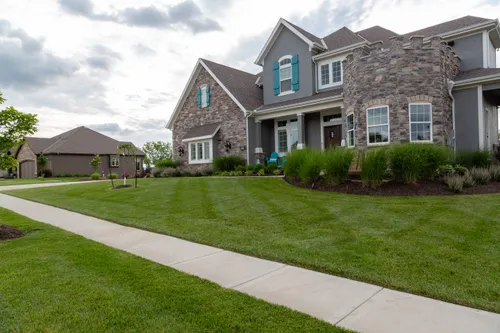
Mears Lawn & Landscape
6370 Carter Ave, Merriam, KS 66203
Mears Lawn & Landscape is a full-service lawn and landscape company based in Kansas City, MO. They offer a wide range of services including landscape design, construction, lawn maintenance, irrigation installation and repair, landscape lighting, drainage solutions, and hardscaping such as patios and retaining walls. Their team is certified and trained, providing expert craftsmanship and tailored solutions to enhance outdoor spaces. As a family-owned business, they emphasize honest recommendations and clear communication throughout each project. They serve Johnson County and surrounding areas.
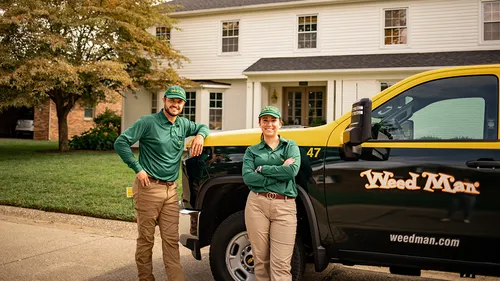
Weed Man
6620 Royal St, Pleasant Valley, MO 64068
Weed Man is a lawn care company based in Kansas City, MO, offering comprehensive lawn services including fertilization and weed control. They focus on creating healthy, attractive lawns and provide expert guidance to help customers maintain their outdoor spaces. The company serves the Kansas City area with a range of lawn care solutions designed to improve lawn health and appearance.
Heartland Turf and Landscape
5251 W 116th Pl Suite 200, Leawood, KS 66211
Heartland Turf and Landscape is a lawn care and landscaping company serving Kansas City, MO, and nearby areas. Since 2002, they have provided a range of services including weekly lawn mowing, lawn fertilization, weed control, pest control, core aeration, overseeding, mulch installation, and yard cleanup. Their approach focuses on long-term lawn health through tailored fertilization schedules and professional aeration techniques. The company also offers pest control services such as mosquito, flea, tick, and home barrier treatments to protect lawns and homes.
Understanding Overland Park's Lawn Environment
The success of any lawn care program begins with understanding the local climate and soil. Overland Park experiences a humid continental climate with hot, humid summers and cold winters, which directly influences grass types and their care schedules. The most common turfgrass in the area is Tall Fescue, a cool-season grass known for its durability and deep root system. This grass type has two primary growth peaks: in the spring and, more importantly, in the fall. Warm-season grasses like Bermuda or Zoysia are also present but require a different fertilization and weed control timeline, focusing on late spring and summer feeding 1.
Local soil conditions can vary, but many areas have clay-heavy soil that can compact, affecting nutrient uptake and water drainage. A professional lawn feeding program doesn't just apply fertilizer; it integrates soil health, grass type, and seasonal timing to create a customized plan. This integrated approach ensures that every application of lawn food and weed treatment works in harmony with the natural growth cycles of your Overland Park yard 2 3.
The Core of a Professional Program: Integrated Lawn Care
The most effective strategy for lawn nutrition and protection is an integrated program. This means fertilization and weed control are not separate, sporadic tasks but parts of a coordinated, multi-visit plan throughout the growing season. The goal is to be proactive, building a thick, healthy turf that naturally resists weeds, pests, and disease, while using targeted treatments to address specific problems before they escalate.
A typical professional program in Overland Park involves 6 to 7 seasonal treatments, scheduled from early spring through late fall. Each visit has a specific purpose, balancing the application of slow-release fertilizers with pre-emergent and post-emergent weed control products. This method is far more effective than reactive, single-application approaches, as it addresses the lawn's changing needs as temperatures and weed pressures shift.
Key Components of Integrated Care:
- Customization: Programs are adapted to your lawn's specific grass type, sun exposure, soil condition, and problem areas.
- Proactive Weed Suppression: Heavy use of pre-emergent herbicides prevents weed seeds (like crabgrass) from germinating in the first place.
- Targeted Feeding: Fertilizers are chosen and timed to match the grass's growth cycles, maximizing nutrient absorption and minimizing runoff.
- Seasonal Adaptation: Treatments are adjusted based on local weather patterns, such as a particularly wet spring or a drought-prone summer.
Find the perfect lawn treatment companies for your needs
Get personalized recommendations and expert advice
The Seasonal Lawn Care Calendar for Overland Park
Following the natural rhythm of cool-season grasses is crucial. Here's a breakdown of what a comprehensive, season-long lawn feeding and weed management program typically entails in Overland Park.
Early Spring (March - April): The Foundation
The first application kicks off the growing season. The primary focus is applying a pre-emergent weed control product. This creates a barrier in the soil that prevents crabgrass and other grassy winter annual weeds from sprouting as soil temperatures rise. This visit often includes a balanced, slow-release fertilizer to give the grass a gentle boost of energy for early green-up and growth, helping it recover from winter stress.
Late Spring (May): Strengthening and Correction
As temperatures warm, weed pressure increases. This visit typically involves a post-emergent weed control application to tackle broadleaf weeds like dandelions and clover that have already emerged. A follow-up fertilizer application supports continued leaf and root development, helping the lawn grow dense enough to crowd out future weeds.
Early Summer (June): Preventative Protection
Summer brings new challenges, including insect pests. A key component of the early summer visit is often a preventative grub control treatment. Grubs, the larvae of beetles, can cause significant root damage if left unchecked. This application is timed to target grubs when they are young and most vulnerable. The visit also usually includes fertilizer and spot treatment for any breakthrough summer weeds.
Late Summer (July - August): Managing Stress
The heat of a Kansas summer is stressful for cool-season grasses. The focus shifts to maintaining health and controlling persistent summer weeds, such as nutsedge. Treatments are carefully selected to be effective against weeds while being gentle on the heat-stressed turf. Fertilizer, if applied, is typically light and slow-release to avoid forcing growth during the hottest, driest part of the year 4.
Early Fall (September): The Recovery Phase
This is one of the most important times for lawn care. As temperatures cool, Tall Fescue enters its prime growth period. A balanced fertilizer application encourages robust growth, helping the lawn recover from summer stress and fill in any thin or damaged areas. Post-emergent weed control is also used to eliminate any remaining weeds before they can set seed in the fall.
Late Fall (October - November): The Crucial "Winterizer"
The final application of the year is the essential "winterizer" fertilizer. This is typically the heaviest feeding of the season, but it uses a specific nutrient formulation high in potassium. This nutrient doesn't promote top growth but instead is directed to the root system, building carbohydrate reserves that strengthen the grass for winter survival and lead to a quicker, greener revival the following spring 5 6. This fall feeding is widely considered the most critical for the long-term health of a cool-season lawn in Overland Park 7.
Investment in Your Lawn: Understanding Service Costs
Investing in a professional lawn fertilization and weed control program is an investment in your property's curb appeal and long-term value. Costs are not one-size-fits-all but are typically structured around the size of your lawn and the comprehensiveness of the program.
For a standard-sized yard in Overland Park, a full annual program encompassing 6 to 7 scheduled applications generally ranges from $300 to $600 or more per year 8 9. This bundled approach often provides the best value and ensures consistent, timely care. If you prefer a more à la carte approach, individual visits for combined weed and fertilizer applications typically cost between $50 and $100 per service 8 9.
Factors Influencing Price:
- Lawn Size: This is the primary cost driver. Larger properties require more product and more time to treat.
- Property Complexity: Yards with many gardens, trees, slopes, or obstacles take longer to service.
- Condition & Customization: Lawns with existing severe weed infestations or poor soil may require additional corrective treatments.
- Add-on Services: Many companies offer integrated programs that can include core aeration, lime applications, or pest control, which will affect the total price.
Choosing the Right Approach for Your Lawn
Whether you opt for a full professional program or decide to manage certain aspects yourself, the principles of timing and integration remain key. For DIY enthusiasts, the seasonal calendar provides a crucial roadmap. Always read product labels carefully, calibrate spreaders correctly, and apply pre-emergent herbicides at the right soil temperature (often when forsythia bushes bloom).
For those seeking guaranteed results and time savings, a professional service brings expertise, commercial-grade products, and a systematic approach. They handle the scheduling, weather adjustments, and identification of problems, allowing you to simply enjoy your lawn.
Frequently asked questions
Sources
Footnotes
-
Flowers and Ornamental Grasses - When to Fertilize Your Lawn - https://kansashealthyyards.org/index.php?option=com_allvideoshare&view=video&slg=when-to-fertilize-your-lawn&Itemid=341 ↩
-
Overland Park, KS Lawn Care Services - https://greenagainlawn.com/kansas-city/overland-park-ks/ ↩
-
Laudable Lawn Fertilization In Overland Park, Leawood & Lenexa KS - https://emerald-kc.com/services/lawn-care/lawn-fertilization/ ↩
-
Weed Control | Overland Park, Leawood & Mission Hills, KS - https://lawnandlandscapesolutions.com/weed-control/ ↩
-
Overland Park, KS Lawn Care Programs - https://customlawn.com/lawn-care-program-overland-park-ks/ ↩
-
Lawn Fertilization | Overland Park, Leawood & Mission Hills, KS - https://lawnandlandscapesolutions.com/lawn-fertilization/ ↩
-
MF2324 Fertilizing Kansas Lawns - KSRE Bookstore - https://bookstore.ksre.ksu.edu/pubs/fertilizing-kansas-lawns_MF2324.pdf ↩
-
Best Lawn Care in Overland Park, KS, Local Service | Aspen - https://aspenlawn.com/service-areas/overland-park-ks/lawn-care/ ↩ ↩2
-
How much does lawn care service cost? - Green Lawn Fertilizing - https://www.greenlawnfertilizing.com/blog/how-much-does-lawn-care-service-cost ↩ ↩2