Find the Best Lawn Treatment Companies for Your Business
No obligation • Fast responses • Nationwide coverage

Why you can trust Landscape Atlas
Landscape Atlas is a leading United States resource for evaluating landscaping, lawn care, and outdoor service providers. Our team researches each category in depth, focusing on service quality, safety, and customer experience. Listings and rankings are based on independent criteria and user feedback, and companies cannot pay to influence our assessments or recommendations.
Search providers near you
Top Lawn Treatment Companies in Moore, Oklahoma Ranked
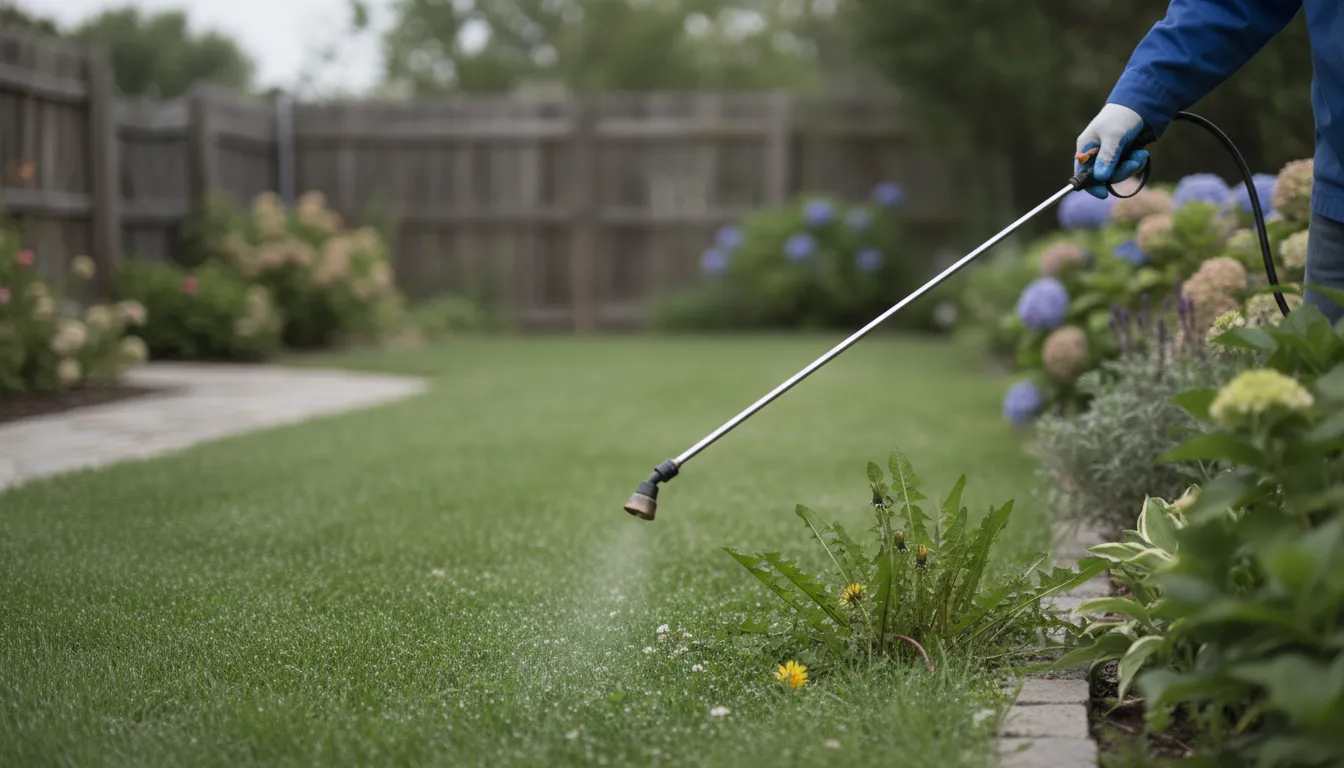
A healthy, vibrant lawn is a source of pride and a key part of your home's curb appeal. In Moore, achieving that lush, green carpet requires a strategic approach to lawn fertilization and weed control, tailored to our unique climate and soil. This guide explains the essential services that provide your grass with the nutrients it needs while defending it against invasive weeds, helping you connect with local experts who can create a custom plan for your yard.
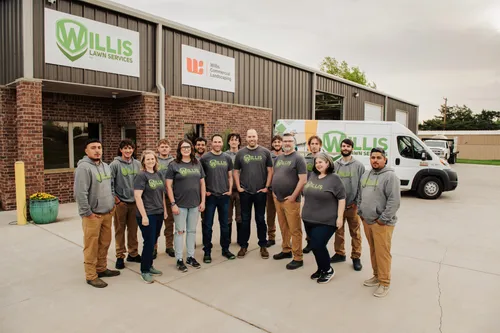
Willis Lawn Services LLC
15712 N Pennsylvania Ave Cube 3, Edmond, OK 73013
Willis Lawn Services LLC is a lawn care company serving Oklahoma City, OK, and the surrounding northern and northwest areas including Edmond, Deer Creek, and Piedmont. They specialize in lawn fertilization and weed control, focusing on Bermuda grass lawns common in this region. Their services include a signature lawn care program with weed prevention, fertilizing, and optional treatments like aeration and worm control to maintain healthy lawns through seasonal changes.
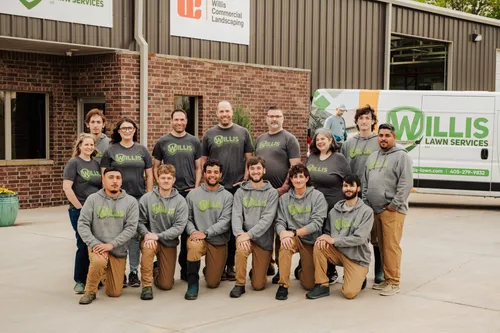
Willis Lawn Services LLC
5850 W Wilshire Blvd Suite 6, Oklahoma City, OK 73132
Willis Lawn Services LLC is a lawn care company based in Oklahoma City, OK, serving the city and surrounding suburbs including Yukon, Mustang, Warr Acres, and Bethany. Established in 2009, the company specializes in lawn fertilization and weed control, offering a signature lawn care program that includes weed prevention, fertilizing, and optional services like aeration and worm control. Their expertise addresses the challenges of maintaining healthy grass in Oklahoma's heat and drought conditions.
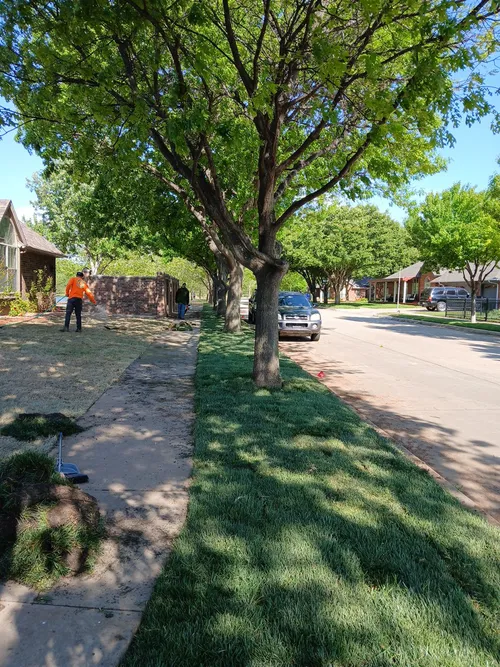
Tailored Lawns & Tree Services, LLC
Oklahoma City, OK
Tailored Lawns & Tree Services, LLC provides comprehensive lawn care, tree services, and landscaping solutions in Oklahoma City, OK. With over 20 years of experience since 2005, they offer services including lawn mowing, fertilization, weed control, sod installation, tree trimming, removal, and stump grinding, as well as landscape design and land clearing. Their team is knowledgeable about the local climate and soil, ensuring tailored care for both residential and commercial properties. They also provide emergency tree services following storms and maintain a focus on community beautification.
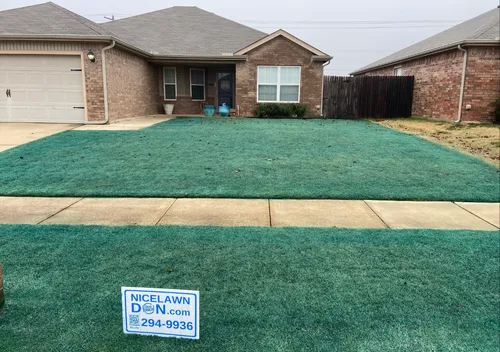
Don's Lawn & Weed Control - Norman
Oklahoma City, OK
Don's Lawn & Weed Control - Norman provides specialized lawn care services in Oklahoma City, OK, focusing on maintaining healthy and vibrant lawns. Their offerings include weed control, lawn fertilization, aeration, and grub control, all tailored to the unique soil, grass types, and weather conditions of the area. They also offer a distinctive Blue Lawn service for winter weed control and aesthetic enhancement. Don's Lawn develops customized care plans based on thorough assessments and seasonal needs to ensure year-round lawn health. The company is known for its personalized approach and extensive service options.
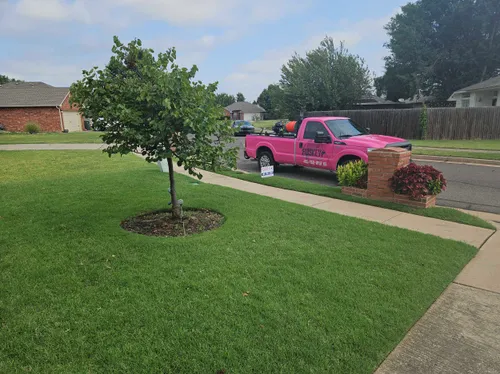
Huskey Turf Solutions | Weed Control and Fertilizing
6813 N Broadway, Edmond, OK 73034
Huskey Turf Solutions | Weed Control and Fertilizing is a lawn care company serving Oklahoma City, OK, and nearby areas including Guthrie, Edmond, and Cashion. They specialize in turf maintenance for both residential and commercial properties, offering a 7-step weed control and fertilization program designed to promote healthy, green lawns. The company also provides pest management and seasonal services such as outdoor lighting installation and Christmas light setup. Huskey Turf Solutions has been operating since 2011, focusing on quality and customer satisfaction.
Understanding Your Moore Lawn's Needs
The foundation of effective lawn care in Moore starts with understanding what you're working with. Our local conditions present specific challenges and opportunities for turf health.
Grass Types: Most lawns in the area are dominated by either warm-season or cool-season grasses. Bermuda grass is a popular warm-season variety that thrives in the summer heat, going dormant and turning brown after the first frost. Tall Fescue is a common cool-season grass that stays greener longer into the fall and early winter but can struggle in peak summer. Your fertilization and weed control schedule will be fundamentally different depending on your primary grass type.
Soil Composition: Oklahoma soil, particularly in the Moore area, often contains heavy clay. Clay soil can compact easily, limiting root growth and making it difficult for water and nutrients to penetrate. This is why many lawn care programs include recommendations for core aeration alongside feeding, to alleviate compaction and improve product efficacy.
Local Weed Pressure: Our climate is ideal for a host of common lawn weeds. You're likely battling annual invaders like crabgrass and henbit, or persistent perennials like dandelion, clover, and nutsedge. Each requires a specific control strategy, timing, and product for effective management.
The Core of a Professional Program: Fertilization
Fertilization is not just about making grass green; it's about building a strong, resilient, and dense turf that can naturally outcompete weeds and withstand environmental stress.
Nutrient Balance: Lawns require a balance of essential nutrients, primarily Nitrogen (N), Phosphorus (P), and Potassium (K). Nitrogen promotes vigorous leaf and blade growth, which is responsible for that rich green color. Phosphorus supports strong root development, while Potassium (or Potash) enhances the plant's overall hardiness, helping it tolerate drought, disease, and temperature extremes.
Seasonal Timing: A one-size-fits-all feeding schedule doesn't work. Professional programs are timed to the grass's natural growth cycles:
- Spring (Bermuda & Fescue): As soil temperatures rise, a balanced fertilizer encourages green-up and recovery from winter dormancy or stress.
- Summer (Bermuda): This is the peak growing season for warm-season grasses, requiring regular applications of nitrogen to support dense growth.
- Fall (Critical for All): This is arguably the most important season. For cool-season grasses like Fescue, fall is the prime growth period. For Bermuda, a fall application high in potassium strengthens roots for winter survival. This "winterizer" application is crucial for spring recovery.
- Soil Testing: The most effective programs often begin with a professional soil test. This analysis reveals your soil's exact pH and nutrient levels, allowing for a truly customized fertilizer blend that addresses deficiencies without wasting product.
Strategic Weed Management
Weed control is a year-round battle fought on two fronts: preventing weeds you don't have and eliminating the ones you do. A professional weed control service uses a strategic combination of products and perfect timing.
Pre-Emergent Herbicides: This is the cornerstone of preventative weed control. Pre-emergents form a barrier in the soil that stops weed seeds from germinating. Timing is absolutely critical-they must be applied before the seeds sprout. In Moore, key application times are late winter/early spring to target summer annuals like crabgrass, and again in the fall to prevent winter annuals like henbit and chickweed 1.
Post-Emergent Herbicides: When weeds are already visible, post-emergent treatments are used. These are designed to kill existing weeds, often requiring selective formulas that target the weed without harming your desirable turfgrass. Effective control of tough weeds like nutsedge or wild violet often requires specific, targeted products.
Weed & Feed Products: These combine fertilizer and broadleaf weed control (post-emergent) in one application. They can be efficient for tackling visible weeds like dandelions and clover while providing a nutrient boost, typically used in spring or fall.
Find the perfect lawn treatment companies for your needs
Get personalized recommendations and expert advice
What a Typical Annual Program Looks Like
While every lawn is unique, a comprehensive professional lawn care program in Moore often follows a seasonal rhythm with 4 to 7 applications per year 2. Here's a generalized overview of what you might expect:
Late Winter / Early Spring (Jan - Mar): The year begins with a pre-emergent herbicide application to create a barrier against crabgrass and other summer annual weeds before they start to germinate 3.
Spring (Mar - Apr): As the lawn fully wakes up, an application of fertilizer combined with broadleaf weed control encourages thick, healthy growth and knocks back early weeds like dandelions.
Late Spring (May - Jun): A second round of pre-emergent may be applied for extended crabgrass prevention, along with a fertilizer application to prepare the lawn for summer stress.
Summer (Jul - Aug): For Bermuda lawns, a summer fertilizer application supports peak growth. This visit also includes a check for insect or disease issues that can arise in the heat.
Early Fall (Sep - Oct): This is a pivotal visit. A fall pre-emergent is applied to prevent winter weeds, and a fertilizer high in potassium is used to promote deep root growth and winter hardiness 4.
Late Fall (Nov - Dec): The final application is typically a winterizer fertilizer, focused on potassium to strengthen roots throughout the dormant season, ensuring a healthier, quicker green-up the following spring 5.
Important Considerations for Homeowners
When evaluating lawn fertilization and weed control services, keep these key points in mind:
Safety & Environmental Preferences: If you have children or pets that use the lawn, inquire about pet-friendly treatment options. Many companies now offer natural or organic-based products and can provide clear guidelines on when it's safe to re-enter the treated area 6 7.
Customization is Key: Be wary of rigid, off-the-shelf programs. Your provider should ask about your grass type, sun/shade patterns, irrigation, and specific problem areas to tailor the plan. A plan for a sunny Bermuda lawn should differ from one for a shaded Fescue lawn 8.
Understanding Value: Costs can vary based on lawn size, program complexity, and product quality. Services are often priced per application, with a typical range starting around $50-$75 per visit 9 10. Many companies offer a discounted annual program price, which often falls in the range of $250 to $400+ for the full season 10 11. This bundled price usually includes all scheduled applications and provides consistent, proactive care.
The Role of Cultural Practices: Even the best professional program works best when paired with good lawn maintenance. Proper mowing (at the right height for your grass type), deep but infrequent watering, and annual core aeration significantly enhance the results of your fertilization and weed control investments 12.
Frequently asked questions
Sources
Footnotes
-
Weed Control and Lawn Fertilization - Evergreen Landscaping - https://evergreen405.com/weed-control-fertilization-okc/ ↩
-
Oklahoma City Lawn Fertilization & Weed Control | TurfWorks OKC - https://turfworksok.com/professional-lawn-fertilization-services-in-oklahoma/ ↩
-
Month-to-Month Oklahoma Lawn Care Schedule - Lawn Love - https://lawnlove.com/blog/oklahoma-lawn-care-schedule/ ↩
-
Expert Weed Control and Fertilization in Oklahoma Yards - https://www.allgreenok.com/services/weed-control-fertilization ↩
-
Lawn Care Service in Oklahoma City | AgriLawn, Inc - https://www.agrilawn.com/services/lawn-care ↩
-
Weed Control and Lawn Fertilization Services - https://watsonsweedcontrol.com/ ↩
-
Lawn Care in Moore, OK | 6000+ 5-Star Reviews - https://www.getsunday.com/local-guide/lawn-care-in-moore-ok ↩
-
Oklahoma City, OK Lawn Treatment & Fertilization | Weed Control - https://www.lawnstarter.com/oklahoma-city-ok-lawn-treatment ↩
-
Weed Control and Lawn Fertilization Services in OKC - TurfWorks - https://turfworksok.com/weed-control-fertilization/ ↩
-
Lawn Fertilization Service in Oklahoma City | Weed Free Lawns - https://www.weedfreelawns.com/lawn-fertilization-service-okc/ ↩ ↩2
-
Weed Control and Lawn Fertilization Services in OKC - https://turfworksok.com/weed-control-fertilization/ ↩
-
Moore, OK - Green & Clean Lawn Care - https://greenandcleanlawncare.net/moore-ok/ ↩