Find the Best Lawn Treatment Companies for Your Business
No obligation • Fast responses • Nationwide coverage

Why you can trust Landscape Atlas
Landscape Atlas is a leading United States resource for evaluating landscaping, lawn care, and outdoor service providers. Our team researches each category in depth, focusing on service quality, safety, and customer experience. Listings and rankings are based on independent criteria and user feedback, and companies cannot pay to influence our assessments or recommendations.
Search providers near you
Top Lawn Treatment Companies in Norman, Oklahoma Ranked
A healthy, vibrant lawn in Norman requires more than just regular mowing; it needs a strategic approach to feeding and protecting the grass. Lawn fertilization provides essential nutrients for thick, vigorous growth, while targeted weed control prevents invasive plants from taking over. This guide explains the key components of a successful lawn care program for Norman properties, helping you understand the local approach to turf nutrition and weed management so you can find the right professional service for your needs.
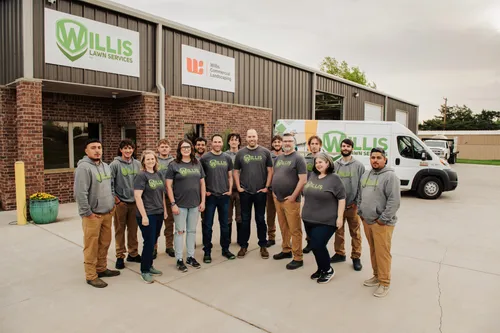
Willis Lawn Services LLC
15712 N Pennsylvania Ave Cube 3, Edmond, OK 73013
Willis Lawn Services LLC is a lawn care company serving Oklahoma City, OK, and the surrounding northern and northwest areas including Edmond, Deer Creek, and Piedmont. They specialize in lawn fertilization and weed control, focusing on Bermuda grass lawns common in this region. Their services include a signature lawn care program with weed prevention, fertilizing, and optional treatments like aeration and worm control to maintain healthy lawns through seasonal changes.
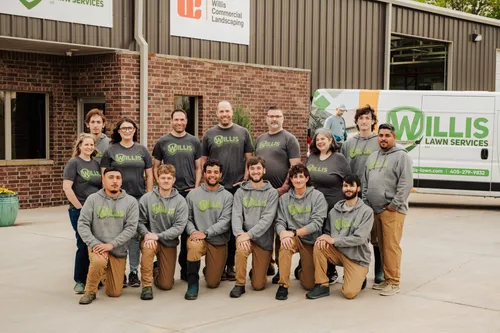
Willis Lawn Services LLC
5850 W Wilshire Blvd Suite 6, Oklahoma City, OK 73132
Willis Lawn Services LLC is a lawn care company based in Oklahoma City, OK, serving the city and surrounding suburbs including Yukon, Mustang, Warr Acres, and Bethany. Established in 2009, the company specializes in lawn fertilization and weed control, offering a signature lawn care program that includes weed prevention, fertilizing, and optional services like aeration and worm control. Their expertise addresses the challenges of maintaining healthy grass in Oklahoma's heat and drought conditions.
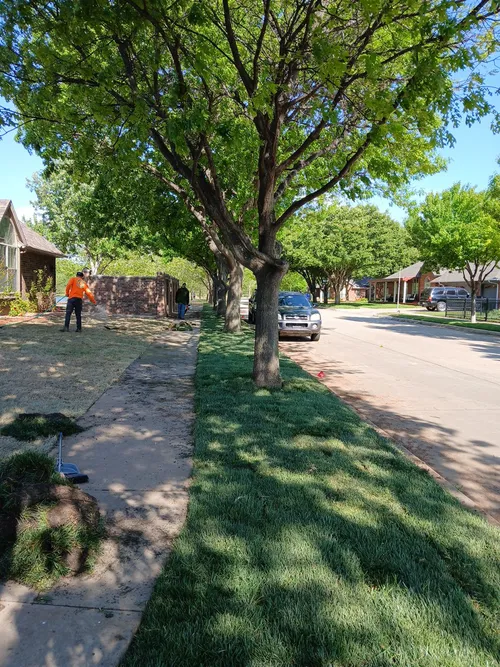
Tailored Lawns & Tree Services, LLC
Oklahoma City, OK
Tailored Lawns & Tree Services, LLC provides comprehensive lawn care, tree services, and landscaping solutions in Oklahoma City, OK. With over 20 years of experience since 2005, they offer services including lawn mowing, fertilization, weed control, sod installation, tree trimming, removal, and stump grinding, as well as landscape design and land clearing. Their team is knowledgeable about the local climate and soil, ensuring tailored care for both residential and commercial properties. They also provide emergency tree services following storms and maintain a focus on community beautification.
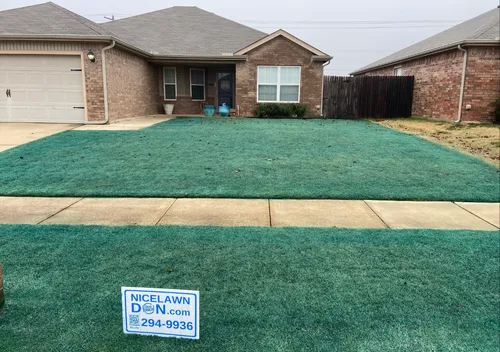
Don's Lawn & Weed Control - Norman
Oklahoma City, OK
Don's Lawn & Weed Control - Norman provides specialized lawn care services in Oklahoma City, OK, focusing on maintaining healthy and vibrant lawns. Their offerings include weed control, lawn fertilization, aeration, and grub control, all tailored to the unique soil, grass types, and weather conditions of the area. They also offer a distinctive Blue Lawn service for winter weed control and aesthetic enhancement. Don's Lawn develops customized care plans based on thorough assessments and seasonal needs to ensure year-round lawn health. The company is known for its personalized approach and extensive service options.

All Green Lawn & Pest
7001 NW 80th St, Oklahoma City, OK 73132
All Green Lawn & Pest is a lawn care company based in Oklahoma City, OK. They offer a range of services including lawn mowing, fertilization, weed control, and landscaping. The company is known for personalized treatments and a satisfaction guarantee, ensuring clients can request retreatment within 24 hours if needed. Their team includes knowledgeable technicians familiar with local properties, providing consistent lawn maintenance and care.
Understanding Norman's Lawn Environment
The foundation of effective lawn care in Norman is understanding the local climate and grass types. Central Oklahoma experiences hot, often dry summers and variable winters, creating a specific set of challenges and opportunities for your turf.
The most common grasses in Norman are warm-season varieties like Bermuda and Zoysia. These grasses thrive in the heat, entering their peak growth period from late spring through early fall. They go dormant and turn brown after the first hard frost, greening up again in the spring. Some properties may also have cool-season grasses like Fescue or Bluegrass, which are more active during the cooler months of spring and fall 1. Identifying your primary grass type is the first step, as it dictates the timing for both fertilization and weed control applications.
The Core of a Lawn Care Program: Fertilization
Fertilizing your lawn is akin to providing a balanced diet. It replenishes essential nutrients-primarily nitrogen, phosphorus, and potassium-that are depleted from the soil over time. In Norman's climate, proper feeding encourages deep root development, improves drought and heat tolerance, and promotes a dense turf that naturally resists weeds, disease, and pest invasion.
For warm-season grasses, the primary fertilization window runs from May through September, aligning with their active growth phase. A typical professional program involves multiple applications throughout this period. An early-season feeding in late spring kickstarts growth, while summer applications support the lawn through stress. The most critical application for many lawns is a fall "winterizer" fertilizer, applied in October or November. This treatment is high in potassium and strengthens the root system to survive the winter and promote a quicker green-up the following spring.
Cool-season grasses follow a different schedule, with heavy feeding in the fall and a lighter application in the spring. The goal of any fertilization plan is to provide steady, balanced nutrition without causing excessive, weak growth that can attract pests.
Strategic Weed Management for Oklahoma Lawns
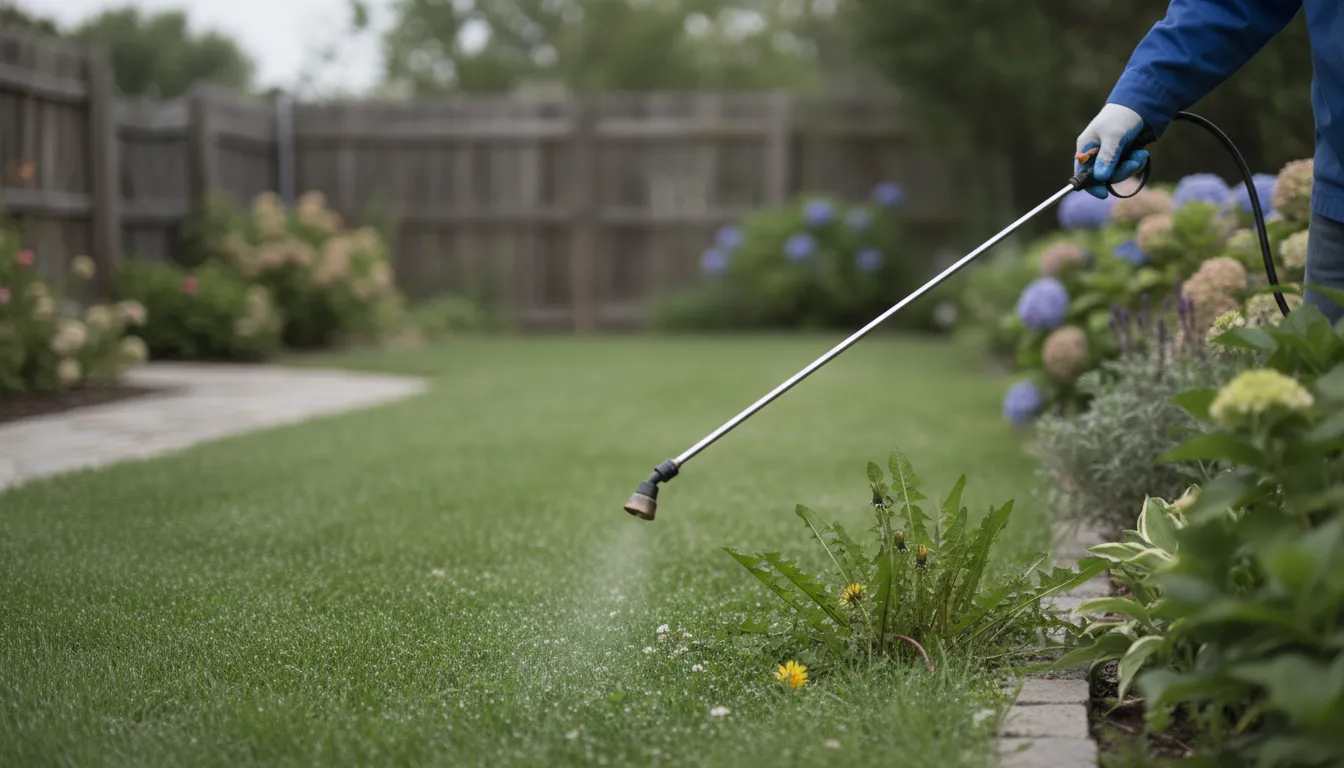
Weed control is not a one-time event but a year-round strategy. Weeds compete with your grass for water, sunlight, and nutrients. Effective management in Norman involves two main tactics: prevention and elimination.
- Pre-Emergent Weed Control: This is a preventative treatment applied to the soil to create a barrier that stops weed seeds from germinating. Timing is absolutely critical. The first application is typically done in late winter or early spring (February/March) to target summer annual weeds like crabgrass and spurge. A second application in the fall (October/November) is crucial for preventing winter annual weeds such as henbit and chickweed.
- Post-Emergent Weed Control: This treatment is used to eliminate weeds that have already sprouted and are visible in the lawn. These are often applied as spot treatments or blanket sprays during the spring, summer, and fall as needed. The strategy here is to identify the specific weed types (broadleaf vs. grassy weeds) and use the appropriate selective herbicide that targets the weed without harming the desired turfgrass.
The most effective programs integrate both fertilization and weed control. By fertilizing after weed treatments, you help your lawn grow thick and lush, which naturally crowds out future weeds by leaving less room and resources for them to establish.
Find the perfect lawn treatment companies for your needs
Get personalized recommendations and expert advice
A Typical Seasonal Program in Norman
Many local lawn care professionals structure their services around a 6 to 8-application annual program designed for the Oklahoma climate. Here's a breakdown of what a comprehensive seasonal schedule might look like:
- Early Spring (March-April): Application of a pre-emergent herbicide to form a barrier against summer weed seeds, combined with a slow-release fertilizer to encourage initial green-up and growth 2.
- Late Spring (May-June): A combined post-emergent weed control (to tackle any early weeds) and fertilization application to fuel the lawn's entry into its peak growing season 3 4.
- Summer (July-August): Focus shifts to maintaining lawn health during heat stress. This may involve post-emergent spot treatments for stubborn weeds and an application that includes micronutrients to help the turf withstand summer conditions.
- Early Fall (September-October): This is a key feeding time to recover from summer stress and build strong roots. Fertilization is paired with broadleaf weed control to clean up the lawn before winter 5.
- Late Fall (October-November): The final application is the vital winterizer fertilizer, often paired with a pre-emergent to prevent winter weeds. This sets the stage for a healthy lawn the following spring 6 7 8.
What to Expect from Professional Services
Hiring a professional for your lawn feeding and weed management brings expertise in local conditions, access to commercial-grade products, and consistent, timely applications. Providers typically offer customized plans based on a property assessment, considering grass type, soil conditions, and existing weed pressures.
Regarding investment, services are often offered as a per-application visit or as a bundled annual program. In the Norman area, a combined fertilization and weed control visit can range from approximately $50 to $100 per application, depending on the size of the lawn and the products used 9 10 11. An annual program encompassing the full seasonal schedule typically ranges from $300 to $600 or more 10 12. It's important to get a detailed quote that outlines the number of visits, the types of treatments included, and any guarantees or follow-up spot treatment policies.
When evaluating providers, look for companies that emphasize customized plans for Oklahoma's unique climate and weed spectrum. Ask about their approach to soil health, their use of slow-release versus quick-release fertilizers, and their strategy for integrating weed prevention with turf nutrition.
Complementary Practices for a Healthier Lawn
While fertilization and weed control form the cornerstone of lawn health, their effectiveness is magnified when combined with proper cultural practices.
- Mowing: Keep your mower blades sharp and mow at the recommended height for your grass type. For Bermuda grass, this is often between 1 to 2 inches. Never remove more than one-third of the grass blade in a single mowing. Taller grass shades the soil, conserves moisture, and helps prevent weed seeds from germinating.
- Watering: Deep, infrequent watering is better than frequent, shallow sprinklings. Aim for about 1 to 1.5 inches of water per week, including rainfall, to encourage deep root growth. Watering early in the morning reduces evaporation and fungal disease risk 13.
- Aeration: Core aeration, typically done in the spring or fall for warm-season grasses, relieves soil compaction, improves water and nutrient infiltration to the roots, and enhances overall turf vitality.
By combining a professional lawn nutrition and protection plan with smart maintenance, you can cultivate a resilient, attractive lawn that enhances your Norman property.
Frequently asked questions
Sources
Footnotes
-
The Ideal Lawn Fertilizer Schedule | Wikilawn - https://www.wikilawn.com/blog/lawn-fertilizer-schedule/ ↩
-
Lawn Care in Norman, OK | Lawn Pest Control, Weed Control - https://greenandcleanlawncare.net/norman-ok/ ↩
-
Lawn Weed Control Service in Oklahoma City - https://www.lawndoctor.com/southokc-ok/lawn-care-local/weed-control/ ↩
-
Lawn Fertilization In Norman OK | Green & Clean Lawn Care - https://greenandcleanlawncare.net/lawn-fertilization/ ↩
-
Oklahoma City Lawn Fertilization & Weed Control - TurfWorks - https://turfworksok.com/professional-lawn-fertilization-services-in-oklahoma/ ↩
-
When to Fertilize Your Oklahoma Lawn - https://lawnlove.com/blog/when-to-fertilize-lawn-oklahoma/ ↩
-
Weed Control Schedule For Lawns In Oklahoma - Elite Lawn Care - https://weedcontrolokc.com/the-perfect-weed-control-schedule-for-lawns-in-oklahoma-city-ok/ ↩
-
Lawn Fertilization in Southwest Oklahoma | Turf Fertilization - https://bootspestandweed.com/lawn-fertilization/ ↩
-
Lawn Care in Norman, OK - Weed Control - AgriLawn - https://www.agrilawn.com/locations/norman-ok-lawn-care ↩
-
Lawn Fertilization Service in Oklahoma City | Weed Free Lawns - https://www.weedfreelawns.com/lawn-fertilization-service-okc/ ↩ ↩2
-
Oklahoma City, OK Lawn Treatment & Fertilization | Weed Control - https://www.lawnstarter.com/oklahoma-city-ok-lawn-treatment ↩
-
How much does lawn care service cost? - Green Lawn Fertilizing - https://www.greenlawnfertilizing.com/blog/how-much-does-lawn-care-service-cost ↩
-
Simple Irrigation Audit for Home Lawns in Oklahoma | Oklahoma State University - https://extension.okstate.edu/fact-sheets/simple-irrigation-audit-for-home-lawns-in-oklahoma.html ↩