Find the Best Lawn Treatment Companies for Your Business
No obligation • Fast responses • Nationwide coverage

Why you can trust Landscape Atlas
Landscape Atlas is a leading United States resource for evaluating landscaping, lawn care, and outdoor service providers. Our team researches each category in depth, focusing on service quality, safety, and customer experience. Listings and rankings are based on independent criteria and user feedback, and companies cannot pay to influence our assessments or recommendations.
Search providers near you
Top Lawn Treatment Companies in Dallas, Texas Ranked
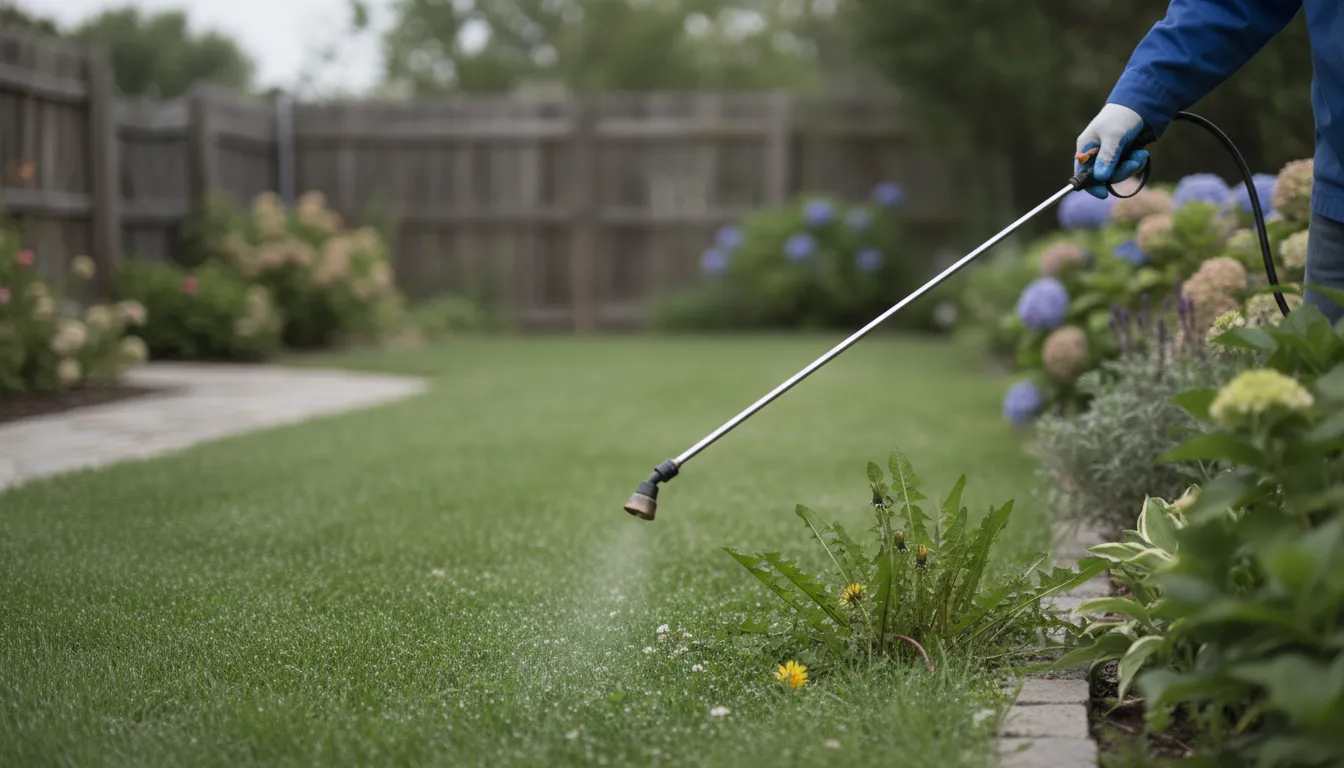
Maintaining a lush, healthy, and weed-free lawn in Dallas requires a specialized approach tailored to our unique climate and soil. Lawn fertilization and weed control are essential services that provide your grass with the nutrients it needs to thrive while actively preventing and eliminating invasive weeds. This guide explains the science behind local lawn care, helping you understand the seasonal treatments, grass-specific strategies, and soil management practices that define successful turf management in North Texas. You can use this information to evaluate local service providers and find a program that fits your property's specific needs.
Weedex Lawn Care
2625 Aero Dr, Grand Prairie, TX 75052
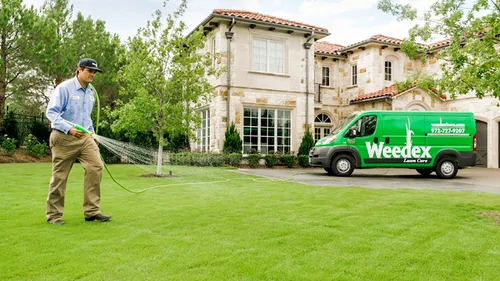
Weedex Lawn Care is a lawn care company based in Arlington, TX. They provide lawn fertilization and weed control services to help maintain healthy and attractive lawns. Their offerings focus on essential lawn care treatments to support lawn health and appearance.
Purple Care Keller Lawn Care & Pest Control
1722 Keller Pkwy, Keller, TX 76248
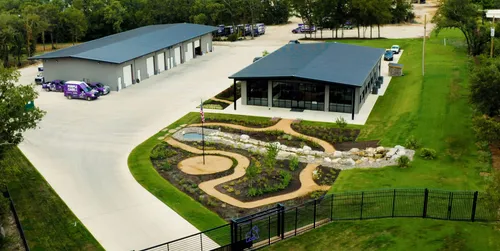
Purple Care Keller Lawn Care & Pest Control has been serving residential and commercial properties in Arlington, TX since 1993. They offer lawn care, pest control, and irrigation services tailored to each property's needs. Their capabilities include proprietary lawn fertilization and weed control formulas, pest exclusion and remediation, and premium irrigation system installation and repair. The company partners with Texas A&M University to implement sustainable agricultural technologies and focuses on eco-friendly solutions to maintain healthy lawns and pest-free environments.
Green Top Lawn Care
3001 N Main St, Euless, TX 76039
Green Top Lawn Care is a lawn care company based near Fort Worth, TX, specializing in lawn fertilization, weed control, lawn aeration, and insect pest management. They provide services such as grub prevention and treatment, fire ant control, and both pre-emergent and post-emergent herbicide applications to maintain healthy lawns. The company is licensed and insured and offers a free re-application policy to ensure customer satisfaction. Green Top Lawn Care serves the Fort Worth area with comprehensive lawn care solutions focused on promoting strong, green lawns and managing common lawn pests.

Top Turf Lawn Care and Pest Management
5625 Egg Farm Rd #1120, Keller, TX 76244
Top Turf Lawn Care and Pest Management is a family-owned lawn care company serving Fort Worth, TX. Since 2008, they have provided lawn fertilization and weed control services tailored to Texas turfgrass. Their experienced team focuses on improving lawn health by addressing issues like thin patches and weeds using quality products.
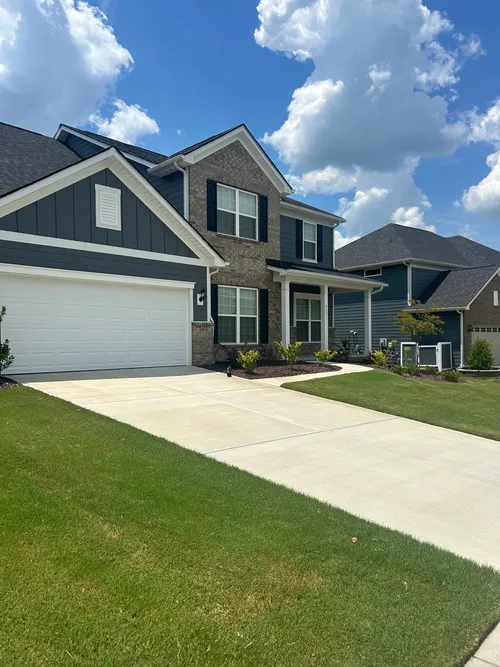
Sureguard Lawn & Pest
13663 Jupiter Rd #407a, Dallas, TX 75238
Sureguard Lawn & Pest is a lawn care and pest control company serving Garland, TX, and the surrounding Texas areas including Dallas, Fort Worth, Waco, and Cedar Creek. They offer a range of services such as pest management, lawn maintenance, fertilization, weed control, tree and shrub care, tree removal, and stump grinding. Established in 1967, Sureguard has over 58 years of experience providing pest control and lawn care to homeowners, businesses, and HOAs. They also provide emergency pest control services and typically schedule appointments within 24-48 hours.
Understanding Dallas's Lawn Environment
Successful lawn nutrition and weed prevention starts with understanding the local growing conditions. Dallas presents a distinct set of challenges and opportunities for turfgrass.
Warm-Season Grasses: The most common lawn grasses here are warm-season varieties, primarily Bermuda, St. Augustine, and Zoysia. These grasses grow actively in the heat of late spring and summer, entering dormancy and turning brown after the first hard frost. Their growth cycle dictates the entire fertilization and treatment schedule, with the goal of promoting strong roots and dense growth to naturally crowd out weeds.
Clay Soil and Alkalinity: The native soil in much of Dallas is heavy clay, which is naturally alkaline with a pH often around 7.7 or higher. This high pH can "lock up" certain essential nutrients, making them unavailable to grass roots even if they are present in the soil. Furthermore, clay soil compacts easily, restricting water, air, and nutrient movement to the root zone. This is why core aeration is frequently recommended as a complementary service to any fertilization program, as it helps alleviate compaction.
The Core of a Dallas Lawn Care Program: Nutrients and Timing
A professional lawn care program is more than just occasional feeding; it's a strategic, calendar-based plan. Most comprehensive programs in Dallas involve between 5 to 9 visits per year, each with a specific objective.
Key Nutrients for Dallas Lawns
- Nitrogen (N): This is the primary driver for lush, green leaf growth and is applied most heavily during the active growing seasons of late spring and summer.
- Potassium (K): Crucial for overall plant health, potassium strengthens cell walls, improves drought tolerance, and aids in root development. It is particularly important in fall "winterizer" applications to help the lawn withstand cold stress.
- Phosphorus (P): While important for root and flower development, phosphorus is often already present in sufficient quantities in native soils. Many local providers will perform or request a soil test before applying significant phosphorus, as runoff can be an environmental concern.
The Seasonal Treatment Timeline
A year-round program addresses both feeding and preemptive weed defense.
Winter (January - February): The focus is on pre-emergent weed control for winter annuals like Poa annua (annual bluegrass) and spot-treating any persistent broadleaf weeds. The lawn is dormant, but preventing weed germination now saves effort later.
Early Spring (March): As soil temperatures rise, this is a critical window. A first round of balanced fertilizer kicks off green-up, while a second pre-emergent application targets summer annual weeds like crabgrass. This is also an ideal time for core aeration.
Late Spring (April - May): With the lawn actively growing, a nitrogen-rich fertilizer application promotes density. This period may also include grub control preventatives and fungicide applications to guard against common Dallas lawn diseases.
Summer (June - July): The goal shifts to maintaining health through heat stress. Another round of fertilizer supports growth, while treatments often target active insect pests like chinch bugs in St. Augustine grass.
Early Fall (August - September): This is another crucial pre-emergent window to prevent germination of fall and winter weeds 1. Treatments balance nutrients to help the lawn recover from summer and prepare for cooler weather.
Late Fall (October - November): The "winterizer" application is key. It typically contains higher levels of potassium and a slow-release nitrogen to promote deep root growth and nutrient storage, ensuring a healthier green-up the following spring 2.
Early Winter (December): A final application may focus on soil health and providing potassium to aid in cold hardiness during dormancy 3.
Find the perfect lawn treatment companies for your needs
Get personalized recommendations and expert advice
Weed Control Strategies: Prevention and Elimination
Weed management is a two-pronged approach: stopping weeds before they start and dealing with those that have already emerged.
Pre-Emergent Herbicides: This is the cornerstone of an effective weed control plan. Applied at precise times in early spring and early fall, these products create a barrier in the soil that prevents weed seeds from germinating 4 5 6. Timing is absolutely critical-if applied too early or too late, the barrier is ineffective.
Post-Emergent Herbicides: For weeds that have already sprouted, selective post-emergent herbicides are used for spot treatments. These are designed to target specific weeds (like dandelion, clover, or spurge) without harming the desired turfgrass 7 8. The method of application (spray vs. granular) can depend on the weed type and the extent of the infestation.
The Importance of Soil Testing and Customization
A one-size-fits-all approach rarely works for lawn nutrition. A professional soil test is the most valuable tool for customization 9. It provides definitive data on:
- Soil pH level (acidity/alkalinity)
- Levels of primary nutrients (N, P, K)
- Levels of secondary nutrients and micronutrients
With this report, a lawn care provider can tailor fertilizer blends to address exact deficiencies and avoid over-applying nutrients that are already abundant. For Dallas's alkaline soils, the test might indicate a need for specific soil amendments to adjust pH and unlock nutrients 10.
Organic and Hybrid Lawn Care Options
An increasing number of homeowners are interested in reducing synthetic chemical use. Many local providers offer organic or hybrid programs. These utilize natural fertilizer sources like compost teas, humates, and bio-stimulants to feed the soil microbiome, which in turn feeds the grass 11 12. Weed control in these programs often relies more heavily on pre-emergent products derived from natural sources and very targeted post-emergent spot treatments. The philosophy focuses on long-term soil health to create a resilient lawn that is naturally more resistant to weeds and pests.
Understanding Service and Investment
Professional lawn fertilization and weed control is an investment in your property's curb appeal and value. In the Dallas area, comprehensive annual programs typically range from $400 to $600 or more for an average-sized lawn, encompassing the 5-9 visits described in the seasonal timeline 13 14. The final cost depends on your lawn's square footage, the specific grass type, the complexity of the weed issues, and the level of customization required. Per-visit treatments for fertilization and weed control alone can range from $50 to $100 13.
When evaluating providers, look for those who emphasize education, provide a clear, written plan, and are willing to discuss the "why" behind each treatment. Ensure they are licensed and insured, and familiar with any local Dallas ordinances regarding fertilizer and pesticide application 15.
Frequently asked questions
Sources
Footnotes
-
Seasonal Lawn Care Timeline: What to Do Each Month in Texas - https://highergroundlm.com/seasonal-lawn-care-timeline-what-to-do-each-month-in-texas/ ↩
-
Our Year Round Lawn Care Program in North Texas | Gecko Green - https://geckogreen.com/year-round-lawn-care-program ↩
-
Complete Lawn Care Schedule for Texas in 2025 - https://www.rynolawncare.com/complete-lawn-care-schedule-for-texas/ ↩
-
Dallas Lawn Care Schedule: A Complete Guide - https://lawntech.com/our-complete-dallas-lawn-care-schedule/ ↩
-
Our Guide to Lawn Fertilization in Dallas, TX - https://lawntech.com/our-lawn-fertilization-guide-for-dallas-homeowners/ ↩
-
Lawn Fertilization & Weed Control Services - https://emeraldlawns.com/services/lawn-fertilization-weed-control ↩
-
Lawn Care Package | Fertilization, Weed & Ant Control - https://treeshurttoo.com/lawn-care-package/ ↩
-
Texas Lawn Fertilization and Weed Control - https://emeraldlawns.com/texas-lawn-fertilization-weed-control ↩
-
Lawn Care in Dallas, TX from $55 | 6000+ 5-Star Reviews - https://www.getsunday.com/local-guide/lawn-care-in-dallas-tx ↩
-
Lawn Fertilization for Texas Warm-Season Grasses - AustinTexas.gov - https://www.austintexas.gov/sites/default/files/files/Watershed/growgreen/3_7_12_2011_lawn_fertilization_in_tx_E-437_handout_3_Chalmers.pdf ↩
-
Organic Lawn Fertilizer Service in Dallas, TX - https://highergroundlm.com/lawn-fertilization-dallas-tx/ ↩
-
Annual Organic Hybrid Lawn Care Program in Dallas, TX - https://highergroundlm.com/annual-lawn-care-programs-dallas-tx/ ↩
-
Lawn Care Prices in North Texas: What Homeowners Should Expect ... - https://www.grassperson.com/blog/how-much-does-lawn-care-cost-in-north-texas ↩ ↩2
-
How much does lawn care service cost? - Green Lawn Fertilizing - https://www.greenlawnfertilizing.com/blog/how-much-does-lawn-care-service-cost ↩
-
Fertilization in Dallas - Marlin Landscape - https://www.marlinlandscape.com/our-services/fertilization/ ↩