Find the Best Lawn Treatment Companies for Your Business
No obligation • Fast responses • Nationwide coverage

Why you can trust Landscape Atlas
Landscape Atlas is a leading United States resource for evaluating landscaping, lawn care, and outdoor service providers. Our team researches each category in depth, focusing on service quality, safety, and customer experience. Listings and rankings are based on independent criteria and user feedback, and companies cannot pay to influence our assessments or recommendations.
Search providers near you
Top Lawn Treatment Companies in Houston, Texas Ranked
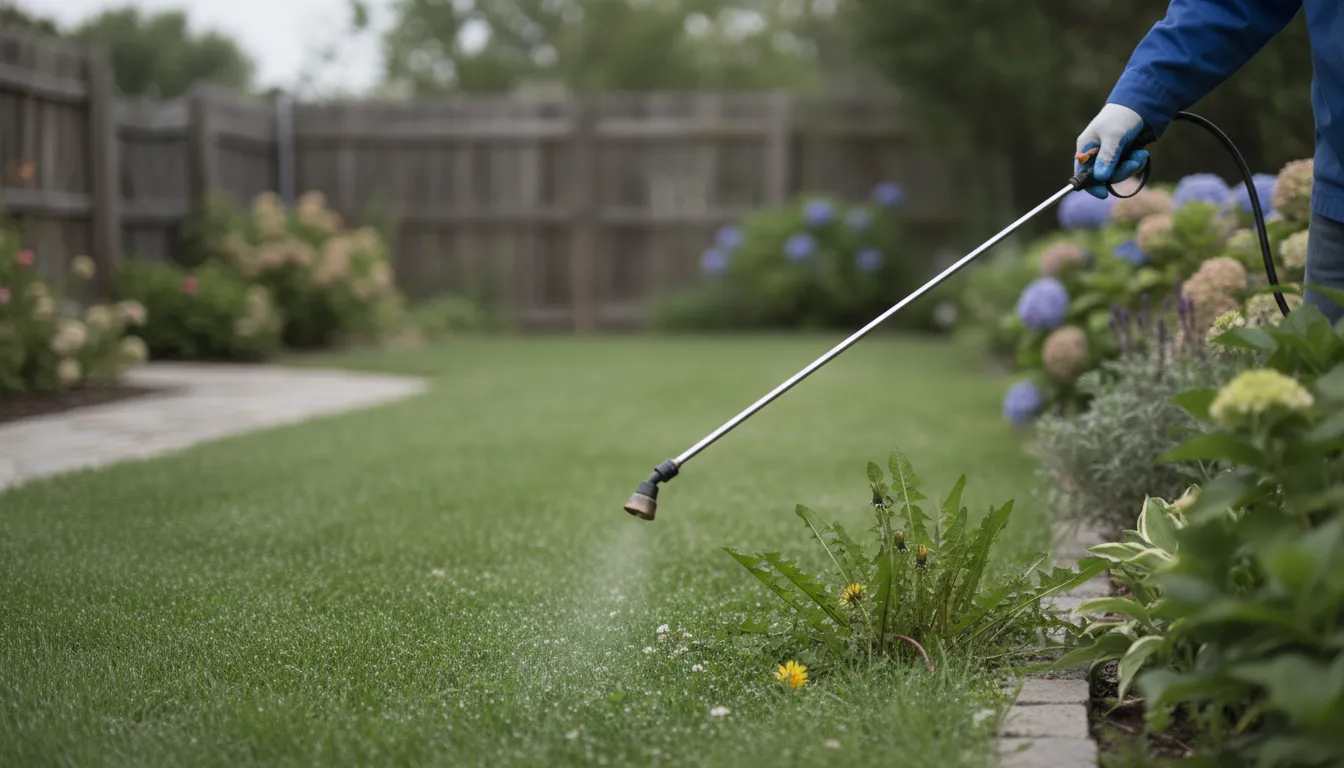
Maintaining a lush, green, and weed-free lawn in Houston is a year-round commitment that requires a strategic approach to lawn feeding and weed management. The city's hot, humid climate and unique soil conditions create an ideal environment for both warm-season turfgrass and persistent weeds. A proper fertilization and weed control program is essential for building a thick, healthy lawn that can outcompete weeds, resist pests, and withstand the stress of Texas summers. This guide will help you understand the local lawn care schedule, treatment options, and how to connect with professionals who can tailor a plan for your specific grass type and property.

Alief Lawn Care
14601 Bellaire Blvd, Houston, TX 77083
Alief Lawn Care is a family-owned lawn care company based in Houston, TX. They provide a range of services including lawn mowing, fertilization, weed control, landscape maintenance, property cleanups, and gutter cleaning. Serving Houston and nearby communities such as Mission Bend, Richmond, and Katy, they tailor their services to the specific needs of the Texas landscape. Their expertise includes targeted fertilizer and weed control treatments to maintain healthy outdoor spaces. Alief Lawn Care emphasizes a local approach and offers free, no-obligation landscaping quotes.
Lawn Doctor of West Houston
16203 Park Row Blvd #175, Houston, TX 77084
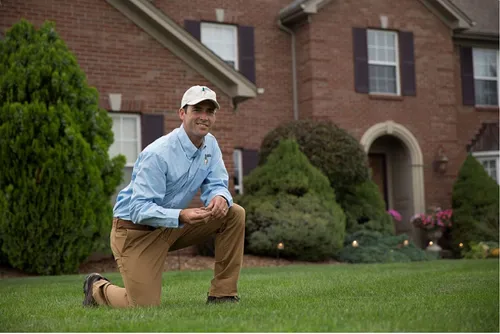
Lawn Doctor of West Houston is a lawn care company serving Houston, TX, and surrounding communities. They provide customized lawn fertilization, weed control, and pest control services tailored to each lawn's needs after a free evaluation. Their offerings include annual lawn care programs designed to maintain healthy, pest-free lawns year-round. The company emphasizes personalized treatment plans and flexible scheduling to accommodate customers' needs.
TLC Specialty Weed Control
1915 N Frazier St suite 102 f12, Conroe, TX 77301
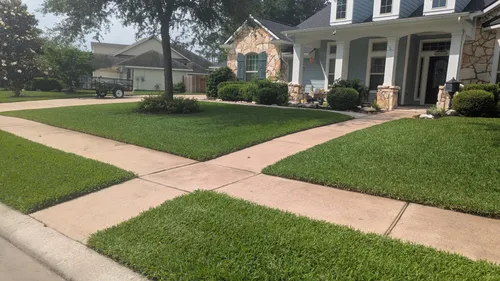
TLC Specialty Weed Control is a lawn care company based in Houston, TX, specializing in weed control and fertilization services. They offer personalized treatment plans for residential and commercial properties, including lawn pest control. The company serves Conroe, Spring, The Woodlands, and surrounding areas. Their approach includes a 9-step treatment plan carried out by trained technicians using quality lawn care products.
Bonita Bay Lawn Maintenance, LLC
9214 Barton Ct, La Porte, TX 77571
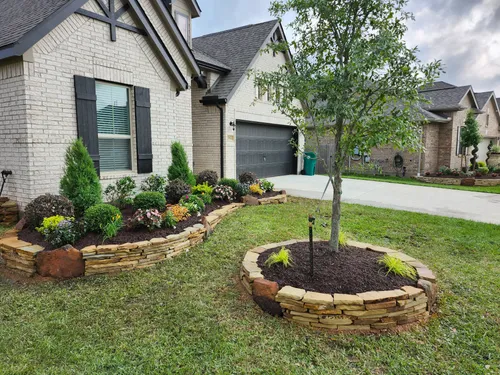
Bonita Bay Lawn Maintenance, LLC provides comprehensive lawn care and landscaping services in Houston, TX. They offer lawn maintenance including mowing and fertilization, landscaping with flowerbeds, mulch, trimming, weed control, and sod installation, as well as property clean-up services such as spring and fall clean-ups and junk removal. Their team focuses on creating and maintaining healthy, vibrant lawns that enhance outdoor spaces. Bonita Bay Lawn Maintenance serves the Houston area with a commitment to transforming lawns into attractive, well-kept environments.
The Grounds Guys of League City, Pearland and Friendswood
4105 FM 2351, Friendswood, TX 77546
The Grounds Guys of League City, Pearland and Friendswood provides comprehensive landscaping services in Houston, TX. They offer lawn mowing, fertilization, weed control, sod and artificial turf installation, landscape design, irrigation installation and repair, yard drainage, and hardscaping including patios and retaining walls. Their team customizes landscape plans based on site assessments and focuses on sustainable, drought-tolerant options to enhance outdoor spaces. Since 2015, they have served residential and commercial clients with tailored maintenance programs and outdoor improvements to keep properties healthy and attractive year-round.
Understanding Houston's Lawn Environment
Successful lawn nutrition and weed suppression starts with knowing what you're working with. Houston's climate is classified as humid subtropical, characterized by long, hot summers and mild winters. This climate supports specific grass types and presents distinct challenges for lawn health.
The most common turfgrasses in Houston are warm-season varieties, which grow actively in the heat and go dormant (turn brown) during cooler winter months. The primary types are:
- St. Augustine: A broad-leaf grass that is shade-tolerant and forms a thick carpet, but requires consistent moisture.
- Bermuda: A fine-textured, drought-tolerant grass that thrives in full sun and can handle heavy foot traffic.
- Zoysia: A slow-growing, dense grass that is both heat-tolerant and fairly drought-resistant once established.
While you might find cool-season grasses like Tall Fescue in North Texas, they are less common in Houston and require a completely different care schedule 1. Houston's soil is often heavy clay, which can compact easily, drain poorly, and make it difficult for grass roots to access nutrients and water. This makes soil conditioning a critical, though often overlooked, component of a comprehensive lawn feeding strategy.
The Annual Lawn Care Calendar for Houston
A proactive, calendar-based approach is the key to effective lawn nourishment and weed prevention. Reacting to problems after they appear is less effective and often more costly. Here is a month-by-month breakdown of a typical professional lawn care program in the Houston area.
January - February: Dormancy and Soil Preparation
While your grass is dormant and brown, this is a crucial time for preparation. Professionals often apply soil enhancers like humic acid to improve the structure of Houston's dense clay soil, increasing its ability to retain nutrients and support microbial life. This sets the stage for stronger root development when growth resumes.
February - March: Early Growth and Weed Barrier
As soil temperatures begin to warm, this is the most critical window for pre-emergent weed control. Applying a herbicide barrier before weed seeds germinate is far more effective than trying to eliminate them later. This application targets common summer annual weeds like crabgrass. This visit often includes the first feeding of the year with a balanced fertilizer to encourage a healthy green-up as the grass exits dormancy.
March - April: Active Growth and Targeted Treatment
With the lawn actively growing, a nitrogen-rich fertilizer application promotes lush, green growth to help the turf thicken and crowd out weeds. This is also the time for post-emergent weed control to spot-treat any weeds that have broken through, such as dandelions or clover. Visible weeds typically decline within 10-14 days after a professional post-emergent application.
April - June: Preparing for Summer Stress
As temperatures rise, the focus shifts from aggressive growth to lawn health and stress resistance. Treatments may include slow-release fertilizers that feed the lawn gradually, along with products to mitigate insect pressure (like chinch bugs in St. Augustine) and fungal diseases that thrive in humidity 2.
Find the perfect lawn treatment companies for your needs
Get personalized recommendations and expert advice
July - August: Peak Summer Maintenance
During the hottest months, the goal is to maintain lawn health without pushing excessive growth that requires more water. Light, balanced feedings are common. Weed and pest control continues as needed, with careful attention to irrigation to prevent drought stress without overwatering, which can invite disease 3.
September - October: Fall Preparation for Winter
This is the second most important time for pre-emergent weed control, targeting winter annual weeds like henbit and chickweed 4. A fall fertilizer application, typically higher in potassium, is vital for promoting root growth and winter hardiness, helping your lawn store energy for the dormant season and green up faster next spring 5.
November - December: Dormancy Prep
A final application of potassium may be applied to further strengthen roots for the winter 6. This is also a good time for aeration to relieve soil compaction, allowing water, air, and future nutrients to reach the root zone more effectively.
Weed Control Strategies: Pre-Emergent vs. Post-Emergent
Understanding the two main types of weed treatments is essential for effective lawn defense.
- Pre-Emergent Herbicides: Think of this as a preventive barrier. It is applied to the soil before weed seeds germinate, creating a layer that stops seedling development. Timing is absolutely critical-it must be applied when soil temperatures reach a specific point, typically in early fall and again in late winter/early spring in Houston 7 8.
- Post-Emergent Herbicides: This is a curative treatment applied directly to weeds that are already visible in your lawn. These products are designed to kill the existing plant. Selective post-emergents target specific weed types without harming your turfgrass, while non-selective types (like glyphosate) will kill any plant they contact 9.
A professional program strategically combines both approaches: pre-emergent for broad prevention and post-emergent for spot-cleaning breakthroughs, ensuring comprehensive weed management.
Investment in Lawn Health: Understanding Service Options
Professional lawn feeding and weed management is an investment in your property's curb appeal and long-term health. Services are typically offered as one-time treatments or, more commonly, as seasonal or annual programs.
- Per-Visit Treatments: A single application for fertilization or weed control typically ranges from $50 to $100 or more, depending on the size of your lawn and the specific products used 10.
- Annual Lawn Care Programs: These bundled plans offer scheduled care throughout the year and provide the best value and results. A basic annual fertilization plan may start around $300 to $600, while a comprehensive program that includes fertilization, weed control, insect control, and fungus control can range from $700 to over $2,000 annually 11 12. The final cost depends on key factors:
- Lawn Size: Most providers price services based on square footage. A typical suburban lawn in Houston ranges from 5,000 to 10,000 square feet.
- Service Frequency: Most annual plans include 5 to 8 scheduled visits per year.
- Service Scope: Adding aeration, soil amendments, or pest control will increase the cost.
- Grass Type and Condition: A neglected lawn with severe weed infestations may require more intensive initial treatments.
Frequently asked questions
Sources
Footnotes
-
When to Fertilize Lawns in Texas - LawnStarter - https://www.lawnstarter.com/blog/texas/when-to-fertilize-lawns-texas/ ↩
-
The Guide to Lawn Care in Houston | Services, Tips, and Costs! - https://evergreenlawncaretx.com/lawn-care-in-houston/ ↩
-
When to Fertilize Your Lawn in Houston, Texas - Silversand Services - https://www.silversandservices.com/blog/when-fertilize-lawn-houston-texas-schedule/ ↩
-
Lawn Fertilization Services Houston - Emerald Lawns - https://emeraldlawns.com/services/lawn-fertilization-houston-tx ↩
-
Fertilizing Texas Lawns - https://agrilifeextension.tamu.edu/wp-content/uploads/2025/06/Fertilizing-Texas-Lawns.pdf ↩
-
College Station & Houston Lawn Care Schedule - https://aggielandgreen.com/college-station-and-houston-lawn-care-schedule/ ↩
-
Affordable Lawn Care Plans & Pricing Options - TruGreen - https://www.trugreen.com/products-and-services ↩
-
Seasonal Lawn Care Timeline: What to Do Each Month in Texas - https://highergroundlm.com/seasonal-lawn-care-timeline-what-to-do-each-month-in-texas/ ↩
-
Houston Lawn Weeds: Summer Control and Care Guide - https://www.greengateturf.com/houston-lawn-weeds/ ↩
-
How Much Does TruGreen Cost? (2026) - HomeGuide - https://homeguide.com/costs/trugreen-cost ↩
-
Trusted 8-Step Lawn Fertilization Service in Houston, TX - https://www.greengateturf.com/fertilization/ ↩
-
How much does lawn care service cost? - Green Lawn Fertilizing - https://www.greenlawnfertilizing.com/blog/how-much-does-lawn-care-service-cost ↩