Find the Best Lawn Treatment Companies for Your Business
No obligation • Fast responses • Nationwide coverage

Why you can trust Landscape Atlas
Landscape Atlas is a leading United States resource for evaluating landscaping, lawn care, and outdoor service providers. Our team researches each category in depth, focusing on service quality, safety, and customer experience. Listings and rankings are based on independent criteria and user feedback, and companies cannot pay to influence our assessments or recommendations.
Search providers near you
Top Lawn Treatment Companies in Leander, Texas Ranked
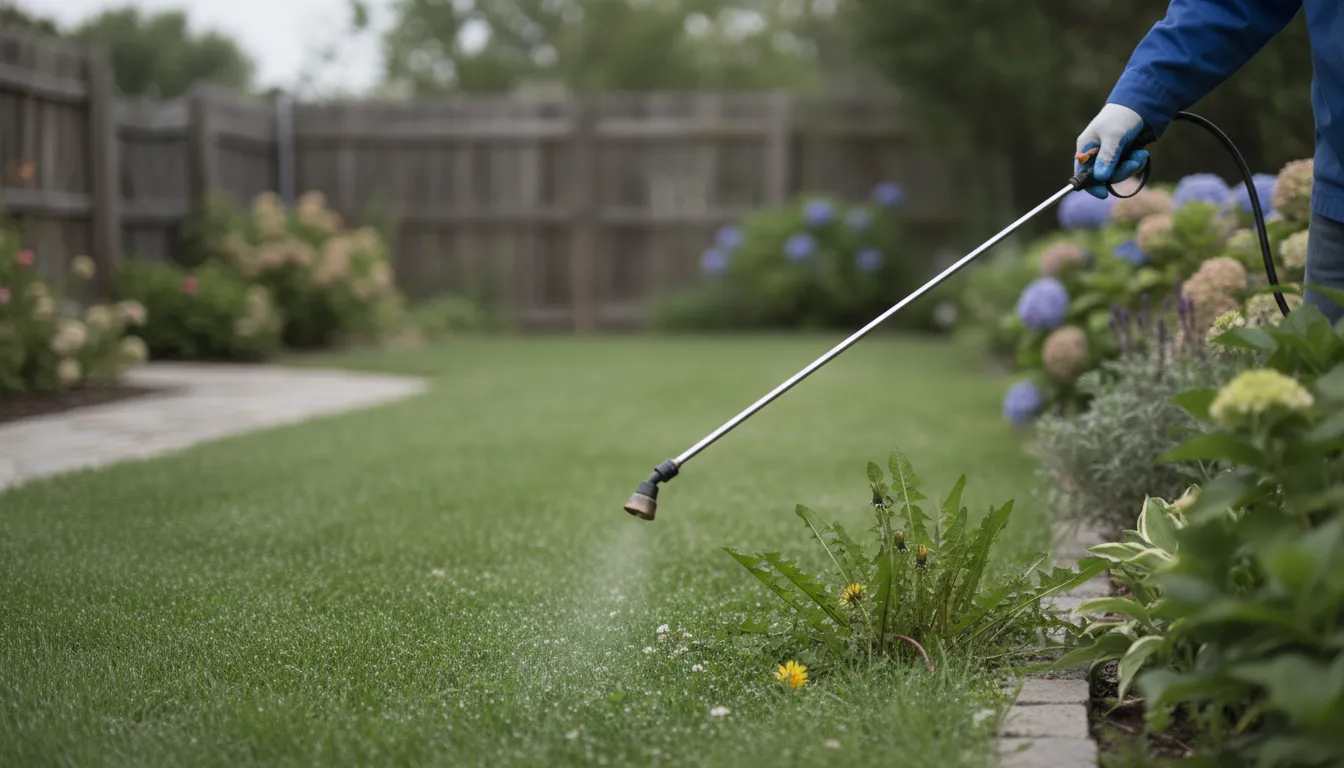
A healthy, vibrant lawn in Leander requires more than just regular mowing; it demands a strategic approach to feeding your grass and managing unwanted weeds. Lawn fertilization and weed control are essential services that provide your turf with the nutrients it needs to thrive in the Central Texas climate while preventing invasive plants from taking over. This guide will help you understand the local lawn care landscape, from seasonal schedules to soil considerations, so you can make informed decisions about maintaining your property.
Lucio Gonzales Lawn Maintenance and Flower Bed Services
Austin, TX
Lucio Gonzales Lawn Maintenance and Flower Bed Services is a lawn care and landscaping company based in Austin, TX. They offer a variety of services including lawn mowing, fertilization, weed control, flower bed creation, and hardscaping such as stone pavers and patios. Founded by Lucio Gonzales, a U.S. Army Veteran with over a decade of experience and formal training in landscape professional principles, the company serves both residential and commercial properties. Their approach focuses on personalized service tailored to each customer's needs.

Heroes Lawn Care
600 S Bell Blvd #201, Cedar Park, TX 78613
Heroes Lawn Care is a lawn care company based in Austin, TX, offering a variety of services including lawn fertilization, weed control, sprinkler installation and repair, and irrigation maintenance. Their team includes specialized groups such as the Fertilizer Force for aeration and nutrient application, the Irrigation Army for sprinkler system upkeep, and the Mosquito Legion for eco-friendly mosquito treatments. The company focuses on eco-friendly practices and advanced equipment to maintain healthy lawns and landscapes.
Chem-free Organic Pest & Lawn Services
9475 US-290, Austin, TX 78724
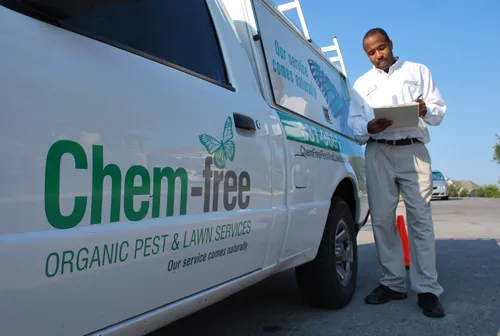
Chem-free Organic Pest & Lawn Services provides environmentally friendly pest control and lawn care in Austin, TX. They focus on low-impact, organic methods including pest management for roaches, ants, spiders, scorpions, rodents, termites, ticks, and fleas, as well as organic lawn fertilization and weed control. Their approach follows Integrated Pest Management principles, emphasizing ecosystem balance and minimizing chemical use. Chem-free also serves commercial clients in the greater Austin area, including nearby communities such as Buda, Cedar Park, and Round Rock. The company has been serving customers for over 22 years, offering sustainable solutions that prioritize environmental stewardship.

ABC Home & Commercial Services
9016 Old Manor Rd, Austin, TX 78724
ABC Home & Commercial Services offers a wide range of landscaping and outdoor improvement services in Austin, TX. Their team handles everything from lawn care, fertilization, and weed control to sod installation, fence building, landscape lighting, and tree services. They also specialize in hardscaping projects such as patios, retaining walls, and outdoor kitchens, and provide solutions for yard drainage and irrigation systems. ABC is a certified Belgard installer with decades of experience creating customized landscape designs that suit various styles and climates, including water-wise and drought-resistant options. They work closely with clients to develop and implement projects in stages if needed, and can perform work while homeowners are away for convenience.

Beny's Tree Service
9530 US-290 Service Rd, Austin, TX 78724
Beny's Tree Service is a certified tree care company based in Austin, TX. They offer a range of services including tree trimming, tree removal, stump grinding, brush removal, lot clearing, storm cleanup, roof cleaning, and lawn fertilization. Their team includes ISA Certified Arborists who ensure proper care and maintenance of trees. Beny's Tree Service provides 24/7 storm cleanup and emphasizes safe practices and thorough property cleanup after tree removal. They serve Austin and surrounding areas such as Georgetown, Buda, and Round Rock.
Understanding Leander's Lawn Environment
Successful lawn care starts with knowing what you're working with. Leander's environment presents specific challenges and opportunities for turf health.
Grass Types: The majority of lawns in Leander are warm-season grasses, perfectly adapted to the hot summers. Bermuda grass is extremely common due to its drought tolerance and durability. St. Augustine grass is another popular choice, valued for its lush, broad blades and shade tolerance, though it requires more water. You may also find Zoysia and native Buffalograss 1. In some shaded or cooler microclimates, cool-season grasses like Tall Fescue are also grown, but they require different care schedules.
Soil Conditions: One of the most critical factors is the prevalent clay soil. This soil type has a naturally high pH, often around 7.9, which can lock up essential nutrients like iron and phosphorus, making them unavailable to grass roots 2. This is why a simple fertilizer application may not be enough; soil health management is key. Clay soil also compacts easily, leading to poor drainage and oxygen deprivation for roots.
Climate Challenges: Leander experiences long, hot summers and occasional dry spells, placing stress on lawns. This environment is also hospitable to common lawn pests such as grubs (which are active from March through November) and chinch bugs, as well as diseases like Brown Patch 3. Effective lawn nutrition and weed management strengthens your grass to better resist these pressures.
The Essential Seasonal Schedule for Lawn Care
A proactive, calendar-based approach is the cornerstone of effective lawn fertilization and weed control. Timing applications correctly maximizes their effectiveness and promotes a resilient lawn year-round.
Late Winter to Spring (February - April)
This is a critical window for setting up your lawn for success. As soil temperatures begin to warm, the focus is on preventing weeds and encouraging robust growth.
- Pre-Emergent Weed Control: The first major application of the year is a pre-emergent herbicide, typically applied in late February or March. This creates a barrier in the soil that stops crabgrass and other summer annual weeds from germinating.
- Spring Fertilization: Once the grass breaks dormancy (usually by early April), a nitrogen-rich fertilizer is applied to fuel the green-up and rapid growth phase 4.
- Early Pest Control: Grub prevention treatments are often applied in the spring to control larvae before they can damage roots.
Summer (May - August)
The goal shifts to maintaining health and managing stressors during the peak of heat.
- Post-Emergent Weed Control: For any weeds that have broken through, targeted post-emergent spot treatments are used.
- Balanced Nutrition: Fertilizer applications continue but may use formulas that support heat tolerance without pushing excessive growth that requires more water.
- Pest & Disease Monitoring: Vigilance for chinch bugs, which love St. Augustine grass, and fungal diseases like Brown Patch, which thrive in humidity, is essential 5.
Fall (September - November)
Fall is arguably the most important season for strengthening your lawn, particularly for root development.
- Fall Pre-Emergent: A second pre-emergent application in September or October is crucial to prevent winter weeds like poa annua (annual bluegrass) and henbit 6.
- Root-Feeding Fertilizer: Fertilizer with higher potassium and phosphorus promotes deep root growth, helping the lawn survive the winter and bounce back stronger in spring.
- Core Aeration: This service, highly recommended for compacted clay soils, is ideally performed in the fall. It pulls plugs of soil out, allowing air, water, and nutrients to reach the root zone more effectively 7.
Winter (December - January)
Lawns are mostly dormant, so care is minimal but strategic.
- Dormant Feeding: Some programs include a winterizer fertilizer to nourish the roots even while the top growth has slowed 8.
- Planning: This is the ideal time to assess your lawn's performance over the past year and plan your service program for the year ahead.
Find the perfect lawn treatment companies for your needs
Get personalized recommendations and expert advice
Common Service Programs and Investment
Professional lawn care providers in Leander typically offer structured programs designed to handle the seasonal schedule for you. These are often tiered plans based on the level of attention your lawn requires.
Basic Fertilization & Weed Control Programs: These foundational plans usually include the core seasonal applications-primarily pre-emergent and fertilizer-spread across 5 to 8 visits per year 9. They are designed to maintain a decent lawn and prevent major weed outbreaks. Investment for an annual contract often ranges from $300 to $600+ per year.
Comprehensive Lawn Care Programs: For homeowners seeking a thicker, healthier, and more resilient lawn, comprehensive plans add more services. These may include grub and insect control, disease prevention, liquid aeration, and soil amendments to address pH imbalances. These full-service programs can range from approximately $450 to $2,000+ annually, depending on lawn size and service intensity 10.
Flexible or A-La-Carte Services: Many companies also offer individual visits for specific needs, such as a one-time post-emergent weed treatment or a fall aeration service. Spot treatment for weeds might cost between $50 and $100 per visit.
Monthly billing options are common, with many basic plans starting in the range of $39 to $79 per month 11 12. It's important to get a detailed quote that outlines exactly which applications and services are included in each visit.
Key Considerations for Leander Homeowners
When evaluating lawn care options, keep these local factors in mind:
- Soil Testing is Invaluable: Given the high-pH clay soil, a professional soil test can reveal exactly what nutrients are lacking. This allows for customized fertilizer blends rather than a one-size-fits-all approach, leading to better results and potentially lower long-term costs.
- Irrigation is a Partner Service: Fertilizer and weed control products often need to be watered in to be effective. An inconsistent or broken irrigation system can render an expensive application useless. Ensuring your sprinklers are working properly is a critical step.
- The Importance of Moisture Management: During Leander's hot, dry periods, proper watering is as important as fertilizing. Deep, infrequent watering encourages deeper roots. Many lawn care professionals can provide guidance on optimal watering schedules for your specific grass type.
- Ask About Product Types: Inquire whether a company uses slow-release or quick-release fertilizers. Slow-release formulas feed the lawn gradually over time, providing more consistent nutrition and reducing the risk of burn, which is often a better choice for the local climate.
Choosing a provider who understands these Leander-specific conditions will make a significant difference in the health and appearance of your lawn.
Frequently asked questions
Sources
Footnotes
-
Lawn Care in Leander, TX from $55 | 6,000+ 5-Star Reviews - https://www.getsunday.com/local-guide/lawn-care-in-leander-tx ↩
-
7 Application Lawn Care Program League City, TX - https://lawnpride.com/league-city-pearland-friendswood/7-application-program/ ↩
-
Leander, TX Lawn Care Services - https://greendreamlawns.com/service-areas/leander-tx/ ↩
-
When to Fertilize Your Lawn in Texas - https://justrightlawns.com/blog/when-fertilize-your-lawn-texas ↩
-
Lawn Fertilization and Weed Control for Greater Austin - https://emeraldlawns.com/services/lawn-fertilization-services-austin/ ↩
-
Effective Weed & Pest Control in Leander TX - https://www.oakgrovelawnandlandscape.com/services/leander-landscaping/weed-and-pest-control-leander ↩
-
Leander, TX Lawn Care & Pest Control Services - https://www.drtex.co/leander-tx/ ↩
-
Leander TX Lawn Care & Mowing Services - From $19 - LawnStarter - https://www.lawnstarter.com/leander-tx-lawn-care ↩
-
Texas Lawn Fertilization and Weed Control - https://emeraldlawns.com/texas-lawn-fertilization-weed-control ↩
-
How much does lawn care service cost? - Green Lawn Fertilizing - https://www.greenlawnfertilizing.com/blog/how-much-does-lawn-care-service-cost ↩
-
Property Care Packages | Grassperson Lawn Care & Landscape - https://www.grassperson.com/property-care-packages-grassperson ↩
-
How Much Does TruGreen Cost? (2026) - HomeGuide - https://homeguide.com/costs/trugreen-cost ↩