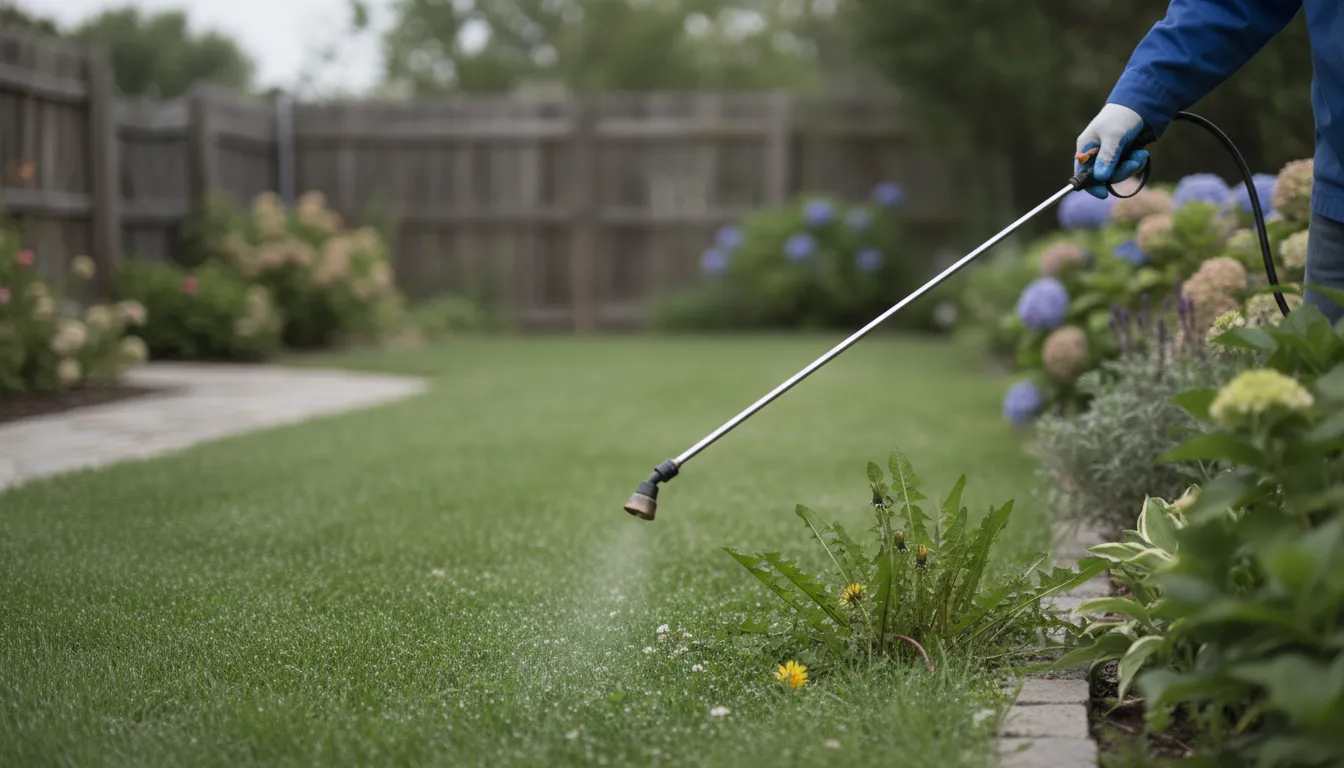
Find the Best Lawn Treatment Companies for Your Business
No obligation • Fast responses • Nationwide coverage

Why you can trust Landscape Atlas
Landscape Atlas is a leading United States resource for evaluating landscaping, lawn care, and outdoor service providers. Our team researches each category in depth, focusing on service quality, safety, and customer experience. Listings and rankings are based on independent criteria and user feedback, and companies cannot pay to influence our assessments or recommendations.
Search providers near you
Top Lawn Treatment Companies in Round Rock, Texas Ranked
A healthy, vibrant lawn is more than just a patch of green; it's a living ecosystem that enhances your property's curb appeal and provides a space for relaxation. In Round Rock, achieving that lush, weed-free turf requires a specialized approach tailored to our local climate, soil, and grass types. This guide explains the essential components of professional lawn nutrition and weed management, helping you understand the services available to protect and nurture your outdoor investment throughout the year.
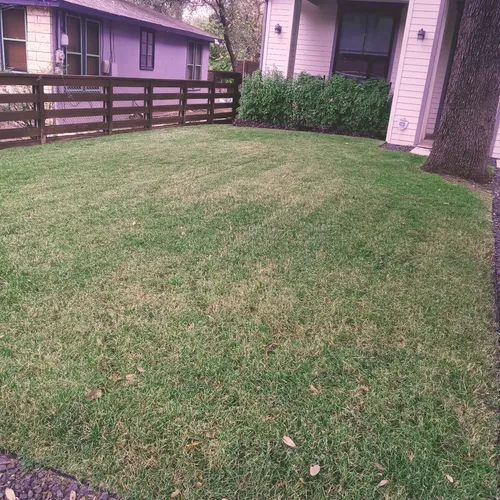
Lucio Gonzales Lawn Maintenance and Flower Bed Services
Austin, TX
Lucio Gonzales Lawn Maintenance and Flower Bed Services is a lawn care and landscaping company based in Austin, TX. They offer a variety of services including lawn mowing, fertilization, weed control, flower bed creation, and hardscaping such as stone pavers and patios. Founded by Lucio Gonzales, a U.S. Army Veteran with over a decade of experience and formal training in landscape professional principles, the company serves both residential and commercial properties. Their approach focuses on personalized service tailored to each customer's needs.

Heroes Lawn Care
600 S Bell Blvd #201, Cedar Park, TX 78613
Heroes Lawn Care is a lawn care company based in Austin, TX, offering a variety of services including lawn fertilization, weed control, sprinkler installation and repair, and irrigation maintenance. Their team includes specialized groups such as the Fertilizer Force for aeration and nutrient application, the Irrigation Army for sprinkler system upkeep, and the Mosquito Legion for eco-friendly mosquito treatments. The company focuses on eco-friendly practices and advanced equipment to maintain healthy lawns and landscapes.
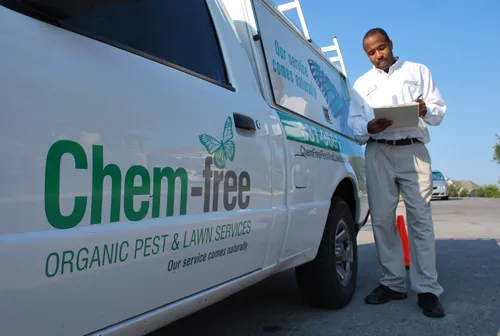
Chem-free Organic Pest & Lawn Services
9475 US-290, Austin, TX 78724
Chem-free Organic Pest & Lawn Services provides environmentally friendly pest control and lawn care in Austin, TX. They focus on low-impact, organic methods including pest management for roaches, ants, spiders, scorpions, rodents, termites, ticks, and fleas, as well as organic lawn fertilization and weed control. Their approach follows Integrated Pest Management principles, emphasizing ecosystem balance and minimizing chemical use. Chem-free also serves commercial clients in the greater Austin area, including nearby communities such as Buda, Cedar Park, and Round Rock. The company has been serving customers for over 22 years, offering sustainable solutions that prioritize environmental stewardship.

ABC Home & Commercial Services
9016 Old Manor Rd, Austin, TX 78724
ABC Home & Commercial Services offers a wide range of landscaping and outdoor improvement services in Austin, TX. Their team handles everything from lawn care, fertilization, and weed control to sod installation, fence building, landscape lighting, and tree services. They also specialize in hardscaping projects such as patios, retaining walls, and outdoor kitchens, and provide solutions for yard drainage and irrigation systems. ABC is a certified Belgard installer with decades of experience creating customized landscape designs that suit various styles and climates, including water-wise and drought-resistant options. They work closely with clients to develop and implement projects in stages if needed, and can perform work while homeowners are away for convenience.
Beny's Tree Service
9530 US-290 Service Rd, Austin, TX 78724
Beny's Tree Service is a certified tree care company based in Austin, TX. They offer a range of services including tree trimming, tree removal, stump grinding, brush removal, lot clearing, storm cleanup, roof cleaning, and lawn fertilization. Their team includes ISA Certified Arborists who ensure proper care and maintenance of trees. Beny's Tree Service provides 24/7 storm cleanup and emphasizes safe practices and thorough property cleanup after tree removal. They serve Austin and surrounding areas such as Georgetown, Buda, and Round Rock.
Understanding Your Round Rock Lawn
The foundation of effective lawn care begins with knowing what you're working with. Round Rock lawns are predominantly warm-season grasses, each with unique characteristics and needs.
- Bermudagrass: Known for its durability and fine texture, Bermuda thrives in full sun and is highly drought-tolerant once established. It recovers well from damage but can be invasive into flower beds.
- Zoysiagrass: A favorite for its soft, dense turf and good shade tolerance compared to Bermuda. It establishes slowly but forms a tough, weed-resistant mat.
- St. Augustinegrass: The most shade-tolerant of the warm-season grasses common here, St. Augustine provides a thick, coarse-bladed lawn. It requires more water and is susceptible to certain pests like chinch bugs.
Beyond grass type, local environmental factors present ongoing challenges. Our clay-heavy soils are prone to compaction, which restricts root growth and water penetration. Combined with the region's intense summer heat, these conditions can stress turf, making it more vulnerable to weeds and disease. Common invasive weeds like dalligrass and crabgrass find these stressed lawns an easy target.
The Round Rock Lawn Care Calendar: A Seasonal Approach
Professional lawn fertilization and weed control isn't a one-time event; it's a year-round program designed to support your grass through its natural growth cycles. Most local providers offer programs with 6 to 9 visits annually, strategically timed to soil temperatures and plant biology.
Spring (March - May): Awakening and Fortifying
As soil temperatures consistently reach the mid-50s, your lawn exits dormancy. Spring services focus on encouraging strong, healthy growth to outcompete weeds.
- Early Pre-Emergent Weed Control: Applied in early spring, this creates a barrier in the soil to prevent weed seeds (like crabgrass) from germinating. Timing is critical for effectiveness.
- Balanced Fertilization: A light, balanced feeding provides the nutrients needed for the initial green-up and growth surge.
- Soil Conditioning: Applications of humic or fulvic acids help improve soil structure, enhance nutrient availability, and mitigate the effects of compacted clay.
Summer (June - August): Sustaining and Protecting
The goal shifts to maintaining health and color through the stress of peak heat.
- Post-Emergent Weed Control: Spot treatments target weeds that have broken through, such as stubborn dalligrass.
- Pest and Disease Monitoring: Technicians watch for signs of chinch bugs in St. Augustine or fungal diseases exacerbated by humidity, applying treatments as needed.
- Balanced Nutrition: Fertilizer applications are carefully calibrated to support growth without promoting excessive, disease-prone foliage.
Fall (September - November): Strengthening and Preparing
This is arguably the most important season for long-term lawn health, as treatments help the grass store energy for winter and the following spring.
- Winterizing Fertilizer: A key application of slow-release fertilizer, often higher in potassium, strengthens grass roots and improves winter hardiness 1.
- Fall Pre-Emergent: This application targets winter annual weeds like poa annua (annual bluegrass), which germinate in the fall 2.
- Aeration Overseeding (if applicable): For lawns with thin areas, fall is the ideal time for core aeration to relieve compaction and overseeding to introduce new grass.
Winter (December - February): Planning and Maintenance
While grass is dormant, care continues.
- Soil Conditioning: Treatments may continue to build organic matter in the soil.
- Dormant Feeding: In milder winters, a light feeding can be beneficial.
- Program Planning: Professionals assess the lawn and finalize the schedule for the upcoming growing season.
Find the perfect lawn treatment companies for your needs
Get personalized recommendations and expert advice
Core Services in a Professional Program
A comprehensive lawn health program integrates several key components that work together.
Customized Fertilization Beyond simple nitrogen-phosphorus-potassium (N-P-K) blends, quality programs use fertilizers enhanced with micronutrients like iron, which is crucial for deep green color in alkaline Texas soils. The blend and release formula (quick vs. slow-release) are adjusted for each seasonal visit.
Integrated Weed Management This two-pronged strategy is essential for control:
- Pre-Emergent Herbicides: Applied in spring and fall, these form a chemical barrier at the soil surface, stopping weeds before they ever appear.
- Post-Emergent Herbicides: Used for spot-treatment of existing weeds. Selective herbicides target specific weeds without harming your grass, while non-selective options (like those used for edging) must be applied with care 3 4.
Soil Health Optimization Given our challenging clay soils, improving the soil itself is a priority. Regular applications of liquid soil conditioners containing humic substances can help break up compaction, increase water retention, and make applied fertilizers more efficient, leading to a healthier root system 5 6.
Pest and Disease Control Monitoring is built into service visits. Proactive or reactive treatments address common issues like chinch bugs (which can devastate St. Augustine), grubs, and fungal diseases such as brown patch or take-all root rot, which thrive in our humid periods 7 8.
Understanding Investment and Value
The cost of professional lawn fertilization and weed control in Round Rock varies based on several factors. Most companies structure pricing around a per-visit rate or an annual program fee.
- Per-Visit Cost: You can typically expect a range of $70 to $150 or more per application. The wide range accounts for lawn size, which is the primary driver 9 10.
- Annual Program Cost: A basic annual fertilization program might start around $300 to $600, while a full-service plan that includes fertilizer, weed control, and insect management will be higher. Many providers offer a discount for paying for the full program upfront 11 12.
- Key Cost Factors:
- Lawn Size: Measured in square feet or thousand-square-foot increments ("per k sq ft").
- Grass Type & Condition: Some grasses or lawns with existing problems may require more specialized products.
- Service Frequency & Scope: A 9-visit program with aeration will cost more than a 6-visit basic plan.
- Soil Quality: Severely compacted or nutrient-deficient soil may need initial corrective treatments.
When evaluating providers, look for detailed proposals that break down the services included in each visit and guarantee their weed control applications. The value lies not just in a green lawn today, but in the long-term health and resilience of your turf, saving you money and effort on repairs and renovations down the line.
Choosing the Right Service for Your Lawn
Selecting a provider is about finding a partner who understands local conditions. Look for companies that offer a free, on-site analysis. A good technician will examine your grass type, soil, shade patterns, and existing issues before making a recommendation. They should clearly explain their seasonal schedule, the specific products they use and why, and provide a detailed service record after each visit. Inquire about their experience with your specific grass type and their approach to environmental stewardship, such as using targeted applications to minimize product use. Ultimately, the right service will provide you with a clear, science-based plan to achieve a healthy, beautiful lawn that fits your Round Rock landscape.
Frequently asked questions
Sources
Footnotes
-
What Can You Expect From Our 6-Treatment Lawn Care Program? - https://brooklawnservices.com/what-can-you-expect-from-our-6-treatment-lawn-care-program/ ↩
-
Our Year Round Lawn Care Program in North Texas | Gecko Green - https://geckogreen.com/year-round-lawn-care-program ↩
-
Lawn Fertilization & Weed Control Services - https://emeraldlawns.com/services/lawn-fertilization-weed-control ↩
-
Round Rock, TX Lawn Fertilization and Weed Control Services - https://emeraldlawns.com/round-rock-tx-lawn-fertilization-weed-control-services ↩
-
Lawn Fertilization and Weed Control for Greater Austin - https://emeraldlawns.com/services/lawn-fertilization-services-austin/ ↩
-
Fertilization | Austin, Round Rock, & Cedar Park, TX - https://www.drtex.co/fertilization/ ↩
-
Weed & Pest Control Services in Round Rock, TX - https://www.oakgrovelawnandlandscape.com/services/weed-fertilizer-insecticide-round-rock ↩
-
Lawn Care in Round Rock, TX from $55 | 6000+ 5-Star Reviews - https://www.getsunday.com/local-guide/lawn-care-in-round-rock-tx ↩
-
Affordable Lawn Maintenance & Treatment - https://lawnpride.com/7-application-program/ ↩
-
How much does lawn care service cost? - Green Lawn Fertilizing - https://www.greenlawnfertilizing.com/blog/how-much-does-lawn-care-service-cost ↩
-
Round Rock, TX | Lawn Care & Pest Control Experts - https://emeraldlawns.com/locations/round-rock-tx/ ↩
-
Lawn Care in Round Rock, TX - Just Right Lawns - https://justrightlawns.com/austin-tx/lawn-care-round-rock ↩