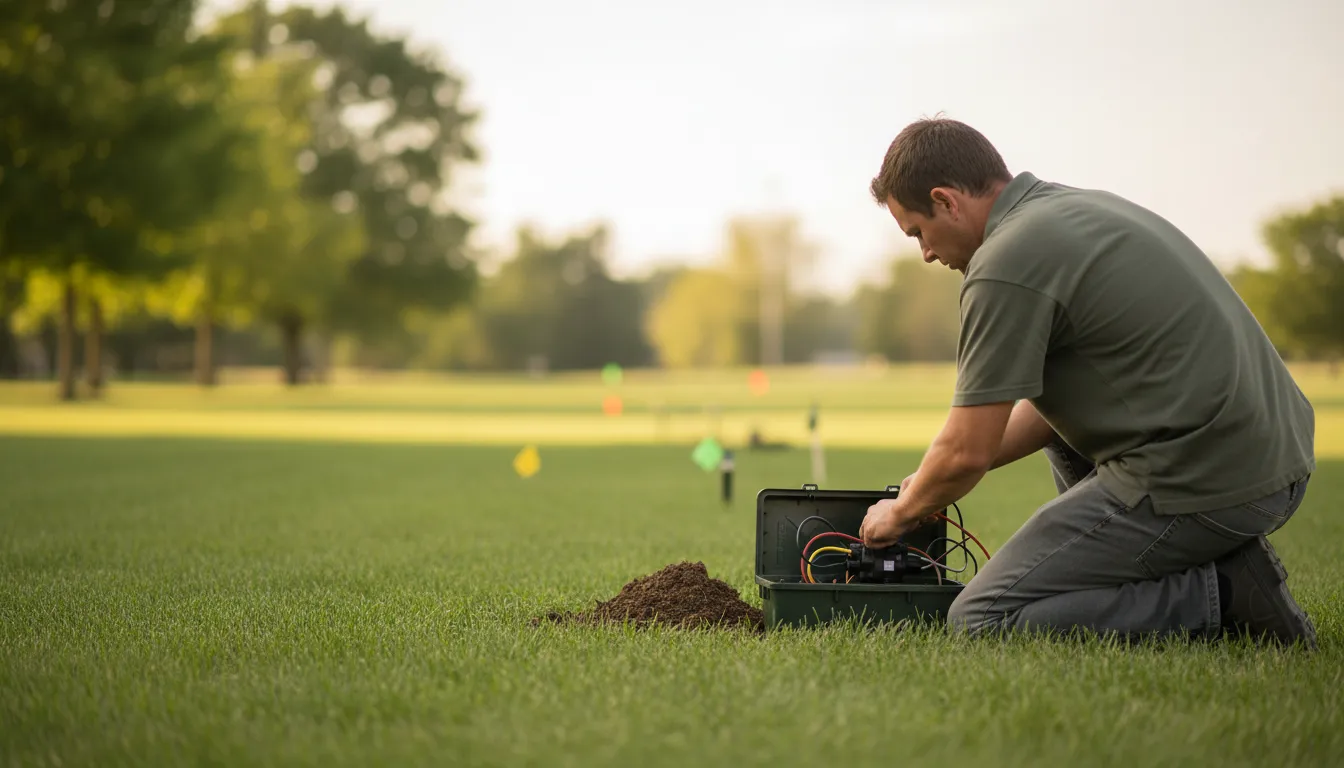
Find the Best Sprinkler & Irrigation Companies for Your Business
No obligation • Fast responses • Nationwide coverage

Why you can trust Landscape Atlas
Landscape Atlas is a leading United States resource for evaluating landscaping, lawn care, and outdoor service providers. Our team researches each category in depth, focusing on service quality, safety, and customer experience. Listings and rankings are based on independent criteria and user feedback, and companies cannot pay to influence our assessments or recommendations.
Search providers near you
Best Sprinkler & Irrigation Companies in Texas Ranked
A well-designed sprinkler and irrigation system is a cornerstone of a healthy, beautiful Texas landscape. It ensures your lawn, garden, and trees receive the right amount of water efficiently, which is crucial in a state known for its heat and periodic drought. Navigating local watering rules, system design, and installation can be complex. This guide helps you understand the process, regulations, and options for finding qualified professionals to install or maintain your system.
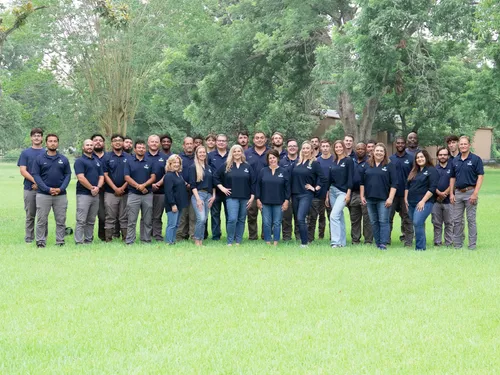
Southwest Irrigations Systems
6739 Theall Rd Suite A, Houston, TX 77066
Southwest Irrigation Systems is a Houston, TX-based company specializing in sprinkler system installation and repair, yard drainage, grading services, and outdoor landscape lighting. Serving the greater Houston area, they have over 35 years of experience providing irrigation and drainage maintenance along with outdoor lighting solutions. The company is licensed in Texas and is affiliated with local irrigation and turf associations. Their team is known for using top-quality parts and delivering thorough, professional service.
Sprinkler Repair Pros
Austin, TX
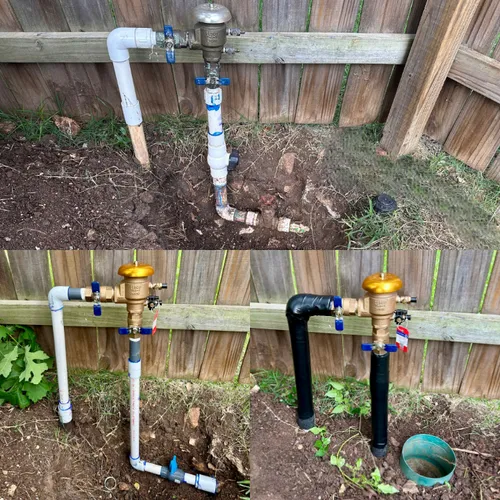
Sprinkler Repair Pros is a licensed irrigation and sprinkler service provider based in Austin, TX, serving the city and Central Texas communities including Round Rock. They offer full-service sprinkler repair, irrigation installation, system upgrades, and outdoor improvements such as sod installation and hardscaping. The team specializes in repairing leaks, broken pipes, and valves, as well as installing commercial-grade irrigation systems designed for water efficiency. Established in 2008, they bring over 14 years of experience and focus on smart water-saving solutions and flexible scheduling to meet customer needs.
Repair Masters Sprinkler Repair LLC
Fort Worth, TX
Repair Masters Sprinkler Repair LLC provides sprinkler installation and repair services in Fort Worth, TX. They handle residential and commercial irrigation systems throughout Tarrant County, including many surrounding communities. The company is experienced in repairing various sprinkler brands and systems, ensuring custom solutions tailored to each property. Their expertise covers a wide range of sprinkler issues, making them a resource for comprehensive irrigation maintenance and repair.
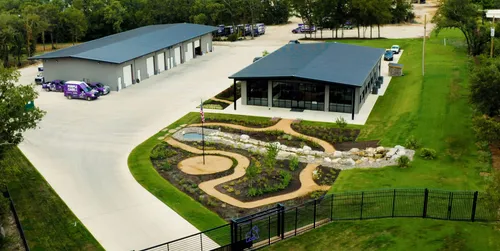
Purple Care Keller Lawn Care & Pest Control
1722 Keller Pkwy, Keller, TX 76248
Purple Care Keller Lawn Care & Pest Control has been serving residential and commercial properties in Arlington, TX since 1993. They offer lawn care, pest control, and irrigation services tailored to each property's needs. Their capabilities include proprietary lawn fertilization and weed control formulas, pest exclusion and remediation, and premium irrigation system installation and repair. The company partners with Texas A&M University to implement sustainable agricultural technologies and focuses on eco-friendly solutions to maintain healthy lawns and pest-free environments.

M&M Sprinklers
Lubbock, TX
M&M Sprinklers is a sprinkler installation and repair company based in Lubbock, TX. They provide services for both residential and commercial properties, including custom sprinkler system design, repair, and backflow testing to maintain healthy lawns and secure water supplies. Founded in 1982 by Harvey McLarty and his brother Randy, the company has a long history in irrigation and specializes in system renovations and updates, even for systems they did not originally install.
Understanding Texas Irrigation Systems
An irrigation system is more than just sprinkler heads popping up from the ground. It's a carefully engineered network designed to deliver water precisely where it's needed. In Texas, systems are broadly categorized into two main types: spray/rotor systems and drip irrigation.
Spray and Rotor Systems are the most common for turf areas. Spray heads cover smaller, fixed patterns and are ideal for flower beds and narrow strips. Rotors cover larger areas with a rotating stream, making them perfect for big lawns. These systems are effective but require proper zoning and scheduling to avoid water waste, especially under Texas sun and wind 1.
Drip Irrigation is a highly efficient method that delivers water slowly and directly to the root zone of plants through a network of tubing and emitters. It's excellent for garden beds, shrubs, trees, and foundation watering, as it minimizes evaporation and runoff. Drip systems require specific planning and are often used in conjunction with traditional sprinklers in a hybrid design 2 3.
Modern systems integrate smart controllers, which are Wi-Fi enabled devices that automatically adjust watering schedules based on local weather data, soil moisture, and evaporation rates. This technology is key to complying with local watering restrictions and conserving water 4.
The Professional Installation Process in Texas
Installing a new irrigation system in Texas is a regulated process that should be handled by a licensed professional to ensure safety, efficiency, and compliance with state law.
- Design & Planning: A licensed irrigator will assess your property, considering soil type, sun exposure, plant types, and water pressure. They create a detailed plan that meets Texas Commission on Environmental Quality (TCEQ) standards and local municipal codes. This plan includes zoning (grouping plants with similar water needs) and mandatory backflow prevention devices to protect the public water supply.
- Permitting: Before any digging begins, your irrigator must submit the design plans to your city's development services department or water utility (like SAWS in San Antonio) for review and approval. A permit is required for all new installations, and the city will provide an inspection schedule.
- Installation: The crew will trench for mainlines and lateral pipes, install valves in valve boxes, place sprinkler heads or drip emitters, and connect the system to your water source and controller. Proper installation ensures even coverage and long-term reliability.
- Inspection & Walkthrough: After installation, a city inspector will visit to verify the system matches the approved plans and that backflow prevention is correctly installed. Once it passes, your irrigator will provide a final walkthrough, showing you how to operate the controller and maintain the system.
Find the perfect sprinkler & irrigation companies for your needs
Get personalized recommendations and expert advice
Texas Watering Rules and Conservation
Water conservation is a serious matter in Texas. Most cities have permanent, year-round watering ordinances designed to reduce waste. While specific rules vary by municipality, common restrictions include 5:
- Frequency: Outdoor watering with sprinkler systems is often limited to twice per week on designated days based on your street address.
- Time of Day: Watering is typically prohibited between 10 a.m. and 6 p.m. when evaporation rates are highest. Watering must be done in the early morning or evening.
- No Waste: Rules prohibit water runoff into streets, broken or misaligned sprinkler heads, and watering during or immediately after measurable rainfall.
Smart irrigation controllers are invaluable tools for automatically adhering to these rules. Homeowners are responsible for understanding and following their local ordinances, which can be found on their city or water utility website.
Cost Considerations for Installation and Repair
The investment in a sprinkler system varies based on property size, system complexity, and local factors.
- New System Installation: For a typical residential property in Texas, you can expect a starting range of $2,500 to $8,000 or more 6. Key cost factors include:
- Property Size: Larger lawns require more piping, heads, and zones.
- System Type: Adding drip irrigation zones or high-efficiency rotors increases cost.
- Water Pressure & Source: Properties with low pressure may need a booster pump.
- Soil & Terrain: Rocky soil or slopes increase labor and material costs for trenching and specialized equipment 7.
- Repairs and Maintenance: Ongoing upkeep is essential. A basic system check and tune-up might start around $65 for a limited number of zones 8. More extensive repairs for broken pipes, valves, or heads are typically billed by the hour plus the cost of parts. Regular maintenance prevents small issues from becoming costly problems.
Key Regulations and Compliance
Texas state law mandates that all new irrigation system installations and major alterations be performed by a TCEQ-licensed irrigator. This license ensures the individual has the training to design systems that comply with state standards, including proper backflow prevention-a critical safety device 9 10 11.
Homeowner Permits: Even if you are installing the system yourself on your own property, you are generally still required to pull a permit and have the plans and final installation inspected by the city to ensure it meets code, especially for backflow prevention 12. It is highly recommended to use a licensed professional for the design and critical connection work.
Always check with your local water utility and city development department for their specific plan submission requirements, permit fees, and inspection processes before starting any project 13.
Choosing and Maintaining Your System
When selecting a system, think long-term. A well-designed, zoned system with a smart controller may have a higher upfront cost but will save water and money over time. For maintenance, consider a start-of-season inspection to activate the system and check for winter damage, and an end-of-season blow-out (in areas with freezing potential) to prevent pipe bursts.
Partnering with a knowledgeable, licensed Texas irrigator is the best way to ensure your system is efficient, compliant, and tailored to your landscape's needs.
Frequently asked questions
Sources
Footnotes
-
Guide to Buying and Installing a Sprinkler System - https://lookforther.realtor/improve/guide-to-buying-and-installing-a-sprinkler-system/ ↩
-
Is a Sprinkler System Worth the Monthly Water Bill? - https://www.groundsguys.ca/blog/2018/may/is-a-sprinkler-system-worth-the-monthly-water-bi/ ↩
-
Irrigation Zones Explained: Smarter Landscaping for Your Yard - https://structurelandscapes.com/irrigation-zones-explained-smarter-landscaping-for-every-corner-of-your-yard-essential-guide-for-efficient-water-management/ ↩
-
What's New in Lawn Sprinkler System Technology? - https://www.networx.com/article/lawn-sprinkler-system-news ↩
-
Irrigation Insights: Smart Watering for Fort Worth - https://www.fortworthtexas.gov/departments/water/savefwwater/irrigation ↩
-
Cost Of Installing A New Sprinkler System | 2025 Guide - https://fixmyheads.com/blog/how-much-do-home-sprinklers-cost-to-install/ ↩
-
Cost To Install New Sprinkler System in Austin TX - https://fixmyheads.com/new-sprinkler-system/pricing/ ↩
-
San Antonio - Texas | Our Prices - Lone Star Sprinkler Systems - https://lonestarsprinklers.com/pricing.html ↩
-
Landscape Irrigation. A "Take Care of Texas" Guide (GI-409) - https://www.ugra.org/assets/pdfs/TCOTirrigationGI-409.pdf ↩
-
9.3 Enforcement of Texas Irrigation Standards Applicability Description - https://www.twdb.texas.gov/conservation/BMPs/Mun/doc/2020%20Update%20Files/9.3%20Enforcement%20of%20Irrigation%20Standards%20BMP.pdf ↩
-
Landscape Irrigation: Requirements and Resources - https://www.tceq.texas.gov/drinkingwater/irrigation/irr_helpres.html ↩
-
Irrigation System Requirements - the City of Fort Worth - https://www.fortworthtexas.gov/departments/water/savefwwater/irrigation/system-requirements ↩
-
Irrigation Plan Review Program - San Antonio Water System - https://www.saws.org/conservation/irrigation-plan-review-program/ ↩