Find the Best Sprinkler & Irrigation Companies for Your Business
No obligation • Fast responses • Nationwide coverage

Why you can trust Landscape Atlas
Landscape Atlas is a leading United States resource for evaluating landscaping, lawn care, and outdoor service providers. Our team researches each category in depth, focusing on service quality, safety, and customer experience. Listings and rankings are based on independent criteria and user feedback, and companies cannot pay to influence our assessments or recommendations.
Search providers near you
Top Sprinkler & Irrigation Companies in Austin, Texas Ranked
A well-designed sprinkler and irrigation system is more than just convenience; it's a critical tool for maintaining a healthy, vibrant landscape while responsibly managing one of Central Texas's most precious resources: water. In Austin's climate, with its intense summer heat and periodic drought restrictions, an efficient watering system ensures your plants get the hydration they need without waste. This guide will help you understand the components, best practices, and local considerations for irrigation in Austin, empowering you to make informed decisions about installation, maintenance, and finding qualified local professionals for your landscape watering needs.
Sprinkler Repair Pros
Austin, TX
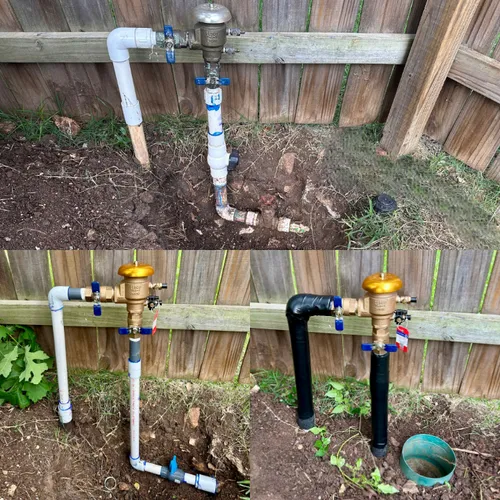
Sprinkler Repair Pros is a licensed irrigation and sprinkler service provider based in Austin, TX, serving the city and Central Texas communities including Round Rock. They offer full-service sprinkler repair, irrigation installation, system upgrades, and outdoor improvements such as sod installation and hardscaping. The team specializes in repairing leaks, broken pipes, and valves, as well as installing commercial-grade irrigation systems designed for water efficiency. Established in 2008, they bring over 14 years of experience and focus on smart water-saving solutions and flexible scheduling to meet customer needs.

Southern Love Landscaping & Design
111 Congress Ave. Suite 400, Austin, TX 78701
Southern Love Landscaping & Design is a landscaping and outdoor living company based in Austin, TX. They offer a wide range of services including custom landscaping, fire pits, patios, sod installation, irrigation installation and repair, fence installation, retaining walls, and landscape lighting. The company serves Austin and nearby areas such as Cedar Park and Round Rock, providing tailored outdoor solutions that enhance both residential and commercial properties. Their expertise includes building durable retaining walls and designing functional irrigation systems to support healthy landscapes. Southern Love Landscaping & Design emphasizes personalized service and craftsmanship to meet client needs.

Alvaro’s Landscaping and Tree service
Austin, TX
Alvaro's Landscaping and Tree Service is a landscaping and tree care company based in Austin, TX. With over 15 years of experience, they offer a wide range of services including landscaping design, tree removal, stump grinding, lawn care, sod installation, sprinkler repair, and fence installation. Their team works with both residential and commercial properties, providing customized solutions to meet client needs. They are fully licensed and insured, prioritizing safety and customer satisfaction throughout each project.

American Irrigation Repair
3560 E University Ave, Georgetown, TX 78626
American Irrigation Repair offers sprinkler installation, repair, and irrigation services in Austin, TX. They handle a range of irrigation system needs including valve replacements, sprinkler head repairs, and system tune-ups. The company is known for using quality materials and providing clear explanations of their work. With over 11 years of experience serving the Austin area, they maintain ongoing service contracts and perform semi-annual inspections to ensure systems operate efficiently. Their team is equipped to address complex issues such as double-check valve repairs and city water pressure challenges.

Cutters Landscaping
9600 Great Hills Trl Suite 150W, Austin, TX 78759
Cutters Landscaping is a landscaping company based in Austin, TX, offering services to both residential and commercial clients. Their expertise includes landscape design, hardscaping, decking, outdoor living spaces, and irrigation installation and repair. They focus on creating personalized outdoor environments that blend softscape and hardscape elements to enhance property aesthetics and functionality. The company emphasizes clear project coordination and client collaboration to meet individual preferences and budgets. Cutters Landscaping is known for its comprehensive approach to landscaping and irrigation services in the Austin area.
How Austin Irrigation Systems Work
Modern lawn sprinkler systems are sophisticated networks designed to deliver water precisely where and when it's needed. At its core, an automatic irrigation system uses a controller (often called a timer) to send signals that open and close valves. These valves control the flow of water to different sections of your yard, known as zones.
Each zone is tailored to plants with similar water requirements. For example, your thirsty St. Augustine lawn would be on a separate zone from drought-tolerant native flower beds or drip lines for shrubs. The water is distributed through a network of underground main lines and smaller lateral pipes to various types of sprinkler heads. Common heads include spray heads for small, uniform areas and rotor heads that cover larger swaths of turf 1.
The true intelligence of a modern system lies in its add-ons. Smart controllers can connect to Wi-Fi and automatically adjust watering schedules based on local weather forecasts, preventing irrigation during or after rain. Rain sensors and soil moisture sensors provide additional data to override scheduled watering when sufficient moisture is already present, a key feature for water conservation in Austin 2.
Key Components of Your System
Understanding the parts of your landscape watering system helps with communication and troubleshooting.
- Controller/Timer: The brain of the operation. Modern smart models offer remote access via smartphone apps and integrate weather data.
- Valves: Usually housed in valve boxes in the ground, these electrically operated gates control water flow to each zone. A faulty valve is a common repair issue.
- Sprinkler Heads: The endpoints that distribute water. They come in many types (spray, rotor, rotary nozzle, drip emitters) and must be matched to the area's shape and plant needs.
- Piping: PVC pipes typically carry water from your main supply line to the valves and from the valves to the heads.
- Backflow Preventer: A crucial safety device required by code that stops contaminated water from siphoning back into your home's drinking water supply.
- Sensors: As mentioned, rain freeze and soil moisture sensors are highly recommended additions that protect your system and conserve water.
Watering Smart: Austin's Best Practices
Simply having an automatic sprinkler system isn't enough; it must be used wisely. Austin's combination of heat, clay soil, and water restrictions demands a strategic approach.
Timing is Everything: The absolute best time to water is in the early morning, between 2 AM and 6 AM 3. This minimizes water loss from evaporation due to sun and wind, and allows grass blades to dry during the day, reducing the risk of fungal diseases. Watering in the evening leaves lawns damp overnight, inviting disease.
Frequency and Duration: The old rule of daily watering does more harm than good in Austin. Deep, infrequent watering encourages roots to grow deeper, creating more drought-resistant plants. During peak summer, most lawns thrive on watering 2-3 times per week. The exact run time per zone depends on your sprinkler type, soil, and sun exposure. A system audit can help determine the precise "runtime" needed to apply the recommended amount of water.
The "Cycle and Soak" Method: This is essential for Austin's prevalent clay soils, which absorb water slowly4. If you run a zone for its full duration all at once, much of the water will run off before it soaks in. Instead, program your controller to use multiple start times. For example, run a zone for 5-10 minutes, then allow a 30-60 minute "soak" period for the water to penetrate, then run it again for another 5-10 minutes. This cycles the water into the soil deeply and efficiently, preventing runoff.
Find the perfect sprinkler & irrigation companies for your needs
Get personalized recommendations and expert advice
Navigating Austin's Water Conservation Rules
Water conservation isn't just a suggestion in Austin; it's a community imperative governed by Austin Water's conservation ordinances 5. These rules are designed to protect the levels in our Highland Lakes, which are the city's water supply. The regulations can change based on current drought conditions, moving through stages where watering restrictions become progressively stricter.
It is your responsibility to know the current stage. Generally, under standard conservation rules (Stage 1), automatic irrigation is restricted to one designated watering day per week from April through October, with additional allowances for hand watering and drip irrigation. Schedules are based on the last digit of your address. Fines for violations can be significant. Always check the official WaterWiseAustin.org website for the latest stage, your watering days, and any variances for new landscaping6.
Installation and Repair Costs in Austin
Investing in a new irrigation system or maintaining an existing one involves various cost factors tied to your property's specifics.
New System Installation: The average cost for a professionally installed automatic sprinkler system in Austin typically ranges from $3,500 to $8,000 or more 7. The final price depends heavily on:
- Property Size & Complexity: A large, sloped yard with multiple planting beds will cost more than a small, flat lawn.
- Number of Zones: Each additional zone (with its own valve and piping) adds to the cost, often around $1,000 per zone.
- System Type: A drip irrigation system for beds and gardens can range from $1,500 to $5,000. Integrating smart technology and sensors also adds to the upfront cost but can lead to long-term water savings.
Common Repairs and Maintenance: Even well-installed systems need occasional repairs. Common issues and their typical cost ranges in Austin include:
- Broken Sprinkler Head or Nozzle: $10 - $25 for the part plus labor.
- Faulty Valve: Repairing a solenoid or diaphragm can cost $75 - $200, while replacing an entire valve assembly may run $150 - $345+ 8.
- Broken Pipe (Below Ground): Repairing a cracked or broken lateral line usually costs $150 - $225+, depending on depth and accessibility 9.
- Controller Upgrade/Sensor Install: Installing a new smart controller or adding a rain sensor typically costs $275 - $325+ for professional installation10.
Regular maintenance, like a spring start-up (winterization in the fall) and periodic adjustments, can prevent small problems from becoming expensive repairs.
Designing for Austin's Unique Environment
A successful irrigation plan starts with good design that respects local conditions.
Group Plants by Water Need (Hydrozoning): This is the golden rule of efficient irrigation design. Group thirsty turf grass together, drought-tolerant perennials together, and native plants on their own zone. This allows you to tailor watering duration and frequency perfectly for each plant type, avoiding overwatering some and underwatering others11 12.
Account for Clay Soil: Austin's clay soil holds water well but absorbs it slowly. As discussed, this necessitates the "cycle and soak" programming. It also means systems should be designed to avoid creating puddles or runoff on slopes.
Prioritize Water Efficiency: From the initial design, choose high-efficiency sprinkler heads like MP Rotators that apply water more slowly and evenly than old spray heads. For non-turf areas, drip irrigation is vastly more efficient, delivering water directly to the root zone with minimal evaporation or overspray13.
Frequently asked questions
Sources
Footnotes
-
South Austin Irrigation System Installations From Heroes Lawn Care - https://www.heroeslawncare.com/south-austin-tx/services/irrigation-army/irrigation-installation/ ↩
-
How Does A Lawn Sprinkler System Work? - https://ryanlawn.com/blog/how-does-a-lawn-sprinkler-system-work/ ↩
-
Irrigation Help | Santa Clarita Valley Water - https://yourscvwater.com/irrigation-help ↩
-
Sprinkler System Installation in Austin, TX - LandPro Irrigation - https://www.landproaustin.com/our-services/sprinkler-system-installation/ ↩
-
How to Water Efficiently in Central Texas - https://travis-tx.tamu.edu/about-2/horticulture/basic-landscape-design/waterwise-landscaping/how-to-water-efficiently-in-central-texas/ ↩
-
Austin Water - IRRIGATION - AustinTexas.gov - https://www.austintexas.gov/sites/default/files/files/Water/Conservation/Rebates_and_Programs/AW_Conservation_Irrigation_Brochure_2020.pdf ↩
-
How Much Does Sprinkler System Installation Cost? [2026 Data] | Angi - https://www.angi.com/articles/how-much-does-it-cost-install-sprinkler-system.htm ↩
-
How Much Does Landscaping Cost in Texas? Affordable Pricing - https://cutterslandscape.com/how-much-does-landscaping-cost-in-texas/ ↩
-
Austin irrigation repairs and installations - https://www.topchoiceaustin.com/irrigation/ ↩
-
Cost Of Installing A New Sprinkler System | 2025 Guide - https://fixmyheads.com/blog/how-much-do-home-sprinklers-cost-to-install/ ↩
-
Austin irrigation system design, installation, and repair - https://www.watercache.com/irrigation ↩
-
Earth-wise Guide to Irrigation - AustinTexas.gov - https://www.austintexas.gov/sites/default/files/files/Watershed/growgreen/factsheets/irrigation.pdf ↩
-
Austin, TX Irrigation & Drainage | Best of Texas Landscapes - https://bestoftexaslandscapes.com/irrigation/ ↩