Find the Best Sprinkler & Irrigation Companies for Your Business
No obligation • Fast responses • Nationwide coverage

Why you can trust Landscape Atlas
Landscape Atlas is a leading United States resource for evaluating landscaping, lawn care, and outdoor service providers. Our team researches each category in depth, focusing on service quality, safety, and customer experience. Listings and rankings are based on independent criteria and user feedback, and companies cannot pay to influence our assessments or recommendations.
Search providers near you
Top Sprinkler & Irrigation Companies in Houston, Texas Ranked
A well-designed sprinkler and irrigation system is the cornerstone of a healthy, vibrant landscape in Houston. These automated watering systems deliver precise amounts of water directly to your lawn and garden beds, conserving a precious resource while ensuring your plants thrive in our unique climate. This guide will help you understand the components, benefits, and local considerations for irrigation systems, empowering you to find the right professional services for installation, maintenance, or upgrades.
Southwest Irrigations Systems
6739 Theall Rd Suite A, Houston, TX 77066
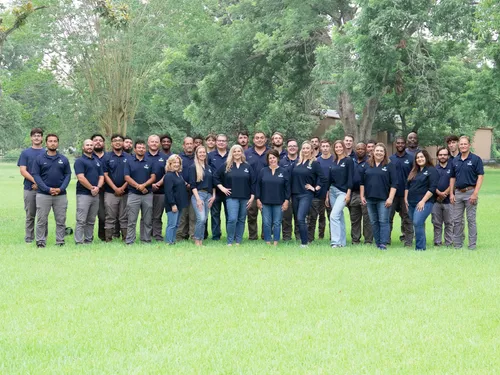
Southwest Irrigation Systems is a Houston, TX-based company specializing in sprinkler system installation and repair, yard drainage, grading services, and outdoor landscape lighting. Serving the greater Houston area, they have over 35 years of experience providing irrigation and drainage maintenance along with outdoor lighting solutions. The company is licensed in Texas and is affiliated with local irrigation and turf associations. Their team is known for using top-quality parts and delivering thorough, professional service.
Southwest Irrigation Systems
2511 McKeever Rd, Rosharon, TX 77583
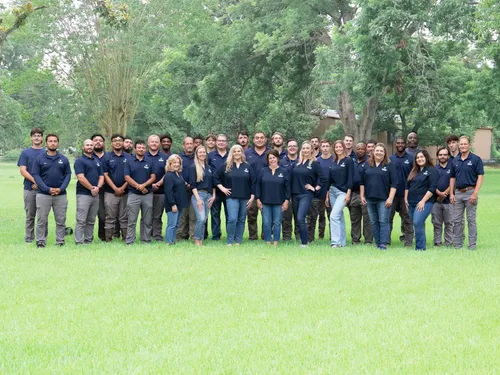
Southwest Irrigation Systems is a Houston, TX-based company specializing in sprinkler system installation and repair, yard drainage, grading services, and outdoor landscape lighting. Serving the greater Houston area since 1985, they offer licensed expertise in irrigation and drainage maintenance as well as outdoor lighting installation. The company is recognized for its highly trained technicians and is affiliated with local irrigation associations and the Better Business Bureau.
Sprinkler Pros
32410 Tamina Rd, Magnolia, TX 77354
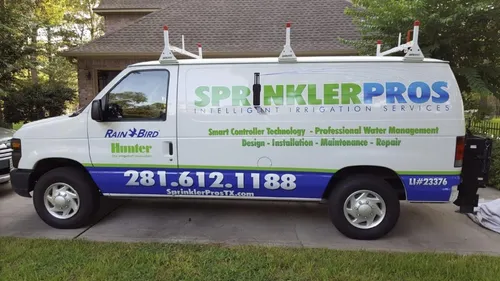
Sprinkler Pros is a family-owned sprinkler installation and repair company serving Houston, TX, and surrounding areas including The Woodlands, Magnolia, Spring, and more. They specialize in residential and commercial irrigation systems, offering water-efficient solutions and advanced smart controller technologies from brands like Rainbird, Rachio, and Hunter Industries. Licensed by the Texas Commission on Environmental Quality, Sprinkler Pros has been providing irrigation services since 1981. The company is recognized for its expertise and has received multiple awards, including the Magnolia Award Program's Business Hall of Fame honor.
Texas Best Irrigation & Landscaping
Houston, TX
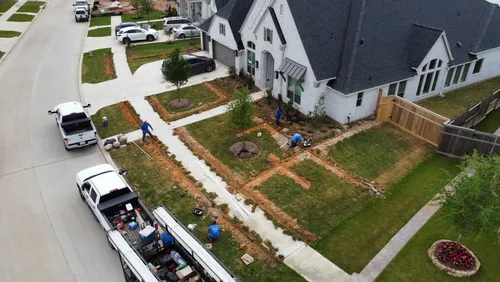
Texas Best Irrigation & Landscaping is a landscaping and irrigation company based in Houston, TX. They provide a wide range of services including sprinkler installation and repair, landscape design, drainage solutions, fence installation, hardscaping, and outdoor lighting. The company has over 35 years of experience serving both commercial and residential properties, including corporate environments, city parks, and shopping centers. One of their key capabilities is installing efficient irrigation systems to maintain healthy, green lawns. Texas Best Irrigation & Landscaping is licensed by the Texas Commission on Environmental Quality and serves Houston and surrounding areas.
Summer Splendor Landscaping
Houston, TX
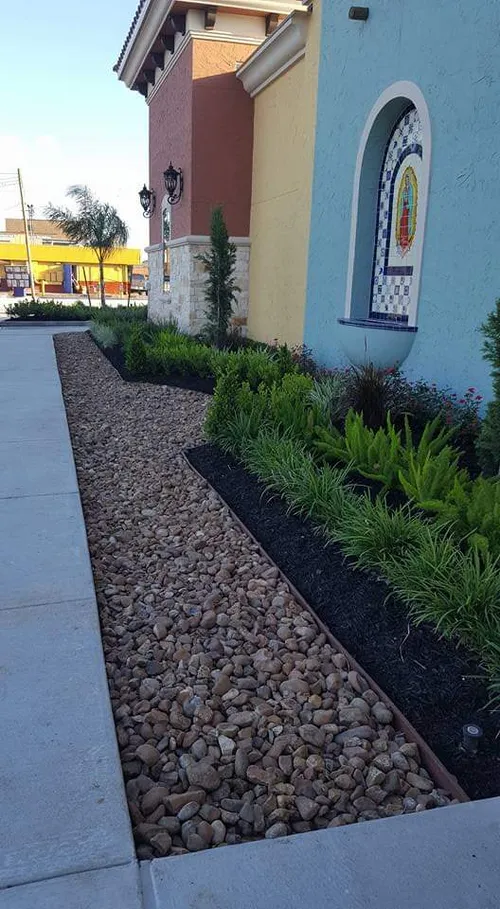
Summer Splendor Landscaping is a landscaping company based in Houston, TX, offering a wide range of services including lawn care, sod installation, landscape lighting, tree service, irrigation, hardscaping, and artificial turf installation. With 15 years of experience, they focus on transforming outdoor spaces through comprehensive landscape design and installation. Their expertise includes landscape installation, ensuring plants and features are suited to the environment for lasting results.
How an Irrigation System Works
At its core, a modern sprinkler system is a network of underground pipes, valves, and sprinkler heads controlled by a central timer or controller. The process begins when the controller sends a low-voltage electrical signal to a solenoid, which is an electrically operated valve. This signal opens the valve for a specific "zone," which is a designated area of your landscape with similar watering needs.
Once the valve is open, water from your main supply flows through the buried PVC pipes to the sprinkler heads or drip emitters in that zone. After the programmed watering duration, the controller closes the valve and may then open the valve for the next zone, cycling through your entire property. This zoned approach is crucial for efficiency, allowing you to water sun-drenched turf differently than shaded flower beds or drought-tolerant shrubs.
Key Components of Your System
Understanding the parts of your irrigation setup helps in communicating with professionals and troubleshooting issues.
- Controller (Timer): The brain of the operation. Modern "smart" controllers can adjust watering schedules automatically based on local weather data, soil moisture, and evaporation rates, preventing overwatering.
- Valves & Solenoids: Usually housed together in valve boxes buried in the yard. Each zone has its own valve, which the solenoid opens and closes on command from the controller.
- Sprinkler Heads: These are the delivery endpoints. Spray heads pop up and deliver a fixed spray pattern, ideal for smaller, rectangular lawn areas. Rotor heads rotate a stream of water, covering larger circular areas and are better for big lawns. MP Rotator heads are a newer, highly efficient type that applies water slowly to reduce runoff.
- Drip Irrigation: This subsystem uses flexible tubing with small emitters that deliver water slowly and directly to the root zone of individual plants, trees, or shrubs in garden beds. It's exceptionally efficient and minimizes water waste.
- Pipes & Fittings: Schedule 40 PVC pipe is standard for main lines and lateral lines, buried at least 6 to 8 inches deep in Houston to protect from freezing and lawn equipment 1.
Designing an Effective System for Houston
A successful irrigation plan accounts for Houston's climate, soil, and specific landscape features. Professional designers typically start by dividing the property into zones based on plant type, sun exposure, and soil conditions. Turf grass areas will likely be served by spray or rotor heads, while planting beds, vegetable gardens, and foundation plantings benefit greatly from drip irrigation 2.
Houston's prevalent clay soil presents a particular challenge. It absorbs water slowly but retains it for a long time. Watering too quickly leads to wasteful runoff before the soil is adequately soaked. The solution is the "cycle and soak" method: programming the system to run for short cycles (e.g., 5-10 minutes per zone) with a break in between to allow water to penetrate, repeating until the desired amount is delivered.
Local regulations are also a key design factor. The Texas Commission on Environmental Quality (TCEQ) sets requirements for irrigation systems, including the mandatory use of a rain or moisture sensor in many cases to shut off the system during wet weather. A professional will be familiar with these codes and the necessary plan checklists 3.
Find the perfect sprinkler & irrigation companies for your needs
Get personalized recommendations and expert advice
A Seasonal Watering Guide for Houston Lawns
Your irrigation schedule should change with the seasons to match plant needs and weather patterns. The general goal is to provide about 1 inch of water per week for lawns during the active growing seasons of spring and fall 4.
- Spring (March-May): As temperatures rise, begin watering about 1 inch per week, typically split into two watering sessions. Early morning (4-8 AM) is always ideal to reduce evaporation and fungal disease.
- Summer (June-August): This is peak demand. Increase to about 1.5 inches per week, delivered over two or three sessions to combat the intense heat and humidity. Adhering strictly to the cycle and soak method is critical here to avoid runoff on clay soil 5 6.
- Fall (September-November): Gradually reduce watering back to 1 inch per week as growth slows and temperatures drop. You can often reduce frequency as rainfall increases.
- Winter (December-February): Most established lawns go dormant and require very little supplemental water. Water only if there are extended dry periods (3-4 weeks without rain), and do so during the warmest part of the day to prevent freeze damage to pipes 7.
Understanding Costs: Installation & Maintenance
The investment in an irrigation system varies based on your property's size, the complexity of the design, and the technology you choose.
- Installation: For a standard in-ground sprinkler system for a typical residential lawn, homeowners can expect a range of $2,500 to $7,500. This includes trenching, pipe, heads, valves, and a basic controller. Adding a dedicated drip irrigation system for beds can cost an additional $450 to $2,000, depending on scope. Systems with advanced smart controllers and weather sensors typically start on the higher end, ranging from $5,500 to $15,000+ for large or complex properties 8.
- Maintenance & Repairs: Annual maintenance is recommended to keep your system efficient. This includes checking and adjusting heads, cleaning filters, testing valves, and winterizing the system. Annual maintenance costs often fall between $150 and $300 9. Repair costs for broken heads, leaky valves, or damaged pipes vary but are a normal part of system ownership. The long-term water savings from a properly maintained, efficient system-especially one with smart technology-can offset these costs over time 10.
The Smart Technology Advantage
Upgrading to a smart irrigation controller is one of the best investments for Houston homeowners. These devices connect to Wi-Fi and automatically adjust your watering schedule based on hyper-local weather forecasts, soil moisture sensor data, and evaporation rates. They eliminate guesswork and prevent watering before, during, or after a rainstorm. While they add to the initial installation cost, the water savings can be significant, often paying for the upgrade within a few seasons while promoting a healthier landscape 11 12.
Frequently asked questions
Sources
Footnotes
-
Lawn Sprinkler System - Houston Landscape Pros - https://houstonlandscapepros.com/lawn-sprinkler-system/ ↩
-
Top Sprinkler Installation Services in Houston, TX - https://houstonlandscapepros.com/sprinkler-installation-houston/ ↩
-
Landscape Irrigation: Requirements and Resources - Texas Commission on Environmental Quality - www.tceq.texas.gov - https://www.tceq.texas.gov/drinkingwater/irrigation/irr_helpres.html ↩
-
How Long to Water Lawn with Sprinkler in South Texas - https://fischerlandscapingusa.com/how-long-to-water-lawn-with-sprinkler/ ↩
-
Seasonal Watering Guide for Houston Landscapes: Optimizing Irrigation for Commercial & Community Properties - https://www.monarchlm.com/blog/seasonal-watering-guide-houston-landscapes-commercial ↩
-
Irrigation System Tips | Bedford TX - https://bedfordtx.gov/788/Irrigation-System-Tips ↩
-
Best Lawn Watering Schedule for Houston Homes (2025) - https://www.rhinohomesvc.com/houston/lawn-watering-houston ↩
-
Irrigation System Explained | Installation and Maintenance Guide - https://bluejayirrigation.com/irrigation-installation-explained/ ↩
-
Sprinkler System Cost: Installation & Maintenance Guide - https://heartlandsprinklers.com/green-tips/sprinkler-system-cost-guide/ ↩
-
How much does it cost to install lawn irrigation system? 2025 - https://cutterslandscape.com/how-much-does-it-cost-to-install-lawn-irritagation-system/ ↩
-
How Does A Lawn Sprinkler System Work? - https://ryanlawn.com/blog/how-does-a-lawn-sprinkler-system-work/ ↩
-
The Ultimate Guide to Irrigation for Florida Homeowners - https://www.groundsource.pro/blog/ultimate-guide-to-irrigation-for-florida-homeowners ↩