Find the Best Yard Drainage Contractors for Your Business
No obligation • Fast responses • Nationwide coverage

Why you can trust Landscape Atlas
Landscape Atlas is a leading United States resource for evaluating landscaping, lawn care, and outdoor service providers. Our team researches each category in depth, focusing on service quality, safety, and customer experience. Listings and rankings are based on independent criteria and user feedback, and companies cannot pay to influence our assessments or recommendations.
Search providers near you
Top Yard Drainage Contractors in New Orleans, Louisiana Ranked
Effective yard drainage and proper land grading are not just about keeping your feet dry; they are critical for protecting your home's foundation, preventing soil erosion, and managing the significant rainfall that defines life in New Orleans. A well-designed drainage system moves water away from structures and into appropriate areas, safeguarding your property's value and usability. This guide will help you understand the local approaches to solving water issues, from simple grading adjustments to integrated green infrastructure, so you can find the right professional solution for your unique landscape.
Borries Landscaping, Llc
726 N Starrett Rd, Metairie, LA 70003
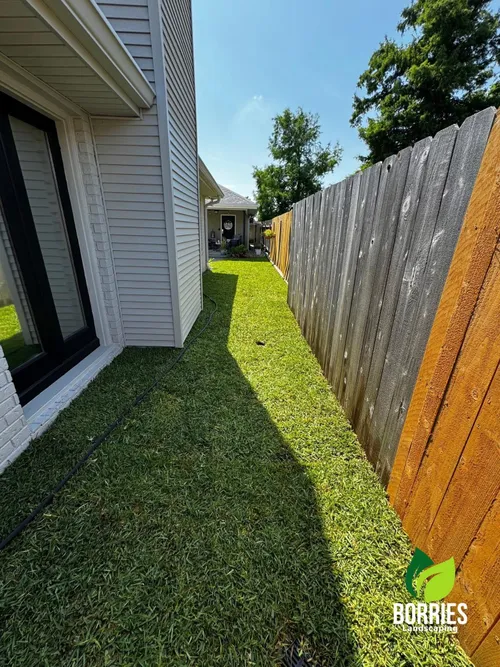
Borries Landscaping, Llc is a family-owned landscaping company serving New Orleans, LA, and nearby areas including Kenner and Metairie. Established in 2018, they offer a range of services such as sod installation with options like St. Augustine and Bermuda, landscape design, tree removal, yard drainage solutions including French drains, sprinkler installation and repair, land clearing, and hardscaping. Their team includes a licensed horticulturist and experienced staff who handle projects from garden cleanups to full landscape installations. They are equipped to manage grading and drainage issues common in South Louisiana's rainy climate.
Gordon's Lawn & Landscape
420 Hollandey St, Kenner, LA 70062
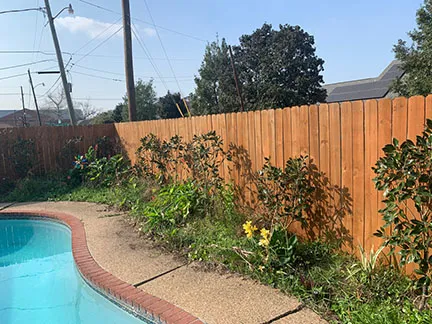
Gordon's Lawn & Landscape is a landscaping contractor based in New Orleans, LA, offering a wide range of services including landscape design, hardscaping, grading, sod installation, synthetic turf, drainage solutions, and landscape lighting. They serve the greater New Orleans area, including the North Shore, Jefferson and St. Bernard Parishes, and the River Parishes. With over 12 years of experience, Gordon's Lawn & Landscape handles projects from excavation to final installation, ensuring a seamless process. Their expertise includes custom drainage solutions tailored for the local climate, and the owner is actively involved on-site to oversee quality.
Slidell Landscaping And Construction
1720 Beth Dr, Slidell, LA 70458
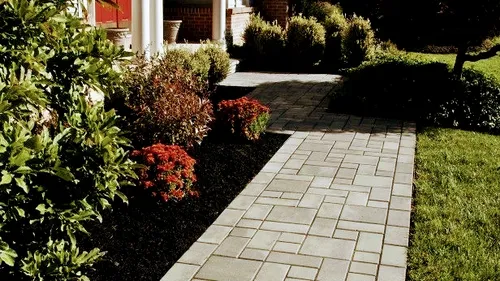
Slidell Landscaping And Construction is a landscaping and outdoor living company based in New Orleans, LA. They provide a wide range of services including lawn mowing, fertilization, weed control, fence installation, landscape design, tree removal, stump grinding, yard drainage, sprinkler installation and repair, hardscaping with pavers and retaining walls, and outdoor living features like patios, pergolas, fire pits, and outdoor kitchens. With over 16 years of combined experience, the team offers customized lawn care and innovative landscaping solutions tailored to each client's needs. Founded by Edwin Montes in 2005, the company serves residential and commercial properties in the New Orleans area.
LGD Lawn and Landscape
5534 Canal Blvd Suite 4, New Orleans, LA 70124
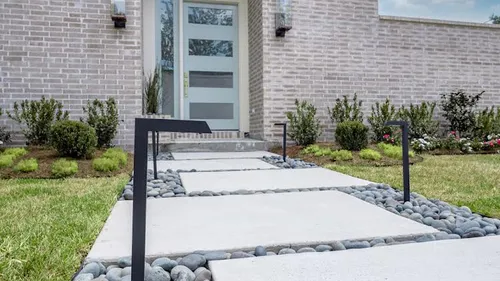
LGD Lawn and Landscape is a lawn care and landscaping company based in New Orleans, LA. They provide a range of services including lawn maintenance, synthetic turf installation, hardscaping, irrigation and drainage, and grading for both residential and commercial properties. Their capabilities include comprehensive lawn and landscape installation and ongoing maintenance, serving New Orleans and nearby areas. LGD emphasizes attention to detail and customer service in their work.
Stormova
1901 Manhattan Blvd Building D, Harvey, LA 70058
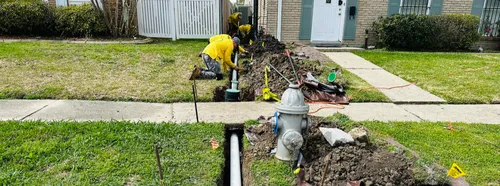
Stormova is a yard drainage contractor based in New Orleans, LA, specializing in solving flooding problems around residential and commercial properties. They offer a range of drainage services including the installation of catch basins, French drains, channel drains, rain gardens, and green infrastructure. Stormova also provides maintenance services such as French drain cleaning, hydro jet cleaning, gutter and downspout cleaning, drainage inspection, and pipe cleaning. Their expertise covers the Greater New Orleans area and extends to several southern states including Louisiana, Mississippi, Alabama, Florida, and Texas. The company is licensed, insured, and certified in stormwater management, horticulture, and green infrastructure, ensuring professional and reliable service. Stormova emphasizes long-lasting installations and educates clients on maintaining flood-free properties.
Why Drainage is Critical in New Orleans
New Orleans' unique geography, sitting below sea level and surrounded by water, creates a constant battle with stormwater. Heavy, sudden downpours are common, and the city's clay-heavy soil has poor natural absorption. Without a proper plan, water pools in low spots, saturates foundations, kills grass, and creates mosquito breeding grounds. More critically, it can lead to costly structural damage over time. Implementing effective drainage and grading isn't just a landscaping upgrade-it's a necessary investment in your property's longevity and resilience against the local climate 1.
Core Principles: Grading and Slope
The first line of defense against water intrusion is the shape of your land itself. Land grading involves sculpting the soil to create a gentle slope that directs surface runoff away from your home and other structures.
- The Golden Rule: Industry standards recommend a minimum slope of 5%, which translates to a 6-inch drop over a 10-foot span, moving away from your foundation 2 3. This "positive grade" ensures water flows to the street, a drainage ditch, or a designated basin on your property.
- Regrading Process: Correcting a negative slope (where land tilts toward the house) often requires bringing in clean fill dirt, compacting it in layers, and carefully shaping the final grade. This process may involve removing existing sod or plants and is best assessed by a professional who can ensure proper compaction and long-term stability.
- Beyond the Foundation: Good grading also applies to other areas. Driveways and walkways should be sloped to shed water, and low spots in the middle of the yard should be filled to prevent standing water.
Green Infrastructure: Working with Nature
Increasingly, New Orleans homeowners and the city itself are promoting green infrastructure-solutions that manage water by mimicking natural processes. These approaches not only solve drainage problems but also beautify your landscape and support local ecology.
- Rain Gardens: A rain garden is a shallow, planted depression designed to capture runoff from roofs, driveways, or lawns. Filled with deep-rooted native plants, it allows water to pool and slowly infiltrate the soil, filtering out pollutants in the process. They are an attractive and effective way to handle runoff from specific downspouts or paved areas.
- Bioswales: Similar to rain gardens but often longer and more channel-like, bioswales are vegetated ditches that slow down and filter stormwater as it moves across your property. They are excellent for managing sheet flow from larger areas.
- Permeable Paving: Replacing solid concrete or asphalt with permeable pavers, gravel, or other porous materials allows rainwater to seep directly into the ground below, reducing surface runoff significantly.
- Rain Barrels and Cisterns: One of the simplest steps is to capture water at its source. Installing a rain barrel on a downspout collects roof runoff that can later be used for irrigation, reducing the volume of water entering your yard during a storm.
Find the perfect yard drainage contractors for your needs
Get personalized recommendations and expert advice
Subsurface Drainage Systems
When surface grading and green solutions aren't enough, or when water is seeping underground, subsurface drainage systems are the answer. These are installed beneath the lawn to intercept and redirect water.
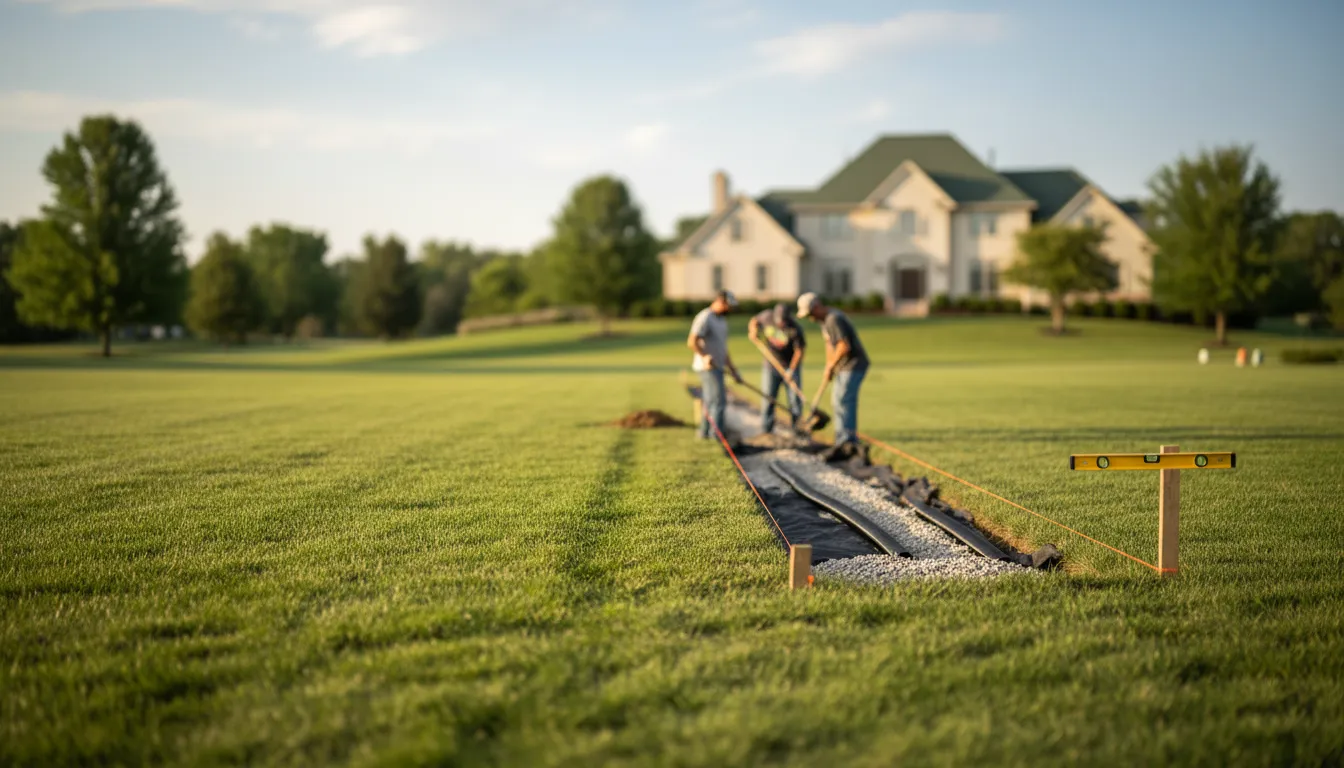
- French Drains: A French drain is a trench filled with gravel or rock containing a perforated pipe. It's designed to collect groundwater and surface water and channel it away from problem areas. The pipe is sloped to carry water to a safe discharge point like a street gutter or dry well. They are highly effective for solving persistent wet spots and foundation seepage.
- Catch Basins and Channel Drains: These are surface-level inlets with grates, often installed in driveways, patios, or low points in the yard. They collect large volumes of surface water quickly and connect to a buried pipe system that carries it away.
- Dry Wells: For properties with nowhere to daylight a pipe, a dry well-a large underground pit filled with gravel-can be used to collect and slowly disperse water back into the soil over time.
The Professional Process: From Diagnosis to Completion
Tackling a serious drainage issue typically follows a logical sequence. Understanding these steps can help you communicate effectively with landscape drainage contractors.
- Diagnosis and Observation: The first step is identifying the problem. Professionals will often ask you to observe your yard during a heavy rain to note where water originates, how it flows, and where it pools. They will also look for signs of erosion, soggy soil, and foundation dampness 4.
- Planning and Design: Based on the diagnosis, a plan is developed. This may combine several approaches-for example, regrading the soil near the house, installing a French drain along a problematic side yard, and creating a rain garden to handle downspout runoff. In New Orleans, some projects may require permits, especially if they tie into the city's storm sewer system 5.
- Implementation: This is the construction phase. It can involve excavating for grading, digging trenches for drain pipes, installing basins, amending soil, and planting for green infrastructure projects. Proper installation is key to long-term function, ensuring pipes have the correct slope and connections are secure.
- Soil Preparation and Finishing: For any grading or planting work, preparing the soil is crucial. In our dense clay, adding organic matter can improve absorption capacity. Finally, the area is topped with sod, seed, or mulch to restore the landscape.
Understanding Costs and Local Incentives
The investment for yard drainage solutions in New Orleans varies dramatically based on the scale and complexity of the problem.
- A simple DIY rain barrel setup can cost between $50 and $200 6.
- Basic yard grading or soil work typically ranges from several hundred to a few thousand dollars, depending on the size of the area and amount of fill dirt needed 7.
- Installing a rain garden with professional design and native plants may cost between $500 and $2,000 or more 8.
- A French drain system is a more significant investment, often ranging from $1,000 to $4,000+, with complex, whole-yard systems costing even more 9 10 11.
Good News for Homeowners: The City of New Orleans and local organizations offer incentives to encourage green infrastructure. For instance, the Urban Conservancy's "Front Yard Initiative" has offered rebates for homeowners who replace concrete pavement with permeable, landscaped areas. It's always worth checking with the Mayor's Office of Resilience and Sustainability or The Water Collaborative for current programs that can help offset project costs 12.
Maintaining Your Drainage System
Once installed, a little maintenance ensures your system works for years to come. Regularly check that downspouts are disconnected and directed away from the foundation. Keep catch basin grates clear of leaves and debris. Inspect the outlets of French drains after heavy rains to ensure they are flowing freely. For rain gardens, occasional weeding and replacing plants as needed will keep them functioning optimally.
Frequently asked questions
Sources
Footnotes
-
Expert Drainage Solutions for Your New Orleans Landscape - https://exteriordesignsbev.com/expert-drainage-solutions/ ↩
-
Stormwater & Green Infrastructure - Home - City of New Orleans - https://nola.gov/next/stormwater-green-infrastructure/home/ ↩
-
Yard Grading 101: Everything you need to know - This Old House - https://www.thisoldhouse.com/lawns/yard-grading ↩
-
Grading Yard for Drainage: A Homeowner's Step-by-Step Guide - https://tamuradesigns.com/grading-yard-for-drainage/ ↩
-
Stormwater Management - Safety and Permits - City of New Orleans - https://nola.gov/next/safety-and-permits/topics/stormwater-management/ ↩
-
What You Can Do to Soak Up the Rain | US EPA - https://www.epa.gov/soakuptherain/what-you-can-do-soak-rain ↩
-
How Land Grading Helps with Yard Drainage - Dirt Connections - https://www.dirtconnections.com/how-land-grading-helps-with-yard-drainage/ ↩
-
Control Heavy Runoff - Solving Drainage and Erosion Problems - https://www.fairfaxcounty.gov/soil-water-conservation/drainage-problem-control-runoff ↩
-
Back Yard Lawn Drainage Systems Metairie & New Orleans - https://cclanddesign.com/services/drainage-systems/ ↩
-
Yard Drainage, French Drain, New Orleans, LA - https://www.neworleansfrenchdrain.com/ ↩
-
Landscape Drainage Contractors in New Orleans - Miller Outdoors - https://www.milleroutdoorsnola.com/new-orleans-landscape-design/drainage-contractors-new-orleans/ ↩
-
Building - Stormwater Management Requirements - City of New ... - https://nola.gov/stormwater-management-requirements/ ↩