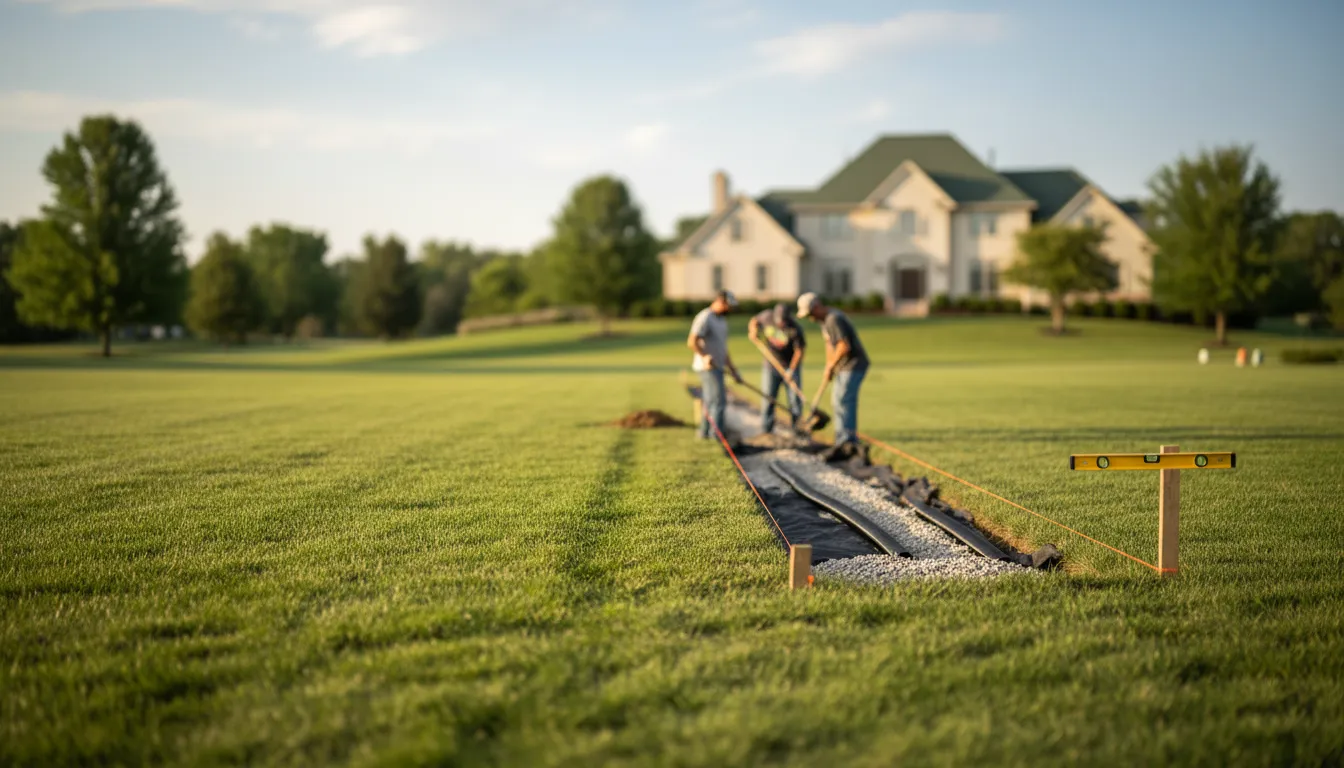
Find the Best Yard Drainage Contractors for Your Business
No obligation • Fast responses • Nationwide coverage

Why you can trust Landscape Atlas
Landscape Atlas is a leading United States resource for evaluating landscaping, lawn care, and outdoor service providers. Our team researches each category in depth, focusing on service quality, safety, and customer experience. Listings and rankings are based on independent criteria and user feedback, and companies cannot pay to influence our assessments or recommendations.
Search providers near you
Top Yard Drainage Contractors in Wake Forest, North Carolina Ranked
Proper yard drainage and land grading are essential for protecting your Wake Forest property from water damage. These services involve reshaping the land and installing systems to manage rainwater runoff, directing it safely away from your home's foundation and preventing issues like soil erosion, basement flooding, and landscape destruction. This guide will help you understand the common solutions available locally, from simple grading to complex drainage installations, so you can find the right professional help to solve your water problems.
DreamScapes
4913 Professional Ct, Raleigh, NC 27609
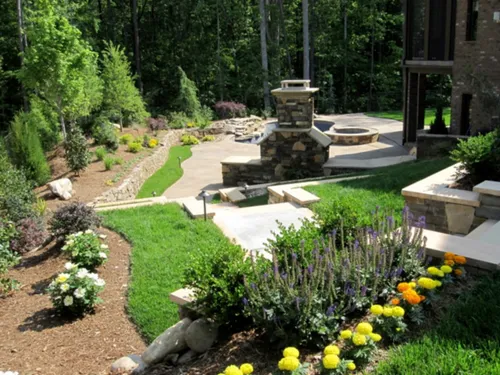
DreamScapes is a landscaping company based in Raleigh, NC, offering a wide range of residential and commercial landscaping services. Their expertise includes lawn mowing, fertilization, weed control, sod and artificial turf installation, landscape lighting, design, tree services, yard drainage, sprinkler installation and repair, as well as hardscaping such as pavers and retaining walls. With over fifteen years of experience, DreamScapes serves the greater Raleigh area including Cary, Wake Forest, Durham, and Chapel Hill. They provide customized landscape design and maintenance plans, combining hardscapes, planting, and lighting to meet client needs. DreamScapes sources materials from local high-quality suppliers and is known for attention to detail and comprehensive service. The company does not specify special availability hours.
Hunter Excavating
1904 Front St Suite 410, Durham, NC 27705
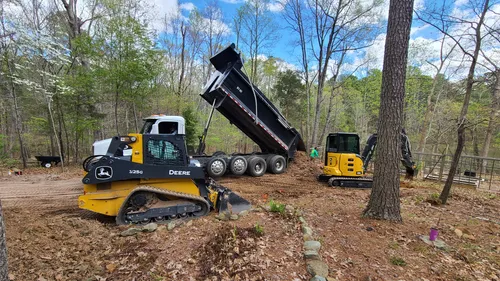
Hunter Excavating is a locally owned and veteran-operated company based in Durham, NC. They provide a range of services including landscaping, grading, excavation, drainage, and sod installation for both residential and commercial projects. The company emphasizes quality workmanship and clear communication, with a focus on building lasting client relationships. As a Veteran Business Enterprise, Hunter Excavating is managed and controlled by veterans, bringing years of experience to their work.
Greenway Irrigation
2314 S Miami Blvd Suite 253, Durham, NC 27703
Greenway Irrigation is a landscaping and irrigation company based in Durham, NC, serving the Greater Triangle Area including Cary, Chapel Hill, and Raleigh. Since 1992, they have provided sprinkler and drip irrigation installation, repairs, startups, winterizations, and backflow testing. Their services also include outdoor lighting installation and repair, water features, drainage solutions, pool maintenance, and pressure washing. Greenway Irrigation holds an NC Irrigation Contractor License and employs a certified backflow inspector, reflecting their expertise in irrigation system care.
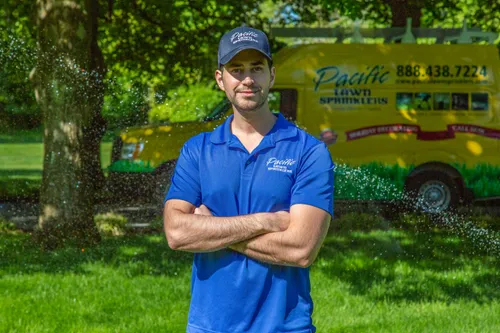
Pacific Lawn Sprinklers
Raleigh, NC
Pacific Lawn Sprinklers provides comprehensive irrigation, landscape lighting, and yard drainage services in Raleigh, NC. They specialize in new lawn sprinkler installations, repairs, and annual maintenance to ensure efficient watering and system longevity. The company also offers low-voltage outdoor lighting and holiday light installation using professional equipment and safety standards. With experience dating back to 1999, Pacific Lawn Sprinklers has completed numerous commercial and residential projects, including large-scale irrigation systems and landscape lighting. Their services include winterization to protect systems from freeze damage and smart WiFi controller installations for remote irrigation management.

Wood Brothers Landscaping
316A Woodhaven Rd, Chapel Hill, NC 27514
Wood Brothers Landscaping is a full-service landscaping and hardscaping company based in Chapel Hill, serving Durham, NC, and nearby areas. They provide residential and commercial landscaping, including sod installation, grading, gravel driveway construction and repair, custom hardscapes like flagstone pathways and retaining walls, tree and shrub installations, and land clearing. Their expertise includes gravel driveway grading and drainage solutions such as piping and culverts. The company serves both homes and businesses, maintaining commercial properties including hotels in the region. Wood Brothers Landscaping works closely with clients to design and execute outdoor projects that enhance curb appeal and property value.
Why Drainage and Grading Matter in Wake Forest
Wake Forest's beautiful landscape comes with a common challenge: managing stormwater. The town emphasizes stormwater management to protect local waterways and meet environmental regulations 1. For homeowners, poor drainage is more than a nuisance-it's a threat to your property's structural integrity and value. Persistent pooling can kill grass, create muddy bogs, and, most critically, saturate the soil around your foundation, leading to costly cracks and leaks. Effective water management solutions are not just about a dry yard; they're about long-term property preservation.
Common Signs You Need Drainage or Grading Work
How do you know if your property needs intervention? Look for these telltale signs:
- Standing Water: Puddles that linger for more than a day after rain.
- Soil Erosion: Gullies or washed-away soil in your landscape, especially near downspouts or slopes.
- Water in the Basement or Crawl Space: Dampness, mold, or actual flooding during storms.
- Soggy Lawn: Areas that are constantly spongy or promote moss and fungus growth.
- Water Stains on Foundation: Visible streaks or marks on your home's exterior walls near the ground.
If you notice any of these issues, a professional assessment is the recommended next step to diagnose the cause and plan a remedy.
Core Solutions for Water Management
Local professionals employ a variety of techniques to correct drainage problems. The right solution depends on your property's specific issues, soil type, and topography.
Land Grading and Re-Grading
This is often the first line of defense. Grading involves reshaping the soil's contour to create a gentle slope (typically a minimum of 2% away from your home). This "positive grading" ensures surface water naturally flows away from your foundation, preventing pooling at the base of your walls. For new construction or severe issues, extensive re-grading with heavy equipment may be necessary to establish the proper slope across your entire yard.
Subsurface Drainage Systems
When surface grading isn't enough, subsurface systems are installed to intercept and redirect water below ground.
- French Drains: A trench filled with gravel and containing a perforated pipe collects groundwater and channels it to a safer discharge point, like a storm drain or dry well.
- Catch Basins and Channel Drains: These are grates installed at low points or along surfaces like driveways. They capture surface runoff and connect to a buried pipe system to carry the water away.
Surface-Level and Eco-Friendly Options
For managing runoff in a more natural way, consider these landscape-integrated solutions:
- Rain Gardens (Bioretention): A shallow, planted depression collects runoff from roofs or driveways. The specific plants and soil filter pollutants while allowing water to slowly infiltrate into the ground.
- Permeable Pavers: Replacing solid concrete or asphalt with permeable paving materials for patios or driveways allows rainwater to seep through into a stone reservoir below, reducing runoff volume 2.
- Dry Wells and Cisterns: These are underground chambers that collect and store rainwater, either allowing it to slowly percolate into the soil (dry well) or holding it for later use in irrigation (cistern).
Find the perfect yard drainage contractors for your needs
Get personalized recommendations and expert advice
The Professional Installation Process
Tackling a drainage project involves a systematic approach to ensure a lasting solution.
- Site Assessment & Diagnosis: A specialist will inspect your property during or after a rain to identify problem areas, determine the flow of water, and diagnose the underlying cause (e.g., compacted clay soil, improper slope).
- Design & Planning: Using the assessment, a plan is created. This includes calculating the necessary slope for grading, mapping the trench lines for French drains, or designing the size and location of a rain garden.
- Site Preparation: The area is cleared, and all underground utility lines are marked (call 811) to ensure safe digging.
- Grading Execution: If required, grading is done first to establish the correct overall slope of the land.
- System Installation: Trenches are dug for pipes, basins are set, pipes are laid with proper slope, and rain gardens are excavated and planted.
- Finishing: Trenches are backfilled with gravel and soil, sod or seed is replaced, and the site is cleaned up.
Understanding Costs for Drainage Projects in Wake Forest
The investment for water management solutions varies widely based on the project's scale and complexity. Here's a general overview of potential costs:
- Minor Grading/Soil Amendment: For adjusting the slope in a small area, costs might range from $300 to over $1,000 3.
- Rain Garden Installation: A homeowner-assisted or small-scale project can range from $200 to $800 for materials and labor.
- French Drain: Installing a single drain line can cost between $1,000 and $3,000 or more, depending on length, depth, and obstacles 4.
- Catch Basin or Channel Drain System: A more involved surface drainage system typically starts around $1,500 and can exceed $4,000 for multiple basins and complex piping 5 6.
For an accurate estimate, it's best to get quotes from several local contractors who can evaluate your specific situation.
Local Considerations for Wake Forest Homeowners
Two key factors influence drainage work in our area:
- Clay Soil: Wake Forest has significant clay content in its soil. Clay is dense and has very slow water infiltration, which is why pooling and runoff are common problems. Solutions often need to account for this by improving soil structure or providing alternative paths for water.
- Stormwater Regulations: The Town of Wake Forest has guidelines for stormwater control measures (SCMs). While many residential projects are exempt, larger-scale grading or any work that could impact public storm systems may require permits or adherence to best management practices 7. A reputable local contractor will be familiar with these requirements.
Frequently asked questions
Sources
Footnotes
-
Stormwater Education 101 - Town of Wake Forest, NC - https://www.wakeforestnc.gov/engineering/community-outreach/stormwater-education-101 ↩
-
Stormwater Best Management Practices - https://spcwater.org/topics/stormwater-management/stormwater-best-management-practices-2/ ↩
-
Grading Services | Land Leveling and Drainage Solutions - https://landscapingwakeforestnc.com/pages/grading-services-land-leveling-and-drainage-solutions-rc-lawn-care ↩
-
Drainage Contractors | Yard Grading Raleigh NC - HuntScapes - https://huntscapes.com/landscaping-raleigh-nc/drainage/ ↩
-
Expert Drainage and Waterproofing in Wake Forest, NC - https://www.drainagenwaterproofing.com/wake-forest/ ↩
-
Control Heavy Runoff - Solving Drainage and Erosion Problems - https://www.fairfaxcounty.gov/soil-water-conservation/drainage-problem-control-runoff ↩
-
Stormwater Management | Town of Wake Forest, NC - https://www.wakeforestnc.gov/engineering/stormwater-management ↩