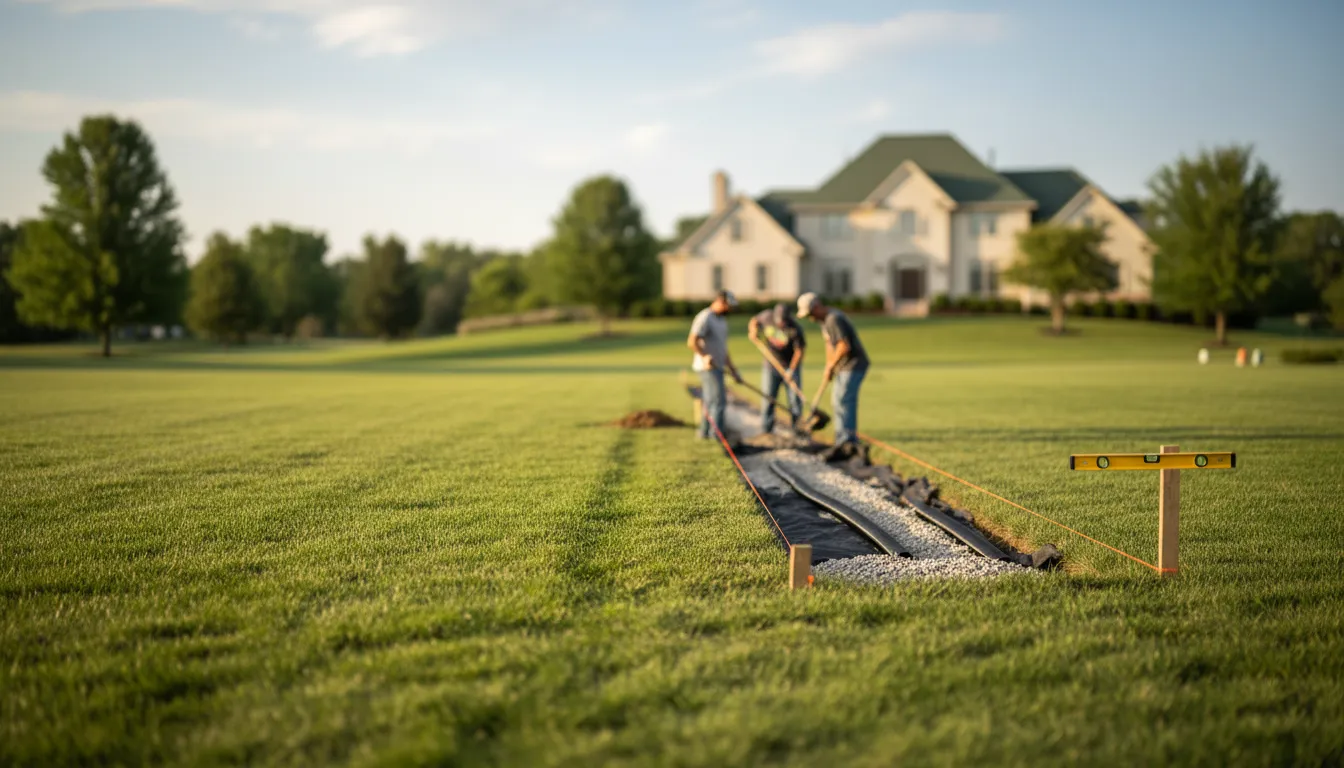
Find the Best Yard Drainage Contractors for Your Business
No obligation • Fast responses • Nationwide coverage

Why you can trust Landscape Atlas
Landscape Atlas is a leading United States resource for evaluating landscaping, lawn care, and outdoor service providers. Our team researches each category in depth, focusing on service quality, safety, and customer experience. Listings and rankings are based on independent criteria and user feedback, and companies cannot pay to influence our assessments or recommendations.
Search providers near you
Top Yard Drainage Contractors in Omaha, Nebraska Ranked
Proper yard drainage and grading are essential for protecting your Omaha home's foundation, preventing basement flooding, and maintaining a healthy, usable landscape. In a region prone to heavy spring rains and summer thunderstorms, managing surface water and subsurface moisture is a critical part of home maintenance. This guide will help you understand the common solutions-from simple grading to complex French drain systems-so you can find the right local expertise to solve your property's unique water issues.
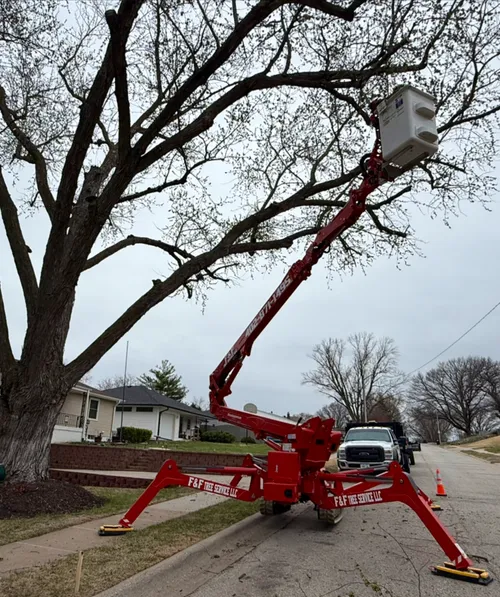
F & F Tree & Landscaping service LLC.
2424 S 12th St, Council Bluffs, IA 51501
F & F Tree & Landscaping Service LLC. is a landscaping and lawn care company based in Omaha, NE. They provide a broad range of services including landscape design, installation, and maintenance, tree pruning and removal, yard drainage and grading, sprinkler system installation and repair, and outdoor lighting. The company serves both residential and commercial clients in the Omaha Metropolitan area. Their capabilities include comprehensive landscape construction and irrigation system services. F & F Tree & Landscaping has developed long-term client relationships by consistently delivering valuable customer service and landscaping solutions.
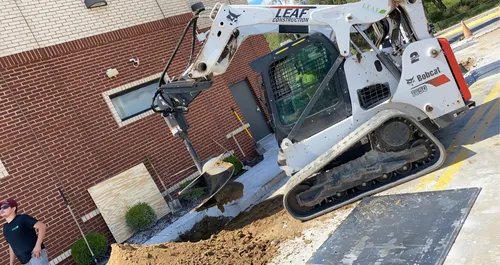
Leaf Construction
15586 Walnut Cir, Omaha, NE 68144
Leaf Construction is a family-owned and operated company based in Omaha, NE, specializing in concrete services, yard drainage, grading, land clearing, brush removal, and hardscaping. They provide concrete removal and repair for walkways, driveways, and parking lots, as well as decorative stamped concrete for residential and commercial properties. Their services also include lot clearing, excavation, demolition, and retaining wall construction for erosion control and drainage. Leaf Construction handles both residential and commercial projects with a focus on safety and quality workmanship.
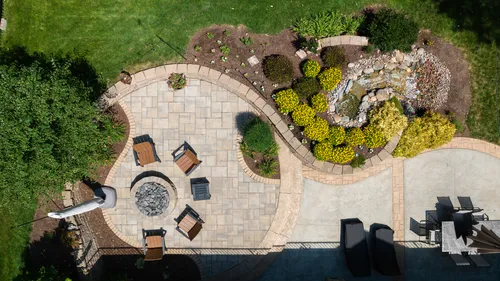
Sun Valley Landscaping
5601 Harrison St, Omaha, NE 68157
Sun Valley Landscaping is a landscaping company based in Omaha, NE, offering a wide range of residential and commercial outdoor services. Their expertise includes landscape design and build, hardscaping such as patios and retaining walls, lawn care and maintenance, irrigation installation and repair, and yard drainage solutions. The company focuses on creating tailored outdoor spaces that combine functionality with aesthetic appeal. They provide detailed design plans and professional construction to enhance property value and curb appeal. Sun Valley Landscaping also addresses drainage issues and offers ongoing maintenance to keep landscapes healthy and attractive. Serving Omaha and surrounding areas, they emphasize clear communication and craftsmanship throughout each project.
Conserva Irrigation of Omaha
Omaha, NE
Conserva Irrigation of Omaha provides residential and commercial irrigation services in Omaha, NE, and surrounding areas. They focus on environmentally conscious irrigation solutions that promote water conservation and healthy landscapes. Their services include sprinkler system design, installation, repair, winterization, and upgrades using smart irrigation controllers and climate-based scheduling to optimize water use. The company offers expertise in grading and drainage to prevent pooling and runoff, ensuring efficient water absorption and system performance. Conserva Irrigation of Omaha combines local climate knowledge with modern technology to customize systems that adapt to seasonal changes and municipal regulations.
Precision Outdoor Solutions
Lincoln, NE
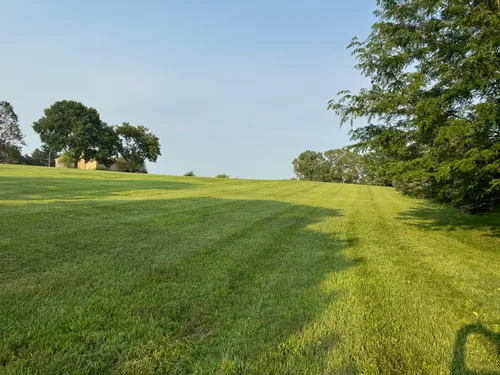
Precision Outdoor Solutions is a full-service outdoor solutions company based in Lincoln, NE. Established in 2021, they provide comprehensive lawn care, landscaping, hardscaping, irrigation, and snow and ice management services for both residential and commercial properties. Their capabilities include lawn fertilization, weed control, sod installation, grading, sprinkler system installation and repair, as well as the construction of patios and retaining walls. They serve Lincoln and surrounding areas including Ashland, Gretna, Elkhorn, Papillion, and Omaha.
Why Omaha Homes Need Professional Drainage Solutions
Omaha's clay-heavy soil and variable topography can create significant challenges for homeowners. When soil becomes saturated, it has poor permeability, causing water to pool on the surface or flow toward your home's foundation. This isn't just a nuisance; it's a threat to your property's structural integrity. Persistent moisture can lead to cracked foundations, flooded basements, ruined landscaping, and even create breeding grounds for mosquitoes. Effective land drainage and site grading redirect this water away from your home to a safe discharge point, such as a storm sewer, street gutter, or a dry well on your property.
Common Yard Drainage Problems in Omaha
Identifying the symptom is the first step toward a cure. Here are the most frequent water management issues faced by Omaha property owners:
- Standing Water: Puddles that linger for days after a rain indicate poor surface drainage. These soggy areas kill grass, attract pests, and can make your yard unusable.
- Basement Seepage: Water finding its way into your basement or crawl space is often a sign of hydrostatic pressure building up against the foundation walls due to improper lot grading.
- Soil Erosion: Fast-moving runoff can wash away topsoil from slopes or garden beds, undermining plants and creating unsightly gullies.
- Foundation Cracks: Over time, constant soil expansion and contraction from moisture can stress foundation walls, leading to cracks and costly repairs.
- Ice Dams in Winter: Poor drainage in fall can lead to saturated soil around the foundation, which then freezes in winter, potentially causing frost heave and further structural stress.
Core Solutions: An Overview of Drainage & Grading Systems
Professional contractors in Omaha utilize a toolbox of techniques to manage water. The right solution depends on your property's slope, soil type, and the specific source of the water problem.
Yard Grading and Recontouring
This is often the first line of defense. Yard grading involves reshaping the soil around your home to create a slope that directs water away. The standard recommendation is a minimum 5% grade-meaning a 6-inch drop over a 10-foot span-for at least the first 10 feet from your foundation 1 2. For larger areas, land grading ensures the overall property slope channels water to appropriate outlets. This process may involve cutting away high spots or bringing in and compacting new topsoil to build up low areas.
Subsurface Drainage: French Drains and Catch Basins
When surface grading isn't enough, or when dealing with groundwater, subsurface systems are installed.
- French Drains: A French drain is a trench filled with gravel containing a perforated pipe. It's designed to intercept water flowing through the soil, collect it in the pipe, and channel it away from the problem area 3. They are excellent for relieving water pressure against foundation walls or draining a perpetually soggy low spot in the yard.
- Catch Basins: These are grated inlets installed in low points where surface water collects. The basin connects to a solid pipe that carries the water underground to a discharge location. They are crucial for managing heavy runoff from downspouts or driveways.
Surface Water Management: Swales and Dry Creek Beds
These solutions work with the landscape's aesthetics to handle water.
- Swales: A swale is a broad, shallow, vegetated channel designed to slow down and direct runoff. It's a more natural alternative to concrete ditches and can be integrated seamlessly into your landscaping.
- Dry Creek Beds: These are decorative, rock-filled channels that mimic a natural stream bed. They are both a functional and attractive way to manage the flow of water across your property during heavy rains, preventing erosion in the process.
Eco-Friendly Absorption: Rain Gardens
A rain garden is a depressed area planted with native, water-tolerant vegetation. It's designed to collect runoff from roofs or paved areas and allow it to slowly infiltrate into the ground, filtering pollutants in the process. This is a sustainable stormwater management technique that reduces the burden on municipal systems and adds beauty to your yard.
Downspout and Gutter Management
Often, the simplest fix has the biggest impact. Extending downspouts at least 5 to 10 feet away from your foundation with solid pipes or splash blocks can prevent a huge volume of roof water from pooling at your home's base. For a cleaner look, downspouts can be connected to underground drainage pipes that lead to a catch basin or dry well.
Find the perfect yard drainage contractors for your needs
Get personalized recommendations and expert advice
The Professional Installation Process: What to Expect
Hiring a professional ensures the job is done correctly and permanently. Here's a typical workflow for a drainage installation project in Omaha:
- Site Assessment and Diagnosis: A specialist will visit your property, ideally after or during a rain, to observe water flow, identify sources, locate low spots, and assess soil conditions. They will also check your existing gutters and downspouts.
- Custom Design and Planning: Based on the assessment, the contractor will design a system that may combine several solutions (e.g., regrading near the foundation paired with a French drain along the side yard). They will map out the drainage path and determine the final discharge point.
- Excavation and Site Preparation: This involves digging trenches for drains, shaping the land for grading or swales, and preparing the area for the new system. For French drains, this includes digging to the proper depth and slope.
- System Installation: Pipes are laid, catch basins are set and leveled, gravel and filter fabric are placed, and the soil is precisely reshaped to the designed grade. All components are connected to form a cohesive system.
- Connection and Discharge: The system is tied into a legal and effective outlet, such as a storm drain, a lower wooded area of the property, or a dry well.
- Restoration and Cleanup: The work area is restored. This includes backfilling trenches, replacing topsoil, and reseeding or re-sodding the lawn to leave your property looking better than when the project started 4.
Understanding Investment: Costs for Drainage Work in Omaha
The cost for yard drainage solutions varies widely based on the complexity of the problem, the size of your property, the solutions chosen, and local labor and material rates. Below is a general range to help you budget, but obtaining quotes from local Omaha contractors is essential for accurate pricing.
- Minor Grading/Soil Build-Up: Correcting small low spots by adding and compacting topsoil can range from $200 to over $1,000.
- Downspout Management: Installing extensions, splash blocks, or simple underground pipes typically costs between $100 and $500.
- French Drain Installation: For a standard residential French drain system (50-100 linear feet), expect to invest between $1,000 and $3,000 or more, depending on depth, accessibility, and materials.
- Catch Basin Installation: Installing a single catch basin with connecting pipe can cost $500 to $1,500+.
- Swales or Dry Creek Beds: Creating these landscaped drainage channels generally ranges from $500 to $2,000+.
- Rain Garden Installation: The cost for a professionally designed and planted rain garden usually falls between $500 and $2,500 5 6 7 8 9 10.
While DIY solutions exist for very minor issues, most land grading and drainage system projects require heavy equipment, precise slope calculations, and knowledge of local codes. A professional installation comes with a warranty and the peace of mind that your home is protected.
Frequently asked questions
Sources
Footnotes
-
Yard Grading 101: Everything you need to know - This Old House - https://www.thisoldhouse.com/lawns/yard-grading ↩
-
2021 International Residential Code (IRC) - R401.3 Drainage. - https://codes.iccsafe.org/s/IRC2021P3/chapter-4-foundations/IRC2021P3-Pt03-Ch04-SecR401.3 ↩
-
Essential Yard Drainage Systems to Protect Your Landscape - https://hydroscapespa.com/top-yard-drainage-systems/ ↩
-
Water Drainage - Omaha - AJs Landscaping - https://ajslandscapingomaha.com/water-drainage/ ↩
-
Drainage & Grading | Omaha, Elkhorn, & Bennington, NE - https://www.groundscapes.com/drainage-grading ↩
-
Yard Drainage Omaha | Lawn And Landscape Drainage ... - https://yarddrainageomaha.com/ ↩
-
Control Heavy Runoff - Solving Drainage and Erosion Problems - https://www.fairfaxcounty.gov/soil-water-conservation/drainage-problem-control-runoff ↩
-
7 Ways to Improve Drainage in Your Yard - LawnStarter - https://www.lawnstarter.com/blog/landscaping/improve-drainage-in-your-yard/ ↩
-
What You Can Do to Soak Up the Rain | US EPA - https://www.epa.gov/soakuptherain/what-you-can-do-soak-rain ↩
-
How to Solve Yard Drainage Problems | Lowe's - https://www.lowes.com/n/how-to/solve-simple-drainage-problems ↩