Find the Best Yard Drainage Contractors for Your Business
No obligation • Fast responses • Nationwide coverage

Why you can trust Landscape Atlas
Landscape Atlas is a leading United States resource for evaluating landscaping, lawn care, and outdoor service providers. Our team researches each category in depth, focusing on service quality, safety, and customer experience. Listings and rankings are based on independent criteria and user feedback, and companies cannot pay to influence our assessments or recommendations.
Search providers near you
Top Yard Drainage Contractors in Niagara Falls, New York Ranked
Effective yard drainage and proper land grading are essential for protecting your Niagara Falls property from water damage. Persistent puddles, soggy lawns, and moisture seeping into your foundation or basement are clear signs that your landscape isn't managing stormwater runoff correctly. This guide explains the core solutions-from grading and French drains to rain gardens-and how you can connect with local professionals who understand the unique soil and climate challenges of the Niagara region to find a lasting fix for your water woes.
Timber Works
Buffalo, NY
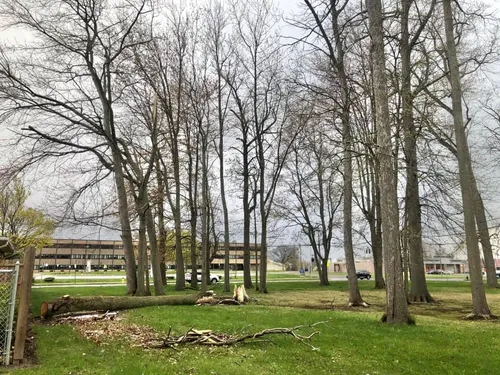
Timber Works is a tree service company based in Buffalo, NY, serving customers throughout Western New York. They offer a range of services including tree removal, stump grinding, grading, land clearing, brush mowing, and site cleanup. The company uses state-of-the-art equipment to ensure safe and efficient work. Timber Works has been serving the area for many years and is fully licensed and insured.
Nickel City Home Service
40 Dewberry Ln, Buffalo, NY 14227
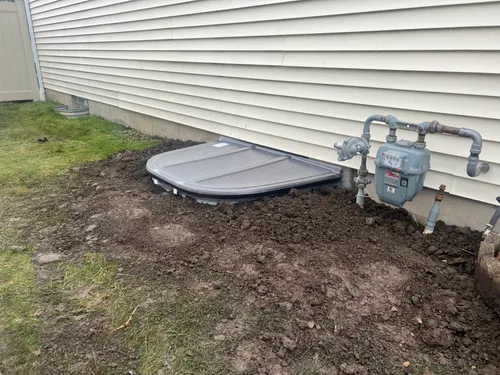
Nickel City Home Service is a licensed, veteran-owned company based in Buffalo, NY, specializing in foundation waterproofing, foundation repairs, yard drainage, and egress window installation. They offer comprehensive solutions to manage water intrusion and stabilize foundations affected by shifting soil conditions common in the Buffalo area. With over 30 years of combined experience, Nickel City Home Service installs complete drainage systems to eliminate standing water and provides foundation fortification to maintain home stability.
Craig's Landscaping Inc.
Buffalo, NY
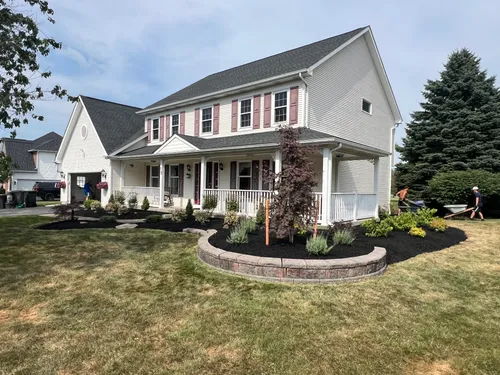
Craig's Landscaping Inc. is a locally owned landscaping company serving Buffalo, NY, and the surrounding Western New York region. They offer a wide range of services including landscape design, sod installation, plant installation, bed maintenance, mulching, and hardscaping. The company specializes in addressing local challenges such as drainage issues, harsh weather, and limited sunlight by providing tailored solutions like grading, soil conditioning, and planting climate-appropriate vegetation. With over 15 years of experience, Craig's Landscaping provides full-service landscaping from design to installation and care guidance, ensuring projects are suited to the region's climate and customer needs. They maintain all-season service availability to support clients throughout the year.
Absolute Home Services
2001 Bullis Rd, Elma, NY 14059
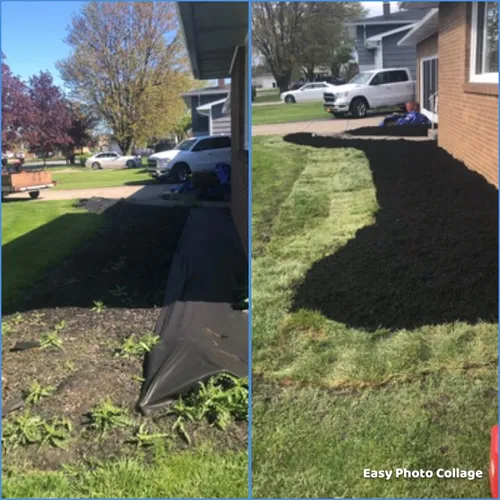
Absolute Home Services is a landscaping company based in Buffalo, NY, specializing in landscape design, yard drainage, grading, and general landscaping services. They focus on creating elegant outdoor living spaces by combining seasonal color, perennials, and maintenance to enhance the beauty and value of homes. Their services include soil improvement, grass seeding, and pressure washing concrete surfaces prior to seal application. The company emphasizes attention to detail and customer satisfaction through thorough consultations to meet client goals.
Excavation Pros
3214 Genesee St, Cheektowaga, NY 14225
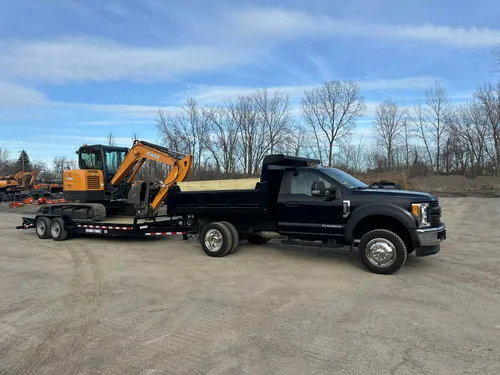
Excavation Pros is a site preparation and excavation company serving Buffalo, NY, and surrounding areas including Niagara Falls and Orchard Park. With over 20 years of experience, they handle residential and commercial projects such as excavation, demolition, grading, land clearing, drainage installation, and snow removal. The company is licensed and insured, offering services like garage demolition and gravel driveway installation. They work closely with customers and provide special rates for seniors and veterans.
Why Proper Drainage is Critical in Niagara Falls
Living in a city famous for its powerful waterfalls means water is a constant force. On a residential scale, managing that water on your property is crucial. Without a well-designed drainage system, stormwater runoff can pool in your yard, kill your grass, create muddy messes, and, most concerningly, threaten your home's structural integrity by saturating the soil around your foundation. The clay-heavy soils common in parts of Niagara County can exacerbate these issues, as they absorb water slowly and drain poorly. Implementing effective water management solutions not only preserves your landscape and home but also contributes to reducing localized flooding and protecting the local watershed.
Core Solutions for Managing Yard Water
Tackling drainage problems involves intercepting, redirecting, or absorbing excess water. Here are the primary methods used by landscape and drainage contractors in the area.
Regrading and Slope Correction
Grading is the process of shaping the soil to create a gentle slope that directs surface water away from your home's foundation. The standard guideline is a slope of at least 6 inches downward over a distance of 10 feet. This is often the first line of defense, correcting the overall flow of water across your property. For homes where the land slopes toward the house, regrading involves excavating and moving soil to reverse this flow, a task best left to professionals with the right equipment.
Subsurface Drainage Systems
When surface grading isn't enough, subsurface solutions are employed to manage water below ground.
- French Drains: A French drain is a gravel-filled trench containing a perforated pipe. It's designed to intercept groundwater and surface runoff, collecting it in the pipe and safely channeling it away from problem areas, such as a perpetually wet corner of your yard or alongside your foundation.
- Dry Wells: A dry well is an underground structure, typically a large pit filled with gravel or a pre-fabricated chamber, that collects water from downspouts or drains and allows it to percolate slowly into the surrounding soil. This is an excellent solution for properties with good soil absorption but limited space to daylight a drain pipe.
Surface-Level Absorption and Diversion
These solutions work with your landscape to slow down and soak up rainwater.
- Rain Gardens: A rain garden is a shallow, planted depression designed to temporarily hold and absorb runoff from roofs, driveways, or patios. Filled with native, water-tolerant plants, it filters pollutants and allows water to infiltrate the ground naturally, often solving minor drainage issues while adding beauty to your yard.
- Downspout Management: Simply extending your downspouts several feet away from your foundation can make a dramatic difference. More advanced solutions include redirecting downspout water into rain barrels for reuse or connecting them via solid pipe to a dry well or drainage swale.
- Permeable Surfaces: Replacing solid concrete or asphalt with permeable pavers, gravel, or other porous materials for walkways, patios, or driveways allows rainwater to seep through the surface into the ground below, reducing overall runoff volume 1.
Find the perfect yard drainage contractors for your needs
Get personalized recommendations and expert advice
The Professional Installation Process: What to Expect
Hiring a local Niagara Falls contractor for drainage work typically follows a structured process to ensure an effective and code-compliant solution.
- Site Assessment and Diagnosis: A reputable contractor will start with a thorough inspection of your property. They will identify where water is pooling, trace its flow, check the slope around your foundation, and assess soil conditions. This diagnosis is critical for recommending the right fix.
- Planning and Design: Based on the assessment, the professional will design a solution. This may involve a single technique or a combination (e.g., regrading the lawn and installing a French drain along a low side). They should also check the City of Niagara Falls zoning ordinances and any Niagara County stormwater guidelines to ensure the plan meets local requirements 2.
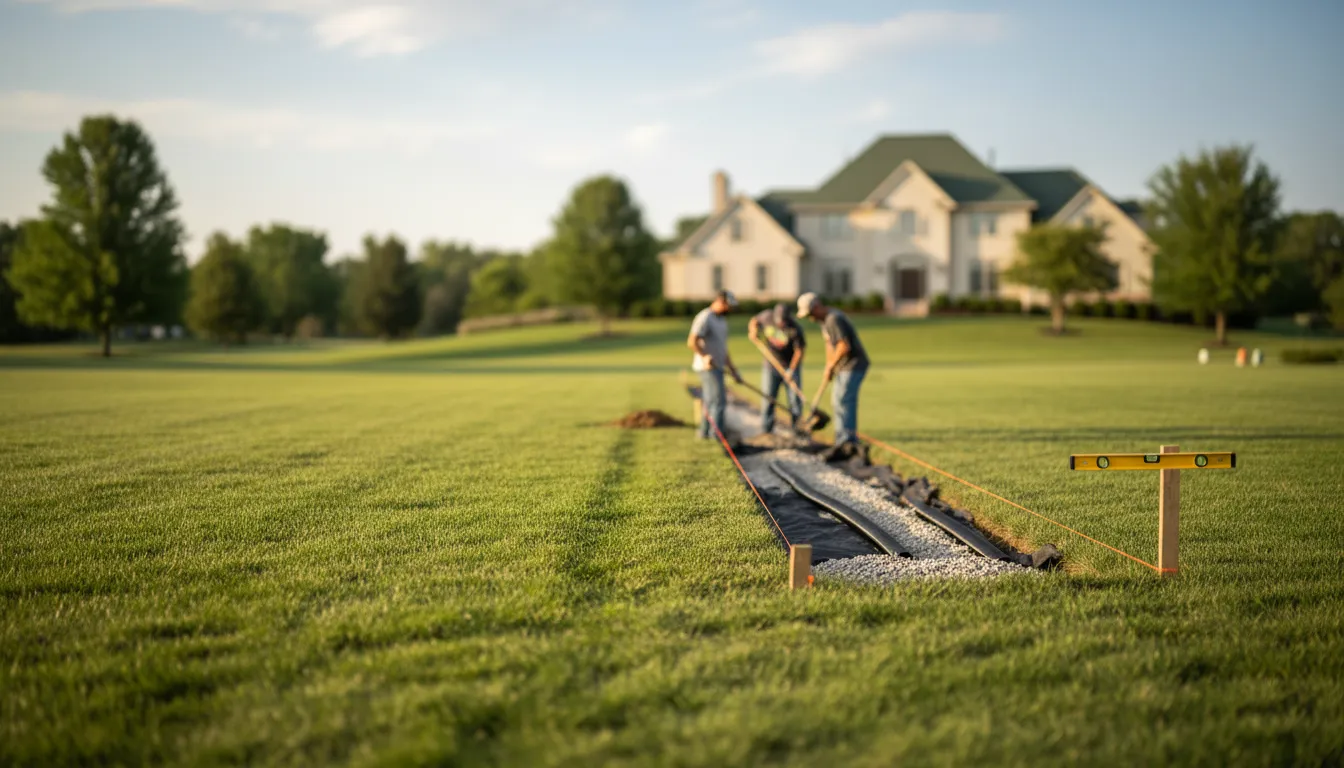
- Installation: The physical work begins. For grading, this means careful excavation and soil moving with machinery. For a French drain, it involves digging a deep trench, laying landscape fabric, placing the perforated pipe, filling with gravel, and then covering it. A rain garden installation includes excavating a basin, amending the soil, and planting. Throughout this phase, proper technique is key to long-term functionality 3.
- Final Implementation and Landscaping: The project concludes with redirecting downspouts, installing any above-ground elements like rain barrels, and restoring the area with sod, seed, or mulch to blend the new drainage features seamlessly into your landscape.
Understanding Investment and Local Considerations
The cost for drainage and grading work in Niagara Falls varies significantly based on the complexity of the problem and the solutions chosen. Simple DIY projects like installing a rain barrel may range from $50 to $200 4. Professional landscaping for a basic regrading project might start in the hundreds of dollars. More involved solutions like a professionally installed French drain or dry well system typically range from $1,000 to $5,000 or more, depending on the length, depth, and difficulty of excavation 5 6. Permeable paving is a larger investment, often quoted at $10 to $30+ per square foot for materials and professional installation.
It's important to work with contractors familiar with Niagara County's specific conditions. They will understand local soil types, such as areas with heavy clay or shallow bedrock, which can dramatically affect how a drainage system is designed 7. Furthermore, they should be knowledgeable about the Niagara Falls Water Board's Stormwater Management Program, which outlines guidelines for managing runoff to protect water quality in the Niagara River watershed 8.
Maintaining Your Drainage System
Once installed, a good drainage system requires minimal but important maintenance to keep it functioning for years:
- Keep it Clear: Regularly inspect and clear debris from gutters, downspout extensions, and the surface openings of any drains or dry wells.
- Check the Flow: After heavy rains, ensure water is moving through your system as designed and not pooling in new areas.
- Landscape Mindfully: Avoid planting deep-rooted shrubs or trees near buried drainage pipes, and be careful not to alter the graded slopes of your lawn when doing other landscaping work.
Frequently asked questions
Sources
Footnotes
-
Methods to Reduce Urban Runoff: AP® Environmental Science Review - https://www.albert.io/blog/methods-to-reduce-urban-runoff-ap-environmental-science-review/ ↩
-
City of Niagara Falls, New York Zoning Ordinance - https://www.esd.ny.gov/sites/default/files/rfp/CNF-Part-13-Zoning-Ordinance-with-Schedules-ver9152021-FINAL-FOR-PUBLICATION..pdf ↩
-
Protect Your Home: Essential Yard Drainage Tips - https://www.allentucklandscaping.com/grading-for-yard-drainage/ ↩
-
What You Can Do to Soak Up the Rain | US EPA - https://www.epa.gov/soakuptherain/what-you-can-do-soak-rain ↩
-
Stormwater runoff pollution and how to reduce it - King County, Washington - https://kingcounty.gov/en/dept/dnrp/nature-recreation/environment-ecology-conservation/stormwater-surface-water-management/stormwater-services/stormwater-runoff ↩
-
Control Heavy Runoff - Solving Drainage and Erosion Problems - https://www.fairfaxcounty.gov/soil-water-conservation/drainage-problem-control-runoff ↩
-
STORMWATER MANAGEMENT PROGRAM PLAN - https://regional-institute.buffalo.edu/wp-content/uploads/sites/155/2021/07/Niagara-County-Stormwater-Management-Plan-1.pdf ↩
-
Stormwater Management Program Plan (SWMP Plan) Niagara ... - https://nfwb.org/app/uploads/2024/09/DRAFT-2024-Stormwater-Management-Plan.pdf ↩