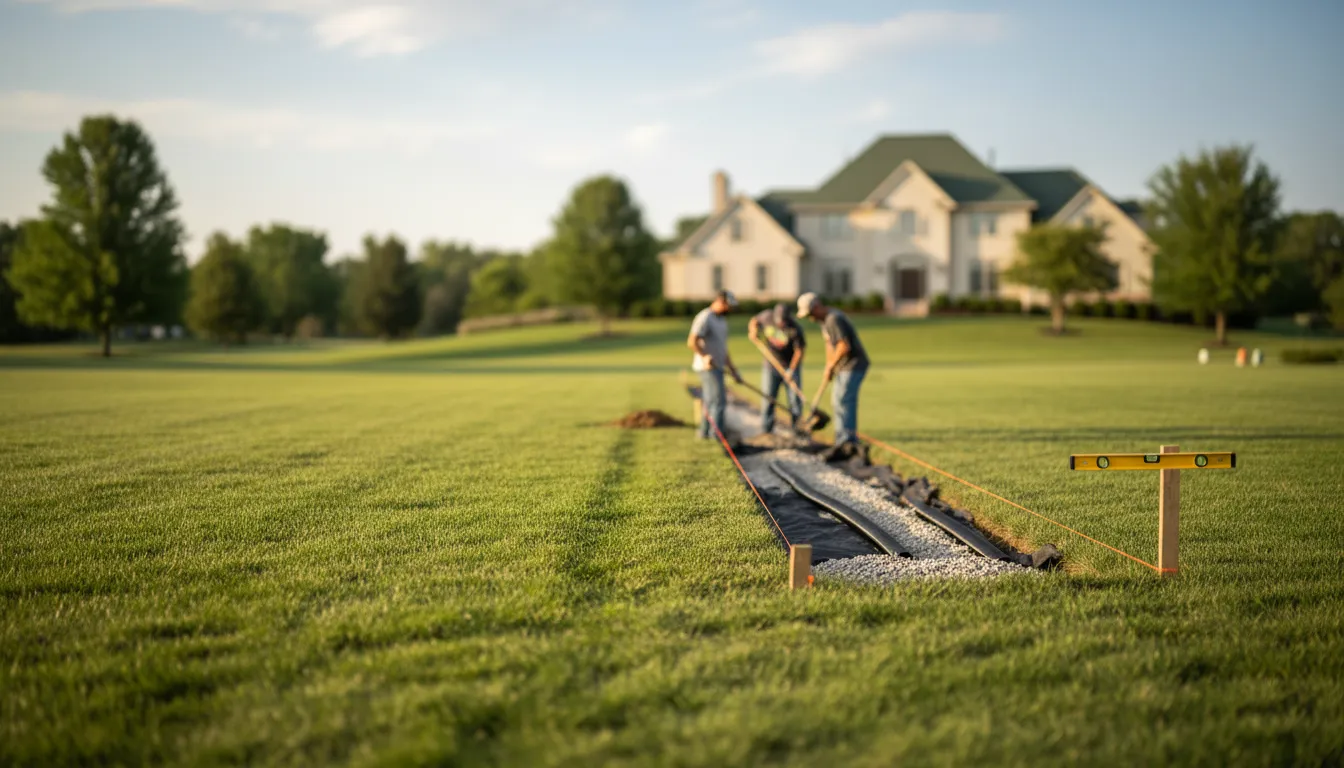
Find the Best Yard Drainage Contractors for Your Business
No obligation • Fast responses • Nationwide coverage

Why you can trust Landscape Atlas
Landscape Atlas is a leading United States resource for evaluating landscaping, lawn care, and outdoor service providers. Our team researches each category in depth, focusing on service quality, safety, and customer experience. Listings and rankings are based on independent criteria and user feedback, and companies cannot pay to influence our assessments or recommendations.
Search providers near you
Top Yard Drainage Contractors in Bremerton, Washington Ranked
A soggy, waterlogged yard is more than just a nuisance; it can threaten your home's foundation, create mosquito breeding grounds, and ruin your landscaping. Effective yard drainage and grading are essential for managing the Pacific Northwest's abundant rainfall and protecting your property. This guide explains the common water management solutions for Bremerton homes, from simple grading adjustments to complex French drain systems, and helps you understand how to connect with local professionals who can assess your specific situation and implement a lasting fix.
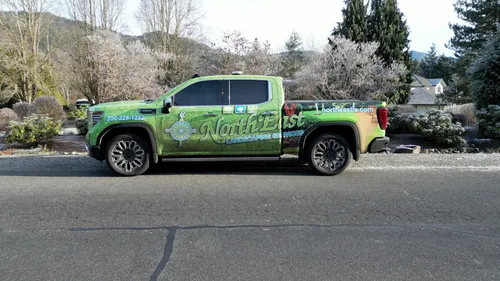
North East Landscaping Services
12259 155th Ave SE, Renton, WA 98059
North East Landscaping Services is a family-owned landscaping company with over 20 years of experience serving residential and commercial clients in Seattle, WA. They provide a comprehensive range of outdoor services including lawn care, fertilization, weed control, sod and artificial turf installation, fence and deck construction, landscape lighting, tree services, yard drainage, sprinkler installation and repair, as well as hardscaping like pavers and retaining walls. The company emphasizes quality workmanship and building lasting relationships with clients, handling projects of all sizes with care and honesty.
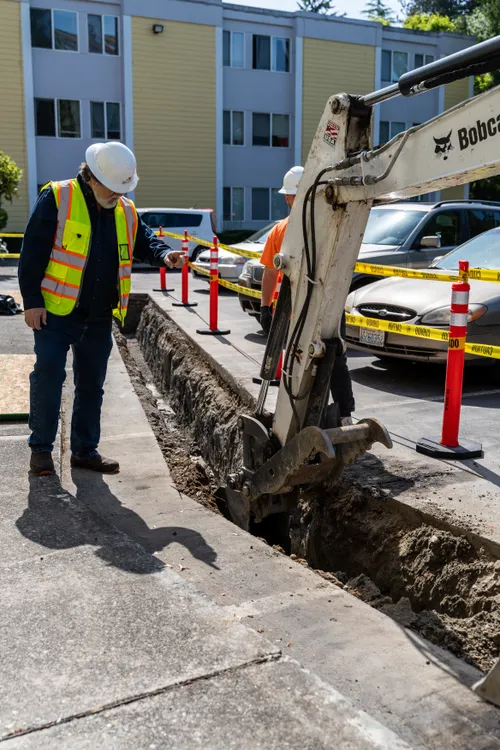
ACES FOUR Enterprises - Sewer Repair & Replacement
537 S Southern St, Seattle, WA 98108
ACES FOUR Enterprises - Sewer Repair & Replacement is a yard drainage and sewer contractor based in Seattle, WA. They provide a range of services including sewer repair, drain cleaning, water line installation, excavation, and demolition. Their capabilities include hydro jetting for sewer line cleaning and comprehensive drainage solutions such as foundation waterproofing and trench drain installation. With an in-house crew boasting 45 years of experience, they focus on careful planning, obtaining necessary permits, and maintaining clean job sites throughout their projects.
Badger Excavation
Seattle, WA
Badger Excavation is a Seattle, WA-based contractor offering excavation, land clearing, grading, and hardscaping services. Their work includes road building, driveways, site and foundation preparation, septic systems, brush removal, and installation of concrete landscape curbing and retaining walls. With 15 years of experience, the owner personally oversees quality and ensures clear communication throughout projects.
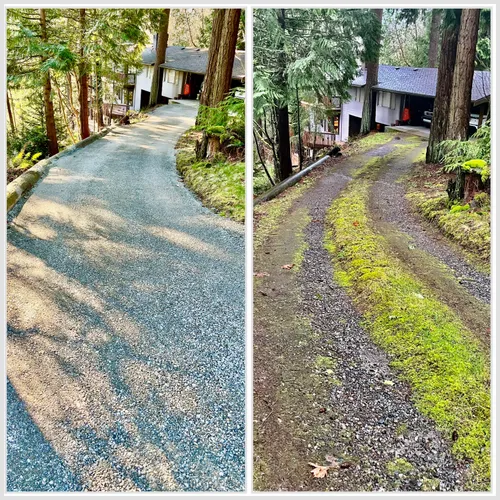
Precision Landscape LLC
16203 122nd Ave SE, Renton, WA 98058
Precision Landscape LLC is a landscaping company based in Seattle, WA, offering a wide range of services including sod installation, artificial turf, tree removal, stump grinding, yard drainage, grading, land clearing, and brush removal. Serving residential and commercial clients throughout King County, they provide customized landscaping solutions supported by specialized equipment to improve efficiency and project outcomes. Their capabilities include comprehensive tree services and land clearing to prepare properties for various uses. With over 15 years of experience, Precision Landscape LLC is licensed, bonded, and insured to handle diverse landscaping needs.
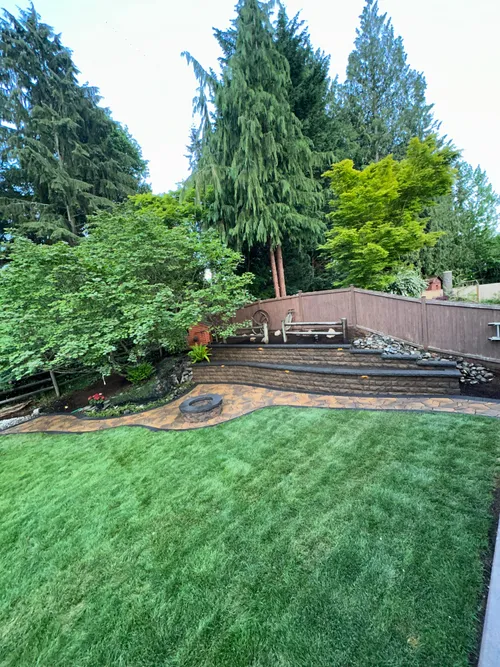
Acosta landscape and paver LLC.
20921 44th Ave W, Lynnwood, WA 98036
Acosta Landscape and Paver LLC. is a landscaping and hardscaping company based in Seattle, WA. They provide a range of services including sod and artificial turf installation, landscape lighting, yard drainage and grading, land clearing, and the construction of pavers and retaining walls. The team is skilled in creating custom outdoor spaces, including patios, planters, and outdoor kitchens, and they also handle drainage solutions such as French drains. Customers appreciate their detailed project planning and ability to manage complex landscaping projects efficiently.
Why Proper Drainage is Critical in Bremerton
Bremerton's climate, with its significant annual rainfall, makes managing stormwater a priority for every homeowner. When water isn't properly directed away from your home, it can lead to a host of expensive problems. The most serious is hydrostatic pressure against your foundation walls, which can cause cracks, leaks, and costly structural damage over time. Persistent puddling can also drown plant roots, create slippery surfaces, and contribute to soil erosion in your yard. Furthermore, the City of Bremerton has a Stormwater Comprehensive Plan to manage runoff on a municipal level, but property owners are responsible for controlling water on their own land 1. Implementing effective drainage solutions not only protects your investment but also contributes to the broader health of local waterways by reducing polluted runoff.
Common Yard Drainage Problems and Their Signs
Before choosing a solution, you need to diagnose the problem. Here are the most frequent drainage issues faced by homeowners in the Kitsap County area:
- Pooling Water: The most obvious sign. If water stands for more than 24 hours after rain, you have a drainage issue. Common spots are near downspouts, in low-lying areas of the lawn, or next to patios and walkways.
- Soil Erosion: Look for gullies or channels carved into your soil, especially on slopes. This indicates water is moving too quickly and carrying topsoil away.
- Wet Basements or Crawl Spaces: Moisture or water seepage inside your home is a critical red flag that groundwater is not being managed correctly.
- Soggy Lawn: A perpetually spongy or muddy lawn, even in areas that aren't visibly pooled, suggests poor percolation or a high water table.
- Foundation Cracks: New or widening cracks in your home's concrete foundation or basement walls can be caused by saturated soil expanding and contracting.
Core Solutions for Yard Drainage and Grading
Professional water management involves a toolkit of techniques, often used in combination. Here are the primary methods used by local contractors.
Grading and Re-sloping Your Landscape
This is often the first and most fundamental step. Grading involves reshaping the soil to create a gentle, consistent slope that directs surface water away from your home's foundation and toward a suitable discharge point, like a storm drain or a dry well. The standard recommendation is a slope of at least 2% (a 2-foot drop over 100 feet) for at least the first 10 feet from your foundation. Regrading can solve many surface runoff problems, especially if your yard was originally leveled or slopes toward the house.
Subsurface Drainage: French Drains and Dry Wells
When water is saturating the soil below the surface, a subsurface system is needed. A French drain is a trench filled with gravel and a perforated pipe that is wrapped in landscape fabric. It acts like an underground gutter, intercepting groundwater and channeling it away from problem areas. The pipe is laid with the holes facing down to collect water that percolates through the gravel. The water is then directed to a dry well (also called a soakaway)-a large, gravel-filled pit that allows water to slowly infiltrate into the surrounding soil-or to a daylight outlet like a ditch or storm sewer.
Surface Water Collection: Catch Basins and Channel Drains
For managing water that flows across hard surfaces like driveways, patios, or walkways, surface collection is key. Catch basins are grated inlets installed in low spots that connect to an underground pipe system, capturing large volumes of surface runoff before it can pool 2. Channel drains (or trench drains) are long, narrow grates that run along the edge of a pavement to intercept sheet flow. These are excellent solutions for preventing water from cascading off a driveway and into a garage or basement.
Find the perfect yard drainage contractors for your needs
Get personalized recommendations and expert advice
Sustainable Stormwater Management: Rain Gardens and Permeable Surfaces
These "green infrastructure" solutions are increasingly popular for their environmental benefits and aesthetic appeal. A rain garden is a shallow, planted depression designed to capture and temporarily hold runoff from roofs or paved areas. The water slowly soaks into the ground, filtered by the soil and plants, which are typically native species that tolerate both wet and dry conditions. This reduces the volume and improves the quality of runoff entering the municipal system.
Using permeable surfaces like porous pavers, gravel, or permeable concrete for patios, walkways, or driveways allows rainwater to seep through the surface into a stone reservoir below, where it gradually infiltrates the soil. This mimics natural absorption and significantly reduces runoff from your property.
The Professional Installation Process
A lasting drainage solution requires careful planning and execution. Here's what you can expect when working with a local specialist on your water management project:
- Site Assessment and Diagnosis: A professional will inspect your property during or after a rain event to identify the source of water, its flow path, and where it pools. They will also check your downspouts, gutters, and the slope of your yard.
- Custom Design and Planning: Based on the assessment, they will design a system tailored to your property's topography, soil type, and problem areas. This plan will specify the type of solutions (e.g., regrading, French drain, catch basin), their placement, and where the water will be safely discharged.
- Preparation and Excavation: The work area will be marked, and trenches will be dug for drains or basins. For regrading, significant earthmoving may be required.
- System Installation: This involves laying landscape fabric, placing gravel and perforated pipe for French drains, setting catch basins, constructing dry wells, or building the form for a rain garden with specialized soil mix.
- Final Connections and Landscaping: Downspouts are connected to the drainage system, pipes are linked, and the system is tested with water. Finally, trenches are covered with soil and sod, and rain gardens are planted with appropriate vegetation.
Understanding Costs for Drainage Projects in Kitsap County
The investment for a drainage solution varies widely based on the scope, materials, and complexity of your site. Here's a general overview of potential costs:
- Minor Yard Grading: For correcting the slope in a specific area, costs might range from $500 to $2,000, depending on the amount of soil to be moved.
- French Drain System: A professionally installed French drain is a more significant investment, typically ranging from $1,500 to $5,000 or more. The final price depends heavily on the linear footage of the drain, the depth required, and site accessibility 3.
- Rain Garden Installation: Creating a functional and attractive rain garden can cost between $500 and $3,000. This includes excavation, soil amendments, plants, and mulch 4 5.
- Permeable Paving: This is often a premium option, with material and installation costs ranging from $10 to $30 or more per square foot, compared to standard concrete 6.
Frequently asked questions
Sources
Footnotes
-
Stormwater Comprehensive Plan - Bremerton, WA - https://www.bremertonwa.gov/1319/Stormwater-Comprehensive-Plan ↩
-
12 Residential Backyard Drainage Solutions - Protect Your Yard - https://wilsonslawncare.com/12-residential-backyard-drainage-solutions/2024/ ↩
-
10 Drainage Solutions for Your Yard - This Old House - https://www.thisoldhouse.com/lawns/lawn-drainage-solutions ↩
-
Drainage & Grading Services | Pacific Landcare Group | Kitsap County - https://www.pacificlandcaregroup.com/services/drainage-grading ↩
-
Control Heavy Runoff - Solving Drainage and Erosion Problems - https://www.fairfaxcounty.gov/soil-water-conservation/drainage-problem-control-runoff ↩
-
5 Effective Methods of Managing Urban Stormwater Runoff - https://www.pathlightpro.com/5-effective-methods-of-managing-urban-stormwater-runoff/ ↩