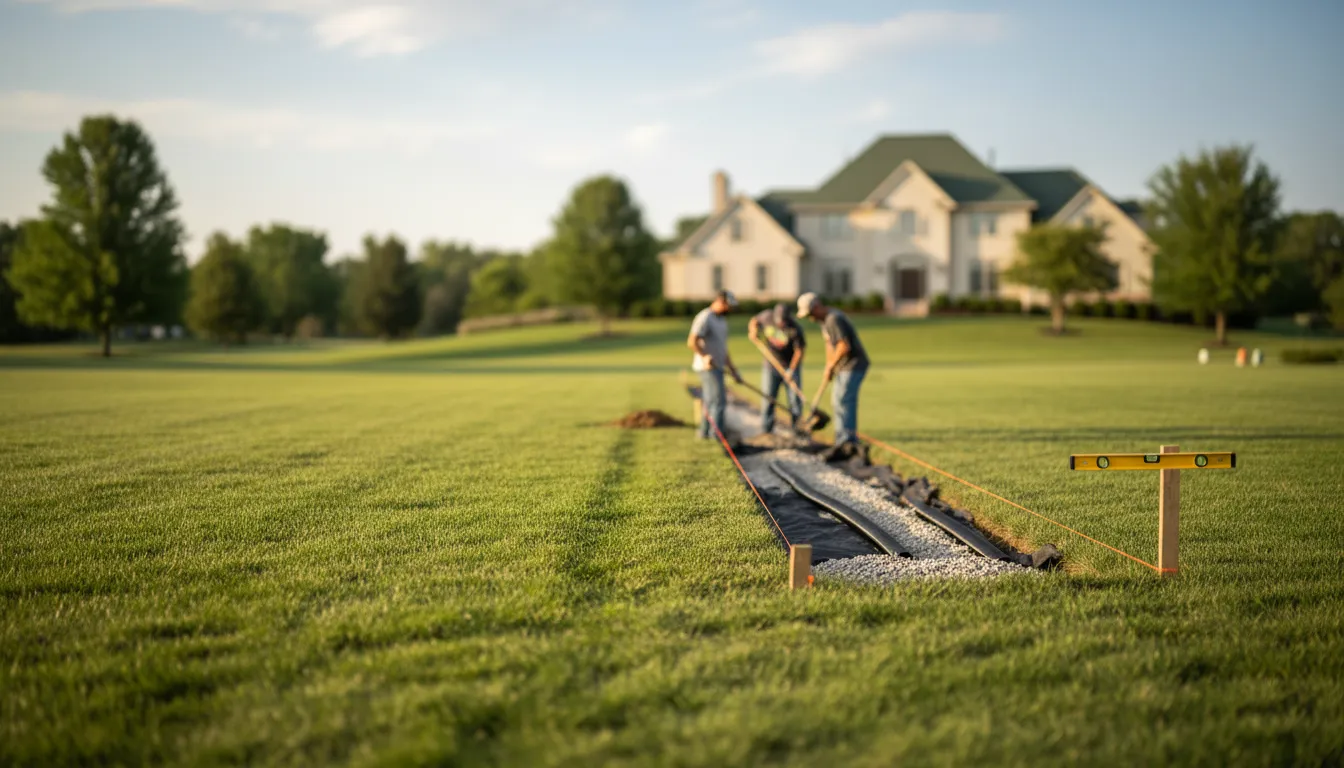
Find the Best Yard Drainage Contractors for Your Business
No obligation • Fast responses • Nationwide coverage

Why you can trust Landscape Atlas
Landscape Atlas is a leading United States resource for evaluating landscaping, lawn care, and outdoor service providers. Our team researches each category in depth, focusing on service quality, safety, and customer experience. Listings and rankings are based on independent criteria and user feedback, and companies cannot pay to influence our assessments or recommendations.
Search providers near you
Top Yard Drainage Contractors in Seattle, Washington Ranked
Managing water is a fundamental part of homeownership in Seattle. Effective yard drainage and grading are not just about preventing a soggy lawn; they are critical for protecting your home's foundation, preventing basement flooding, and preserving your landscape investment from erosion. With Seattle's famously wet climate, a proactive approach to surface water management is essential. This guide will help you understand the common solutions-from simple downspout extensions to complex green infrastructure-so you can identify the right approach for your property and connect with qualified local professionals who can assess and implement a lasting solution.
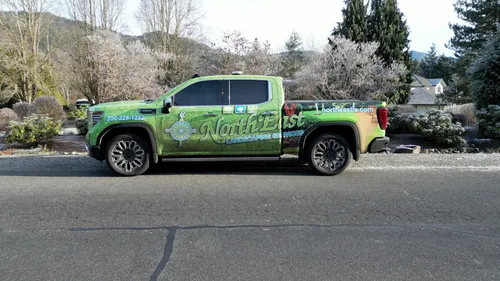
North East Landscaping Services
12259 155th Ave SE, Renton, WA 98059
North East Landscaping Services is a family-owned landscaping company with over 20 years of experience serving residential and commercial clients in Seattle, WA. They provide a comprehensive range of outdoor services including lawn care, fertilization, weed control, sod and artificial turf installation, fence and deck construction, landscape lighting, tree services, yard drainage, sprinkler installation and repair, as well as hardscaping like pavers and retaining walls. The company emphasizes quality workmanship and building lasting relationships with clients, handling projects of all sizes with care and honesty.
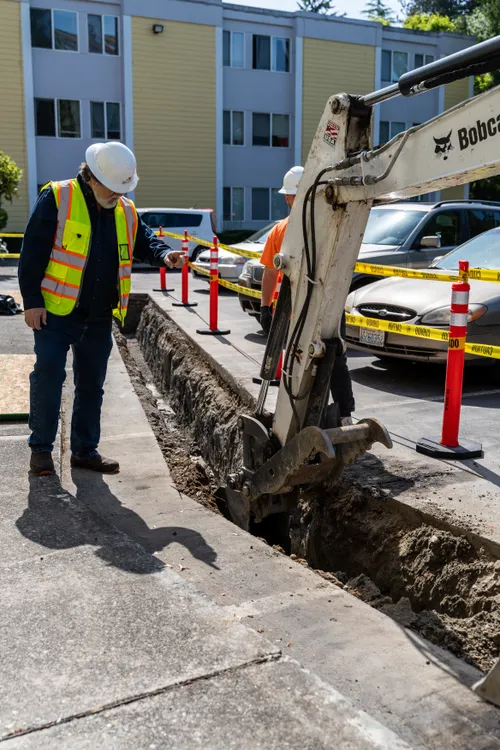
ACES FOUR Enterprises - Sewer Repair & Replacement
537 S Southern St, Seattle, WA 98108
ACES FOUR Enterprises - Sewer Repair & Replacement is a yard drainage and sewer contractor based in Seattle, WA. They provide a range of services including sewer repair, drain cleaning, water line installation, excavation, and demolition. Their capabilities include hydro jetting for sewer line cleaning and comprehensive drainage solutions such as foundation waterproofing and trench drain installation. With an in-house crew boasting 45 years of experience, they focus on careful planning, obtaining necessary permits, and maintaining clean job sites throughout their projects.
Badger Excavation
Seattle, WA
Badger Excavation is a Seattle, WA-based contractor offering excavation, land clearing, grading, and hardscaping services. Their work includes road building, driveways, site and foundation preparation, septic systems, brush removal, and installation of concrete landscape curbing and retaining walls. With 15 years of experience, the owner personally oversees quality and ensures clear communication throughout projects.
Precision Landscape LLC
16203 122nd Ave SE, Renton, WA 98058
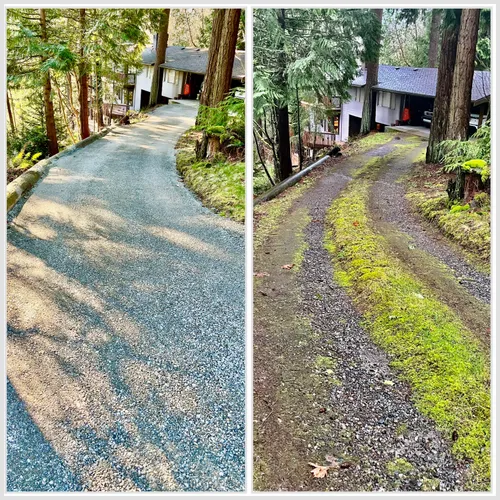
Precision Landscape LLC is a landscaping company based in Seattle, WA, offering a wide range of services including sod installation, artificial turf, tree removal, stump grinding, yard drainage, grading, land clearing, and brush removal. Serving residential and commercial clients throughout King County, they provide customized landscaping solutions supported by specialized equipment to improve efficiency and project outcomes. Their capabilities include comprehensive tree services and land clearing to prepare properties for various uses. With over 15 years of experience, Precision Landscape LLC is licensed, bonded, and insured to handle diverse landscaping needs.
Hone Landscape Company
31604 NE 40th St, Carnation, WA 98014
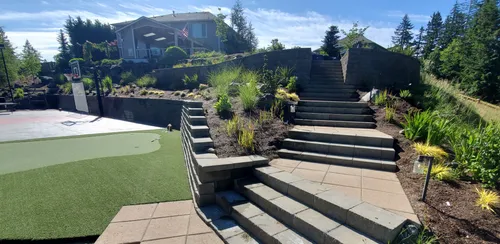
Hone Landscape Company is a landscaping and hardscaping contractor serving Seattle, WA, and nearby communities. They offer a full range of services including landscape design, sod and artificial turf installation, outdoor lighting, yard drainage solutions, and the construction of patios, retaining walls, and driveways. The company emphasizes a principles-based approach focused on clear communication and integrity. They have experience managing drainage problems and creating sustainable landscapes, ensuring projects are completed from design through installation with detailed estimates and ongoing customer updates.
Why Proper Drainage is Critical in Seattle
Seattle receives an average of over 37 inches of rain annually, with much of it falling during the wet winter and spring months1. This consistent moisture, combined with the region's varied topography and often dense, clay-heavy soils, creates a perfect storm for residential drainage issues. Without proper grading and water management systems, this runoff can pool around your home's foundation, leading to costly structural damage, mold growth in crawl spaces or basements, and landscape erosion2. Furthermore, the City of Seattle and King County have specific stormwater management codes designed to protect local waterways like Puget Sound, making certain drainage improvements not just a good idea, but a regulated necessity.
Common Signs You Need Drainage Work
How do you know if your property has a drainage problem? Look for these telltale signs, especially during or after a rainstorm:
- Standing Water: Puddles that linger for more than 24 hours in your yard, on your driveway, or near your foundation.
- Soil Erosion: Gullies or washed-out areas in your landscaping, or soil accumulating against your home's siding.
- Basement or Crawl Space Moisture: Dampness, musty odors, or visible water seepage in below-grade areas.
- Soggy Lawn: Spongy, waterlogged turf that is difficult to walk on and prone to disease.
- Downspout Dumping: Water cascading directly from your roof gutters onto the ground next to your foundation.
Core Solutions for Yard Drainage & Grading
Professional drainage solutions in Seattle typically fall into a few key categories, often used in combination for a comprehensive system.
Grading and Resloping
This is the process of shaping the land to create a gentle slope (typically a minimum 2% grade away from your home) that directs surface water to a desired outlet, such as a street gutter, dry well, or drainage ditch3 4. Regrading is often the first and most fundamental step, as it addresses the broad movement of water across your property. For significant regrading projects in Seattle, a permit may be required if the land disturbance exceeds certain thresholds5.
Subsurface Drainage Systems
When surface grading isn't enough, subsurface systems are installed to collect and redirect water below ground.
- French Drains: A perforated pipe laid in a gravel-filled trench. The pipe collects groundwater and surface runoff, channeling it away from problem areas 6.
- Catch Basins and Channel Drains: These are in-ground boxes or linear grates that collect surface water from driveways, patios, or low spots, connecting to an underground pipe system.
- Sump Pumps: Installed in a basement or crawl space pit, a sump pump actively collects incoming groundwater and pumps it away from the house.
Green Stormwater Infrastructure (GSI)
Strongly encouraged by the City of Seattle and King County, GSI uses natural processes to manage rainfall where it lands. These solutions are both functional and aesthetically pleasing.
- Rain Gardens: A landscaped depression planted with native, water-tolerant plants. It collects runoff from roofs or driveways, allowing it to slowly infiltrate the soil, filter pollutants, and reduce the burden on municipal storm drains.
- Bioswales: Similar to rain gardens but often longer and shallower, bioswales are vegetated channels designed to convey, slow down, and infiltrate stormwater runoff.
- Permeable Pavements: Driveways, patios, or walkways made with special pavers or porous concrete that allow water to seep through into a stone base below, reducing runoff.
Complementary Techniques
- Downspout Management: Simply extending your downspouts to discharge water at least 5-10 feet away from your foundation onto a splash block or into a buried pipe can solve many moisture problems.
- Rain Barrels and Cisterns: These systems capture roof runoff for later use in irrigation, temporarily holding water during a storm to reduce peak flow7.
Find the perfect yard drainage contractors for your needs
Get personalized recommendations and expert advice
The Professional Process: From Assessment to Installation
A successful drainage project follows a logical sequence. Understanding this process can help you know what to expect when working with a professional.
-
Site Assessment and Diagnosis: A thorough evaluation is the cornerstone. A qualified professional will inspect your property during or after rain to identify the source of water, its flow paths, and all problem areas. They will assess soil type, existing slope, and proximity to your home's foundation.
-
Design and Planning: Based on the assessment, a plan is developed. This may involve simple sketches or detailed engineering drawings for complex systems. The design will integrate solutions (e.g., a swale leading to a rain garden) and must comply with Seattle and King County drainage requirements 8. For significant projects, a landscape architect or civil engineer may be involved.
-
Permitting: In Seattle, a permit is generally required for land disturbance over 5,000 square feet or for creating more than 750 square feet of new hard, impervious surface. Your contractor should handle the permit application process, which ensures the work meets city codes for erosion control and long-term stormwater management.
-
Site Preparation and Earthwork: This phase involves the physical reshaping of your yard. It includes excavation, removing or adding soil, and carefully establishing the new grades and slopes according to the plan 9. Proper compaction of soil is crucial to prevent future settling.
-
Installation: The specific drainage components are installed. This could involve laying perforated pipe and gravel for a French drain, constructing a catch basin, planting a rain garden, or installing permeable pavers 10. All components are connected to form a cohesive system.
-
Testing and Final Grading: Once installed, the system should be tested with water to ensure proper flow and no leaks. Final grading and soil preparation are done, followed by the restoration of landscaping, sod, or other surface materials.
Understanding Costs for Drainage Projects in Seattle
The investment for drainage work varies widely based on the solution's complexity, the size of your property, and site accessibility. Below is a general range to help set expectations 11.
- Basic Downspout Management: Extending and redirecting downspouts is often the most cost-effective step, typically ranging from $50 to $300 for DIY-friendly parts or professional installation.
- Rain Garden Installation: Professionally installed rain gardens can range from $500 for a small, simple feature to over $3,000 for larger, more complex designs with specialized plants and underdrains.
- French Drain or Bioswale: Installing a linear drainage system like a French drain or vegetated swale for a partial or full yard often falls between $1,500 and $5,000+, depending on length, depth, and difficulty of excavation.
- Grading and Resloping: Minor regrading to fix a slope near a foundation may cost $1,000 to $3,000. Major regrading of an entire yard, involving significant earthmoving, can range from $3,000 to $7,000 or more.
- Permeable Paving: As a premium solution for hardscapes, permeable pavers or porous concrete typically cost $15 to $30+ per square foot installed, compared to standard pavement.
Key Local Considerations for Seattle Homeowners
Seattle's environmental policies and natural conditions make certain factors especially important:
- Embrace Green Solutions: The city actively promotes Green Stormwater Infrastructure (GSI) through resources and sometimes incentives12 13. Incorporating a rain garden or bioswale can be an effective way to meet both functional and regulatory goals.
- Soil Knowledge is Power: Much of Seattle has dense, glacial till soil that drains poorly. Understanding your soil type is critical for designing an effective system, as it affects infiltration rates for solutions like rain gardens.
- The Slope Matters: Seattle is a city of hills. Your property's existing slope will heavily influence which drainage strategies are feasible and most effective. A professional can accurately measure this and design accordingly.
Frequently asked questions
Sources
Footnotes
-
Landscape Grading and Resloping Services in Seattle - https://www.leesgenerallandscaping.com/blog/landscape-grading-and-resloping-services-in-seattle/ ↩
-
Drainage | Solutions for Residential Water Mitigation | Rain Garden - https://seattlelandscapes.com/services/drainage/ ↩
-
Yard Grading 101: How to grade a yard for proper drainage - https://www.prettypurpledoor.com/yard-grading-how-to-grade-a-yard/ ↩
-
Seattle Site Grading - Rainstate Earthworks - https://rainstate.com/services/earthwork/grading/ ↩
-
Stormwater Code - SDCI - Seattle.gov - https://www.seattle.gov/sdci/codes/codes-we-enforce-%28a-z%29/stormwater-code ↩
-
Control Heavy Runoff - Solving Drainage and Erosion Problems - https://www.fairfaxcounty.gov/soil-water-conservation/drainage-problem-control-runoff ↩
-
What You Can Do to Soak Up the Rain | US EPA - https://www.epa.gov/soakuptherain/what-you-can-do-soak-rain ↩
-
Chapter 1 Drainage Review & Requirements - King County - https://your.kingcounty.gov/dnrp/library/water-and-land/stormwater/surface-water-design-manual/Chapter%201%20Drainage%20Review%20&%20Requirements.pdf ↩
-
Grading Yard for Drainage: A Homeowner's Step-by-Step Guide - https://tamuradesigns.com/grading-yard-for-drainage/ ↩
-
Achieving the Perfect Slope: Ensuring Drainage in Permeable Hardscapes - https://romexhardscapes.com/achieving-perfect-slope-for-drainage/ ↩
-
Seattle Drainage Services - The Plumbing Joint - https://www.plumbingjoint.com/drainage-seattle/ ↩
-
Natural drainage solutions to Protect Our Waters - King County - https://kingcounty.gov/en/dept/dnrp/waste-services/wastewater-treatment/programs/protecting-our-waters/natural-drainage-solutions ↩
-
Green Stormwater Infrastructure in Seattle - https://www.12000raingardens.org/wp-content/uploads/2013/03/Overview-Expanded-Exec-SummarySMALLER.pdf ↩