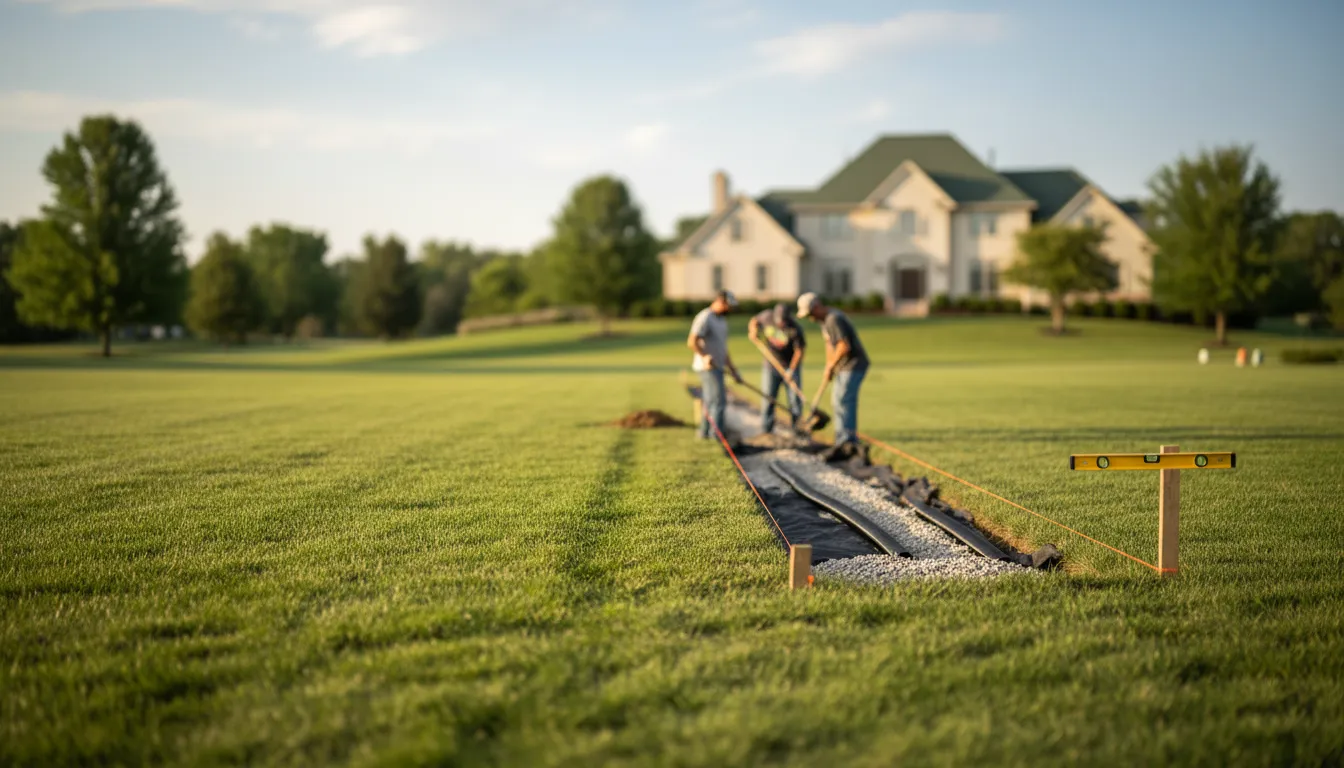
Find the Best Yard Drainage Contractors for Your Business
No obligation • Fast responses • Nationwide coverage

Why you can trust Landscape Atlas
Landscape Atlas is a leading United States resource for evaluating landscaping, lawn care, and outdoor service providers. Our team researches each category in depth, focusing on service quality, safety, and customer experience. Listings and rankings are based on independent criteria and user feedback, and companies cannot pay to influence our assessments or recommendations.
Search providers near you
Top Yard Drainage Contractors in Federal Way, Washington Ranked
Living in Federal Way means enjoying the lush beauty of the Pacific Northwest, but it also means contending with its signature heavy rainfall. Without a proper plan, this water can pool in your yard, threaten your foundation, and create soggy, unusable spaces. Yard drainage and grading are essential services that manage surface and subsurface water flow on your property, protecting your home's structural integrity and enhancing your landscape's health and usability. This guide will help you understand the common solutions, processes, and considerations for finding the right professional to assess and solve your water management challenges.
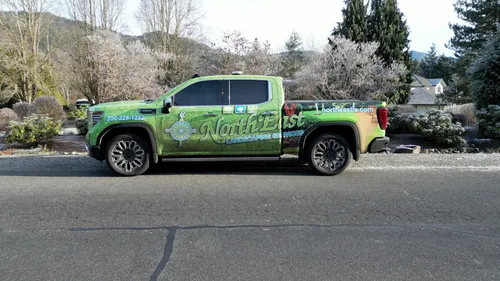
North East Landscaping Services
12259 155th Ave SE, Renton, WA 98059
North East Landscaping Services is a family-owned landscaping company with over 20 years of experience serving residential and commercial clients in Seattle, WA. They provide a comprehensive range of outdoor services including lawn care, fertilization, weed control, sod and artificial turf installation, fence and deck construction, landscape lighting, tree services, yard drainage, sprinkler installation and repair, as well as hardscaping like pavers and retaining walls. The company emphasizes quality workmanship and building lasting relationships with clients, handling projects of all sizes with care and honesty.
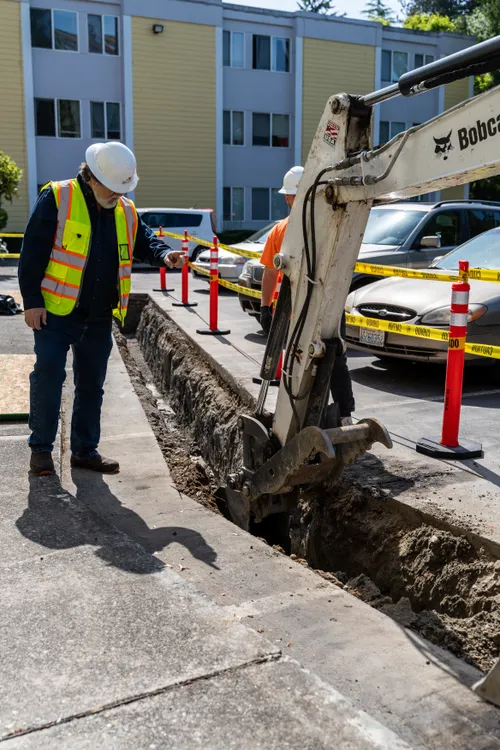
ACES FOUR Enterprises - Sewer Repair & Replacement
537 S Southern St, Seattle, WA 98108
ACES FOUR Enterprises - Sewer Repair & Replacement is a yard drainage and sewer contractor based in Seattle, WA. They provide a range of services including sewer repair, drain cleaning, water line installation, excavation, and demolition. Their capabilities include hydro jetting for sewer line cleaning and comprehensive drainage solutions such as foundation waterproofing and trench drain installation. With an in-house crew boasting 45 years of experience, they focus on careful planning, obtaining necessary permits, and maintaining clean job sites throughout their projects.
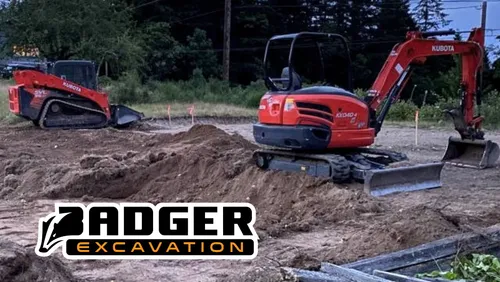
Badger Excavation
Seattle, WA
Badger Excavation is a Seattle, WA-based contractor offering excavation, land clearing, grading, and hardscaping services. Their work includes road building, driveways, site and foundation preparation, septic systems, brush removal, and installation of concrete landscape curbing and retaining walls. With 15 years of experience, the owner personally oversees quality and ensures clear communication throughout projects.
Precision Landscape LLC
16203 122nd Ave SE, Renton, WA 98058
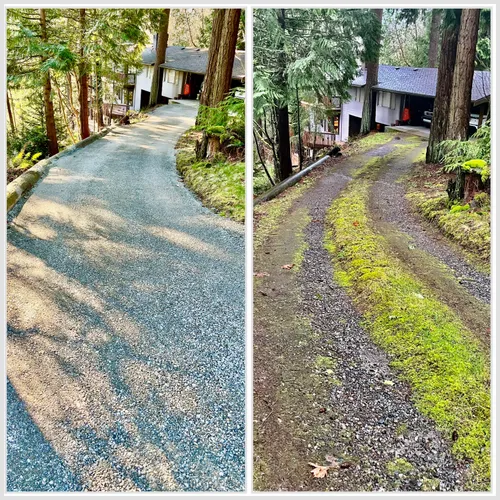
Precision Landscape LLC is a landscaping company based in Seattle, WA, offering a wide range of services including sod installation, artificial turf, tree removal, stump grinding, yard drainage, grading, land clearing, and brush removal. Serving residential and commercial clients throughout King County, they provide customized landscaping solutions supported by specialized equipment to improve efficiency and project outcomes. Their capabilities include comprehensive tree services and land clearing to prepare properties for various uses. With over 15 years of experience, Precision Landscape LLC is licensed, bonded, and insured to handle diverse landscaping needs.
Seattle Rockeries & Retaining Walls
6534 125th Ave SE, Bellevue, WA 98006
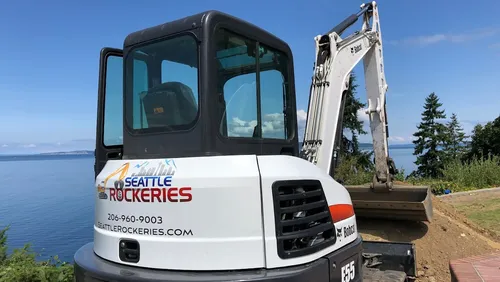
Seattle Rockeries & Retaining Walls is a landscaping and hardscaping contractor based in Seattle, WA. They provide services including fence installation, landscape design, yard drainage and grading, as well as custom hardscaping features like natural stone walls, rock gardens, and stone pathways. The company also offers water management solutions such as surface water management, erosion control, and landscape grading. Seattle Rockeries & Retaining Walls emphasizes the use of quality materials and expert techniques to ensure durable and functional outdoor living enhancements. Their team is experienced in site assessment, planning, and retaining wall design consultation.
Understanding Your Drainage Problem
The first step toward a solution is identifying the symptoms of poor drainage. In Federal Way, common signs include persistent puddles that last for days after rain, soggy lawns that are spongy underfoot, water seeping into your basement or crawl space, and visible soil erosion in planting beds or on slopes. These issues often stem from the region's clay-heavy soils, which drain slowly, combined with the volume of rain we receive. A professional assessment is crucial to diagnose whether the problem is surface runoff, subsurface saturation, or a combination of both, as this determines the best corrective approach.
Core Solutions for Water Management
Professionals in Federal Way employ a toolkit of proven techniques to redirect water away from structures and into appropriate dispersal areas. The right solution depends on your property's specific topography, soil composition, and the water's source.
Regrading and Slope Correction
This is often the first line of defense. Grading involves reshaping the land's contour to create a gentle, consistent slope-typically a minimum of 2%-away from your home's foundation. This encourages water to flow naturally to a safer discharge point, like a street gutter or a landscaped swale. Proper sloping is a fundamental part of any comprehensive drainage plan and may be the only fix needed for minor surface water issues 1.
Subsurface Drainage Systems
When water is pooling below the surface, a French drain is a standard solution. This involves excavating a trench, lining it with filter fabric, laying a perforated pipe, and filling it with gravel. The system collects groundwater and efficiently channels it away from problem areas. For collecting water from downspouts or paved areas, catch basins (underground boxes with grates) are installed to capture surface flow and connect it to a solid pipe leading to a safe outlet.
Surface Flow Management
For managing water across larger areas, swales are effective. These are wide, shallow, vegetated channels designed to slow down and guide runoff, allowing some water to infiltrate the soil along the way. A more natural and eco-friendly option is a rain garden, which is a depressed area planted with native, water-tolerant plants. It collects runoff from roofs or driveways and allows it to slowly soak into the ground, filtering pollutants in the process 2.
The Professional Installation Process
Engaging a qualified contractor ensures your drainage system is designed and built correctly for long-term performance. The process typically follows these key stages:
- Site Assessment and Design: A specialist will inspect your property, identify the core issues, and locate natural fall lines. They will then design a system, often combining multiple methods (e.g., catch basins feeding into a French drain that outlets to the street), and provide a detailed plan.
- Permitting and Guidelines: For most residential repairs, permits may not be required. However, for new construction or major projects that create over 2,000 square feet of new impervious surface, King County's Surface Water Design Manual (KCSWDM) guidelines come into play. Your contractor should handle any necessary permits with the City of Federal Way.
- Excavation and Installation: This is the physical work: excavating trenches for drains, shaping the land for grading, and installing pipes, basins, and gravel. Proper site preparation is key to a stable, effective system 3.
- Connection and Final Landscaping: The system must have a proper outfall-an approved discharge point like a storm sewer or a stabilized ditch. Once everything is connected and tested, the area is backfilled, compacted, and restored with topsoil and sod or seed to blend with your existing landscape4.
Find the perfect yard drainage contractors for your needs
Get personalized recommendations and expert advice
What Influences the Cost of Drainage Work?
Investment in yard drainage and grading varies significantly based on the project's scope and complexity. Understanding the factors helps in budgeting and comparing estimates.
- Scope of the Problem: A simple regrading of a small area or installing a downspout extension is far less costly than addressing chronic subsurface saturation across a large backyard.
- Solutions Selected: Basic French drain installations for a section of yard might range from $500 to $2,000, while integrating multiple catch basins and extensive piping can run from $1,000 to $3,000 or more. Major grading projects or constructing swales and rain gardens can range from $2,000 to $5,000+5 6.
- Property Characteristics: Steep slopes, difficult soil conditions (like heavy clay), and limited access for equipment can increase labor and time.
- Materials and Labor: The quality of pipe, fabric, and gravel, along with the expertise and reputation of the contractor, are reflected in the price.
Local Regulations and Environmental Stewardship
Federal Way residents play a role in the broader community's water health. The City's Surface Water Management (SWM) division manages public systems but also promotes responsible practices on private property. It's important to ensure your drainage system does not redirect water onto a neighbor's property in a way that causes damage. Furthermore, using infiltration-based solutions like rain gardens where soil conditions allow is encouraged, as it helps recharge groundwater and filter pollutants before they reach Puget Sound7 8. Always check with your contractor about the proper, legal discharge point for any collected water.
Maintaining Your Drainage System
A well-installed system requires minimal but important maintenance to function for years. Periodically inspect and clear debris from catch basin grates, ensure downspouts are securely connected, and check that the outlet of any drain pipe is not blocked by soil or vegetation. After heavy storms, walk your property to ensure water is moving as intended and there is no new pooling. Keeping the system clear is the best way to protect your investment and your home.
Frequently asked questions
Sources
Footnotes
-
Federal Way - Dirt Works North West - https://www.dirtworksnorthwest.com/excavation-contractor-federal-way ↩
-
Stormwater Best Management Practices - https://spcwater.org/topics/stormwater-management/stormwater-best-management-practices-2/ ↩
-
French Drain Federal Way WA - NW Landscape Management - https://landscapesnw.com/french-drain-federal-way-wa/ ↩
-
Control Heavy Runoff - Solving Drainage and Erosion Problems - https://www.fairfaxcounty.gov/soil-water-conservation/drainage-problem-control-runoff ↩
-
SINGLE-FAMILY RESIDENTIAL DRAINAGE PLANS - https://www.federalwaywa.gov/sites/default/files/Documents/Department/CD/Building/207%20SF%20Residential%20Drainage%20Plans.pdf ↩
-
French Drain Federal Way WA - NW Landscape Management - https://landscapesnw.com/federal-way-french-drains/ ↩
-
Surface Water Management - City of Federal Way - https://www.federalwaywa.gov/SWM ↩
-
10 Things You Can Do to Prevent Stormwater Runoff Pollution - https://www.farmington-ct.org/departments/engineering/stormwater/10-things-to-prevent-stormwater-pollution ↩