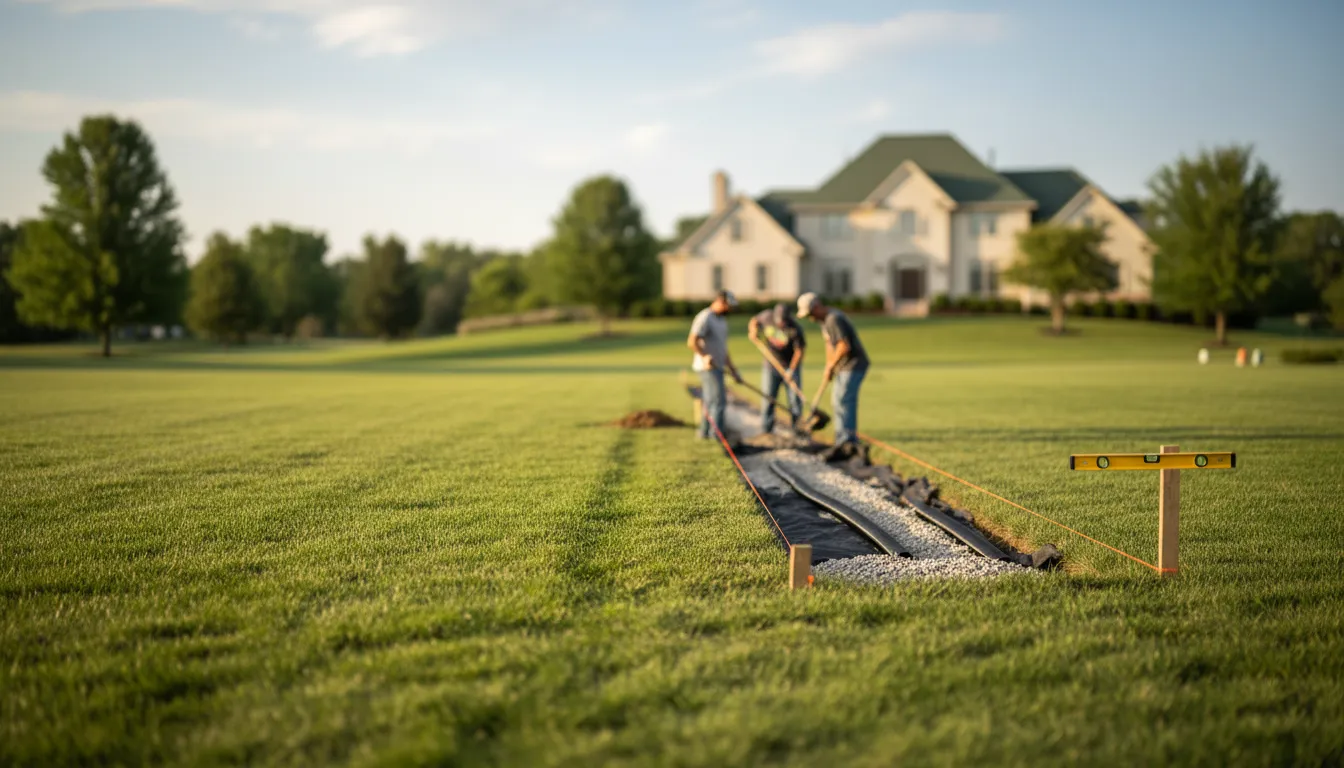
Find the Best Yard Drainage Contractors for Your Business
No obligation • Fast responses • Nationwide coverage

Why you can trust Landscape Atlas
Landscape Atlas is a leading United States resource for evaluating landscaping, lawn care, and outdoor service providers. Our team researches each category in depth, focusing on service quality, safety, and customer experience. Listings and rankings are based on independent criteria and user feedback, and companies cannot pay to influence our assessments or recommendations.
Search providers near you
Top Yard Drainage Contractors in Kirkland, Washington Ranked
Effective water management is a cornerstone of responsible homeownership in Kirkland. Proper yard drainage and site grading are essential for protecting your property's foundation, preventing soil erosion, and contributing to the health of local waterways like Lake Washington. This guide focuses on the practical solutions and resources available to Kirkland residents for managing stormwater runoff, from simple downspout adjustments to more involved landscape projects that beautify your yard while solving drainage problems.
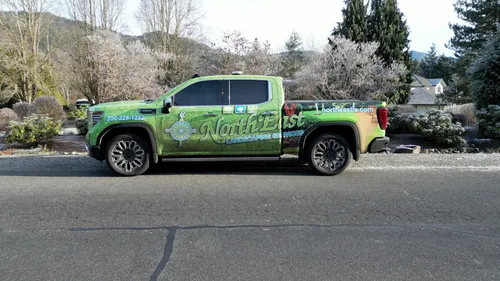
North East Landscaping Services
12259 155th Ave SE, Renton, WA 98059
North East Landscaping Services is a family-owned landscaping company with over 20 years of experience serving residential and commercial clients in Seattle, WA. They provide a comprehensive range of outdoor services including lawn care, fertilization, weed control, sod and artificial turf installation, fence and deck construction, landscape lighting, tree services, yard drainage, sprinkler installation and repair, as well as hardscaping like pavers and retaining walls. The company emphasizes quality workmanship and building lasting relationships with clients, handling projects of all sizes with care and honesty.
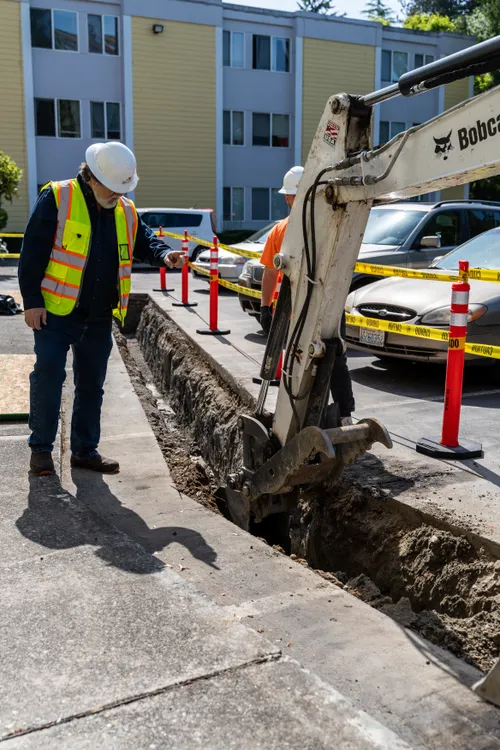
ACES FOUR Enterprises - Sewer Repair & Replacement
537 S Southern St, Seattle, WA 98108
ACES FOUR Enterprises - Sewer Repair & Replacement is a yard drainage and sewer contractor based in Seattle, WA. They provide a range of services including sewer repair, drain cleaning, water line installation, excavation, and demolition. Their capabilities include hydro jetting for sewer line cleaning and comprehensive drainage solutions such as foundation waterproofing and trench drain installation. With an in-house crew boasting 45 years of experience, they focus on careful planning, obtaining necessary permits, and maintaining clean job sites throughout their projects.
Badger Excavation
Seattle, WA
Badger Excavation is a Seattle, WA-based contractor offering excavation, land clearing, grading, and hardscaping services. Their work includes road building, driveways, site and foundation preparation, septic systems, brush removal, and installation of concrete landscape curbing and retaining walls. With 15 years of experience, the owner personally oversees quality and ensures clear communication throughout projects.
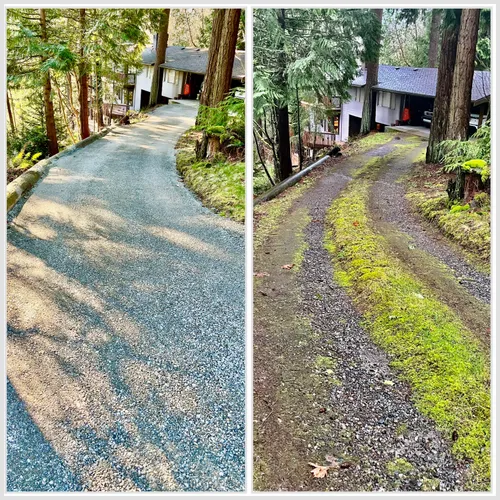
Precision Landscape LLC
16203 122nd Ave SE, Renton, WA 98058
Precision Landscape LLC is a landscaping company based in Seattle, WA, offering a wide range of services including sod installation, artificial turf, tree removal, stump grinding, yard drainage, grading, land clearing, and brush removal. Serving residential and commercial clients throughout King County, they provide customized landscaping solutions supported by specialized equipment to improve efficiency and project outcomes. Their capabilities include comprehensive tree services and land clearing to prepare properties for various uses. With over 15 years of experience, Precision Landscape LLC is licensed, bonded, and insured to handle diverse landscaping needs.
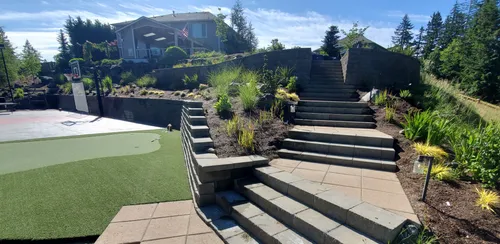
Hone Landscape Company
31604 NE 40th St, Carnation, WA 98014
Hone Landscape Company is a landscaping and hardscaping contractor serving Seattle, WA, and nearby communities. They offer a full range of services including landscape design, sod and artificial turf installation, outdoor lighting, yard drainage solutions, and the construction of patios, retaining walls, and driveways. The company emphasizes a principles-based approach focused on clear communication and integrity. They have experience managing drainage problems and creating sustainable landscapes, ensuring projects are completed from design through installation with detailed estimates and ongoing customer updates.
Why Drainage Matters in Kirkland
Kirkland's climate, with its wet winters and periodic heavy rains, makes managing rainwater a priority for every property owner. Poor drainage can lead to a host of issues: water pooling against your home's foundation, which can cause costly structural damage and basement flooding; saturated lawns that become muddy and unusable; and erosion that washes valuable topsoil into the street and, ultimately, into storm drains that flow directly to our lakes and streams untreated 1. Managing water on your property isn't just about solving a nuisance-it's about stewardship. The City of Kirkland actively promotes "Green Stormwater Infrastructure" (GSI), which are natural or built systems that mimic nature to soak up and filter rainwater where it falls.
Common Drainage Problems and Green Solutions
Instead of just piping water away as quickly as possible, Kirkland encourages solutions that slow down, spread out, and soak in runoff. Here are the most effective and supported methods for residential stormwater control.
Rain Gardens: A Beautiful Solution
A rain garden is a shallow, landscaped depression designed to capture and temporarily hold rainwater runoff from roofs, driveways, or patios. It is filled with a special soil mix, mulch, and planted with hardy native plants that can tolerate both wet and dry conditions. As water collects, it slowly soaks into the ground, getting filtered by the soil and plants in the process. The City of Kirkland notes that rain gardens are ideal for areas with a slope of less than 5% and should be located at least 10 feet from your home's foundation 2. They transform a drainage problem into a vibrant, low-maintenance garden feature.
Downspout Disconnection and Redirection
One of the simplest and most effective first steps is downspout disconnection. This means redirecting the water from your roof gutters away from your foundation and the municipal storm drain system. Instead, you can channel it to a splash block, a buried pipe leading to a rain garden, or directly into a rain barrel. This practice reduces the volume of water hitting your foundation and helps recharge groundwater.
Permeable Pavements
For driveways, patios, or walkways, consider replacing solid concrete or asphalt with permeable materials. Options like permeable pavers, porous asphalt, or even simple gravel allow rainwater to seep through the surface into a stone reservoir below, where it gradually infiltrates the soil. This prevents large sheets of runoff from hard surfaces and can significantly reduce localized flooding.
Rain Barrels and Cisterns
Capturing rainwater from your roof in a barrel or larger cistern is a direct way to manage runoff. The stored water can then be used for irrigating your garden during drier months, reducing both your water bill and the peak flow of stormwater during a rain event. It's a practical cycle that puts rainwater to good use.
Native Landscaping and Healthy Soils
Converting sections of lawn or bare soil into plantings with deep-rooted native shrubs and perennials can dramatically improve your soil's ability to absorb water. Native plants are adapted to local rainfall patterns and generally require less watering once established. Coupled with healthy, uncompacted soil rich in organic matter, this approach turns your landscape into a natural sponge 3.
Find the perfect yard drainage contractors for your needs
Get personalized recommendations and expert advice
The Project Process: From Assessment to Installation
Tackling a drainage project involves a logical sequence of steps to ensure success and safety.
1. Assess and Plan Start by identifying where water is causing problems. Look for standing water, signs of erosion, or areas where water flows toward your foundation. Check your yard's slope; gentle slopes (under 5%) are best for solutions like rain gardens. It's critical to note location setbacks: keep rain gardens at least 10 feet from foundations and be cautious on slopes steeper than 5% 4 5. Understanding the flow path of water across your property is the essential first map.
2. Design Your Solution Choose the green infrastructure technique that best fits your problem area, space, and budget. For a rain garden, this involves calculating the size needed based on the drainage area (like your roof or driveway) and selecting appropriate native plants. The City of Kirkland provides excellent guides for this design phase, emphasizing the importance of using the right soil mix (often a blend of sand, compost, and topsoil) for proper infiltration.
3. Implementation This is the construction phase. It may involve excavating to create a basin for a rain garden, installing underground piping to redirect downspouts, setting up rain barrels, or installing permeable pavers. After shaping the area, you'll add the specified soil mix, apply mulch to retain moisture and suppress weeds, and finally, install your plants. The final step is permanently disconnecting and redirecting your downspouts to feed the new system.
Financial Incentives: Kirkland's Yard Smart Rain Rewards
Kirkland homeowners have a significant advantage through the Yard Smart Rain Rewards program. This initiative provides rebates to encourage property owners to install green stormwater infrastructure. The program offers a rebate of $7.50 per square foot of impervious surface (like roof or driveway) that you manage with a qualified GSI practice.
To qualify, the project must manage runoff from at least 400 square feet of impervious surface, though there are exceptions for smaller lots. Eligible projects include rain gardens, permeable pavement, and properly designed cisterns. This rebate can offset hundreds to thousands of dollars of project costs, making these valuable improvements much more accessible. For example, a rain garden managing a 500 sq ft roof area could qualify for a $3,750 rebate, dramatically altering the project's affordability 6 7. Always check the official city website for the most current requirements and application details before starting your project.
Long-Term Benefits and Maintenance
Investing in proper drainage and grading pays dividends beyond solving a wet basement. These systems:
- Protect Property Value: By preventing foundation cracks, mold, and landscape erosion.
- Reduce Water Usage: Rain barrels and native plantings lower summer irrigation needs.
- Improve Water Quality: Filtering runoff through soil and plants removes pollutants before they reach Lake Washington.
- Enhance Habitat: Native plant gardens support local birds, butterflies, and pollinators.
- Increase Resilience: They help your property handle heavy rainfall events more effectively.
Maintenance is generally straightforward: keeping inlets clear of debris, weeding and occasionally replanting rain gardens, cleaning gutters and rain barrel screens, and ensuring downspout extensions remain securely in place. A little seasonal upkeep ensures your system functions perfectly for years.
Frequently asked questions
Sources
Footnotes
-
Manage Drainage Around Your Property - City of Kirkland - https://www.kirklandwa.gov/Government/Departments/Public-Works-Department/Storm-Surface-Water/Manage-Drainage-Around-Your-Property ↩
-
Yard Smart - Types of Projects - City of Kirkland - https://www.kirklandwa.gov/Government/Departments/Public-Works-Department/Storm-Surface-Water/Green-Stormwater-Infrastructure-GSI/Yard-Smart-Rain-Rewards/Yard-Smart-Types-of-Projects ↩
-
Rainwater Management - A Guide for Homeowners - https://nr.tulaliptribes.com/Content/documents/Rainwater-Management.pdf ↩
-
Managing Rainwater Around Your Home - City of Kirkland - https://www.kirklandwa.gov/files/sharedassets/public/public-works/surface-water/managing-rainwater-around-your-home.pdf ↩
-
Green Stormwater Infrastructure (GSI) - City of Kirkland - https://www.kirklandwa.gov/Government/Departments/Public-Works-Department/Storm-Surface-Water/Green-Stormwater-Infrastructure-GSI ↩
-
Yard Smart Rain Rewards - City of Kirkland - https://www.kirklandwa.gov/Government/Departments/Public-Works-Department/Storm-Surface-Water/Green-Stormwater-Infrastructure-GSI/Yard-Smart-Rain-Rewards ↩
-
Toolkit for Jurisdictions - City of Kirkland - https://www.kirklandwa.gov/Government/Departments/Public-Works-Department/Storm-Surface-Water/Green-Stormwater-Infrastructure-GSI/Yard-Smart-Rain-Rewards/Toolkit-for-Jurisdictions ↩