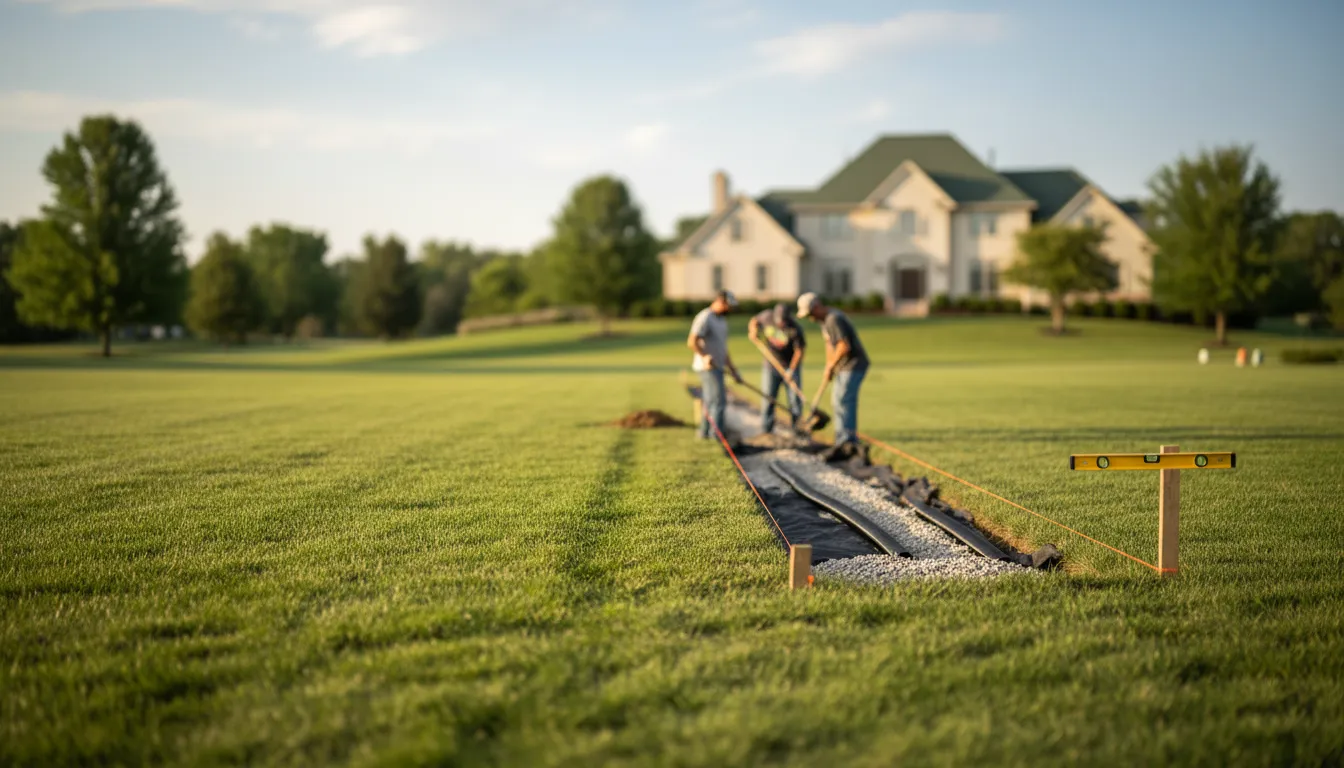
Find the Best Yard Drainage Contractors for Your Business
No obligation • Fast responses • Nationwide coverage

Why you can trust Landscape Atlas
Landscape Atlas is a leading United States resource for evaluating landscaping, lawn care, and outdoor service providers. Our team researches each category in depth, focusing on service quality, safety, and customer experience. Listings and rankings are based on independent criteria and user feedback, and companies cannot pay to influence our assessments or recommendations.
Search providers near you
Top Yard Drainage Contractors in Sammamish, Washington Ranked
Managing water on your property is a critical part of homeownership in Sammamish. Effective yard drainage and proper land grading protect your foundation, prevent soil erosion, and help maintain the health of your landscape by directing rainwater away from your home and into appropriate areas. With the region's rainfall, issues like soggy lawns, basement seepage, and landscape washouts are common without a well-planned system. This guide outlines the key solutions, from simple rain barrels to comprehensive grading projects, and connects you with the local expertise needed to assess your property and implement a lasting fix.
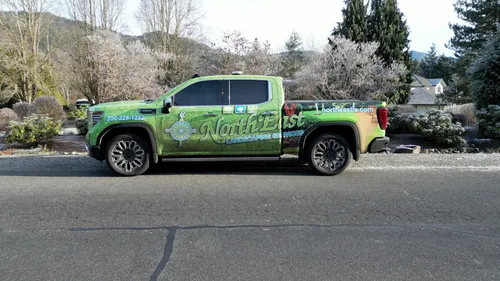
North East Landscaping Services
12259 155th Ave SE, Renton, WA 98059
North East Landscaping Services is a family-owned landscaping company with over 20 years of experience serving residential and commercial clients in Seattle, WA. They provide a comprehensive range of outdoor services including lawn care, fertilization, weed control, sod and artificial turf installation, fence and deck construction, landscape lighting, tree services, yard drainage, sprinkler installation and repair, as well as hardscaping like pavers and retaining walls. The company emphasizes quality workmanship and building lasting relationships with clients, handling projects of all sizes with care and honesty.
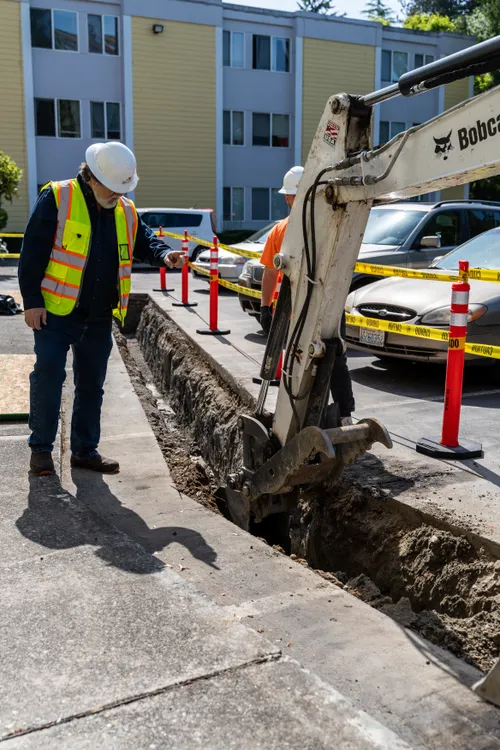
ACES FOUR Enterprises - Sewer Repair & Replacement
537 S Southern St, Seattle, WA 98108
ACES FOUR Enterprises - Sewer Repair & Replacement is a yard drainage and sewer contractor based in Seattle, WA. They provide a range of services including sewer repair, drain cleaning, water line installation, excavation, and demolition. Their capabilities include hydro jetting for sewer line cleaning and comprehensive drainage solutions such as foundation waterproofing and trench drain installation. With an in-house crew boasting 45 years of experience, they focus on careful planning, obtaining necessary permits, and maintaining clean job sites throughout their projects.
Badger Excavation
Seattle, WA
Badger Excavation is a Seattle, WA-based contractor offering excavation, land clearing, grading, and hardscaping services. Their work includes road building, driveways, site and foundation preparation, septic systems, brush removal, and installation of concrete landscape curbing and retaining walls. With 15 years of experience, the owner personally oversees quality and ensures clear communication throughout projects.
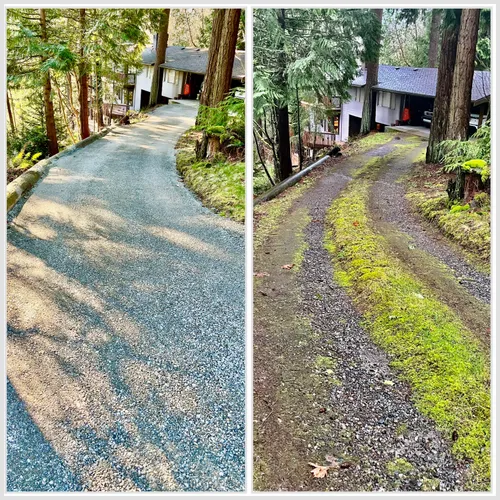
Precision Landscape LLC
16203 122nd Ave SE, Renton, WA 98058
Precision Landscape LLC is a landscaping company based in Seattle, WA, offering a wide range of services including sod installation, artificial turf, tree removal, stump grinding, yard drainage, grading, land clearing, and brush removal. Serving residential and commercial clients throughout King County, they provide customized landscaping solutions supported by specialized equipment to improve efficiency and project outcomes. Their capabilities include comprehensive tree services and land clearing to prepare properties for various uses. With over 15 years of experience, Precision Landscape LLC is licensed, bonded, and insured to handle diverse landscaping needs.
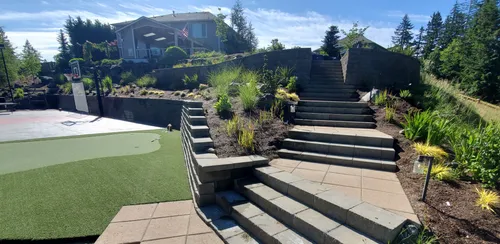
Hone Landscape Company
31604 NE 40th St, Carnation, WA 98014
Hone Landscape Company is a landscaping and hardscaping contractor serving Seattle, WA, and nearby communities. They offer a full range of services including landscape design, sod and artificial turf installation, outdoor lighting, yard drainage solutions, and the construction of patios, retaining walls, and driveways. The company emphasizes a principles-based approach focused on clear communication and integrity. They have experience managing drainage problems and creating sustainable landscapes, ensuring projects are completed from design through installation with detailed estimates and ongoing customer updates.
Why Proper Drainage is Essential in Sammamish
Sammamish's climate, with its significant seasonal rainfall, makes managing stormwater runoff a priority for every homeowner. Without a proper drainage plan, water can pool around your foundation, leading to costly structural damage, create muddy, unusable areas in your yard, and contribute to erosion on sloped properties. Furthermore, managing runoff responsibly is part of the community's effort to protect local waterways and the aquifer 1 2. Effective surface water management isn't just about solving an immediate puddle; it's about safeguarding your investment and contributing to the environmental health of the Sammamish Plateau.
Common Residential Drainage Problems
Identifying the issue is the first step toward a solution. Here are frequent signs that your property may need drainage or grading attention:
- Standing Water: Puddles that linger for days after rain, often indicating poor percolation or low spots in the yard.
- Soil Erosion: Gullies or washed-out areas, especially on slopes, where water flows too quickly.
- Basement or Crawl Space Dampness: Water seepage through foundation walls, a direct sign of hydrostatic pressure from saturated soil.
- Soggy Lawn: Constantly wet, spongy grass that struggles to grow, which can be a sign of a high water table or compacted soil.
- Water Flowing Toward the House: This is the most critical issue, often caused by improper grading where the land slopes toward the foundation instead of away from it.
Core Solutions for Yard Drainage and Grading
A combination of strategies is often the most effective approach. Here are the primary methods used by professionals in Sammamish.
1. Proper Grading and Swales
This is the foundational element of any drainage plan. Grading involves reshaping the soil to create a gentle slope (typically recommended at a minimum of 3% grade, or about 3 inches of fall per 10 feet) that directs surface water away from your home's foundation 3. A swale is a shallow, grassy ditch designed to channel water across a property to a safe discharge point, like a storm drain or a dry well. Regrading a yard is often the first and most impactful step in solving drainage issues 4.
2. Rain Gardens and Bioretention
A rain garden is a landscaped depression planted with native, water-tolerant vegetation. It's designed to collect runoff from roofs, driveways, and lawns, allowing the water to soak slowly into the ground. This not only solves a drainage problem but also filters pollutants and recharges groundwater, aligning with Sammamish's encouragement of green infrastructure. They are particularly effective for managing runoff from downspouts.
3. Downspout Management
Simply extending your downspouts can make a significant difference. Downspout disconnection from the direct storm sewer and redirection onto permeable surfaces like lawns, gravel beds, or into rain barrels is a highly effective and low-cost strategy. Splash blocks or buried drain pipes can then carry the water further away from the foundation.
4. Permeable Surfaces
Replacing impervious surfaces like solid concrete driveways or patios with permeable pavers, gravel, or mulch allows rainwater to infiltrate directly where it falls, drastically reducing runoff volume. This is an excellent solution for reducing the overall load on your property's drainage system.
5. Subsurface Drainage Systems
For more severe or persistent water problems, underground systems are necessary.
- French Drains: A trench filled with gravel and a perforated pipe that collects and redirects groundwater and surface water.
- Catch Basins and Channel Drains: Surface inlets that collect large volumes of water from driveways or low points and connect to an underground pipe system.
- Dry Wells: Underground structures that collect water and allow it to percolate slowly into the surrounding soil, used as a final discharge point for drainage systems.
Find the perfect yard drainage contractors for your needs
Get personalized recommendations and expert advice
The Professional Process: From Assessment to Maintenance
Tackling a drainage project effectively involves a clear sequence of steps, especially for more complex situations.
- Site Assessment: A professional will examine your property during or after a rain event to identify problem areas, trace water flow paths, and diagnose the root cause (e.g., clogged gutters, negative grade, compacted soil).
- Design and Planning: Based on the assessment, a plan is developed. This may involve a single solution or a combination (e.g., regrading the yard, adding a swale, and installing a catch basin). For larger projects, professional design ensures the system is sized and sloped correctly for long-term function.
- Permitting: The City of Sammamish has regulations, particularly in Critical Aquifer Recharge Areas (CARAs) or near steep slopes. Some projects may qualify for a Simplified Drainage Review, a streamlined process for certain best management practices (BMPs) 5. Your contractor can often guide you through this requirement.
- Implementation: This is the construction phase, which may include excavation, grading, installing pipes and basins, planting a rain garden, or laying permeable materials. Professional installation is crucial for ensuring proper slopes and connections 6.
- Maintenance: All drainage systems require upkeep. This includes cleaning gutters and downspouts, removing debris from catch basin grates, checking rain barrels, and weeding/refreshing rain gardens to maintain their absorption capacity.
Understanding Project Costs in Sammamish
Costs for drainage and grading work vary widely based on the size of your property, the complexity of the problem, the solutions chosen, and the materials used. The following are general price ranges to help you budget; obtaining quotes from local contractors is essential for an accurate estimate 7.
- Downspout Management & Rain Barrels: A simple, DIY-friendly solution typically ranges from $100 to $500 for materials and basic installation.
- Rain Garden Installation: Creating a small to medium-sized rain garden, including excavation, soil amendments, and plants, can cost between $500 and $2,000.
- Yard Regrading/Swale Creation: Reshaping the soil on a typical residential lot can range from $1,000 to $5,000 or more, depending on the amount of earth moved and soil conditions.
- Permeable Pavers: Replacing a section of driveway or patio is material and labor-intensive, often ranging from $2,000 to $10,000+.
- Comprehensive Subsurface Drainage System: Installing a professional system with French drains, catch basins, and a dry well is a significant investment, usually starting around $3,000 and can exceed $10,000 for complex properties 8 9.
Local Considerations and Regulations
Sammamish has specific environmental goals that can influence your project. The city promotes Green Infrastructure and Low Impact Development (LID) techniques, which include many of the solutions listed above, like rain gardens and permeable pavers. Before starting any major earthwork or drainage installation, it's wise to check with the City of Sammamish's Public Works department to understand any applicable rules, especially if your property is located in an environmentally critical area 10. A reputable local contractor will be familiar with these requirements and can help navigate the process.
Frequently asked questions
Sources
Footnotes
-
Green Infrastructure & Low Impact Development - Sammamish.us - https://www.sammamish.us/government/public-works/stormwater/green-infrastructure-low-impact/ ↩
-
Drainage - Sammamish City Hall - https://www.sammamish.us/our-community/environment-sustainability/help-keep-clean/drainage/ ↩
-
Proper Landscape Grading | Best Slope for Foundation Drainage - https://www.olshanfoundation.com/foundation-repair/foundation-problems-causes/foundation-drainage/ ↩
-
Sloped Yard Drainage: 12 Best DIY Solutions for 2024 - https://salcorplandscaping.com/sloped-yard-drainage/ ↩
-
Simplified Drainage Review | Sammamish.us - https://www.sammamish.us/media/vl3lep2b/simplified-drainage-review-step-by-step-guide.pdf ↩
-
Sammamish Drainage Systems - Lee's General Landscaping - https://www.leesgenerallandscaping.com/drainage-services/cities/sammamish/sammamish-drainage-solutions/ ↩
-
Top 10 Best Drainage Contractors in Sammamish, WA - Yelp - https://m.yelp.com/search?find_desc=Drainage+Contractors&find_loc=Sammamish%2C+WA ↩
-
Control Heavy Runoff - Solving Drainage and Erosion Problems - https://www.fairfaxcounty.gov/soil-water-conservation/drainage-problem-control-runoff ↩
-
Top Ways to Reduce Stormwater Runoff - CatchAll Environmental - https://www.catchallenvironmental.com/blog/top-ways-to-reduce-stormwater-runoff ↩
-
21.03.050 Surface Water Management (Title 13) - https://sammamish.municipal.codes/DC/21.03.050 ↩