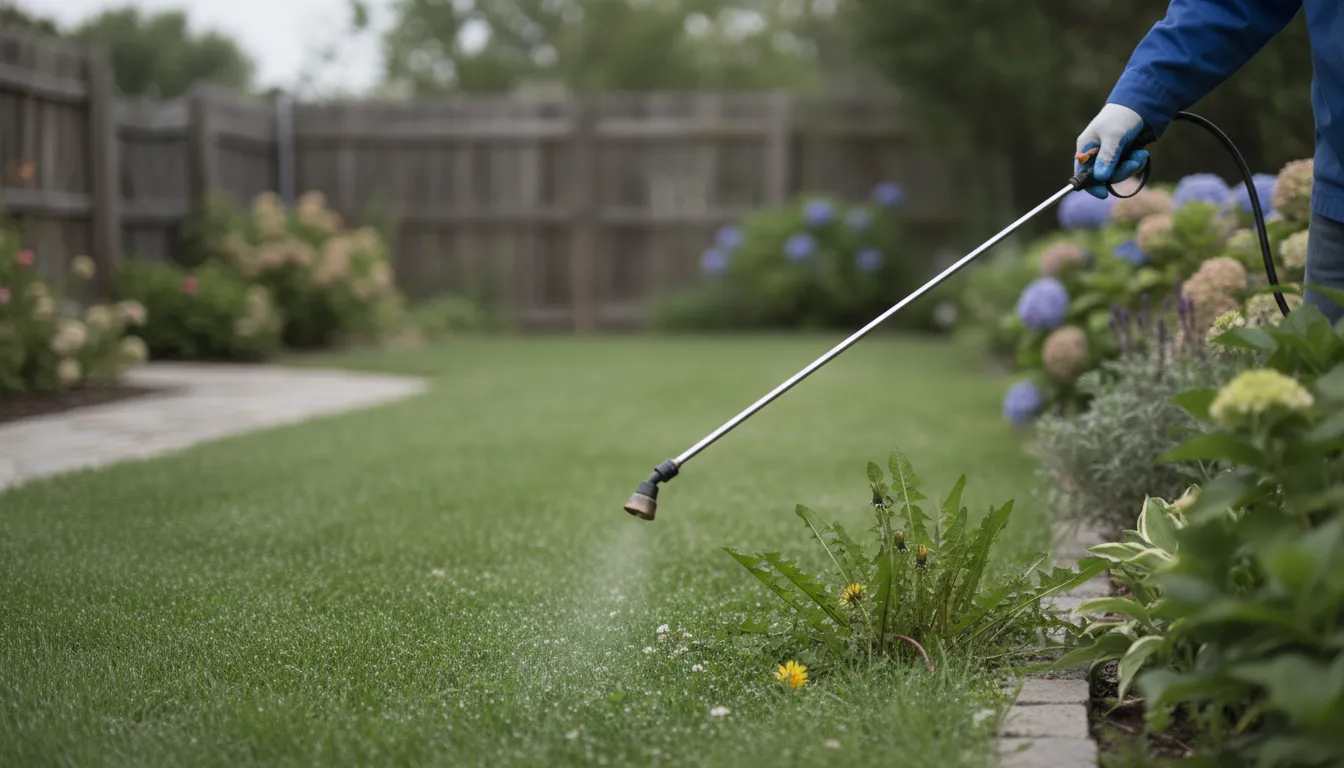
Find the Best Lawn Treatment Companies for Your Business
No obligation • Fast responses • Nationwide coverage

Why you can trust Landscape Atlas
Landscape Atlas is a leading United States resource for evaluating landscaping, lawn care, and outdoor service providers. Our team researches each category in depth, focusing on service quality, safety, and customer experience. Listings and rankings are based on independent criteria and user feedback, and companies cannot pay to influence our assessments or recommendations.
Search providers near you
Top Lawn Treatment Companies in Casa Grande, Arizona Ranked
Maintaining a vibrant, healthy lawn in Casa Grande is a unique challenge that requires a specialized approach. The desert climate, with its intense sun and alkaline soil, demands a precise schedule of feeding and weed prevention to keep grass thriving through both the scorching summers and mild winters. Effective lawn care here isn't just about aesthetics; it's about building a resilient turf that can conserve water, resist disease, and outcompete invasive weeds. This resource connects you with local professionals who understand the specific needs of Arizona lawns, offering tailored programs that combine fertilization and weed management for year-round results.
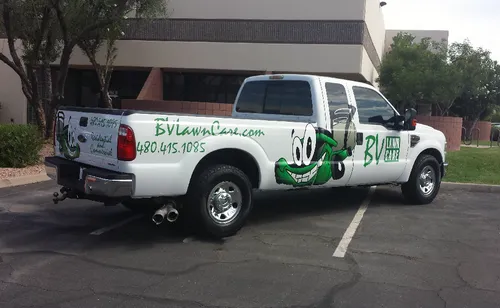
BV Lawn Care
21269 E Lords Wy, Queen Creek, AZ 85142
BV Lawn Care is a locally owned lawn care and landscaping company serving Mesa, AZ, and the surrounding East Valley cities. With over 30 years of experience, they offer a wide range of services including lawn mowing, fertilization, weed control, sod installation, tree trimming and removal, yard drainage, sprinkler installation and repair, land clearing, and hardscaping. Their team is skilled in irrigation system repairs and installations, providing comprehensive care for residential landscapes. BV Lawn Care has established a strong presence in the community with multiple locations and a long history of serving local families.
Custom Weed & Spray Service Inc.
Phoenix, AZ
Custom Weed & Spray Service Inc. is a family-owned lawn care company based in Phoenix, AZ, specializing in weed and pest control for residential and commercial properties. With over 25 years of experience, they provide customized treatment plans to manage weeds and pests such as spiders, cockroaches, and rodents. Their technicians use safe and effective methods to improve the appearance and health of landscapes across the area.
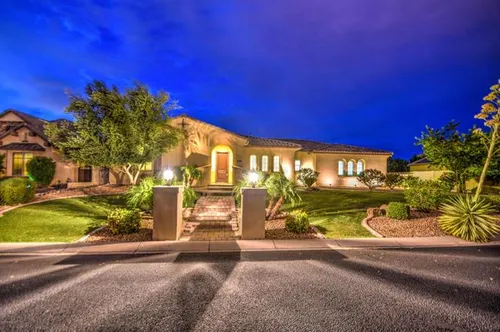
San Tan Valley Landscapes
16741 E Stacey Rd, Queen Creek, AZ 85142
San Tan Valley Landscapes is a landscaping company based in Chandler, AZ, offering a wide range of services including lawn mowing, fertilization, weed control, sod installation, artificial turf, tree removal, stump grinding, sprinkler installation and repair, landscape design, and hardscaping such as pavers and retaining walls. They handle projects from design to installation and maintenance, with a focus on both low-maintenance desert landscaping and more elaborate custom designs. Their core capability includes turf installation and comprehensive landscaping services. The company emphasizes competitive pricing and customer-focused service.
J & E Landscape, LLC
3498 E Superior Rd, San Tan Valley, AZ 85143
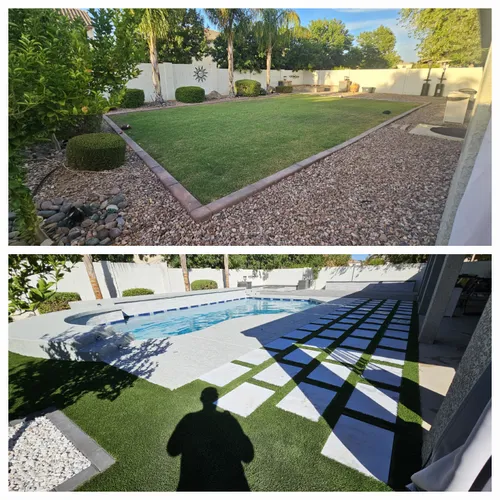
J & E Landscape, LLC is a landscaping and outdoor living company serving Chandler, AZ, and nearby communities including Queen Creek, San Tan Valley, and Apache Junction. They offer a wide range of services such as landscape maintenance, hardscape construction, artificial turf installation, irrigation system work, tree services, and landscape lighting installation. Their expertise includes building durable paver patios and walkways designed to withstand local soil conditions and climate. Established in 2018 with roots in generations of landscaping experience, J & E Landscape, LLC focuses on quality craftsmanship and tailored outdoor solutions.
Green Keeper Weed Control
Phoenix, AZ
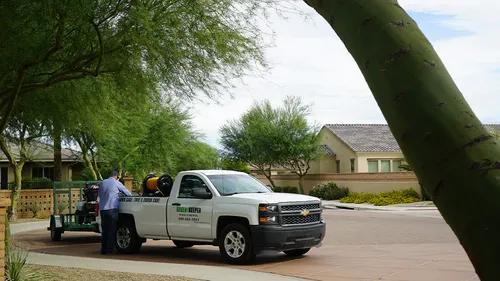
Green Keeper Weed Control is a lawn care company based in Phoenix, AZ, specializing in lawn fertilization and weed control services. Serving the Phoenix Metro area, they offer a horticulturist-developed weed control formula applied by trained technicians to manage weeds effectively for up to six months. Green Keeper has been serving the Valley of the Sun since 1988, bringing decades of experience to their weed control treatments.
Understanding Casa Grande's Two-Season Lawn
Unlike single-grass climates, many Casa Grande lawns operate on a dual-season system. This approach is key to having a green lawn year-round but requires two distinct care regimens.
- Summer Grass (Bermuda): This warm-season grass is the workhorse of the summer, thriving in the heat. It goes dormant and turns brown in the winter. During its active growth period from late spring through early fall, it has a high demand for specific nutrients, particularly nitrogen and iron, to combat the deficiencies common in our desert soils.
- Winter Grass (Perennial Ryegrass): To maintain a green lawn during the cooler months, many homeowners overseed their dormant Bermuda with perennial ryegrass. This cool-season grass requires its own feeding and weed control schedule throughout the fall, winter, and early spring.
A professional lawn nutrition and weed prevention program will seamlessly transition between caring for these two grasses, ensuring each gets what it needs when it needs it.
The Essential Annual Treatment Schedule
Timing is everything in desert lawn care. Applying the right product at the wrong time can be ineffective or even harmful. A professional-grade program follows a strategic calendar aligned with soil temperatures and grass growth cycles.
Late Winter / Early Spring (February - March)
This is a critical window for weed prevention. As soil temperatures approach 55°F, summer weed seeds begin to germinate. A pre-emergent herbicide application during this period creates a barrier in the soil, stopping weeds like crabgrass and spurge before they ever emerge. This is also the time for a light feeding to encourage the green-up of overseeded ryegrass or to prepare Bermuda for its spring awakening.
Spring (April - May)
As temperatures rise, focus shifts to supporting vigorous growth. A balanced fertilizer application provides nutrients for the now-active Bermuda grass. This period may also include targeted post-emergent weed control to tackle any early weeds that have broken through.
Summer (June - September)
This is the primary growing season for Bermuda grass. Lawn feeding should occur every 4 to 8 weeks with formulations designed for high-heat stress, often rich in iron and essential micronutrients to counteract the alkaline soil 1. Weed monitoring continues, as some pests thrive in the heat. Consistent, deep watering is crucial to work in tandem with fertilization.
Fall (October - November)
Fall is another pivotal season for weed management. This is when winter weed seeds (like poa annua) germinate. Applying a fall pre-emergent is essential to prevent a weedy lawn all winter 2. For those who overseed, this is the time to plant ryegrass. A specialized starter fertilizer helps the new grass establish while the Bermuda begins to go dormant.
Winter (December - January)
Care continues for the winter ryegrass lawn. Light, winter-formula feedings keep the ryegrass healthy and green. This is also a period for planning, soil testing, and equipment maintenance before the next annual cycle begins 3.
Find the perfect lawn treatment companies for your needs
Get personalized recommendations and expert advice
Key Factors Influencing Your Lawn's Health
Beyond the calendar, several local factors dictate the success of a turf care program.
- Soil Science: Casa Grande's native soil is typically alkaline (high pH), which locks up essential nutrients like iron, making them unavailable to grass. This is why iron supplements are a common component of local fertilization plans 4 5. A professional may recommend a soil test to identify specific deficiencies and customize a program.
- Grass Type: The specific cultivar of Bermuda or ryegrass can influence nutrient needs and mowing heights. A knowledgeable provider will adjust their approach accordingly.
- Irrigation Practices: Fertilizer must be watered in properly to be effective and to avoid burning the lawn. An optimal feeding schedule is always coordinated with your watering routine.
- Weed Pressure: The types of weeds present (broadleaf vs. grassy) determine the best choice of herbicide. Professional diagnosis ensures the correct product is used for safe, effective control.
Understanding Service and Investment
Professional lawn care in Casa Grande is typically offered as a comprehensive annual program, which provides consistency and often better value than one-off treatments.
- Program Structure: Most annual plans include between 4 and 7 scheduled visits, encompassing the key seasonal applications of pre-emergent herbicides and fertilizers 6. This hassle-free approach ensures no critical step is missed.
- Service Scope: A full-service visit usually includes a granular application of fertilizer and/or herbicide, a visual inspection for pest or disease issues, and notes on any observed lawn problems. Some companies offer liquid applications or organic options.
- Investment Range: Costs are influenced by lawn size, the complexity of the program (e.g., overseeding service), and product types. While individual visits for an average-sized yard may range from approximately $60 to over $100, committing to an annual program often brings the per-visit cost down, with annual totals varying based on the factors above 7 8 9. Bundling fertilization and weed control together is almost always more economical than purchasing them separately.
When evaluating local providers, look for those with demonstrated experience in the Arizona desert. They should be able to clearly explain their approach to the Bermuda/Rye transition, soil amendments, and their specific product choices for our region.
Frequently asked questions
Sources
Footnotes
-
How to Care for Your Summer Grass in Arizona - LawnStarter - https://www.lawnstarter.com/blog/arizona/summer-grass-arizona/ ↩
-
What's the Perfect Weed Control Schedule for Lawns in Arizona? - https://www.littlejohnslawns.com/blog/whats-the-perfect-weed-control-schedule-for-lawns-in-arizona ↩
-
Month-by-Month Lawn Care Calendar for Arizona - Lawn Love - https://lawnlove.com/blog/arizona-lawn-care-calendar/ ↩
-
Year-Round Lawn Care Tips for Arizona Homeowners - https://greenkeeperaz.com/seasonal-tips/year-round-seasonal-lawn-tips/ ↩
-
Lawn Fertilization & Weed Control Services | ExperiGreen - https://experigreen.com/lawn-fertilization-weed-control-program/ ↩
-
Feed All Year Long with Our Custom Lawn Fertilizer Schedule - https://scottsmiraclegro.com/en-us/learn/lawn-care/Feed-all-year-long-with-our-custom-lawn-fertilizer-schedule.html ↩
-
How Much Does Lawn Fertilization Cost in 2026? - https://lawnlove.com/blog/lawn-fertilization-cost/ ↩
-
How Much Does Lawn Weed Control Cost in 2026? - https://lawnlove.com/blog/weed-control-cost/ ↩
-
average cost of lawn fertilization service: 7 Best 2025 Wins - https://ajmgrounds.com/average-cost-of-lawn-fertilization-service/ ↩