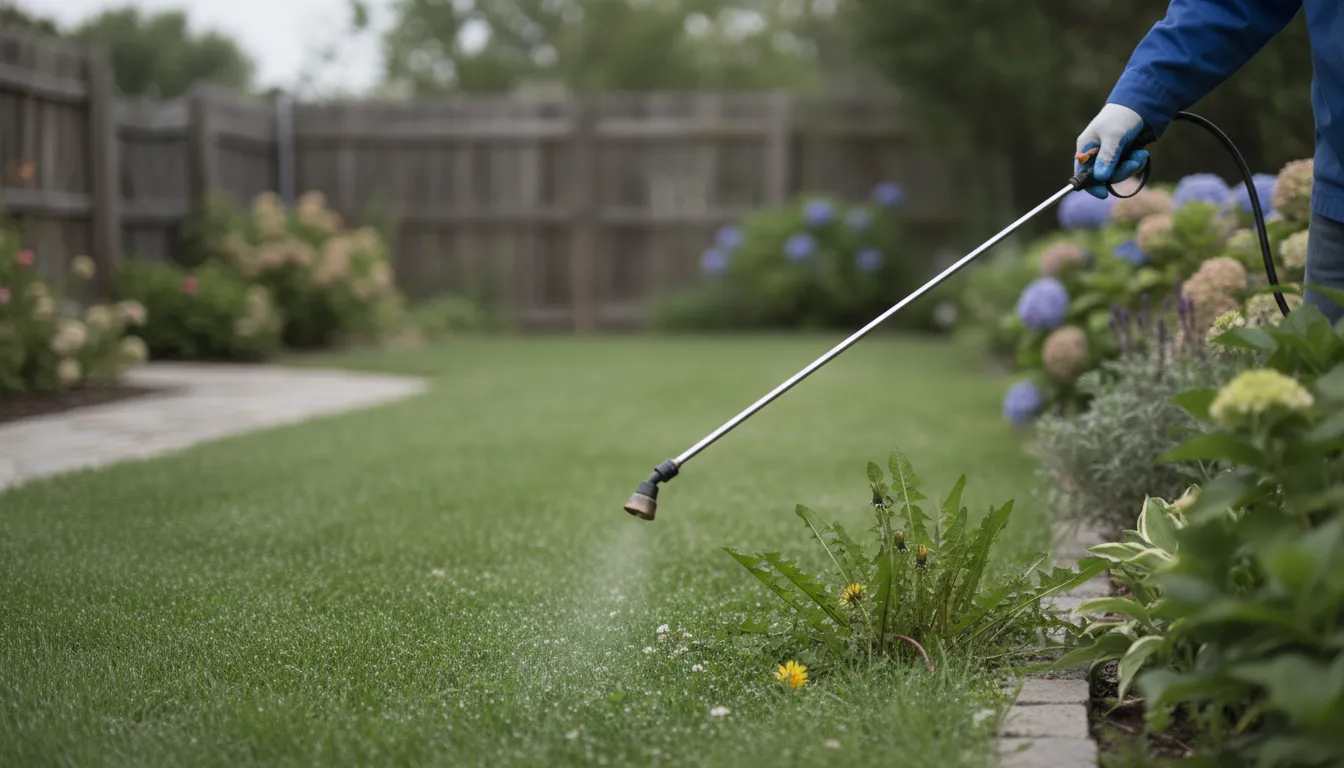
Find the Best Lawn Treatment Companies for Your Business
No obligation • Fast responses • Nationwide coverage

Why you can trust Landscape Atlas
Landscape Atlas is a leading United States resource for evaluating landscaping, lawn care, and outdoor service providers. Our team researches each category in depth, focusing on service quality, safety, and customer experience. Listings and rankings are based on independent criteria and user feedback, and companies cannot pay to influence our assessments or recommendations.
Search providers near you
Top Lawn Treatment Companies in Tucson, Arizona Ranked
Maintaining a lush, green, and weed-free lawn in Tucson is a unique challenge that requires a specialized understanding of the Sonoran Desert climate. Lawn fertilization and weed control services provide the targeted nutrition and protection your grass needs to thrive in the heat while fending off invasive plants. This guide explains the essential practices for Tucson lawns, helping you understand the seasonal schedule, common treatments, and how to connect with local professionals who can create a customized plan for your yard.
Transformed Trees & Landscaping LLC
7118 E 17th Pl, Tucson, AZ 85710
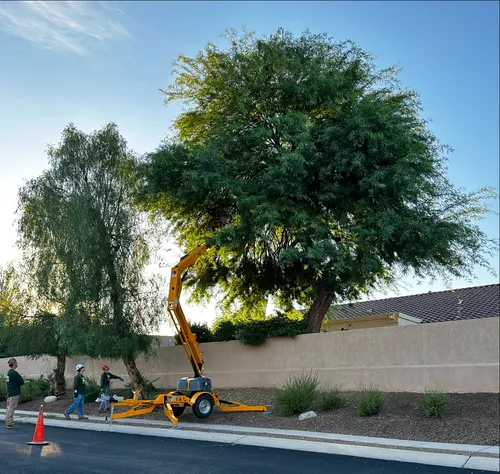
Transformed Trees & Landscaping LLC is a full-service tree and landscape company based in Tucson, AZ. They specialize in native trees and shrubs while offering a wide range of services including tree trimming, pruning, removal, stump grinding, insect and disease management, storm damage repair, soil care, fertilization, irrigation installation and repair, landscape design, and decorative rock installation. The company was founded in 2016 by Chris Bouchard, a certified Arizona arborist with extensive experience in tree care. They emphasize the science behind proper tree maintenance and landscaping to help clients maintain healthy and attractive properties.
WeedCo
2480 W Ruthrauff Rd # 140, Tucson, AZ 85705
WeedCo is a lawn care company based in Tucson, AZ, specializing in lawn fertilization, weed control, and pest management for residential and commercial properties. The company offers customized treatment programs designed to address specific weed and pest concerns, ranging from one-time services to comprehensive protection packages. WeedCo employs licensed and professionally trained technicians and inspectors, ensuring thorough and transparent service plans. The company is state certified by the Arizona Department of Agriculture and Office of Pest Management.
Alexander's garden Service
Tucson, AZ
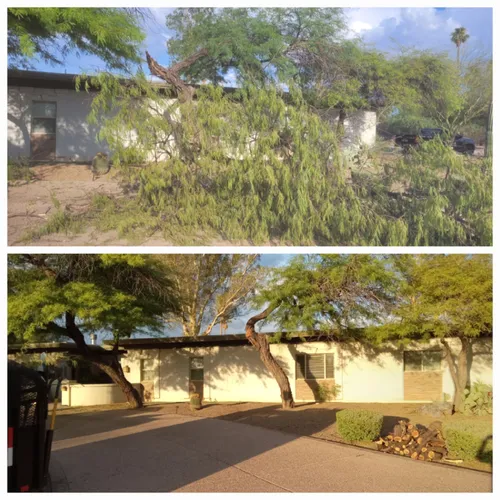
Alexander's Garden Service is a locally owned landscaping company based in Tucson, AZ, specializing in desert-friendly garden and landscape design, irrigation solutions, and removal services. They offer custom landscape planning, smart irrigation installations, cactus and tree removal, soil and mulch delivery, and trash hauling tailored to the unique needs of desert environments. The company has been serving Tucson and approved surrounding areas since 2018, combining sustainable practices with practical landscaping expertise to create water-wise, functional outdoor spaces.
Royal Weed Control
Tucson, AZ
Royal Weed Control is a family-owned lawn care company based in Tucson, AZ, specializing in weed control for residential, commercial, and HOA properties. Founded in 2004, they offer flexible service plans including bi-annual, quarterly, monthly, or as-needed treatments to meet various customer needs. With over two decades of experience, Royal Weed Control focuses on providing effective weed management while maintaining a high standard of customer care.
Castle's Landscape Service
4873 S Champlain Ave, Tucson, AZ 85730
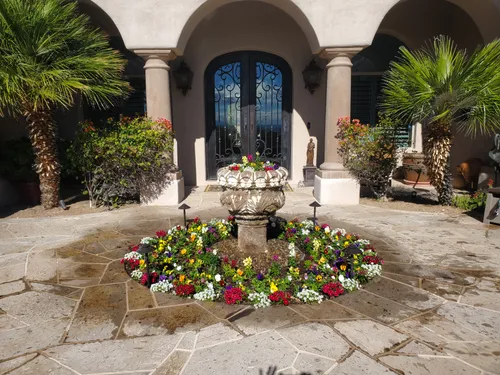
Castle's Landscape Service is a landscaping company based in Tucson, AZ, specializing in custom landscape design, installation, irrigation systems, lighting, grading, and maintenance. They focus on creating yards suited to Tucson's unique climate, using native and desert-adapted plants, eco-friendly irrigation, and durable hardscapes designed to withstand local weather conditions. Their services include lawn fertilization, weed control, sprinkler installation and repair, yard drainage, and hardscaping features like pavers and retaining walls. The company emphasizes tailored plans that balance aesthetics and function, with ongoing maintenance to support healthy plants and efficient water use throughout the year.
Understanding Tucson's Lawn Environment
Tucson's arid climate and intense summer sun dictate a very specific approach to lawn care. Unlike many parts of the country, success here hinges on working with the environment, not against it. The cornerstone of effective lawn nutrition and weed management is knowing what type of grass you have and what it needs to survive the long, hot growing season.
Common Grass Types: The vast majority of lawns in Tucson are planted with warm-season grasses, primarily Bermuda and Zoysia varieties. These grasses are naturally adapted to thrive in high temperatures and go dormant (turn brown) during the mild winter. Attempting to maintain cool-season grasses like Fescue or Kentucky Bluegrass is generally not recommended, as they struggle immensely with Tucson's summer heat and require excessive water.
Key Nutrient Needs: In our high-pH, caliche-heavy soils, certain nutrients become less available to grass roots. Iron is a critical component for maintaining a rich green color without promoting excessive, weak growth that nitrogen-heavy fertilizers can cause 1. Therefore, the best lawn feeding programs for Tucson utilize slow-release fertilizers that are fortified with iron. This provides a steady supply of nutrients and helps the grass retain its color even under stress.
The Essential Seasonal Schedule for Fertilization & Weed Prevention
A proactive, calendar-based approach is the most effective strategy for lawn health. Reactive care often leads to weed infestations and nutrient deficiencies that are harder to correct. Here's a breakdown of the typical annual cycle for lawn treatment in Tucson.
Spring (March - May): The Wake-Up Call
As soil temperatures rise, your warm-season lawn exits dormancy. This is a critical window for setting up success for the entire growing season.
- Primary Treatment: A "wake-up" fertilizer application provides the initial nutrients for green-up and growth. This should be combined with a pre-emergent herbicide targeted at crabgrass and other summer annual weeds, which germinate as the soil warms.
- Secondary Action: Post-emergent weed control is often necessary to tackle broadleaf weeds (like dandelions or spurge) that have already emerged from winter.
Summer (June - August): Sustaining Through the Heat
This is the peak growing period for Bermuda and Zoysia grasses, but also a time of significant stress from heat and drought.
- Primary Treatment: One or two summer feedings with a balanced, slow-release fertilizer help sustain the lawn. As with spring, these applications often include iron to enhance color without forcing excessive growth that requires more water.
- Weed Control: Spot treatments with post-emergent herbicides may be needed to control breakthrough weeds. Monitoring for insects like grubs or chinch bugs is also part of a comprehensive summer program.
Fall (September - November): Preparing for Dormancy
Fall is arguably the most important season for long-term lawn health, focusing on root development and preventing winter weeds.
- Core Service: This is the ideal time for core aeration. Aerating relieves soil compaction, allowing water, oxygen, and nutrients to reach the root zone more effectively. It's often paired with overseeding for cool-season grasses, though less common in Tucson.
- Critical Treatment: Applying a pre-emergent herbicide in early fall is essential to prevent winter annual weeds (like poa annua) from germinating as temperatures drop 2. A final fall fertilizer application promotes deep root growth, helping the lawn store energy for the winter and green up faster next spring.
Winter (December - February): The Dormant Season
While the grass is not actively growing, maintenance doesn't stop.
- Focus: Weed control remains a priority. Post-emergent treatments can be used on visible winter weeds. Some companies offer a "dormant feeding" or a very light fertilizer application to support root health, but the main goal is keeping weeds at bay until the spring cycle begins again 3 4.
Find the perfect lawn treatment companies for your needs
Get personalized recommendations and expert advice
What to Expect from a Professional Treatment Program
Most local lawn care providers structure their services as annual programs, which offer consistency, proper timing, and often better value than one-off treatments. Understanding the components of these programs will help you evaluate your options.
Typical Program Structure: A comprehensive annual plan usually consists of 4 to 6 scheduled visits, spaced approximately 6 to 8 weeks apart, to cover the key seasonal needs outlined above. This ensures treatments are applied at the optimal time for maximum effectiveness.
Service Inclusions: A standard visit in a professional program typically combines several services:
- Fertilization: Application of a slow-release, seasonally-appropriate fertilizer blend.
- Pre-emergent Weed Control: To form a barrier against future weed seeds.
- Post-emergent Weed Control: To eliminate existing weed problems.
- Insect Control: Granular or liquid treatments for common lawn pests are often included or available as an add-on 5 6.
Additional Vital Services:
- Lawn Aeration: This service is so crucial for compacted Tucson soils that it is frequently included as one of the visits in an annual program or offered as a standalone service in the fall. It dramatically improves the efficacy of both fertilization and watering 7 8.
- Soil Amendments: Some companies may test your soil and recommend specific amendments (like gypsum for clay soils) to improve nutrient availability and soil structure over time.
Understanding Investment and Value
The cost for professional lawn feeding and weed management in Tucson varies based on the size of your lawn, the complexity of the program, and the service provider. Here's a general overview based on local market data:
- Per-Visit Cost: Individual treatment visits typically range from $60 to $100 or more9 10. This price is influenced by your lawn's square footage and the specific products used.
- Annual Program Cost: For a full-season program covering multiple applications, homeowners can expect an annual investment in the range of $300 to $800+11 12 13 14. Many companies offer a discounted rate for committing to an annual contract upfront, which can provide savings compared to paying for each service individually 15.
- What Affects Price? Key factors include your lawn's total area, its current condition (a weed-filled lawn may require more initial effort), accessibility, and whether add-on services like grub control or soil amendments are included.
Choosing a provider should involve more than just comparing prices. Look for companies that offer clear explanations of their treatment plans, use high-quality products suited for desert lawns, and can provide a guarantee for their weed control services. A reputable professional will conduct a property inspection first to understand your specific grass type, soil conditions, and weed pressures before recommending a plan.
Frequently asked questions
Sources
Footnotes
-
Lawn Care in Tucson, AZ | 6,000+ 5-Star Reviews - https://www.getsunday.com/local-guide/lawn-care-in-tucson-az ↩
-
The Perfect Weed Control Schedule for Lawns in Arizona - https://www.littlejohnslawns.com/blog/whats-the-perfect-weed-control-schedule-for-lawns-in-arizona ↩
-
Month-by-Month Lawn Care Calendar for Arizona - Lawn Love - https://lawnlove.com/blog/arizona-lawn-care-calendar/ ↩
-
Andersons Lawn Program - https://andersonslawn.com/products/andersons-lawn-program ↩
-
What Can You Expect From Our 6-Treatment Lawn Care Program? - https://brooklawnservices.com/what-can-you-expect-from-our-6-treatment-lawn-care-program/ ↩
-
Grass Roots Lawn Service - Fertilization & Weed Control - https://www.indygrass.com/fertilization-weed-control/ ↩
-
Seasonal Lawn Care Maintenance and Treatment Schedule - https://www.trugreen.com/lawn-care-101/blog/trugreen-lawn-care-services/lawn-maintenance-checklist ↩
-
Fertilization, Weed Control, & Aeration in Lawn Care Program - https://coloniallawn.com/understanding-fertilization-weed-control-and-aeration-in-lawn-care-programs/ ↩
-
5 Application Lawn Program - https://naturescapelawncare.com/us/services/lawncare/5app/ ↩
-
Average cost for weed and fertilizer treatments on a residential ... - https://www.facebook.com/groups/305770469602511/posts/2899885820190950/ ↩
-
How Much Do Most Lawn Care Companies Charge in 2025 - https://www.thickgreenhealthy.com/how-much-do-lawn-care-companies-charge/ ↩
-
Fertilization and Weed Plans for a Beautiful Lawn - https://www.lawndoctor.com/annual-programs/fertilization-and-weed-plans/ ↩
-
average cost of lawn fertilization service: 7 Best 2025 Wins - https://ajmgrounds.com/average-cost-of-lawn-fertilization-service/ ↩
-
How Much Does Lawn Fertilization Cost in 2026? - https://lawnlove.com/blog/lawn-fertilization-cost/ ↩
-
How much does lawn care service cost? - Green Lawn Fertilizing - https://www.greenlawnfertilizing.com/blog/how-much-does-lawn-care-service-cost ↩