Find the Best Lawn Treatment Companies for Your Business
No obligation • Fast responses • Nationwide coverage

Why you can trust Landscape Atlas
Landscape Atlas is a leading United States resource for evaluating landscaping, lawn care, and outdoor service providers. Our team researches each category in depth, focusing on service quality, safety, and customer experience. Listings and rankings are based on independent criteria and user feedback, and companies cannot pay to influence our assessments or recommendations.
Search providers near you
Top Lawn Treatment Companies in Chandler, Arizona Ranked
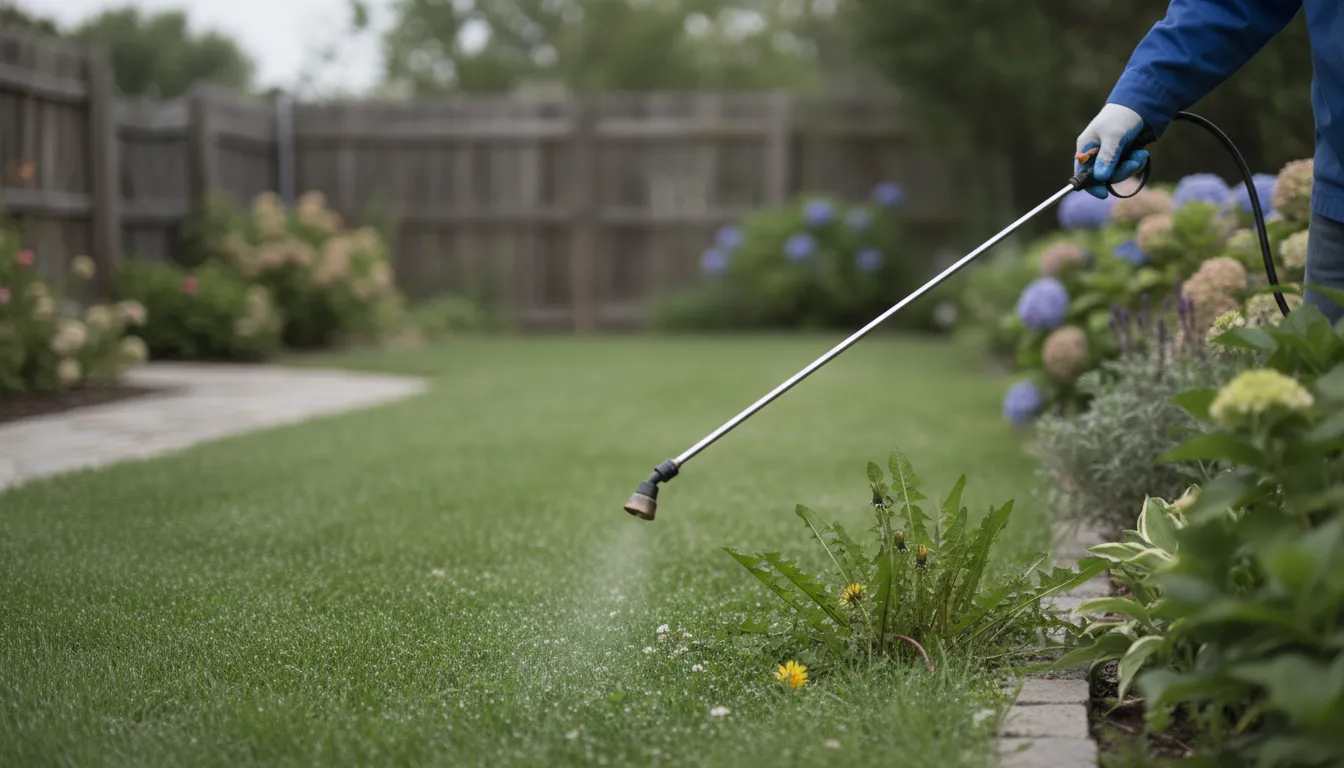
Maintaining a vibrant, healthy lawn in Chandler's desert climate is a unique challenge. Lawn fertilization and weed control services provide the targeted nutrition and protection your grass needs to thrive in the heat while resisting invasive weeds. This guide explains the essential components of a professional lawn care program, helping you understand the seasonal strategies and local considerations for finding the right service for your property.
Glen C Landscaping & Hardscape
Phoenix, AZ
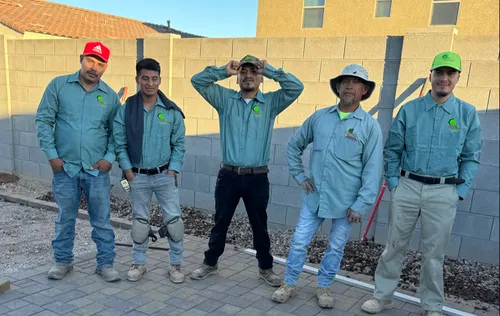
Glen C Landscaping & Hardscape is a family-owned landscaping company serving Phoenix, AZ, and surrounding areas including Scottsdale, Glendale, Surprise, and Avondale. With over 10 years of industry experience, they provide a wide range of services such as landscape design, lawn maintenance, irrigation and sprinkler installation, tree services, hardscaping including retaining walls and pavers, and artificial turf installation. Their team focuses on quality work and offers flexible financing options to meet client needs.
ArborCraft Tree Service Phoenix
2901 E Camelback Rd #200, Phoenix, AZ 85016
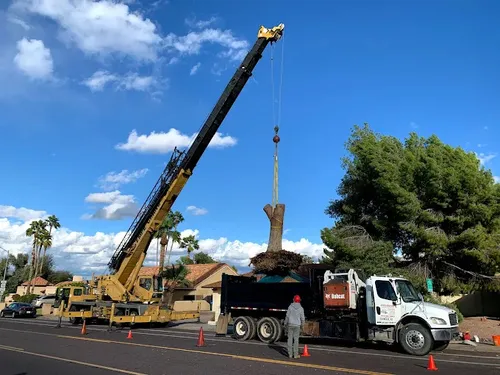
ArborCraft Tree Service Phoenix provides professional tree care and removal services in Mesa, AZ. Their team includes ISA-certified arborists who handle tree removal, pruning, fertilization, and stump grinding with advanced techniques tailored to the local environment. They serve both residential and commercial properties, addressing challenges such as storm damage, disease, and property safety. ArborCraft also offers emergency storm damage response to quickly clear hazardous trees and debris. Their approach focuses on protecting the overall health and aesthetics of your landscape while minimizing disruption to your property.
kenny's Lawn Service LLC
Scottsdale, AZ
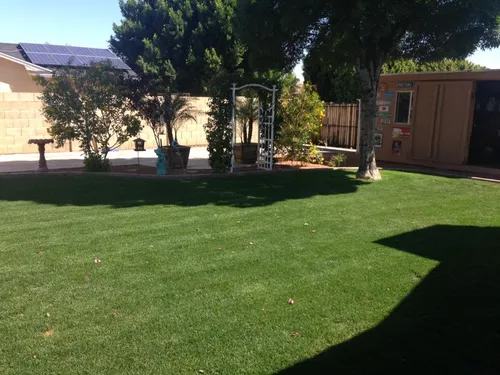
Kenny's Lawn Service LLC provides a variety of lawn care services in Scottsdale, AZ. Their offerings include mowing, blowing, trimming, fertilization, weed control, winter lawn installation, and property clean ups. The team uses advanced equipment to maintain healthy and vibrant lawns and is made up of trained professionals focused on personalized service.
TurFresh
3101 W Thomas Rd #107, Phoenix, AZ 85017
TurFresh is a lawn care company based in Phoenix, AZ, specializing in artificial turf cleaning and maintenance. They offer services such as pet urine odor removal, turf decompacting, deep brushing, weed removal, seam repairs, and turf infill adjustments. Their TurfBloom service helps restore the appearance and texture of artificial lawns by revitalizing turf fibers and infill material.
BV Lawn Care
21269 E Lords Wy, Queen Creek, AZ 85142
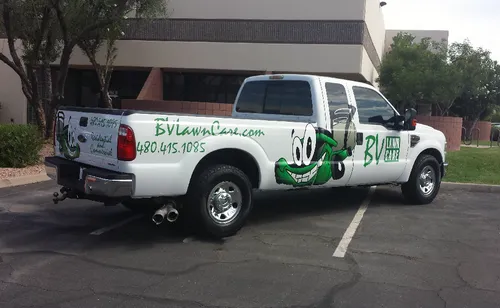
BV Lawn Care is a locally owned lawn care and landscaping company serving Mesa, AZ, and the surrounding East Valley cities. With over 30 years of experience, they offer a wide range of services including lawn mowing, fertilization, weed control, sod installation, tree trimming and removal, yard drainage, sprinkler installation and repair, land clearing, and hardscaping. Their team is skilled in irrigation system repairs and installations, providing comprehensive care for residential landscapes. BV Lawn Care has established a strong presence in the community with multiple locations and a long history of serving local families.
Understanding Chandler's Lawn Environment
The intense sun, high temperatures, and specific soil conditions in Chandler create a demanding environment for turfgrass. Successful lawn maintenance here isn't about generic care; it's about adapting proven horticultural practices to the Sonoran Desert. The primary goal of any fertilization and weed management plan is to build a dense, resilient turf that can outcompete weeds naturally, conserve water, and withstand seasonal stress.
Predominant Grass Types
Knowing your grass type is the first step to proper care, as fertilization and weed control schedules are tailored to its growth cycle.
- Bermuda Grass: The most common warm-season grass in Chandler. It's drought-tolerant, loves full sun, and grows aggressively during the hot summer months. Its fertilization needs are highest from late spring through early fall.
- Zoysia Grass: Another warm-season variety known for its dense growth and good heat tolerance. It requires similar seasonal timing to Bermuda but may have slightly different nutrient preferences.
- Cool-Season Grasses: Such as ryegrass, are sometimes used for winter overseeding to maintain a green lawn year-round. These grasses have an opposite growth cycle, requiring fertilization and care during the cooler fall and winter months.
The Core of a Professional Program: Fertilization
Fertilization replenishes essential nutrients that are rapidly depleted by the sun and heat. A haphazard approach can waste product, promote disease, or lead to excessive growth that demands more water.
Seasonal Fertilization Strategy
A professional service follows a calendar aligned with your grass's biological clock:
- Spring (March-May): As soil temperatures warm, a balanced fertilizer application encourages strong root development and lush green-up to prepare for summer. This is often an ideal time for core aeration, which loosens compacted soil and improves the effectiveness of fertilizer and water penetration 1.
- Summer (June-August): The peak growing season for warm-season grasses. Fertilization shifts to supporting heat stress resistance, often with formulas containing iron for deep green color without excessive growth spurts that increase water demand. Applications are typically done every 4 to 8 weeks.
- Fall (September-October): A critical season for both warm and cool-season grasses. For Bermuda, a final feeding helps it store energy for winter dormancy. If you overseed with winter rye, fall fertilization is essential for establishing the new grass before frost.
- Winter (November-February): Focus is on cool-season grasses. A slow-release fertilizer with iron can fortify roots and maintain color. This is also a key time to prepare the soil and lawn for the upcoming spring.
Types of Lawn Food
Providers may offer different formulations:
- Synthetic Fertilizers: Provide precise, readily available nutrients for quick results and targeted correction of deficiencies.
- Organic-Based Options: Feed the soil microbiome, improving long-term soil health and structure for sustained resilience.
The Essential Companion: Weed Control
Weeds compete with your lawn for water, nutrients, and space. In Chandler, control is a year-round, two-pronged strategy: stopping weeds before they start and eliminating those that appear.
Pre-Emergent Herbicides
This is the most effective form of weed control. Pre-emergents create a barrier in the soil that stops weed seeds from sprouting. Timing is absolutely critical and varies by weed type.
- For Summer Annual Weeds (like Crabgrass and Spurge): Apply in late winter to early spring, as soil temperatures begin to rise.
- For Winter Annual Weeds: Apply in the fall, before cooler temperatures trigger germination. This proactive step is vital for managing pervasive local nuisances like Goatshead (puncturevine).
Post-Emergent Herbicides
When weeds break through, targeted post-emergent treatments are used. Professionals identify the specific weed (broadleaf vs. grassy) and choose a selective herbicide that eliminates it without harming your desirable turfgrass. Spot treatments are often employed for efficiency and to minimize product use.
Find the perfect lawn treatment companies for your needs
Get personalized recommendations and expert advice
Beyond Basics: Integrated Lawn Health Services
A comprehensive lawn care plan often includes additional services that enhance the effectiveness of fertilization and weed control.
- Core Aeration: Performing this annually, typically in the spring, relieves soil compaction. This allows air, water, and fertilizer to reach the root zone more effectively, leading to a stronger, deeper-rooted lawn.
- Pest and Disease Management: Grubs, lawn moths, and fungal diseases like root rot can undermine lawn health. Professional providers can diagnose and treat these issues, protecting your investment in fertilization.
- Soil Amendments: Based on soil test results, treatments like gypsum (for clay soil) or specific organic matter can be added to improve soil texture and nutrient-holding capacity.
What to Expect: Service Structure and Investment
Most professional lawn care services in Chandler operate on a scheduled visit program.
- Service Frequency: A typical program involves 6 to 8 visits per year, timed to the seasonal needs outlined above2.
- The Visit: A technician will apply the prescribed fertilizers and herbicides, perform spot-checks for weeds or pests, and note any areas needing special attention.
- Communication: Reputable companies provide detailed notes after each service regarding what was applied and any recommendations for the homeowner (e.g., watering instructions).
Understanding Costs
Pricing is primarily based on the size of your lawn and the comprehensiveness of the program. It's most commonly offered as a seasonal or annual package.
- Per-Visit Cost: A single application combining fertilization and weed control can range from approximately $50 to over $200, depending on lawn size and product requirements 3.
- Annual Program Cost: A basic annual fertilization and weed control plan for an average-sized Chandler lawn often starts in the range of $300 to $600+. More comprehensive plans that include aeration, pest control, and soil amendments will be higher4 5 6.
- Custom Quotes: The best way to get an accurate price is to have providers assess your specific lawn-its size, grass type, slope, and current condition-to build a tailored plan.
Key Local Considerations for Chandler Homeowners
- Water Efficiency: A properly fertilized lawn develops deeper roots and uses water more efficiently. Professionals tailor nutrient formulas to promote drought tolerance, which is crucial in our arid environment7 8.
- Heat Stress Mitigation: Summer treatments are designed to strengthen grass against heat stress, preventing burnout and reducing the lawn's water demand during peak evaporation periods9.
- Targeted Weed Knowledge: Local experts focus on the weeds that actually plague Chandler yards, such as Goatshead, Spurge, and Crabgrass, with pre-emergent timing calibrated to our local climate10 11.
- Avoiding "One-Size-Fits-All": The desert climate demands customization. The best results come from a plan that considers your lawn's specific microclimate, grass type, and exposure12.
Frequently asked questions
Sources
Footnotes
-
Seasonal Lawn Care Maintenance and Treatment Schedule - https://www.trugreen.com/lawn-care-101/blog/trugreen-lawn-care-services/lawn-maintenance-checklist ↩
-
CRWN Lawn Care Chandler, AZ - https://lawncare.crwnservices.com/chandler-lawn-care ↩
-
How much does lawn care service cost? - Green Lawn Fertilizing - https://www.greenlawnfertilizing.com/blog/how-much-does-lawn-care-service-cost ↩
-
Chandler, AZ Lawn Treatment & Fertilization | Weed Control - https://www.lawnstarter.com/chandler-az-lawn-treatment ↩
-
Chandler, AZ Lawn Care | 6000+ 5-Star Reviews - https://www.getsunday.com/local-guide/lawn-care-in-chandler-az ↩
-
How Much Does Lawn Weed Control Cost in 2026? - https://lawnlove.com/blog/weed-control-cost/ ↩
-
#1 Lawn Fertilization Service In Chandler, AZ - https://www.littlejohnslawns.com/chandler/lawn-fertilization ↩
-
Weed Control Service In Chandler, AZ - Little John's Lawns - https://www.littlejohnslawns.com/chandler/weed-control ↩
-
Month-by-Month Lawn Care Calendar for Arizona - Lawn Love - https://lawnlove.com/blog/arizona-lawn-care-calendar/ ↩
-
Lawn Fertilization Gilbert Arizona - https://www.littlejohnslawns.com/lawn-fertilization ↩
-
Lawn Care Services in Arizona | Green Keeper Weed Control - https://greenkeeperaz.com/services/lawn-care/ ↩
-
Lawn Care & Landscaping Chandler AZ - https://www.littlejohnslawns.com/chandler-az ↩