Find the Best Lawn Treatment Companies for Your Business
No obligation • Fast responses • Nationwide coverage

Why you can trust Landscape Atlas
Landscape Atlas is a leading United States resource for evaluating landscaping, lawn care, and outdoor service providers. Our team researches each category in depth, focusing on service quality, safety, and customer experience. Listings and rankings are based on independent criteria and user feedback, and companies cannot pay to influence our assessments or recommendations.
Search providers near you
Top Lawn Treatment Companies in Scottsdale, Arizona Ranked
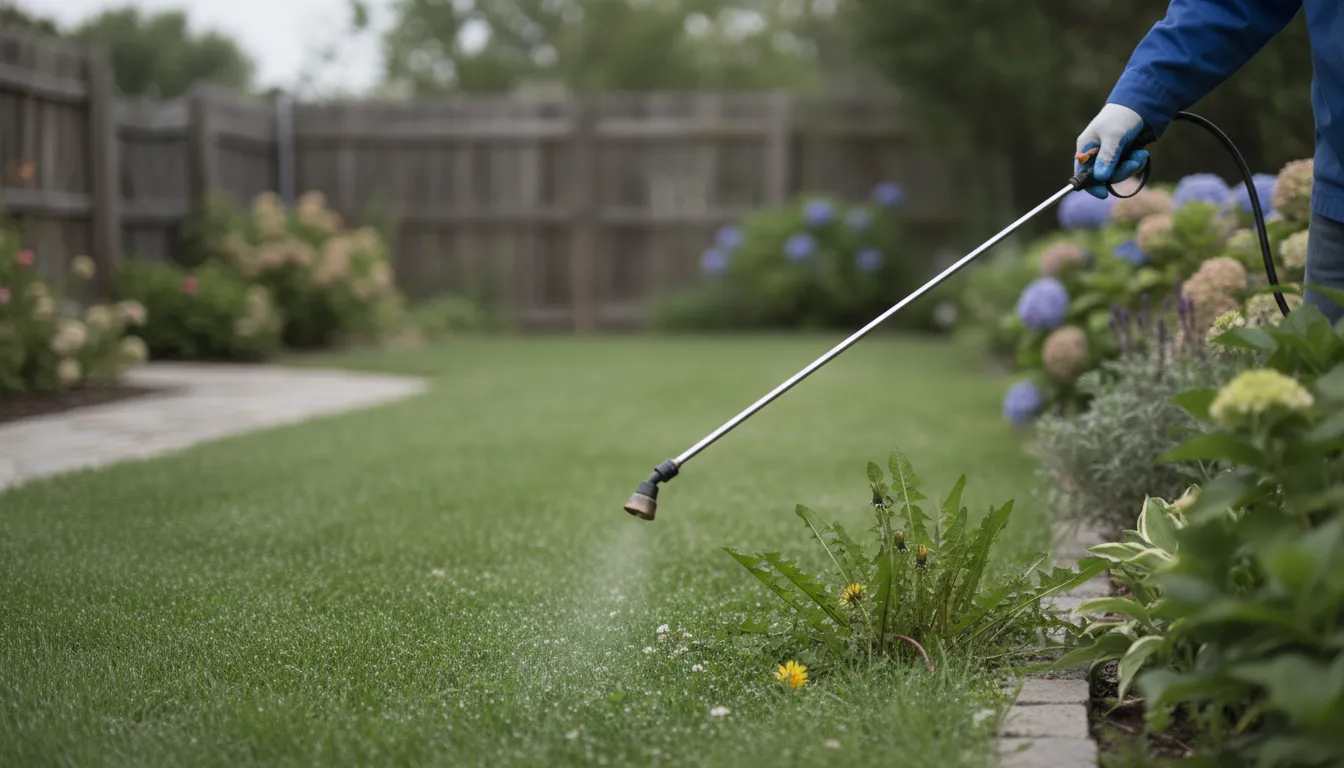
Maintaining a lush, green, and weed-free lawn in Scottsdale is a unique challenge that requires a specialized approach. The desert climate and prevalent warm-season grasses demand a precise schedule of fertilization and weed management to thrive. This guide explains the essential services of lawn feeding and weed prevention, why they are critical for your landscape's health, and how you can connect with local professionals who understand the specific needs of Scottsdale yards.
Glen C Landscaping & Hardscape
Phoenix, AZ
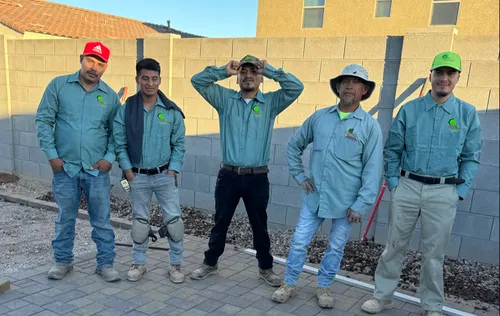
Glen C Landscaping & Hardscape is a family-owned landscaping company serving Phoenix, AZ, and surrounding areas including Scottsdale, Glendale, Surprise, and Avondale. With over 10 years of industry experience, they provide a wide range of services such as landscape design, lawn maintenance, irrigation and sprinkler installation, tree services, hardscaping including retaining walls and pavers, and artificial turf installation. Their team focuses on quality work and offers flexible financing options to meet client needs.
ArborCraft Tree Service Phoenix
2901 E Camelback Rd #200, Phoenix, AZ 85016
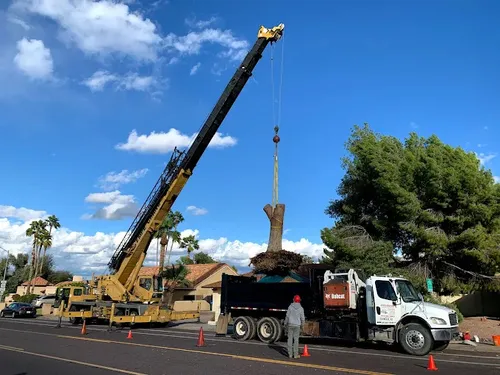
ArborCraft Tree Service Phoenix provides professional tree care and removal services in Mesa, AZ. Their team includes ISA-certified arborists who handle tree removal, pruning, fertilization, and stump grinding with advanced techniques tailored to the local environment. They serve both residential and commercial properties, addressing challenges such as storm damage, disease, and property safety. ArborCraft also offers emergency storm damage response to quickly clear hazardous trees and debris. Their approach focuses on protecting the overall health and aesthetics of your landscape while minimizing disruption to your property.
kenny's Lawn Service LLC
Scottsdale, AZ
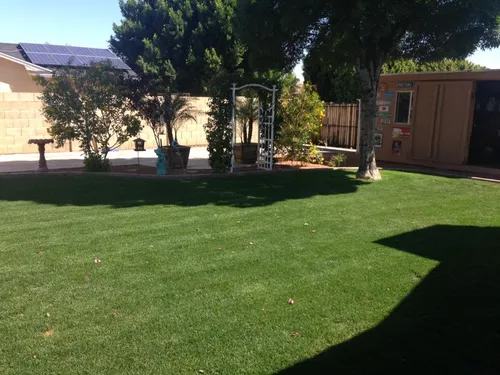
Kenny's Lawn Service LLC provides a variety of lawn care services in Scottsdale, AZ. Their offerings include mowing, blowing, trimming, fertilization, weed control, winter lawn installation, and property clean ups. The team uses advanced equipment to maintain healthy and vibrant lawns and is made up of trained professionals focused on personalized service.
TurFresh
3101 W Thomas Rd #107, Phoenix, AZ 85017
TurFresh is a lawn care company based in Phoenix, AZ, specializing in artificial turf cleaning and maintenance. They offer services such as pet urine odor removal, turf decompacting, deep brushing, weed removal, seam repairs, and turf infill adjustments. Their TurfBloom service helps restore the appearance and texture of artificial lawns by revitalizing turf fibers and infill material.
BV Lawn Care
21269 E Lords Wy, Queen Creek, AZ 85142
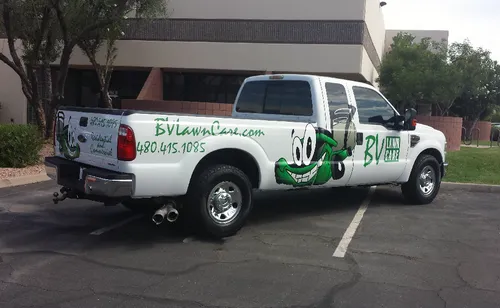
BV Lawn Care is a locally owned lawn care and landscaping company serving Mesa, AZ, and the surrounding East Valley cities. With over 30 years of experience, they offer a wide range of services including lawn mowing, fertilization, weed control, sod installation, tree trimming and removal, yard drainage, sprinkler installation and repair, land clearing, and hardscaping. Their team is skilled in irrigation system repairs and installations, providing comprehensive care for residential landscapes. BV Lawn Care has established a strong presence in the community with multiple locations and a long history of serving local families.
A vibrant lawn is more than just an aesthetic asset; it's a living ecosystem that enhances your property's value and your outdoor enjoyment. In Scottsdale, achieving this requires a proactive strategy. The right lawn care program combats the region's alkaline soil, intense sun, and seasonal weed pressures to build a dense, resilient turf that naturally resists pests, disease, and drought stress.
Understanding Scottsdale's Lawn Environment
The foundation of effective lawn nutrition and weed suppression starts with knowing what you're working with. Most lawns in the area are composed of warm-season grasses like Bermuda, Zoysia, or St. Augustine. These grasses have distinct growth cycles, becoming lush and green in the heat of summer and going dormant (turning brown) in the cooler winter months. This dormancy is normal, but proper care in the fall and winter sets the stage for a vigorous spring green-up.
Scottsdale's soil also presents a common hurdle: it tends to be alkaline, with a pH around 7.8 or higher. High pH can lock up essential nutrients, particularly iron, making them unavailable to grass roots. This is why specialized, iron-rich fertilizers are a cornerstone of effective lawn feeding programs here, helping to counteract yellowing and promote a deep green color.
The Annual Cycle of Lawn Care
A successful fertilization and weed control plan follows the rhythm of the seasons. A generic schedule won't suffice; timing is everything for preventing weeds and feeding your lawn at its peak growth periods.
- Fall (November - December): This is a critical preparation window. Applying a slow-release fertilizer with iron helps strengthen the root system for the coming winter. It's also the ideal time for a pre-emergent herbicide application to stop winter annual weeds before they ever sprout.
- Winter (December - February): While your grass is dormant, a "dormant feeding" with an iron-rich fertilizer can be applied. This doesn't force growth but provides nutrients that will be ready for immediate use during the spring green-up, leading to a faster, more uniform return of color. Watering is minimal during this period.
- Spring (March - May): As soil temperatures approach a consistent 55°F, it's time for the most important pre-emergent application of the year to target summer weeds like crabgrass. A light feeding can support the initial green-up phase.
- Summer (June - August): This is the peak growing season for warm-season grasses. Fertilization every 4 to 8 weeks with appropriate products supports this growth 1. Post-emergent weed control tackles any breakthrough weeds, and ensuring adequate water is crucial to prevent stress and burn from fertilizers.
Core Services: Feeding and Protecting Your Lawn
Professional lawn care programs typically bundle several key services into a seasonal schedule.
Customized Fertilization This isn't a one-size-fits-all service. Professionals use iron-rich, slow-release formulas specifically designed for desert conditions. The slow-release mechanism feeds the grass gradually, preventing wasteful runoff and providing sustained nutrition. A typical annual program may include a spring fertilizer with crabgrass preventer, a summer "weed & feed" application, a late-season feeding, and a vital fall winterizer 2.
Strategic Weed Management Weed control is a two-pronged strategy:
- Pre-Emergent Control: This is the most effective form of weed prevention. Herbicides are applied to the soil to create a barrier that stops weed seeds from germinating. Key application times are in the fall for winter weeds and early spring for summer weeds 3 4.
- Post-Emergent Control: For weeds that have already emerged, selective herbicides target specific broadleaf or grassy weeds without harming your desirable turf. This is often done as a spot treatment or as part of a broader "weed & feed" application.
Find the perfect lawn treatment companies for your needs
Get personalized recommendations and expert advice
Soil Health Amendments Sometimes, fertilization alone isn't enough. To address Scottsdale's alkaline soil, professionals might recommend soil amendments like sulfur or gypsum to gradually adjust pH and improve nutrient availability 5. A simple soil test can determine if this service is needed for your lawn.
What to Expect: Program Structures and Investment
Most local providers offer tiered lawn care programs, making it easy to find a plan that fits your lawn's needs and your budget. These are often sold as annual packages, which provide cost savings and ensure your lawn receives care at the optimal times throughout the year.
- Basic Programs: Often include 3-4 annual visits covering core fertilization and key pre-emergent weed control applications. These programs typically range from $300 to $600 per year.
- Comprehensive Programs: These more involved plans usually feature 5-6 or more visits annually. They include the full seasonal schedule of fertilization, both fall and spring pre-emergent applications, post-emergent weed control as needed, and may add insect control or soil amendments. Investment for these programs can range from $250 to over $900 per year, with pricing influenced by lawn size and service complexity.
- Per-Visit Services: For specific, one-time needs, services like a single fertilization or weed spraying are available. These typically cost between $50 to $200+, with specialized treatments on the higher end 6 7. It's worth noting that committing to an annual package often results in savings of 10-25% compared to scheduling each service individually 8 9.
When evaluating providers, look for those who offer a free lawn analysis. A reputable professional will assess your grass type, soil condition, weed pressure, and irrigation system before recommending a specific plan.
Frequently asked questions
Sources
Footnotes
-
Seasonal Lawn Care Maintenance and Treatment Schedule - https://www.trugreen.com/lawn-care-101/blog/trugreen-lawn-care-services/lawn-maintenance-checklist ↩
-
Annual Lawn Care Program for Acidic Soil l Jonathan Green - https://www.jonathangreen.com/product/annual-lawn-care-program-acidic-soil/ ↩
-
Affordable Lawn Care Plans & Pricing Options - TruGreen - https://www.trugreen.com/products-and-services ↩
-
Month-by-Month Lawn Care Calendar for Arizona - Lawn Love - https://lawnlove.com/blog/arizona-lawn-care-calendar/ ↩
-
Lawn Care in Scottsdale, AZ | 6000+ 5-Star Reviews - https://www.getsunday.com/local-guide/lawn-care-in-scottsdale-az ↩
-
average cost of lawn fertilization service: 7 Best 2025 Wins - https://ajmgrounds.com/average-cost-of-lawn-fertilization-service/ ↩
-
How Much Does Weed Control Cost in 2026? - LawnStarter - https://www.lawnstarter.com/blog/cost/weed-control-price/ ↩
-
5 Application Lawn Program - https://naturescapelawncare.com/us/services/lawncare/5app/ ↩
-
How much does lawn care service cost? - Green Lawn Fertilizing - https://www.greenlawnfertilizing.com/blog/how-much-does-lawn-care-service-cost ↩