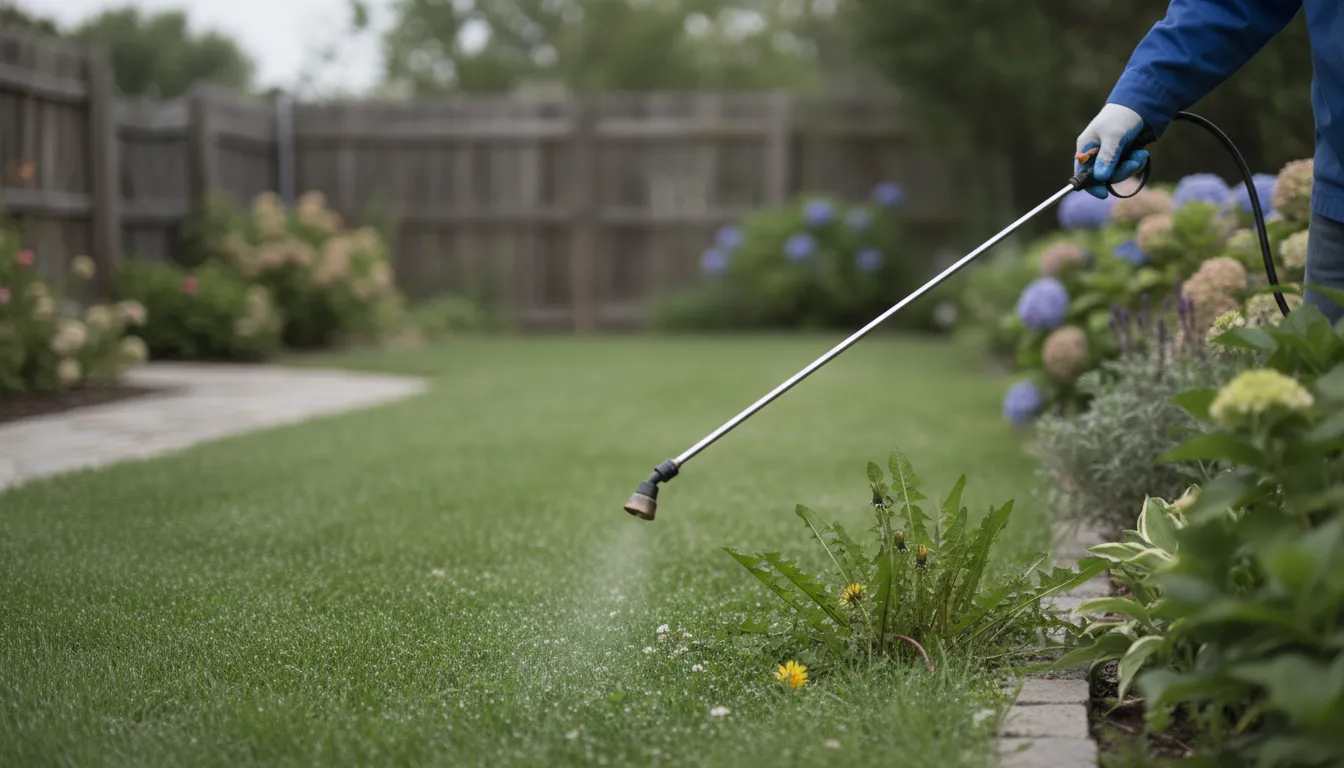
Find the Best Lawn Treatment Companies for Your Business
No obligation • Fast responses • Nationwide coverage

Why you can trust Landscape Atlas
Landscape Atlas is a leading United States resource for evaluating landscaping, lawn care, and outdoor service providers. Our team researches each category in depth, focusing on service quality, safety, and customer experience. Listings and rankings are based on independent criteria and user feedback, and companies cannot pay to influence our assessments or recommendations.
Search providers near you
Top Lawn Treatment Companies in Oro Valley, Arizona Ranked
Maintaining a vibrant, healthy lawn in Oro Valley requires a specialized approach tailored to the Sonoran Desert climate. Lawn fertilization and weed control are essential services that provide your grass with the nutrients it needs to thrive in the heat while protecting it from invasive weeds that compete for water and resources. This guide will help you understand the seasonal rhythms of local lawn care, the services available, and how to connect with professionals who can create a customized plan for your property.
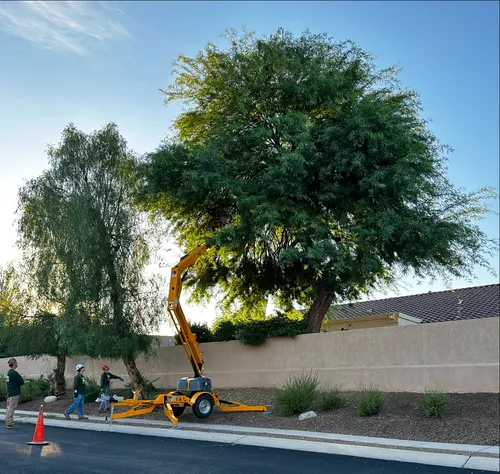
Transformed Trees & Landscaping LLC
7118 E 17th Pl, Tucson, AZ 85710
Transformed Trees & Landscaping LLC is a full-service tree and landscape company based in Tucson, AZ. They specialize in native trees and shrubs while offering a wide range of services including tree trimming, pruning, removal, stump grinding, insect and disease management, storm damage repair, soil care, fertilization, irrigation installation and repair, landscape design, and decorative rock installation. The company was founded in 2016 by Chris Bouchard, a certified Arizona arborist with extensive experience in tree care. They emphasize the science behind proper tree maintenance and landscaping to help clients maintain healthy and attractive properties.
WeedCo
2480 W Ruthrauff Rd # 140, Tucson, AZ 85705
WeedCo is a lawn care company based in Tucson, AZ, specializing in lawn fertilization, weed control, and pest management for residential and commercial properties. The company offers customized treatment programs designed to address specific weed and pest concerns, ranging from one-time services to comprehensive protection packages. WeedCo employs licensed and professionally trained technicians and inspectors, ensuring thorough and transparent service plans. The company is state certified by the Arizona Department of Agriculture and Office of Pest Management.
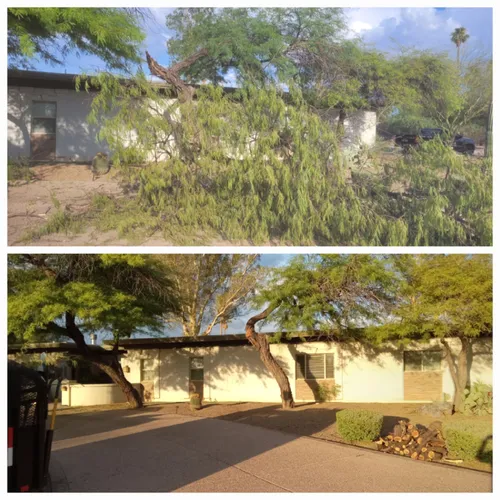
Alexander's garden Service
Tucson, AZ
Alexander's Garden Service is a locally owned landscaping company based in Tucson, AZ, specializing in desert-friendly garden and landscape design, irrigation solutions, and removal services. They offer custom landscape planning, smart irrigation installations, cactus and tree removal, soil and mulch delivery, and trash hauling tailored to the unique needs of desert environments. The company has been serving Tucson and approved surrounding areas since 2018, combining sustainable practices with practical landscaping expertise to create water-wise, functional outdoor spaces.
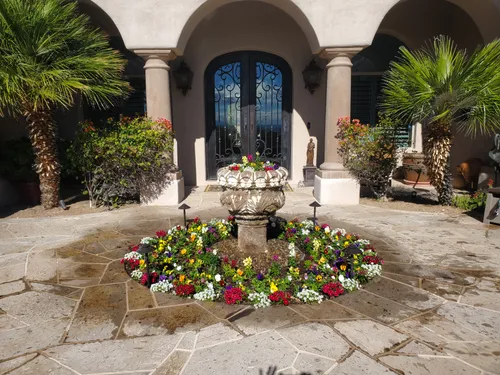
Castle's Landscape Service
4873 S Champlain Ave, Tucson, AZ 85730
Castle's Landscape Service is a landscaping company based in Tucson, AZ, specializing in custom landscape design, installation, irrigation systems, lighting, grading, and maintenance. They focus on creating yards suited to Tucson's unique climate, using native and desert-adapted plants, eco-friendly irrigation, and durable hardscapes designed to withstand local weather conditions. Their services include lawn fertilization, weed control, sprinkler installation and repair, yard drainage, and hardscaping features like pavers and retaining walls. The company emphasizes tailored plans that balance aesthetics and function, with ongoing maintenance to support healthy plants and efficient water use throughout the year.
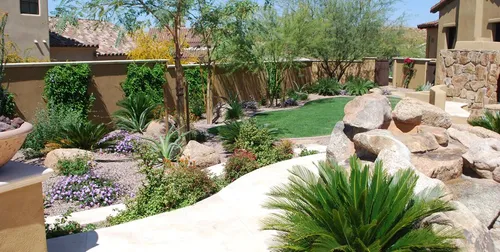
Mr. Smith's Landscaping
4688 W Tangerine Rd, Marana, AZ 85658
Mr. Smith's Landscaping is a full-service landscaping company located in Tucson, AZ. They offer a wide range of services including lawn mowing, fertilization, weed control, sod and artificial turf installation, landscape design, tree trimming and removal, sprinkler installation and repair, and hardscaping such as pavers and retaining walls. Their expertise includes efficient irrigation system design and installation tailored to Tucson's dry climate, helping conserve water while maintaining healthy landscapes. With over 25 years of experience, Mr. Smith's Landscaping provides customized solutions that suit the local environment and client needs.
Understanding Oro Valley's Lawn Environment
Oro Valley's landscape is dominated by warm-season grasses like Bermuda, Zoysia, and Buffalo Grass. These varieties are champions of the summer heat, growing vigorously when temperatures rise. However, they enter a period of dormancy during the cooler winter months. This unique growth cycle dictates a specific schedule for lawn feeding and weed prevention that differs significantly from cooler regions. A successful lawn care strategy here isn't just about applying products; it's about timing interventions to support the natural rhythms of these resilient grasses.
The Essential Seasonal Schedule
Professional lawn care in Oro Valley follows a calendar designed to anticipate the needs of your grass and the lifecycle of common weeds.
Winter (November - March)
During the cooler months, your lawn's growth slows or stops. The focus shifts to dormant feeding. Professionals often apply a slow-release fertilizer, sometimes enhanced with iron, to strengthen the root system and promote a greener color during dormancy. This is also the critical window for applying a fall pre-emergent herbicide to prevent winter weeds from ever taking root.
Spring (March - May)
As soil temperatures approach 55°F, it's time for a key defensive move: the spring pre-emergent application. This creates a barrier in the soil to block the germination of summer weed seeds. A light fertilization can also be applied to give the lawn a gentle wake-up call as it exits dormancy.
Summer (May - September)
This is the peak growing season for warm-season grasses. Lawn feeding should occur every 4 to 8 weeks to support vigorous growth. Concurrently, weed management becomes an active pursuit. Despite pre-emergent barriers, some weeds will emerge and require spot treatments with post-emergent herbicides.
Fall (September - November)
As growth begins to slow, the cycle prepares to reset. A fall pre-emergent application targets winter weed seeds, and fertilization is typically reduced or halted to allow the grass to harden off before winter.
Core Services for a Healthy Lawn
When you hire a professional for lawn treatment, their program typically integrates several key components:
- Pre-Emergent Weed Control: This is a proactive, preventative service applied twice a year (spring and fall). It doesn't kill existing weeds but forms a chemical barrier at the soil surface to stop new weeds from sprouting, targeting them before you ever see them.
- Post-Emergent Weed Control: This is the reactive solution for weeds that have already emerged. Professionals will perform spot treatments or broader applications every 1-2 months to tackle active invaders like Prostrate Spurge and London Rocket, common nuisances in the area 1.
- Seasonal Fertilization: More than just generic "plant food," this involves applying nutrient-rich, often slow-release fertilizers formulated for desert soils and timed precisely to match your grass's growth phases. This includes specialized treatments like iron supplements for winter color 2.
- Annual Program Management: Most providers offer bundled service plans. These typically involve visits every 6-8 weeks where they assess the lawn, apply necessary treatments, and adjust the plan based on current weather conditions and lawn health.
Find the perfect lawn treatment companies for your needs
Get personalized recommendations and expert advice
What to Expect: Service Providers and Investment
Oro Valley residents have access to a mix of local experts and national service providers. Local companies like Agave LD, Bill's Home Service, Arizona Landshapes, and Rincon Weed Control offer personalized lawn care programs 3 4 5 6. National brands such as TruGreen and Lawn Doctor also provide structured fertilization and weed control plans in the community 7.
Understanding the potential investment helps in planning. Costs are influenced by your lawn's square footage, the density of weed problems, and the intensity of the service plan chosen.
- Per-Application Cost: For a one-time treatment, homeowners might expect a range from approximately $50 to over $200 8.
- Annual Program Cost: Comprehensive annual plans, which include multiple scheduled visits for both fertilization and weed prevention, typically range from about $400 to $2,000 or more 9 10 11 12. These packages often provide better value and more consistent results than one-off services.
Building a Resilient Lawn Beyond Treatments
While professional services are crucial, homeowner practices play a supporting role. Proper mowing (never removing more than one-third of the grass blade at a time), deep but infrequent watering to encourage strong roots, and aeration to relieve soil compaction all contribute to a lawn that is naturally more resistant to weeds and better able to utilize applied fertilizers. Discussing these practices with your service provider can help create a truly holistic care plan.
Frequently asked questions
Sources
Footnotes
-
What's the Perfect Weed Control Schedule for Lawns in Arizona? - https://www.littlejohnslawns.com/blog/whats-the-perfect-weed-control-schedule-for-lawns-in-arizona ↩
-
Month-by-Month Lawn Care Calendar for Arizona - Lawn Love - https://lawnlove.com/blog/arizona-lawn-care-calendar/ ↩
-
Oro Valley Weed Spraying & Control Service - https://billshomeservice.com/oro-valley-weed-control/ ↩
-
Lawn Fertilization & Weed Control Services - Agave LD - https://agaveld.com/services/lawn-fertilization-weed-control/ ↩
-
Landscaper in Oro Valley, AZ - Arizona Landshapes LLC - https://azlandshapes.com/oro-valley-landscape-maintenance-lawn-care/ ↩
-
Oro Valley One and Done - Rincon Weed Control - https://rinconweedcontrol.com/oro-valley-od.html ↩
-
Fertilization and Weed Plans for a Beautiful Lawn - https://www.lawndoctor.com/annual-programs/fertilization-and-weed-plans/ ↩
-
How Much Does Weed Control Cost in 2026? - LawnStarter - https://www.lawnstarter.com/blog/cost/weed-control-price/ ↩
-
How Much Does TruGreen Cost? (2026) - HomeGuide - https://homeguide.com/costs/trugreen-cost ↩
-
Lawn Care Pricing Chart: Your Guide to Fair Lawn Service Costs - https://invoicefly.com/academy/lawn-care-pricing-chart/ ↩
-
Phoenix, AZ Lawn Treatment & Fertilization | Weed Control - https://www.lawnstarter.com/phoenix-az-lawn-treatment ↩
-
2025 Professional Lawn Maintenance Calendar - https://blog.lawnguru.co/professional-lawn-maintenance-calendar/ ↩