Find the Best Lawn Treatment Companies for Your Business
No obligation • Fast responses • Nationwide coverage

Why you can trust Landscape Atlas
Landscape Atlas is a leading United States resource for evaluating landscaping, lawn care, and outdoor service providers. Our team researches each category in depth, focusing on service quality, safety, and customer experience. Listings and rankings are based on independent criteria and user feedback, and companies cannot pay to influence our assessments or recommendations.
Search providers near you
Top Lawn Treatment Companies in Peoria, Arizona Ranked
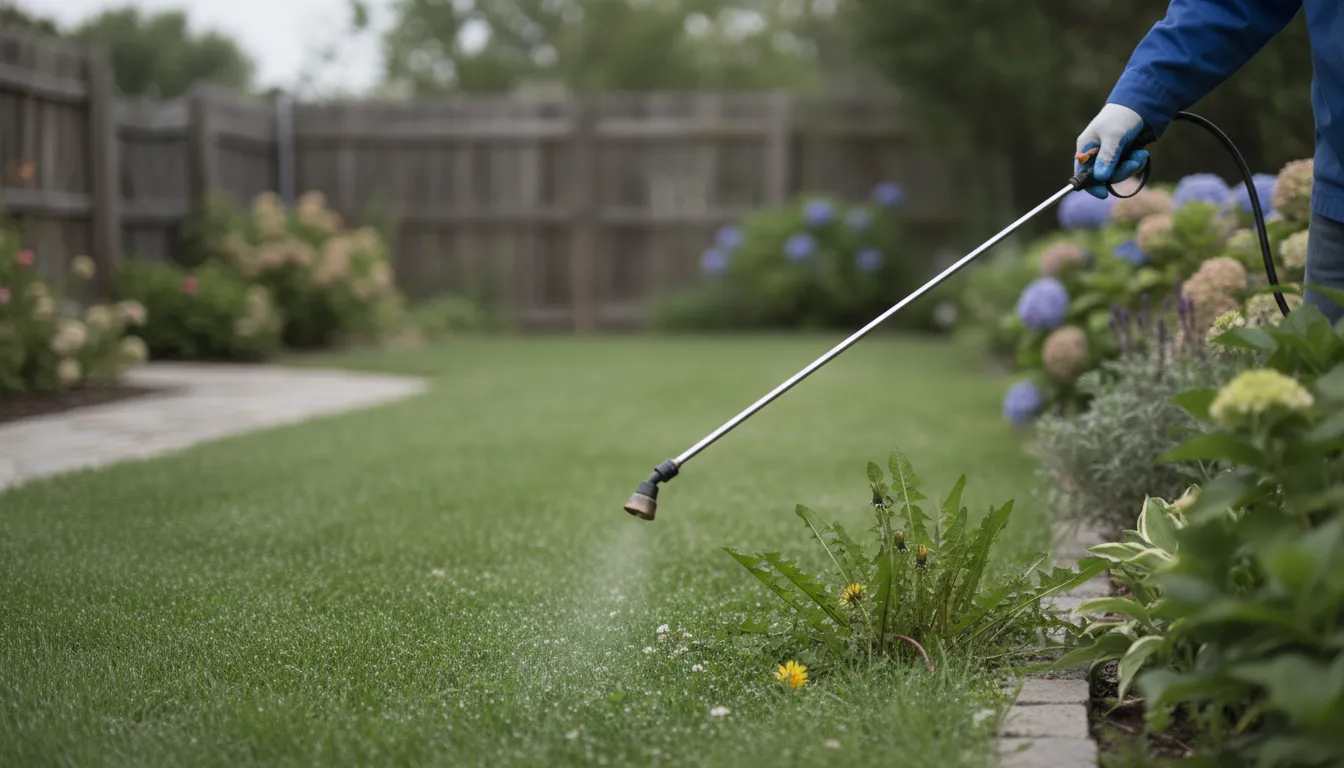
Maintaining a vibrant, healthy lawn in Peoria is a year-round commitment that requires a strategic approach to feeding and weed management. Lawn fertilization and weed control are essential services that provide your grass with the nutrients it needs to thrive in our desert climate while protecting it from invasive plants. This guide will help you understand the local lawn care schedule, the types of grasses common in our area, and how to find qualified professionals to keep your outdoor space looking its best.
Glen C Landscaping & Hardscape
Phoenix, AZ
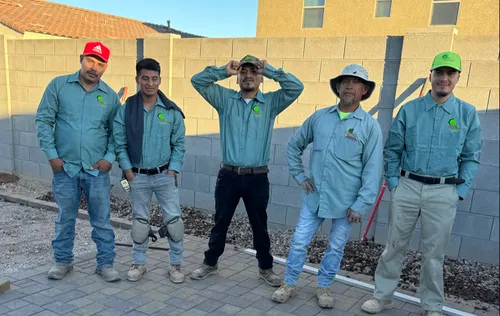
Glen C Landscaping & Hardscape is a family-owned landscaping company serving Phoenix, AZ, and surrounding areas including Scottsdale, Glendale, Surprise, and Avondale. With over 10 years of industry experience, they provide a wide range of services such as landscape design, lawn maintenance, irrigation and sprinkler installation, tree services, hardscaping including retaining walls and pavers, and artificial turf installation. Their team focuses on quality work and offers flexible financing options to meet client needs.
ArborCraft Tree Service Phoenix
2901 E Camelback Rd #200, Phoenix, AZ 85016
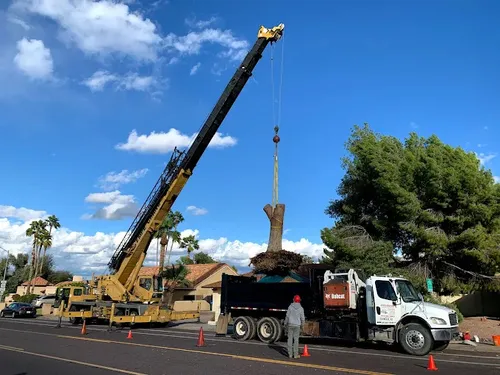
ArborCraft Tree Service Phoenix provides professional tree care and removal services in Mesa, AZ. Their team includes ISA-certified arborists who handle tree removal, pruning, fertilization, and stump grinding with advanced techniques tailored to the local environment. They serve both residential and commercial properties, addressing challenges such as storm damage, disease, and property safety. ArborCraft also offers emergency storm damage response to quickly clear hazardous trees and debris. Their approach focuses on protecting the overall health and aesthetics of your landscape while minimizing disruption to your property.
kenny's Lawn Service LLC
Scottsdale, AZ
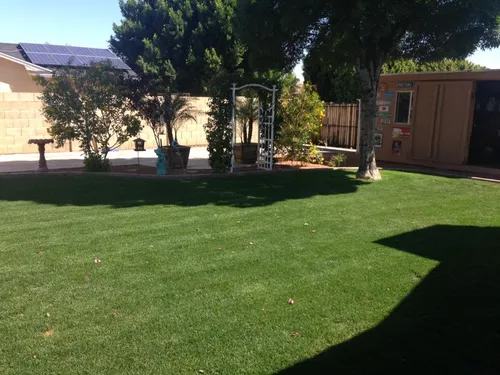
Kenny's Lawn Service LLC provides a variety of lawn care services in Scottsdale, AZ. Their offerings include mowing, blowing, trimming, fertilization, weed control, winter lawn installation, and property clean ups. The team uses advanced equipment to maintain healthy and vibrant lawns and is made up of trained professionals focused on personalized service.
AZ Tree & Hardscape Co
7715 N 183rd Ave, Waddell, AZ 85355
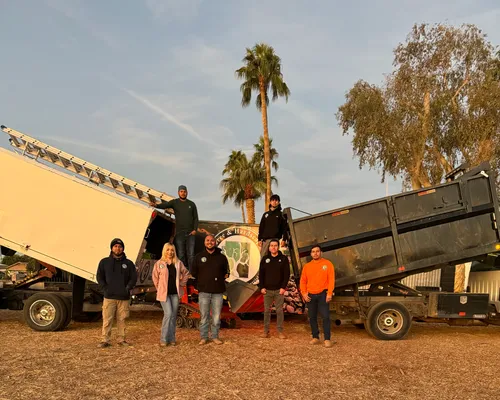
AZ Tree & Hardscape Co is a landscaping company based in Glendale, AZ, offering a broad range of services including lawn maintenance, landscape design, hardscape installation, irrigation system repair, and tree care. They provide personalized landscaping solutions tailored to each client's needs, with capabilities such as tree removal, stump grinding, artificial turf installation, and retaining wall construction. The company emphasizes quality craftsmanship and detailed work to create lasting outdoor features. AZ Tree & Hardscape Co also offers emergency services and commercial property maintenance.
TurFresh
3101 W Thomas Rd #107, Phoenix, AZ 85017
TurFresh is a lawn care company based in Phoenix, AZ, specializing in artificial turf cleaning and maintenance. They offer services such as pet urine odor removal, turf decompacting, deep brushing, weed removal, seam repairs, and turf infill adjustments. Their TurfBloom service helps restore the appearance and texture of artificial lawns by revitalizing turf fibers and infill material.
Understanding Peoria's Lawn Types
The foundation of any effective lawn care program is knowing what type of grass you have. In Peoria, lawns typically fall into two categories, each with distinct needs.
Warm-Season Grasses: These are the dominant, permanent lawns in our region. Bermuda and Zoysia grasses thrive in the intense summer heat, going dormant and turning brown during the cooler winter months. Their active growth period is from late spring through early fall, which dictates their feeding schedule. For a green lawn year-round, many homeowners choose to overseed these lawns with a cool-season grass in the fall.
Cool-Season Grasses: Primarily Annual Ryegrass, this type is used for winter overseeding. It provides a lush, green lawn from late fall through spring but struggles and typically dies off when summer temperatures soar. Its peak growth and nutrient needs occur during the cooler seasons of fall and spring.
A proper lawn feeding program is not one-size-fits-all; it must be tailored to this grass type cycle to avoid wasting product and potentially harming your turf.
The Peoria Lawn Care Calendar: A Seasonal Guide
Arizona's climate creates a unique seasonal rhythm for lawn maintenance. Following a calendar-based approach ensures treatments are applied at the most effective times.
Winter (November - March)
This season is all about protection and preparation. The focus shifts to controlling winter annual weeds like Burr Clover and Poa Annua (POA). The key is applying a pre-emergent herbicide in the fall when soil temperatures drop to about 55°F, which creates a barrier to prevent these weed seeds from germinating. For dormant Bermuda grass, a winter-feeding with iron-rich products can help maintain a richer color. Meanwhile, overseeded Ryegrass will require periodic fertilization to support its growth.
Spring (March - May)
As temperatures warm, the battle against weeds continues. A spring pre-emergent application targets summer weeds like Spurge, Crabgrass, and the notoriously difficult Nutsedge before they emerge. This is also a critical feeding time for Ryegrass to strengthen it before the heat arrives. As Ryegrass fades and Bermuda begins to green up, aeration can be beneficial to relieve soil compaction and improve nutrient uptake.
Summer (June - August)
This is the peak growing season for your permanent Bermuda or Zoysia lawn. Lawn fertilization should occur monthly from April through September, using a high-nitrogen fertilizer applied at a rate of about half a pound of nitrogen per 1,000 square feet. Consistent, deep watering is crucial. Weed control becomes a task of spot-treating any breakthrough summer annuals. Mowing height is important; keep Bermuda at 2-3 inches to encourage deep roots and shade out weeds 1 2.
Fall (September - November)
Fall is arguably the most important season for lawn care. It's time for the essential fall pre-emergent application to guard against winter weeds 3. For those desiring a green winter lawn, this is the window for overseeding Ryegrass into the existing Bermuda. Gradually reducing the mowing height of the Bermuda and dethatching can prepare the seedbed for better germination 4.
Find the perfect lawn treatment companies for your needs
Get personalized recommendations and expert advice
Components of a Professional Treatment Program
Many homeowners opt for a scheduled lawn treatment program from a local provider. These programs are designed to handle the calendar complexity for you. A typical year-round program in Peoria may include 6 to 8 scheduled visits 5.
What's Often Included:
- Season-Specific Fertilization: The right blend of nutrients applied at the optimal time for your grass type.
- Pre- and Post-Emergent Weed Control: A strategic combination to prevent weeds and eliminate existing ones.
- Soil Amendments & Aeration: Services to improve soil health and water penetration, often offered once or twice a year.
- Specialized Treatments: Targeted control for difficult weeds like Nutsedge, which may require three or more specific treatments, or for persistent POA 6 7.
These comprehensive plans offer convenience and a proactive approach, aiming to maintain lawn health and prevent major issues.
Understanding Service and Pricing Structures
When seeking weed and feed services, you'll encounter different pricing models. Costs are influenced by your lawn's size (square footage), the complexity of the program, and the service provider.
Common Pricing Models:
- Per-Visit Pricing: Individual applications for fertilization or weed control typically range from $65 to $225 for an average-sized lawn (5,000-10,000 sq ft).
- Annual Program Pricing: A full-year, multi-visit program from a national provider or established local company can range from $450 to $2,000 annually 8. This often includes the core seasonal services.
- À La Carte Services: Individual services like core aeration, which is highly beneficial for compacted Arizona soils, can cost between $75 and $500+ depending on lawn size 9.
Always request a detailed, written estimate that outlines the specific treatments, number of visits, and products included for the quoted price.
Choosing the Right Local Service Provider
Selecting a professional for your lawn nutrition and weed management needs requires some research. Look for providers with verifiable experience in the Peoria area and Arizona's specific climate. They should ask detailed questions about your grass type, irrigation, and lawn history. Ensure they are licensed to apply pesticides in Arizona and carry adequate insurance. Don't hesitate to ask for local references or examples of their work. A trustworthy company will be transparent about their product choices and the rationale behind their recommended treatment schedule.
Frequently asked questions
Sources
Footnotes
-
Desert Lawn Care Guide - Arizona Department of Water Resources - https://www.azwater.gov/sites/default/files/media/Desert%20Lawn%20Care%20Guide.pdf ↩
-
Easy Lawn Maintenance Schedule - Pennington Seed - https://www.pennington.com/all-products/grass-seed/resources/a-simple-weekday-maintenance-schedule-for-a-lush-lawn ↩
-
The Perfect Weed Control Schedule for Lawns in Arizona - https://www.littlejohnslawns.com/blog/whats-the-perfect-weed-control-schedule-for-lawns-in-arizona ↩
-
Month-by-Month Lawn Care Calendar for Arizona - Lawn Love - https://lawnlove.com/blog/arizona-lawn-care-calendar/ ↩
-
Seasonal Lawn Care Maintenance and Treatment Schedule - TruGreen - https://www.trugreen.com/lawn-care-101/blog/trugreen-lawn-care-services/lawn-maintenance-checklist ↩
-
Weed Control in Peoria, AZ - Ground Solutions - https://groundsolutionswest.com/peoria-weed-control/ ↩
-
What Services Should Be Included in a Lawn Care Program? - https://freespray.com/blog/what-services-should-be-included-in-a-lawn-care-program/ ↩
-
How Much Does TruGreen Cost? (2026) - HomeGuide - https://homeguide.com/costs/trugreen-cost ↩
-
Lawn Care Pricing Chart: Your Guide to Fair Lawn Service Costs - https://invoicefly.com/academy/lawn-care-pricing-chart/ ↩