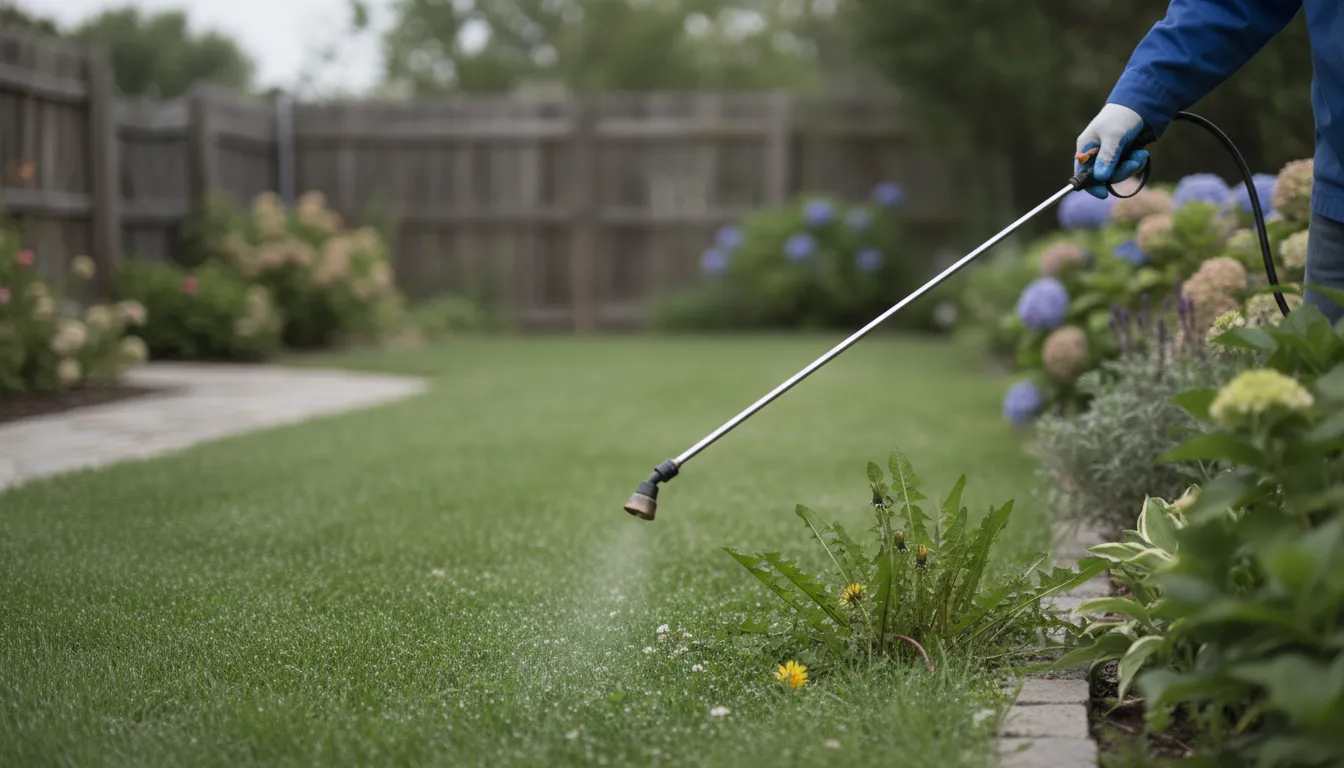
Find the Best Lawn Treatment Companies for Your Business
No obligation • Fast responses • Nationwide coverage

Why you can trust Landscape Atlas
Landscape Atlas is a leading United States resource for evaluating landscaping, lawn care, and outdoor service providers. Our team researches each category in depth, focusing on service quality, safety, and customer experience. Listings and rankings are based on independent criteria and user feedback, and companies cannot pay to influence our assessments or recommendations.
Search providers near you
Top Lawn Treatment Companies in Gary, Indiana Ranked
Maintaining a lush, healthy lawn in Gary, Indiana, requires a strategic approach to fertilization and weed management. The region's climate, with its cold winters and hot summers, presents unique challenges for cool-season grasses. A professional lawn care program provides the seasonal treatments necessary to strengthen your turf, suppress invasive weeds, and create a resilient outdoor space. This guide will help you understand the local lawn care cycle, typical services, and how to connect with experienced providers who can tailor a plan for your property.
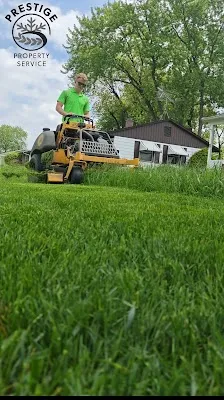
Prestige Lawn Mowing & Landscaping
246 Tal Dr, Schererville, IN 46375
Prestige Lawn Mowing & Landscaping offers a range of lawn care and landscaping services in Chicago, IL. Their offerings include lawn mowing, landscaping, mulching, tree care, and seasonal cleanups, as well as snow removal during winter months. The company uses professional-grade equipment to maintain both residential and commercial properties, focusing on tailored care to suit local climate and grass types. Prestige Lawn Mowing & Landscaping is based in Schererville and brings local expertise to its service area, providing year-round property maintenance.
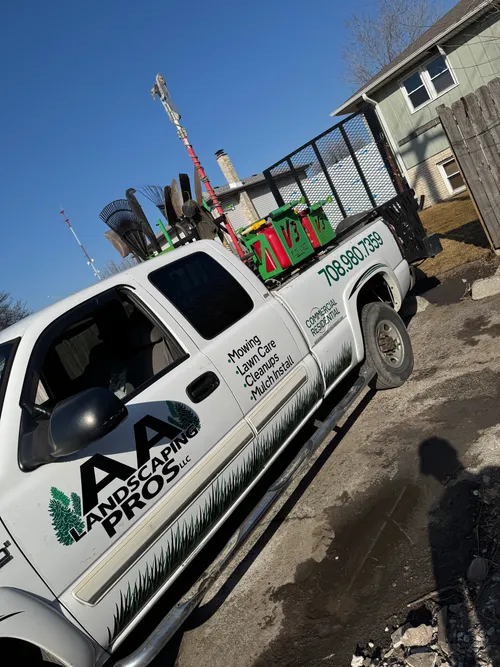
AA Landscaping Pros LLC
9045 Natoma Ave, Oak Lawn, IL 60453
AA Landscaping Pros LLC is a landscaping and lawn care company based in Oak Lawn, serving the Southwest Suburbs of Chicago, including areas like Hickory Hills, Bedford Park, and Orland Park. They provide a range of services such as lawn mowing, fertilization, weed control, yard cleanups, and landscape design for both residential and commercial clients. Their expertise includes customized landscaping solutions tailored to client needs.
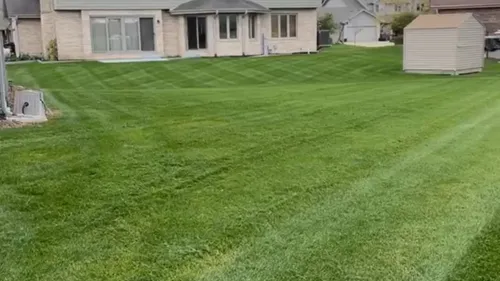
Arts Landscaping & Maintenance LLC
3146 W 59th St, Chicago, IL 60629
Arts Landscaping & Maintenance LLC is a locally owned landscaping and lawn care company based in Chicago, IL. They provide a wide range of outdoor services including lawn mowing, fertilization, weed control, sod installation, tree trimming and removal, stump grinding, yard drainage, grading, and hardscaping such as retaining walls and concrete pathways. The company serves both residential and commercial clients throughout Chicago, tailoring their services to the local climate and seasonal needs. Their capabilities include lawn aeration, overseeding, and comprehensive landscape maintenance to ensure healthy, vibrant outdoor spaces year-round.
A.R Lawn Service LLC
13905 Kostner Ave, Crestwood, IL 60418
A.R Lawn Service LLC is a lawn care and landscaping company serving Chicago, IL, and nearby communities including Oak Lawn, Orland Park, and Evergreen Park. They offer a range of services such as lawn mowing, fertilization, weed control, aeration, sod installation, landscaping design, hardscaping, and snow removal. Their aeration services help improve soil health and promote grass growth, while their eco-friendly fertilization practices support sustainable lawn care. With years of experience in the Illinois area, they provide tailored lawn maintenance solutions to keep properties healthy and attractive throughout the year.
Greenwise Organic Lawn Care
1900 W Hubbard St, Chicago, IL 60622
Greenwise Organic Lawn Care is a lawn care and landscaping company based in Chicago, IL. They specialize in organic lawn care, landscape design and installation, landscape maintenance, and snow removal services. The company focuses on sustainable and environmentally friendly practices, using organic products and battery-powered equipment to promote soil health and safe outdoor spaces. Greenwise has been serving the Chicagoland and Milwaukee areas since 2007, offering services that include native plantings, water management solutions, and natural stone hardscaping.
Understanding Your Gary Lawn: Grass Types and Climate
The foundation of effective lawn nutrition and weed prevention is knowing what type of grass you have. In Gary and across Northern Indiana, cool-season grasses are the standard because they thrive in the spring and fall growing seasons. The most common varieties you'll find include: 1 2
- Kentucky Bluegrass: Prized for its rich, dark green color and dense, carpet-like feel. It spreads via underground stems called rhizomes, which help it recover from damage. However, it typically demands more consistent fertilization and watering.
- Tall Fescue: A top choice for its toughness and adaptability. Its deep root system makes it exceptionally drought-tolerant and able to withstand the temperature swings common in Indiana.
- Fine Fescue: Often used in seed blends for shady areas where other grasses struggle. It's generally lower-maintenance, requiring less fertilizer and water.
- Perennial Ryegrass: Known for its quick germination, it's frequently mixed with Kentucky bluegrass to establish a lawn rapidly and improve durability.
This climate means your lawn care, including feeding and weed suppression, isn't a one-time event but a year-round commitment. The goal is to support the grass during its peak growth periods and protect it during times of stress.
The Professional Lawn Care Calendar for Gary
A structured, seasonal program is the most effective way to achieve a consistently healthy lawn. Local professionals follow a schedule aligned with the grass's natural growth cycles and the specific weed pressures in the region. Here's a breakdown of a typical annual lawn treatment plan: 3
Early Spring (March - April)
As the ground thaws and soil temperatures rise, your lawn wakes up from winter dormancy. This is a critical window for crabgrass prevention. A pre-emergent herbicide application forms a barrier in the soil to stop crabgrass seeds from sprouting. This is often paired with a light, slow-release fertilizer to give roots a gentle boost without forcing excessive top growth that could be damaged by a late frost.
Late Spring (April - May)
With consistent warmth, grass enters a strong growth phase. A second round of fertilizer supports this growth, helping to thicken the turf. This is also the prime time for post-emergent weed control to tackle visible broadleaf weeds like dandelions and clover that escaped the early barrier.
Summer (June - July)
The heat of a Gary summer can stress cool-season grasses, slowing their growth. Fertilizer applications are usually lighter or paused to avoid burning the lawn. The focus often shifts to monitoring for insect issues, like grubs, and ensuring proper irrigation. Weed control may continue as needed for summer annual weeds.
Early Fall (September - October)
This is arguably the most important season for lawn health in Indiana. The cooler temperatures and autumn rains are ideal for grass recovery and root development. Core aeration (punching small holes in the soil) relieves compaction, and overseeding fills in thin areas. A robust fall fertilizer application helps the lawn recover from summer stress and store energy for the winter ahead. 4
Late Fall (October - November)
The final treatment of the year is a "winterizer" fertilizer. This application is high in potassium, which strengthens grass blades and roots against cold damage and disease, ensuring a healthier, greener start the following spring. 5
Find the perfect lawn treatment companies for your needs
Get personalized recommendations and expert advice
The Value of Professional Lawn Nutrition Services
While DIY lawn care is an option, partnering with a local professional for your fertilization and weed management offers several advantages. Experts understand the precise timing required for pre-emergent herbicides to be effective-a window that is easy for homeowners to miss. They have access to commercial-grade products and the knowledge to select the right fertilizer blend (the N-P-K ratio) for each season and your lawn's specific condition. Perhaps most importantly, they provide consistent, scheduled care that builds lawn health over time, rather than reacting to problems.
Understanding Service Costs in Gary
Investing in professional lawn feeding and weed control is a customizable service. Costs are influenced by your lawn's square footage, its current condition, and the number of annual visits in your program. For a typical residential property in Gary, you can expect the following general pricing:
- Per Application: A single visit for combined fertilization and weed control typically ranges from $45 to $100 for an average-sized lawn (between 1,000 and 10,000 square feet).
- Annual Program: A comprehensive seasonal plan, which usually includes 4 to 7 visits throughout the year, generally costs between $300 and $600 annually. This often provides better value than one-off treatments and ensures proper timing.
- DIY Comparison: Managing your own lawn nutrition can be less expensive upfront, with bags of fertilizer and weed control products costing between $20 and $60. However, this requires a significant investment of time, proper equipment, and a precise understanding of application rates and timing to avoid damaging your lawn.
- Additional Services: Core aeration and overseeding, which are highly recommended for Indiana lawns, are often add-on services that can range from $90 to $460 or more, depending on the size of your yard. 6 7
For the most accurate estimate, it's best to request a personalized quote from local providers who can assess your lawn in person. 8
Key Lawn Care Practices Beyond Fertilization
A successful lawn treatment program is supported by good cultural practices. Proper mowing is essential-never cut more than one-third of the grass blade height at a time, and keep your mower blades sharp. For cool-season grasses in Gary, a mowing height of 3 to 4 inches is ideal, especially in summer, as it shades the soil and helps retain moisture. Consistent watering, when needed, is better than frequent, shallow sprinkling. Aim for about 1 to 1.5 inches of water per week, including rainfall, delivered in fewer, longer sessions to encourage deep root growth.
Identifying and Addressing Common Lawn Issues
Even with a good program, challenges can arise. Here are a few common problems in Gary lawns:
- Crabgrass: This annual weed is best controlled with a well-timed pre-emergent herbicide in early spring. Once it appears, post-emergent control becomes more difficult.
- Broadleaf Weeds (Dandelions, Clover): These are effectively managed with selective post-emergent herbicides, usually applied in late spring or fall.
- Grub Damage: If you see irregular brown patches that feel spongy and lift like loose carpet, you may have grubs. Preventative treatments are typically applied in mid-summer.
- Thin or Bare Patches: Fall is the perfect time for overseeding to thicken your lawn and crowd out weeds.
By understanding the seasonal needs of your lawn and the value of professional expertise, you can cultivate a green, resilient landscape that enhances your home in Gary.
Frequently asked questions
Sources
Footnotes
-
3 Best Grass Types for Indiana Lawns: A Guide for Lafayette ... - https://www.shadesofgreenlawncare.com/blog/best-grass-types-indiana-lawns ↩
-
The Best Grass Seed for Indiana Lawns - LawnStarter - https://www.lawnstarter.com/blog/indiana/best-grass-seed-indiana/ ↩
-
Fertilization & Maintenance | Promier Landscapes Kingsport TN - https://www.promierlandscapes.com/lawn-care-maintenance/lawn-fertilization/ ↩
-
The Essential Indiana Lawn Care Schedule - https://www.shadesofgreenlawncare.com/blog/essential-indiana-lawn-care-schedule ↩
-
Fall Fertilization: What Your Indiana Lawn Needs Before Winter - https://brooklawnservices.com/fall-fertilization-what-your-indiana-lawn-needs-before-winter/ ↩
-
Find the Best Lawn Fertilizer Program for You - https://lawnpride.com/find-the-best-lawn-fertilizer-program-for-you/ ↩
-
How much does lawn care service cost? - https://www.greenlawnfertilizing.com/blog/how-much-does-lawn-care-service-cost ↩
-
The 10 Best Lawn Fertilizing Services in Gary, IN (2026) - https://homeguide.com/in/gary/lawn-fertilizing/ ↩