Find the Best Lawn Treatment Companies for Your Business
No obligation • Fast responses • Nationwide coverage

Why you can trust Landscape Atlas
Landscape Atlas is a leading United States resource for evaluating landscaping, lawn care, and outdoor service providers. Our team researches each category in depth, focusing on service quality, safety, and customer experience. Listings and rankings are based on independent criteria and user feedback, and companies cannot pay to influence our assessments or recommendations.
Search providers near you
Top Lawn Treatment Companies in Westfield, Indiana Ranked
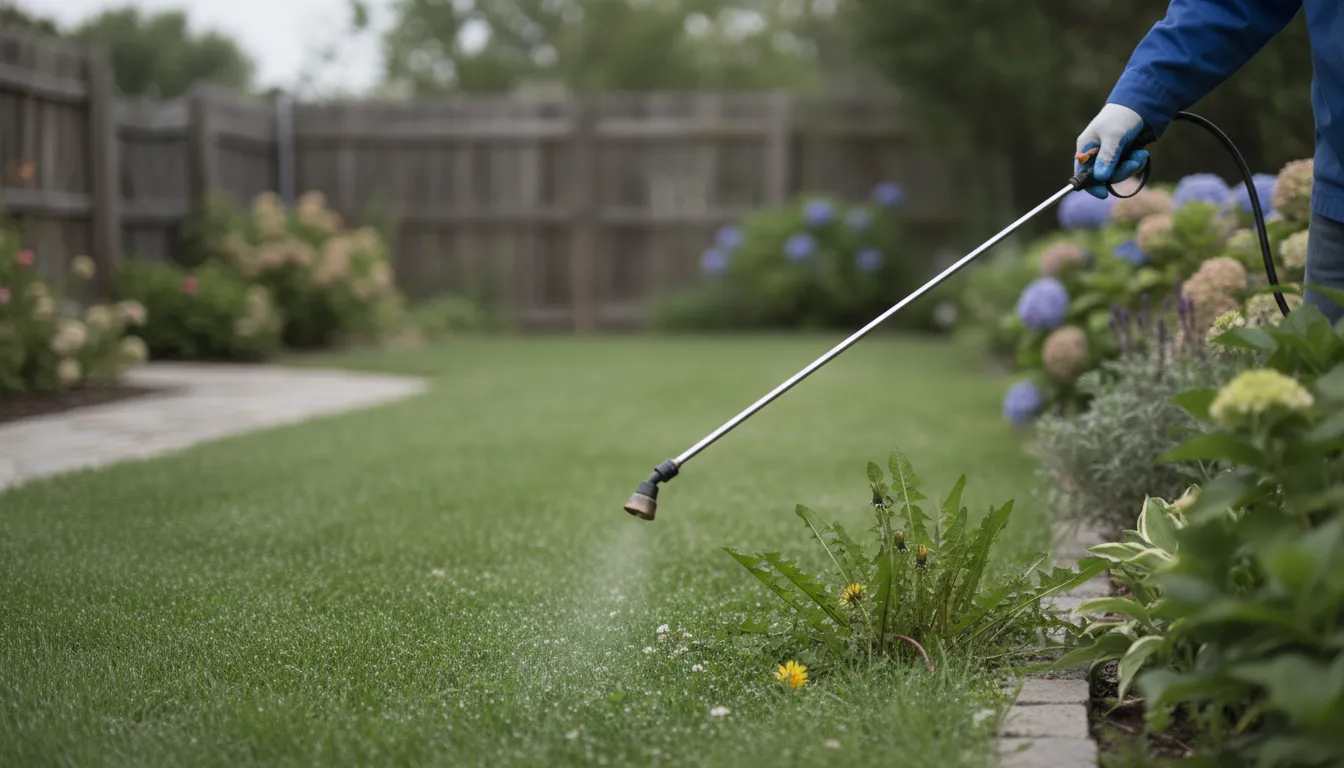
A healthy, vibrant lawn in Westfield requires a consistent, science-backed approach to feeding and protecting your grass. Lawn fertilization and weed control are the cornerstones of professional turf management, providing essential nutrients to your soil while preventing invasive weeds from taking over. For homeowners, navigating the seasonal needs of cool-season grasses and the local climate can be complex. This guide explains the core principles of effective lawn nutrition and weed prevention, helping you understand what local services offer and how to find the right program for your property.
Total Lawn Care Inc
1421 E Riverside Dr, Indianapolis, IN 46202
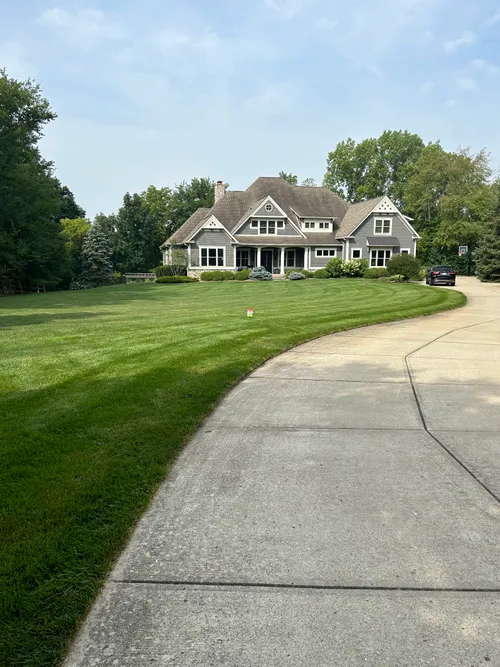
Total Lawn Care Inc is a lawn care company based in Indianapolis, IN. They provide lawn fertilization, weed control, and other lawn care services using a combination of plant-based, eco-friendly, organic bio-products. Their approach focuses on promoting healthy lawns by supporting the natural soil ecosystem with beneficial microorganisms. Total Lawn Care Inc has been serving the Indianapolis area since 1989.
Hoosier Homes Lawn & Landscape LLC
11233 Rockingham Cir, Fishers, IN 46037
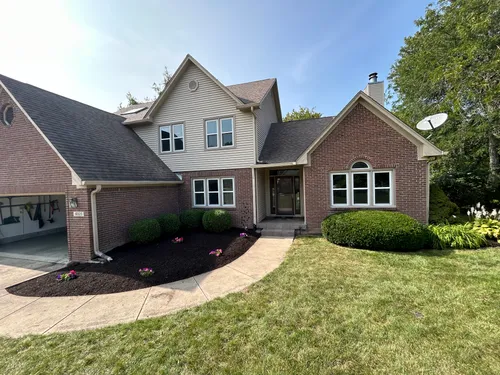
Hoosier Homes Lawn & Landscape LLC is a lawn care and landscaping company based in Indianapolis, IN. They offer year-round lawn and landscape services for both residential and commercial properties, including lawn mowing, fertilization, weed and pest control, and creative landscape design. Their weed and pest control service uses safe and effective treatments to protect lawns without harming the environment. Hoosier Homes serves Indianapolis and surrounding areas such as Fishers, Noblesville, Carmel, and more. The company emphasizes transparent communication and reliability in their work.
Rooted Lawn & Landscape
160 W Carmel Dr #217, Carmel, IN 46032
Rooted Lawn & Landscape is a lawn care and landscaping company serving Indianapolis, IN, and surrounding areas. They offer a range of services including lawn mowing, lawn fertilization, weed control, tree and shrub installation and maintenance, stump grinding, and full landscaping solutions. The company emphasizes year-round yard health and uses quality materials and professional equipment to maintain lawns, small business properties, and golf courses. Rooted Lawn & Landscape is locally owned, licensed, and insured, providing service across Carmel, Hamilton County, Meridian Hills, Broad Ripple, and other nearby communities.
Blue Duck Lawn Care
7230 Arbuckle Commons #183, Brownsburg, IN 46112
Blue Duck Lawn Care is a lawn care company based in Indianapolis, IN, offering services such as lawn fertilization, weed control, aeration, overseeding, and pest control. They focus on maintaining healthy lawns through seasonal treatments and emphasize proper mowing and watering techniques. The company also provides mosquito spraying to enhance outdoor enjoyment. Blue Duck Lawn Care serves Indianapolis and surrounding areas including Fishers, Westfield, Broad Ripple, Noblesville, and more. Their approach includes double pass core aeration and a clay soil program to improve lawn health. The company is locally owned and prioritizes employee training and communication to ensure consistent service.
Fralich's
959 W 100 N, Greenfield, IN 46140
Fralich's is a landscaping company serving Indianapolis, IN, with over 20 years of combined experience. They offer a wide range of services including lawn mowing, fertilization, weed control, landscape design and installation, yard drainage and grading, sprinkler installation and repair, land clearing, and hardscaping such as pavers and retaining walls. Their team uses professional equipment for land grading to ensure lawns are even and free of standing water. Established in 2006, Fralich's has grown from a one-man operation to a seasonal crew of 15, focusing on both residential and commercial landscaping projects.
Understanding Westfield's Lawn Environment
Successful lawn care starts with understanding the local conditions. Westfield's climate features four distinct seasons, which directly dictates the timing and type of care your grass needs 1. The region's residential lawns are predominantly planted with cool-season grasses, which have specific growth cycles and stress periods.
The most common grass types you'll find in Westfield include:
- Kentucky Bluegrass: Prized for its rich green color and self-repairing ability via underground rhizomes. It performs best in full sun but requires consistent fertilization 2.
- Tall Fescue: A top choice for its durability. Its deep root system provides excellent tolerance to heat, drought, and foot traffic, making it well-suited to the area's often clay-heavy soils. It is generally considered a lower-maintenance option 3.
- Fine Fescue: This group of grasses (like red and hard fescue) excels in shaded areas and soils with lower fertility. It is frequently blended with other grasses to improve a lawn's adaptability 4.
- Perennial Ryegrass: Known for its quick germination, it's often used in seed blends to provide fast, temporary cover while slower grasses like Kentucky Bluegrass establish themselves. It also offers good wear tolerance 5.
These grasses thrive with a fertilization and weed management schedule aligned with their active growth periods in the spring and fall.
The Professional Lawn Care Program: A Seasonal Guide
Most local lawn care providers structure their services around an annual program consisting of multiple visits, typically between 4 and 8 applications per year 6. This systematic approach ensures your lawn gets the right treatment at the right time. Here's a breakdown of a standard seasonal lawn treatment schedule:
Early Spring (March - Early April) The first visit focuses on waking the lawn from winter dormancy. A balanced fertilizer application provides a nutrient boost for vigorous green-up. Crucially, this is the prime window for applying pre-emergent weed control, which creates a barrier in the soil to prevent crabgrass and other annual weeds from germinating.
Late Spring (Late April - June) A second round of fertilization supports continued top growth. Post-emergent weed control targets broadleaf weeds (like dandelions and clover) and any grassy weeds that have already emerged. This visit may also include an application for grub or insect control if needed.
Summer (July - August) Fertilization often pauses during the peak summer heat to avoid stressing the grass. Services shift to monitoring and targeted weed management as needed. This season emphasizes proper hydration and mowing practices to help the lawn withstand summer stress.
Early Fall (September - October) This is arguably the most important season for lawn health. Fertilization resumes to help the turf recover from summer and promote deep root growth, which is critical for winter survival and spring resilience. This is also the ideal time for core aeration and overseeding to improve soil health and fill in thin areas.
Late Fall (October - November) The final "winterizer" application is a key step. This fertilizer is high in potassium, which strengthens cell walls and enhances the lawn's tolerance to cold, disease, and drought. It promotes root development and stores energy for a quicker green-up the following spring 7 8.
Find the perfect lawn treatment companies for your needs
Get personalized recommendations and expert advice
Key Services in Lawn Nutrition and Protection
When evaluating local lawn care offerings, you'll encounter several core services that form a complete plant health care program.
Soil Fertilization This is the process of adding essential nutrients-primarily Nitrogen (N), Phosphorus (P), and Potassium (K)-back into the soil. Nitrogen promotes lush, green blade growth, phosphorus supports strong root development, and potassium improves overall stress tolerance and disease resistance 9. Professional services use granular or liquid formulations tailored to the season and your lawn's specific needs.
Weed Control Weed management is a two-pronged strategy:
- Pre-Emergent Control: Applied before weed seeds germinate, this herbicide forms a barrier at the soil surface. Timing is critical and is typically done in early spring for summer annuals like crabgrass and in fall for winter annuals like henbit 10.
- Post-Emergent Control: This targets weeds that are already visible and actively growing. Selective herbicides are used to kill the weed without harming the desired turfgrass. Effective control often requires proper identification of the weed type (broadleaf vs. grassy) 11.
Integrated Lawn Health Beyond just feeding and spraying, comprehensive programs may include:
- Soil Testing: The foundation of any effective program, identifying pH imbalances and nutrient deficiencies specific to your yard.
- Aeration: Relieving soil compaction allows air, water, and nutrients to reach the grass roots more effectively.
- Overseeding: Introducing new grass seed into an existing lawn improves density, enhances color, and helps crowd out future weeds 12 13.
Understanding Costs for Lawn Care Services
Investing in professional lawn fertilization and weed control in Westfield is typically structured as an annual program, which is more cost-effective than scheduling individual treatments. Pricing is primarily based on the size of your lawn (measured in square feet) and the number of services included 14.
- Basic Lawn Fertilization Visit: Estimated between $46 and $139 per application 15.
- Targeted Weed Control Treatment: Generally ranges from $50 to $100 per visit 16.
- Comprehensive Annual Program: Most homeowners opt for a package that includes multiple fertilization and weed control applications throughout the year. For a standard residential lawn in Westfield, annual program costs commonly range from $300 to $700 or more 17 18. The final price depends on your lawn's size, condition, and any add-on services like aeration or grub control.
For the most accurate estimate, it's recommended to contact local providers for a property assessment 19. Many companies offer free, no-obligation quotes.
Choosing a Lawn Care Provider in Westfield
With several local companies offering lawn treatment programs, knowing what to look for can help you make an informed decision.
What to Ask During a Consultation:
- Do you offer a free, on-site evaluation and soil test?
- Can you explain your recommended program and how it aligns with the Westfield seasonal schedule?
- What specific grass types do you have the most experience with?
- Are your technicians licensed and certified in pesticide application?
- What is included in your guaranteed annual program, and what costs are extra?
- How do you handle service requests or concerns between scheduled visits?
Signs of a Reputable Service: Look for providers with local experience, proper state licensing for pesticide application, transparent pricing and contracts, and a focus on education. They should be able to clearly explain the "why" behind each recommended treatment 20 21.
Maintaining Your Lawn Between Professional Visits
Professional treatments are most effective when paired with proper homeowner maintenance.
- Mowing: Keep your cool-season grass at a height of 3 to 4 inches. Never remove more than one-third of the grass blade in a single mowing. This taller height shades the soil, conserves moisture, and helps prevent weed seeds from germinating.
- Watering: Deep, infrequent watering is better than daily light sprinklings. Aim for about 1 to 1.5 inches of water per week, including rainfall. Early morning is the best time to water.
- Monitoring: Keep an eye out for changes in color, thinning areas, or new weed outbreaks. Quick communication with your service provider can help address small issues before they become major problems.
A consistent partnership between you and your lawn care professional, supported by good cultural practices, is the surest path to a thick, healthy, and weed-resistant lawn that enhances your Westfield home.
Frequently asked questions
Sources
Footnotes
-
Choose Your Perfect Lawn Package - https://www.greendrop.com/compare-packages ↩
-
The Most Common Grass Types in North-Eastern States - https://simplelawnsolutions.com/blogs/lawncare/the-most-common-grass-types-in-north-eastern-states ↩
-
The Best Grass Seed for Indiana Lawns - LawnStarter - https://www.lawnstarter.com/blog/indiana/best-grass-seed-indiana/ ↩
-
Lawn Repair | Lawn Seeding | Grass - https://www.lawncareevansville.com/seeding--lawn-repair.html ↩
-
4 Best Grass Types for Indianapolis Lawns - LawnStarter - https://www.lawnstarter.com/blog/indiana/indianapolis/grass-types-for-lawns-indianapolis-in/ ↩
-
4 Best Grass Types for Fort Wayne - LawnStarter - https://www.lawnstarter.com/blog/indiana/fort-wayne-in/best-grass-types-fort-wayne/ ↩
-
When to Fertilize Your Indiana Lawn - LawnStarter - https://www.lawnstarter.com/blog/indiana/when-to-fertilize-lawn-indiana/ ↩
-
Guide to Lawn Maintenance for Indiana - RLM, Inc. - https://www.rlminc.com/blog/indiana-lawn-care/ ↩
-
How much does lawn care service cost? - Green Lawn Fertilizing - https://www.greenlawnfertilizing.com/blog/how-much-does-lawn-care-service-cost ↩
-
The Essential Indiana Lawn Care Schedule - https://www.shadesofgreenlawncare.com/blog/essential-indiana-lawn-care-schedule ↩
-
Lawn Fertilization - Weed Control in Carmel, Fishers ... - https://turf-kings.com/lawn-fertilization/ ↩
-
Lawn Care Services Available in Westfield, IN - https://lawnpride.com/indianapolis/westfield-indiana-lawn-care/ ↩
-
Lawn Care in Westfield - Pro-Turf Indiana - https://www.proturfus.com/service-area/lawn-care-westfield ↩
-
How Much Does Lawn Care Cost in 2025? - https://www.thisoldhouse.com/lawns/average-lawn-care-cost ↩
-
How Much Does Lawn Fertilization Cost in 2026? - https://lawnlove.com/blog/lawn-fertilization-cost/ ↩
-
Affordable Lawn Care: Weed Control & Fertilization In Indy - https://wewatergrass.com/cost-guide-weed-control-and-fertilization-services-in-indianapolis/ ↩
-
Lawn Care in Westfield, IN | Fertilization, Weed Control, & More - https://www.shadesofgreenlawncare.com/westfield-in ↩
-
Lawn Care Services Available in Westfield, IN - Lawn Pride - https://lawnpride.com/indianapolis/westfield-indiana-lawn-care/ ↩
-
Westfield, IN Lawn Care Service | Best of 2026 - LawnStarter - https://www.lawnstarter.com/westfield-in-lawn-care ↩
-
Expert Lawn Care Service in Westfield, IN | Get an Instant Quote - https://experigreen.com/lawn-care-in-indianapolis-in/westfield/ ↩
-
10 Best Lawn Care Services in Westfield, IN - Today's Homeowner - https://todayshomeowner.com/near-me/indiana/westfield/lawn-care/ ↩