Find the Best Lawn Treatment Companies for Your Business
No obligation • Fast responses • Nationwide coverage

Why you can trust Landscape Atlas
Landscape Atlas is a leading United States resource for evaluating landscaping, lawn care, and outdoor service providers. Our team researches each category in depth, focusing on service quality, safety, and customer experience. Listings and rankings are based on independent criteria and user feedback, and companies cannot pay to influence our assessments or recommendations.
Search providers near you
Top Lawn Treatment Companies in Cincinnati, Ohio Ranked
A healthy, vibrant lawn is more than just a patch of green; it's the foundation of your home's curb appeal and a personal outdoor retreat. Achieving that lush, weed-free turf in Cincinnati requires a science-backed, seasonal approach tailored to our unique climate and grass types. This guide explains the essential components of professional lawn fertilization and weed management, detailing the what, when, and why of effective treatments. You can use this information to understand your lawn's needs and connect with local experts who can implement a customized plan for lasting results.
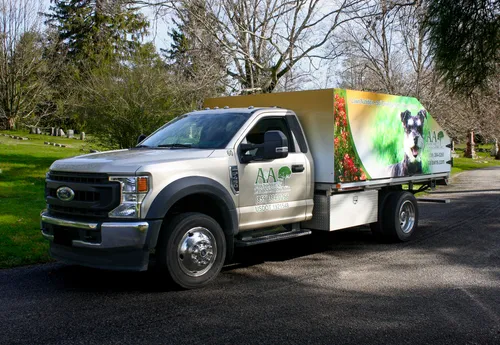
A & A Lawn Care & Landscaping
11783 Enterprise Dr, Sharonville, OH 45241
A & A Lawn Care & Landscaping provides a variety of outdoor services in Cincinnati, OH, including lawn mowing, fertilization, aeration, overseeding, and pest control for both residential and commercial properties. They also offer landscape design, installation, maintenance, and outdoor lighting solutions. The company serves the Cincinnati and Northern Kentucky regions and features 24/7 customer account access for convenience. Founded on principles of honesty, integrity, and quality workmanship, A & A Lawn Care & Landscaping has received recognition through awards and positive customer feedback.
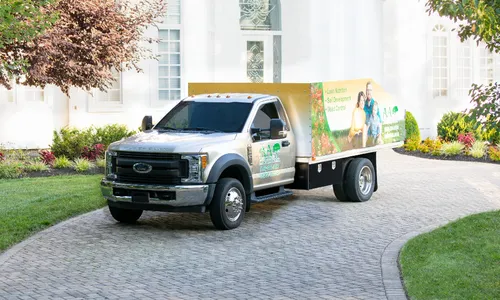
A & A Lawn Care & Landscaping
7765 Foundation Dr, Florence, KY 41042
A & A Lawn Care & Landscaping provides a variety of lawn and landscape services in Cincinnati, OH. Their offerings include lawn mowing, fertilization, aeration, overseeding, pest control for mosquitoes and ticks, landscape design, installation, maintenance, and outdoor lighting. They serve both residential and commercial clients across Cincinnati and Northern Kentucky. The company emphasizes honesty, integrity, and quality workmanship and has received awards and positive customer recognition. They also provide 24/7 customer account access and instant online quotes for convenience.
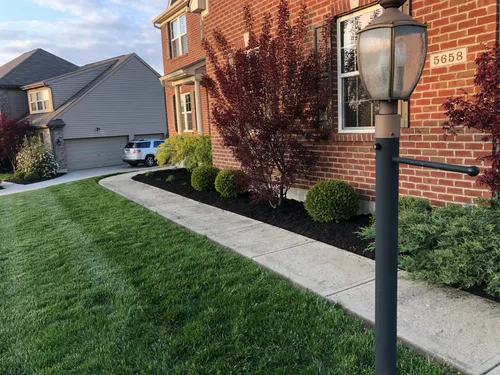
Must Lawn & Landscape LLC
5055 Eagles View, Cincinnati, OH 45244
Must Lawn & Landscape LLC is a Cincinnati, OH-based company offering a wide range of lawn care and landscaping services for residential and commercial properties. Their services include lawn mowing, fertilization, weed control, sod installation, landscape design, lighting installation, tree removal, stump grinding, and land clearing. They focus on customized landscape design and maintenance to keep properties looking their best throughout the year. The company serves various neighborhoods in the Cincinnati metro area, including Indian Hill, Anderson Township, Milford, Hyde Park, and Oakley. Must Lawn & Landscape LLC is known for its detailed approach to lawn and landscape care, including seasonal cleanups and ongoing maintenance tailored to client needs.
Natural Green Lawn Care llc
2599 Lake Ct, Villa Hills, KY 41017
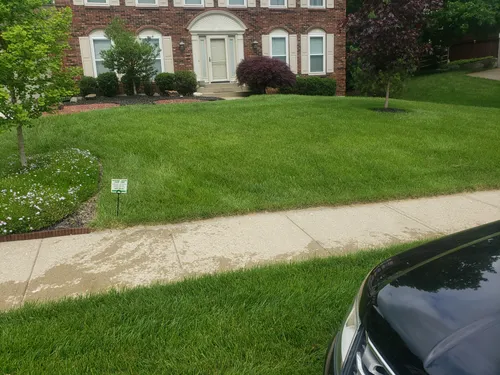
Natural Green Lawn Care llc is a family-owned lawn care company serving Cincinnati, OH, and nearby Kenton and Boone Counties. They specialize in lawn fertilization, weed control, turf pest management, and other lawn health services such as grub control, fungus control, insect control, liquid and core aeration, overseeding, and soil sampling. With over 25 years of experience, they focus on maintaining healthy, vibrant lawns through balanced treatments and personalized service.
Hometown Turf
11506 Reading Rd Suite B, Cincinnati, OH 45241
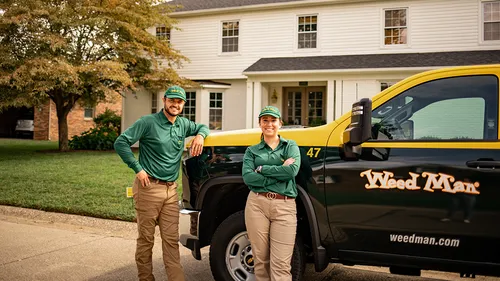
Hometown Turf is a family-owned lawn care and tree service company based in Cincinnati, OH. They provide lawn fertilization, weed control, tree removal, stump grinding, and pest control services, including mosquito control and interior pest treatments. The company uses environmentally safe, organic-based solutions and offers detailed plans for tree and shrub care to protect landscapes from insects and disease. With over 20 years of experience, Hometown Turf emphasizes safe and effective lawn care practices. They serve the Cincinnati area and nearby locations, offering services designed to maintain healthy lawns and landscapes.
Understanding Cincinnati's Lawn Environment
Cincinnati's climate presents a specific set of challenges and opportunities for lawn care. Our region experiences four distinct seasons, with hot, humid summers and cold winters, which directly impacts the type of grass that thrives here and the care it requires.
The vast majority of lawns in the Cincinnati area are composed of cool-season grasses. The most common varieties include:
- Kentucky Bluegrass: Known for its rich color and dense, soft texture.
- Tall Fescue: Valued for its deep root system, drought tolerance, and durability.
- Perennial Ryegrass: Often used in seed mixes for its quick germination and wear resistance.
These grasses grow most vigorously in the cool temperatures of spring and fall. Their growth slows or goes dormant during the peak summer heat and winter cold. This biological cycle dictates the entire fertilization and weed control schedule, aiming to strengthen the grass during its prime growing seasons to help it naturally resist weeds, disease, and environmental stress.
The Core of a Professional Treatment Program
Most local lawn care programs are built around a seasonal schedule of 5 to 8 visits, spanning from late winter/early spring through late fall. These programs are designed as a holistic system, where each application builds upon the last. The goal isn't just to apply products but to nurture the soil and grass ecosystem over time.
A comprehensive program typically integrates several key services:
- Balanced Fertilization: Providing essential nutrients (Nitrogen, Phosphorus, Potassium) in the right ratios at the right times to promote steady growth, strong roots, and overall plant health.
- Pre-Emergent Weed Control: Applying herbicides before weed seeds germinate. This is especially critical for preventing crabgrass in the spring.
- Post-Emergent Weed Control: Targeting existing broadleaf weeds like dandelions, clover, and plantain that have already sprouted in the lawn.
- Grub & Insect Control: Preventive or curative treatments for soil-dwelling pests like white grubs, which can cause significant root damage and brown patches.
Many providers offer these core services in a bundled annual package, with options to add vital seasonal practices like aeration and overseeding.
The Seasonal Lawn Care Calendar for Cincinnati
Following nature's cues is the secret to lawn care success. Here's a breakdown of the typical treatment timeline used by professionals in the Cincinnati area.
Early Spring (Late February - April)
This is arguably the most critical window for setting up your lawn's success. As soil temperatures approach 55°F, crabgrass seeds begin to germinate 1.
- Key Service: The first application often combines a fertilizer to kick-start green-up with a pre-emergent herbicide to form a barrier against crabgrass. Missing this timing can lead to a season-long battle.
- Objective: Encourage thick, early growth from your desirable grass to crowd out weeds and establish a strong start.
Late Spring (May - June)
With the lawn actively growing, focus shifts to maintaining density and tackling weeds that have emerged.
- Key Services: A second round of fertilizer is applied, often paired with post-emergent broadleaf weed control to target dandelions and clover. This is also a common time for the first application of grub prevention.
- Objective: Support vigorous growth and eliminate visible weeds before the stressful summer months.
Summer (July - August)
The goal shifts from promoting growth to supporting lawn survival during heat and potential drought.
- Key Services: Fertilizer formulations may be adjusted for "summer survivability," with lower nitrogen to avoid forcing growth during stress. Spot treatments for persistent weeds and monitoring for insect issues are common.
- Objective: Strengthen the lawn's roots and overall health to endure summer stress, keeping it green and resilient.
Late Summer & Early Fall (September - October)
This is the second prime growing season for cool-season grasses. The lawn recovers from summer stress and prepares for winter.
- Key Services: Fertilizer applications in early fall often have a higher potassium content, which is essential for root development and winter hardiness. Broadleaf weed control may be repeated, and final insect treatments are applied 2.
- Objective: Promote deep root growth, repair summer damage, and store energy for the winter ahead.
Late Fall (November - Early December)
The final treatment prepares the lawn for dormancy and sets the stage for next spring.
- Key Service: The winterizer fertilizer is applied. This is typically high in potassium and designed for root strength, not top growth, helping the grass survive the winter and green up faster in spring 3.
- Objective: Ensure the lawn enters winter in a healthy, nourished state.
Find the perfect lawn treatment companies for your needs
Get personalized recommendations and expert advice
Essential Add-On Services for a Complete Program
While the core fertilization and weed control schedule is vital, these additional services address underlying soil and turf density issues that chemicals alone cannot fix.
Aeration & Overseeding
Think of this as preventive healthcare for your lawn's foundation. Over time, soil becomes compacted from foot traffic and weather, preventing water, nutrients, and air from reaching grass roots.
- Aeration involves mechanically pulling small plugs of soil from the lawn, relieving compaction and creating channels for resources.
- Overseeding immediately after aeration involves spreading new grass seed directly into the holes. This introduces fresh, vigorous grass plants to thicken the turf, crowd out weeds, and improve the lawn's genetics and drought resistance.
Most experts strongly recommend core aeration and overseeding in the fall for Cincinnati lawns. The warm soil and cool air create ideal conditions for seed germination and establishment, making it one of the most valuable investments in long-term lawn health 4.
Grub Prevention & Control
White grubs, the larval stage of beetles like Japanese beetles, feed on grass roots just below the soil surface. This damage can cause large, spongy brown patches that peel back like loose carpet.
- Preventive Treatments are typically applied in late spring or early summer, before grubs hatch and cause damage.
- Curative Treatments are applied if an active infestation is discovered, usually in late summer or early fall.
Including grub control in your annual plan is a proactive measure that can prevent costly and unsightly lawn damage 5.
Understanding Investment and Service Models
Professional lawn care is an investment in your property. Costs are influenced by your lawn's size, the program's comprehensiveness, and the specific provider.
Pricing Structures:
- Per-Visit Cost: Individual applications for weed control or fertilization typically range from $45 to over $100, depending on the products used and lawn size 6.
- Annual Program Cost: Bundled seasonal programs (usually 5-8 visits) for an average 10,000-15,000 sq. ft. lawn in Cincinnati often range from approximately $400 to $700 or more for the year 7 8 9. This generally covers the core fertilization and weed control cycle.
- Add-On Services:
- Aeration and overseeding is a seasonal add-on, with costs typically ranging from $150 to $750 based on lawn size 10.
When evaluating providers, look beyond the initial price. Consider what is included in their standard package, the timing of their applications, their communication practices, and whether they offer guarantees on their weed control results. A truly effective program is a partnership focused on the long-term health of your lawn 13.
Frequently asked questions
Sources
Footnotes
-
Now's the Time to Get on the Lawn Fertilizer Schedule - https://www.paramountlandscaping.com/nows-the-time-to-get-on-the-lawn-fertilizer-schedule/ ↩
-
Fall and Winter Lawn Care: Enhance Your Cincinnati Landscape - https://hometownturfohio.com/nurturing-your-lawn-how-lawn-care-treatments-in-cincinnati-ohio-and-fairfield-ohio-can-benefit-your-landscape-in-the-fall-and-winter/ ↩
-
Lawn Fertilization - Paramount Landscaping - https://www.paramountlandscaping.com/lawn-fertilization/ ↩
-
The Perfect Ohio Lawn Care Schedule: What To Do When - https://www.oasisturf.com/blog/perfect-ohio-lawn-care-schedule-what-to-do-when ↩
-
Lawn Fertilization & Weed Control Program - The Organic Turf ... - https://www.theorganicturfcompany.com/organic-lawn-care-program/ ↩
-
Lawn Care in Cincinnati, OH from $55 | 6000+ 5-Star Reviews - https://www.getsunday.com/local-guide/lawn-care-in-cincinnati-oh ↩
-
Lawn Care & Weed Control | Lawn Squad of Cincinnati - https://lawnsquad.com/locations/cincinnati-northern-ky/ ↩
-
How Much Does Lawn Care Cost In Ohio? Here's What You Need ... - https://www.oasisturf.com/blog/how-much-does-lawn-care-cost-in-ohio ↩
-
The Perfect Fertilization Schedule for Lawns in Ohio Does Exist! - https://www.lawncontrolcenter.com/blog/the-perfect-fertilization-schedule-for-lawns-in-ohio-does-exist ↩
-
Oasis Turf & Tree: Lawn Care Services | Cincinnati, Dayton OH - https://www.oasisturf.com/ ↩
-
How much does lawn care service cost? - Green Lawn Fertilizing - https://www.greenlawnfertilizing.com/blog/how-much-does-lawn-care-service-cost ↩
-
5 Common Questions About Lawn Care Prices in Cincinnati - https://www.oasisturf.com/blog/questions-we-get-about-lawn-care-prices-cost-oh ↩
-
Who Has The Best Lawn Care Service In Cincinnati (An Honest ... - https://www.oasisturf.com/blog/best-lawn-care-service-cincinnati ↩