Find the Best Lawn Treatment Companies for Your Business
No obligation • Fast responses • Nationwide coverage
Why you can trust Landscape Atlas
Landscape Atlas is a leading United States resource for evaluating landscaping, lawn care, and outdoor service providers. Our team researches each category in depth, focusing on service quality, safety, and customer experience. Listings and rankings are based on independent criteria and user feedback, and companies cannot pay to influence our assessments or recommendations.
Search providers near you
Top Lawn Treatment Companies in Cleveland, Ohio Ranked
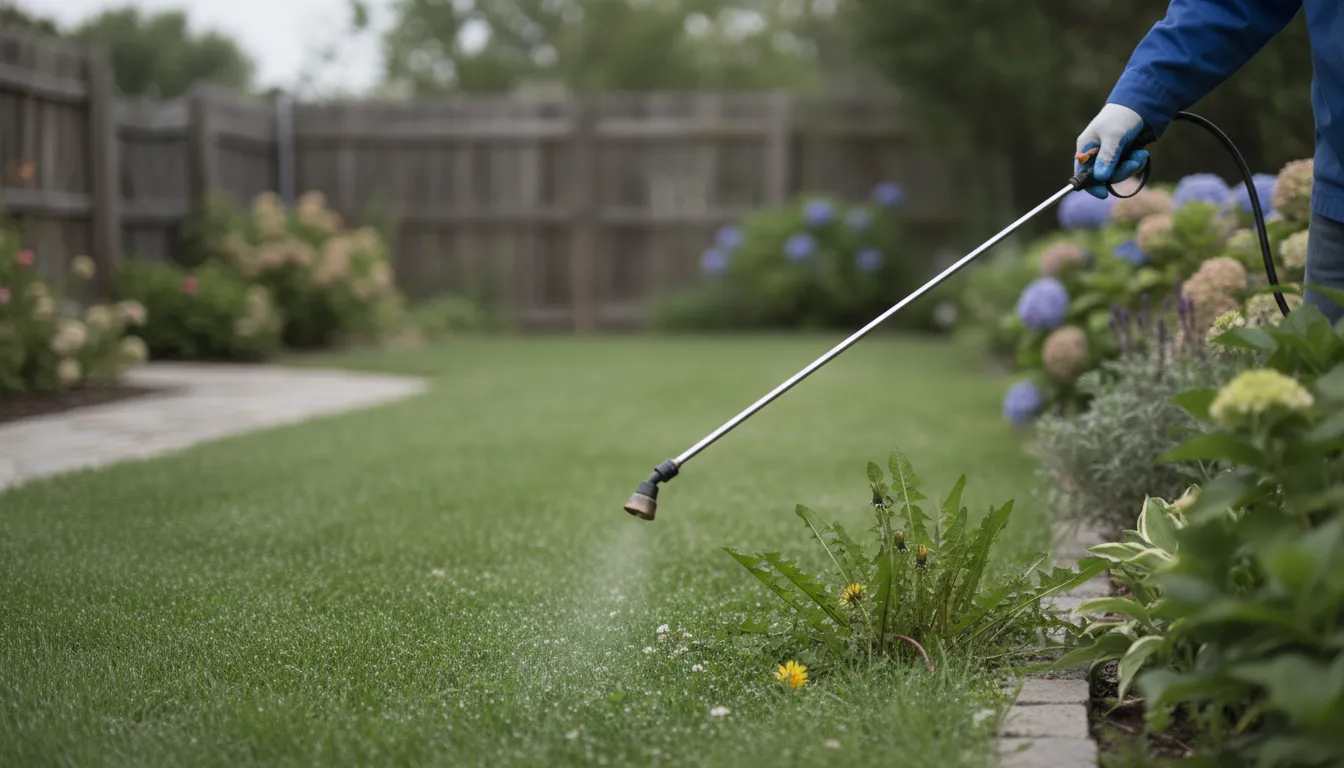
A healthy, vibrant lawn is more than just a patch of green; it's a living ecosystem that enhances your home's curb appeal and provides a space for relaxation. In Cleveland's climate, achieving that lush, weed-free turf requires a strategic, science-backed approach to lawn feeding and weed management. This guide explains the essentials of professional lawn care programs, why a tailored plan matters for Northeast Ohio, and how you can connect with local experts who understand the specific needs of your soil and grass type.
Turf Pride Lawn Care
9301 Hamilton Dr, Mentor, OH 44060
Turf Pride Lawn Care is a lawn care company serving Cleveland, OH, and surrounding counties including Lake, Geauga, and Cuyahoga. Since 2002, they have provided lawn mowing, fertilization, and weed control services to help homeowners maintain and improve their outdoor spaces. Their experience includes working with thousands of customers to deliver reliable lawn care solutions that enhance property appearance and ease maintenance concerns.
Meehan's Lawn Service
6344 Eastland Rd, Brook Park, OH 44142
Meehan's Lawn Service is a locally owned lawn and tree care company based near Cleveland, OH. They provide lawn fertilization, weed control, tree and shrub care, and pest control services throughout Greater Cleveland and Northeast Ohio. Meehan's specializes in maintaining healthy lawns with services like grub prevention, aeration, and lime application. With over 30 years of experience, the company emphasizes consistent service by assigning the same technician to each customer to monitor lawn progress over time.
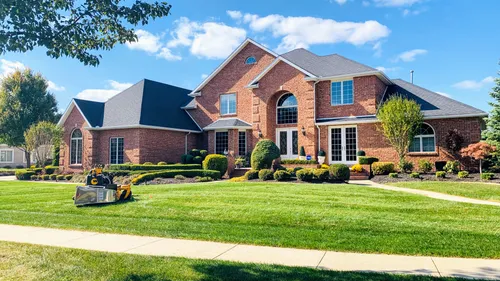
Clean N’ Green Lawn Services LLC
Cleveland, OH
Clean N' Green Lawn Services LLC provides professional lawn care and landscaping services in Cleveland, OH. Their offerings include lawn mowing, fertilization and weed control, aeration and overseeding, yard drainage solutions, and hardscaping such as decorative concrete and retaining walls. The company serves multiple nearby communities including Brunswick, Medina, and Strongsville. Clean N' Green is fully licensed and insured, with a hands-on approach to customer service and project management.
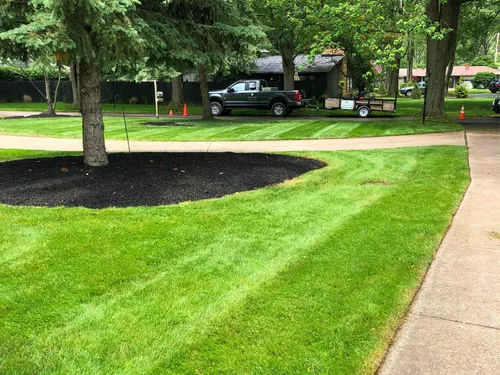
Innovative Companies LTD
11148 Chardon Rd, Chardon, OH 44024
Innovative Companies LTD is a landscaping and hardscaping contractor serving Cleveland, OH, and nearby communities. They offer a wide range of services including landscape design and installation, lawn care, tree services, yard drainage, and outdoor lighting. Their capabilities include custom hardscaping such as retaining walls and fire pits, as well as hydroseeding for large or difficult areas. With 13 years of direct experience and a combined team skill of 75 years, they have completed numerous residential and commercial projects. The company also provides after-hours availability to accommodate customer scheduling needs.
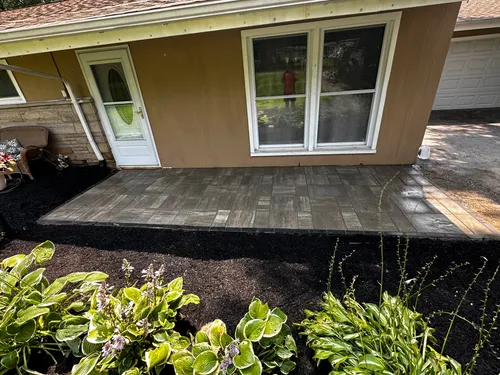
Bear Landscape & Design, LLC
Cleveland, OH
Bear Landscape & Design, LLC is a landscaping company based in North Royalton, OH, serving Cleveland and the surrounding area. They provide a wide range of outdoor services including landscape design, lawn maintenance, sod installation, patio and retaining wall construction, land clearing, mulching, and seasonal cleanup. The company is known for its comprehensive approach to creating functional and elegant outdoor spaces, with capabilities such as custom patio installations and retaining wall construction. Founded by a high school entrepreneur, Bear Landscape & Design emphasizes quick response times and quality workmanship.
Understanding Cleveland's Lawn Environment
The foundation of effective lawn nutrition and weed suppression begins with understanding local conditions. Cleveland experiences a full range of seasons, with cold, snowy winters and warm, humid summers. This climate supports cool-season grasses, which have distinct growth cycles that dictate the timing of all care activities.
The most common turfgrasses in Northern Ohio lawns are Kentucky Bluegrass, Fine Fescue, and Perennial Ryegrass, often found in blends. These grasses thrive in cooler temperatures, growing most vigorously in the spring and fall. They go dormant and turn brown during summer heat stress or winter cold, but a healthy, well-fed root system ensures they green up again when conditions improve. This cycle is central to planning a seasonal lawn care program.
The Core of a Professional Lawn Care Program
Most local lawn feeding and weed control services are structured around a multi-visit annual program. These are not one-time fixes but ongoing strategies designed to nurture your lawn throughout the year. A typical program in Cleveland consists of 5 to 7 carefully timed applications, each with a specific goal.
This systematic approach ensures the right nutrients and protections are applied when your grass can use them most effectively, while also targeting weeds at their most vulnerable life stages. It transforms lawn care from a reactive chore into a proactive plan for long-term health.
The Seasonal Application Schedule
Early Spring (March - April): Pre-Emergent & Foundation Feeding As soil temperatures consistently reach around 50°F, it's time for the first critical application. This visit focuses on applying a pre-emergent herbicide, which forms a barrier in the soil to prevent crabgrass and other grassy weeds from germinating 1. Timing is crucial-apply too early and the barrier degrades before seeds sprout; too late and weeds have already taken root. This application often includes a balanced fertilizer to kick-start green-up and strengthen grass after winter.
Late Spring (May - June): Growth Support & Broadleaf Control This period sees peak growth for cool-season grasses. A fertilizer application provides the energy for lush, thick growth, which is itself a natural defense against weeds by crowding them out. This visit also typically includes post-emergent control for broadleaf weeds like dandelions and clover, which are actively growing and easily targeted 2.
Summer (July - August): Sustained Nutrition & Pest Monitoring Summer stress is a major challenge. High temperatures and potential drought can weaken turf. A summer application often uses a slow-release fertilizer formula that feeds the lawn gently without forcing a surge of growth that would increase water demand. Spot treatment for any breakthrough weeds and monitoring for insect issues like grubs or chinch bugs are also part of this phase.
Early Fall (September - October): Recovery and Root Development Fall is arguably the most important season for lawn health in Cleveland. As temperatures cool, grass redirects energy from leaf growth to root development. A high-quality fall fertilizer strengthens the root system, stores energy for the winter, and promotes a quicker green-up next spring 3. This is also the ideal time for core aeration, which relieves soil compaction and allows air, water, and nutrients to reach the roots more effectively.
Late Fall (October - November): The Winterizer The final application of the year is the winterizer. This specialized fertilizer is high in potassium, which enhances the grass plant's hardiness, disease resistance, and tolerance to cold stress, helping it survive the winter in better condition 4.
Find the perfect lawn treatment companies for your needs
Get personalized recommendations and expert advice
Key Components of Effective Lawn Management
Beyond the calendar of applications, several core principles define successful turf care.
Soil Health is Everything The best lawn fertilization programs view the soil as a living system. Healthy soil teems with microbial life that helps break down organic matter and make nutrients available to grass roots. Over-reliance on synthetic chemicals can harm this ecosystem. Many professionals now emphasize building soil health through organic amendments and bio-stimulants, leading to a more resilient and self-sustaining lawn.
The Importance of Correct Watering Even the best fertilizer program can fail with poor watering. The standard recommendation for Cleveland lawns is about 1 to 1.5 inches of water per week, including rainfall. This should be delivered in one or two deep watering sessions, preferably in the early morning, to encourage deep root growth and minimize evaporation and fungal disease 5.
Proper Mowing Practices Mowing is not just cutting grass; it's a form of stress management. Keeping your mower blades sharp ensures clean cuts that heal quickly. For cool-season grasses, maintaining a taller height (often 3 inches or more) shades the soil, conserves moisture, and helps prevent weed seeds from germinating. Never remove more than one-third of the grass blade in a single mowing.
Understanding Costs and Service Options
Investing in a professional weed and feed program involves understanding the typical cost structure. Most companies price based on the size of your lawn (in thousands of square feet) and the comprehensiveness of the plan.
- Per-Visit Cost: For an average-sized lawn, individual applications for fertilization and weed control can range from $70 to over $100 per visit.
- Annual Program Cost: A full-season program of 5 to 7 applications typically has a total cost between $400 and $700 for basic to comprehensive plans. More extensive lawns or plans that include premium additives or guaranteed results will be at the higher end of this range or above 6 7.
- Add-On Services: Core aeration, overseeding, grub control, and lime applications for soil pH adjustment are common add-ons that enhance the base program but add to the overall cost.
When evaluating providers, look for transparent pricing, clear explanations of what each application contains, and a willingness to tailor a plan based on a site inspection of your specific lawn conditions.
Choosing the Right Service for Your Lawn
With many providers offering lawn treatment services, making a choice comes down to a few key factors. First, seek out companies that offer a free, on-site evaluation. A knowledgeable technician should examine your grass type, soil condition, weed pressure, and sun/shade patterns before recommending a plan.
Ask detailed questions about their product philosophy. Do they use slow-release versus quick-release fertilizers? What is their approach to environmental safety and protecting pollinators? Request to see the labels of the products they commonly use.
Finally, review their service guarantee. How do they handle missed weeds or areas that don't respond to treatment? A reputable company will stand behind its work and schedule follow-up visits if needed.
Frequently asked questions
Sources
Footnotes
-
When to Apply Weed and Feed in Ohio by Region - LawnStarter - https://www.lawnstarter.com/blog/ohio/when-to-apply-weed-and-feed-ohio/ ↩
-
Cleveland, OH Lawn Care, Weed Control, Aeration & Fertilization - https://www.lawncontrolcenter.com/cleveland-oh ↩
-
5 Application Lawn Program - https://naturescapelawncare.com/us/services/lawncare/5app/ ↩
-
Lawn Fertilization Service in Huron, Sandusky, Port Clinton, OH - https://barnesnursery.com/services/lawn-care/lawn-fertilization/ ↩
-
Lawn Care in Cleveland, OH from $55 | 6000+ 5-Star Reviews - https://www.getsunday.com/local-guide/lawn-care-in-cleveland-oh ↩
-
Cleveland Lawn Care & Weed Control - Lawn Squad - https://lawnsquad.com/locations/cleveland-oh/ ↩
-
How Much Does Lawn Care Cost In Ohio? Here's What You Need ... - https://www.oasisturf.com/blog/how-much-does-lawn-care-cost-in-ohio ↩