Find the Best Lawn Treatment Companies for Your Business
No obligation • Fast responses • Nationwide coverage

Why you can trust Landscape Atlas
Landscape Atlas is a leading United States resource for evaluating landscaping, lawn care, and outdoor service providers. Our team researches each category in depth, focusing on service quality, safety, and customer experience. Listings and rankings are based on independent criteria and user feedback, and companies cannot pay to influence our assessments or recommendations.
Search providers near you
Top Lawn Treatment Companies in Columbus, Ohio Ranked
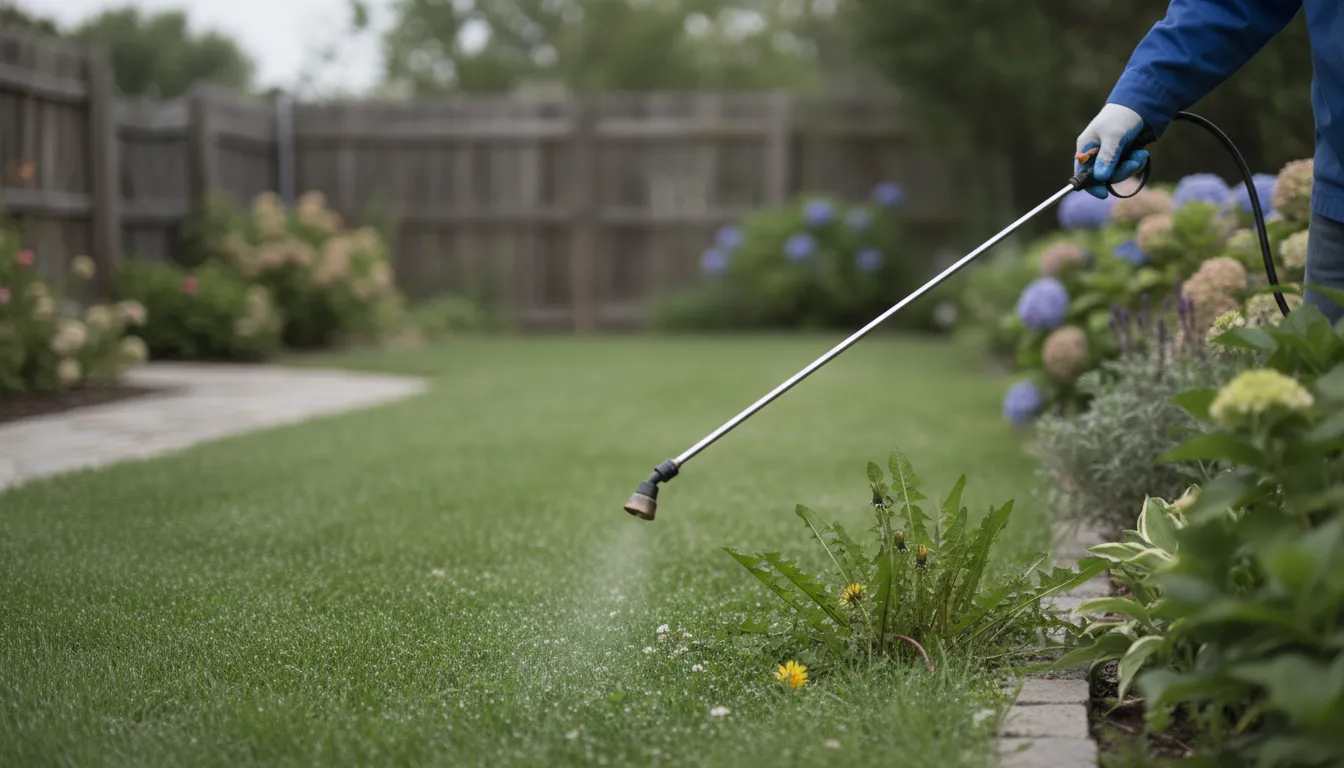
Maintaining a vibrant, healthy lawn in Columbus requires a strategic approach to feeding your grass and managing weeds. Lawn fertilization provides the essential nutrients cool-season grasses need to thrive, while targeted weed control prevents invasive plants from taking over. This guide explains the seasonal care schedule, common services, and typical investment for professional lawn nutrition and weed management in Central Ohio, helping you understand your options for achieving a lush, green yard.
Custom Turf
6497 Seeds Rd, Grove City, OH 43123
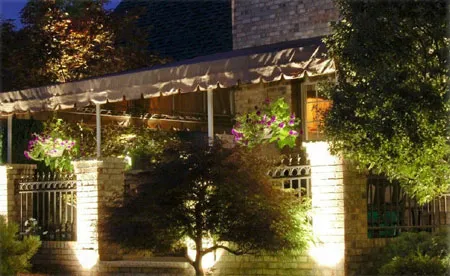
Custom Turf is a lawn care company based in Columbus, OH, offering a range of services including lawn fertilization, weed control, tree and shrub care, and sprinkler system installation and repair. Serving Central Ohio and surrounding suburbs, they tailor treatments to local soil and climate conditions to promote healthy, green lawns. With 38 years of experience, Custom Turf provides specialized services such as core aeration to improve soil health and pest control to protect lawns and homes. Their tree and shrub care includes systemic insect control and deep root fertilization to maintain plant vitality throughout the year.
Lawn Doctor of Greater Columbus
1005 Old Henderson Rd, Columbus, OH 43220
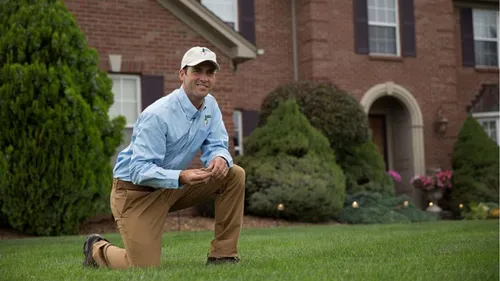
Lawn Doctor of Greater Columbus provides lawn fertilization, weed control, and pest management services in Columbus, OH. They offer customized lawn care plans based on a free lawn analysis to address specific lawn health needs. Their services include treatments for common lawn pests such as grubs and fire ants, with options for single treatments or ongoing annual programs. The company serves a wide range of communities around Columbus, ensuring tailored lawn care solutions for each customer.
Weed Busters
924 Eastwind Dr suite 9, Westerville, OH 43081
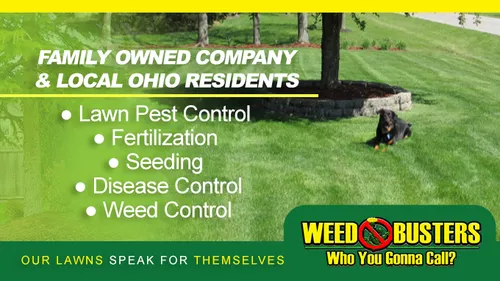
Weed Busters is a family-owned lawn care company serving Columbus, OH, and the surrounding Central Ohio area. They specialize in lawn fertilization, weed control, and year-round lawn maintenance, focusing on identifying and treating the root causes of lawn problems. With over 20 years of experience, Weed Busters offers personalized service through dedicated local technicians who work closely with customers to maintain healthy, pest-free lawns. Their service area includes Westerville and nearby communities such as Pickerington, Gahanna, and New Albany.

Good Nature Organic Lawn Care
2976 Lazar Rd, Grove City, OH 43123
Good Nature Organic Lawn Care is a lawn care company based in Columbus, OH, specializing in organic lawn fertilization and weed control. Since 1999, they have focused on creating healthy, chemical-free lawns using organic fertilizers and natural treatments that promote strong soil and grass growth. Their approach helps build resistance to weeds while providing a safer environment for children and pets.

NexGreen Lawn and Tree Care
6270 Frost Rd, Westerville, OH 43082
NexGreen Lawn and Tree Care is an eco-friendly lawn care company based near Columbus, OH. They offer a range of services including lawn fertilization, weed control, grub prevention, core aeration, overseeding, and tree and shrub care. Their treatments focus on natural and bio-nutrient solutions designed to promote healthy grass and reduce chemical use. NexGreen serves multiple communities around Columbus, providing sustainable lawn care tailored to Ohio's climate and soil conditions.
Understanding Your Columbus Lawn's Needs
The foundation of effective lawn care in Central Ohio is understanding the local grass types. Columbus lawns are predominantly composed of cool-season grasses like Tall Fescue, Kentucky Bluegrass, and Perennial Ryegrass 1. These grasses grow most actively in the cooler temperatures of spring and fall and can go dormant or become stressed during hot, dry summers. This growth cycle dictates the timing for both feeding and weed prevention efforts. A proper lawn feeding program is designed to support this natural rhythm, strengthening the grass to better compete against weeds, disease, and environmental stress.
The Essential Seasonal Lawn Care Schedule
A professional lawn treatment program is not a one-time event but a series of timed applications throughout the growing season. Following a calendar-based schedule ensures your grass gets what it needs when it needs it most.
Early Spring (April - May): Foundation and Prevention
This is the most critical time for weed prevention. The primary goal is to apply a pre-emergent herbicide to create a barrier in the soil that stops crabgrass and other grassy weeds from germinating. This application is often combined with a balanced fertilizer to give the grass a strong start after winter. A broadleaf weed control may also be included to tackle early weeds like dandelions.
Late Spring to Early Summer (May - June): Growth and Correction
As soil temperatures rise, the focus shifts to supporting vigorous growth and addressing any weeds that have emerged. A second fertilizer application promotes lush, green turf. Post-emergent weed control targets any visible weeds that have broken through, ensuring they don't establish and spread during the peak growing period 2.
Summer (July - August): Sustaining Health
Summer heat stresses cool-season grasses. Treatments during this period often use slow-release fertilizers to provide steady, gentle nutrition without forcing excessive growth that would require more water. This season may also include monitoring and treatments for insect pests like grubs, which can cause significant damage. Spot treatments for persistent weeds are common.
Late Summer to Early Fall (August - September): Recovery and Preparation
This is a key recovery window. Fertilizer and weed control applications help the lawn rebound from summer stress and prepare for the fall growing season. It's an ideal time to assess lawn density and plan for overseeding.
Fall (October - November): Root Development for Winter
The final, and arguably most important, application is the fall winterizer. This high-potassium fertilizer is designed not for top growth but for building strong, deep roots. A robust root system stores energy, improves drought resistance, and ensures your lawn greens up quickly next spring. This season is also the best time for core aeration and overseeding.
Core Services in a Lawn Care Program
A comprehensive lawn maintenance plan typically integrates several key services beyond just spreading fertilizer and weed killer.
- Customized Fertilization: Using balanced, often slow-release formulas that provide nitrogen (N), phosphorus (P), and potassium (K) in ratios suited for Central Ohio soils and grass types. This ensures steady, healthy growth without burnout.
- Targeted Weed Management: This is a two-pronged strategy. Pre-emergent control acts as a preventive barrier, while post-emergent control acts as a targeted remedy for existing weeds like clover, chickweed, and ground ivy.
- Insect Control: As-needed treatments for common lawn pests such as white grubs and chinch bugs, which can cause brown, dying patches if left unchecked.
- Aeration & Overseeding: Often recommended in the fall, core aeration relieves soil compaction, allowing water, air, and nutrients to reach grass roots. Following aeration with overseeding introduces new grass seed to fill in thin areas, resulting in a thicker, more weed-resistant turf.
Find the perfect lawn treatment companies for your needs
Get personalized recommendations and expert advice
What to Expect: Investment and Program Options
Most providers offer annual programs that bundle seasonal applications, which is more cost-effective than scheduling individual services. The total cost depends primarily on the size of your lawn and the number of annual visits included.
- Annual Lawn Care Programs: A typical program in Columbus includes 5 to 7 seasonal applications spanning from spring to fall 3. For an average-sized yard, these comprehensive annual plans generally range from $400 to $700 or more 4 5.
- Per-Visit Pricing: If you prefer to schedule treatments individually, costs typically start at $70 to $100+ per application for combined fertilization and weed control 6.
- Aeration and Overseeding: This vital fall service is often an add-on or included in premium plans, with costs typically ranging from $100 to $250 depending on lawn size 7 8.
When evaluating options, look for companies that offer a customized analysis of your lawn's specific conditions rather than a one-size-fits-all approach. Transparency about the products used and the timing of services is also key.
Why a Proactive, Seasonal Approach Matters
Attempting to fix lawn problems as they appear is often less effective and more expensive than a consistent, preventive care strategy. Starting treatments in early spring is crucial for stopping crabgrass, which is far easier to prevent than to eliminate once it sprouts 9. Consistent nutrient applications through the summer sustain lawn health during stress periods. Finally, the fall focus on root development through fertilization and aeration sets the stage for a resilient lawn that can survive winter and thrive the following year 10. This cyclical, proactive method is the most reliable path to a dense, healthy, and beautiful lawn that enhances your Columbus home.
Frequently asked questions
Sources
Footnotes
-
Best Grass Seed for Central Ohio - https://lawnlove.com/blog/best-grass-seed-central-ohio/ ↩
-
Grass Types: Warm Season vs. Cool Season - Bioadvanced - https://bioadvanced.com/warm-season-vs-cool-season-grasses ↩
-
5 Application Lawn Program - https://naturescapelawncare.com/us/services/lawncare/5app/ ↩
-
Landscaping Costs In Columbus Ohio - An Overview - https://mrglawnandlandscape.com/blog/how-much-does-landscaping-cost-in-columbus-ohio ↩
-
How Much Does TruGreen Cost? - Ohio Landscaping - https://landscapingserviceohio.com/trugreen-cost/ ↩
-
Columbus Lawn Care & Weed Control - https://lawnsquad.com/locations/columbus-oh/ ↩
-
Professional Lawn Treatment Services - https://goklsm.com/residential-outdoor-living-design-build-services/lawn-treatment/ ↩
-
How Much Does Lawn Care Cost In Ohio? Here's What You Need ... - https://www.oasisturf.com/blog/how-much-does-lawn-care-cost-in-ohio ↩
-
Lawn Fertilization Services in West Chester Township, Cincinnati, ... - https://www.lawncontrolcenter.com/lawn-fertilization ↩
-
Affordable Lawn Care Plans & Pricing Options - TruGreen - https://www.trugreen.com/products-and-services ↩