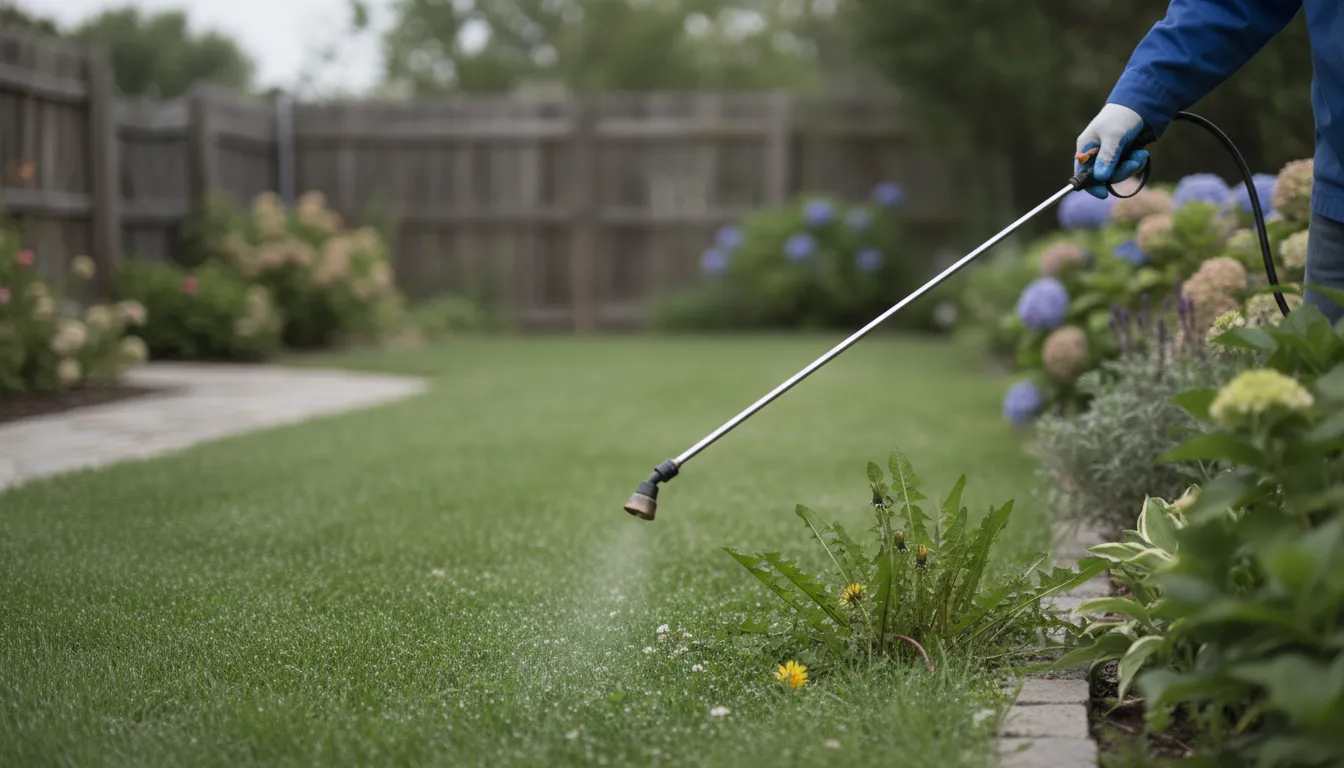
Find the Best Lawn Treatment Companies for Your Business
No obligation • Fast responses • Nationwide coverage

Why you can trust Landscape Atlas
Landscape Atlas is a leading United States resource for evaluating landscaping, lawn care, and outdoor service providers. Our team researches each category in depth, focusing on service quality, safety, and customer experience. Listings and rankings are based on independent criteria and user feedback, and companies cannot pay to influence our assessments or recommendations.
Search providers near you
Top Lawn Treatment Companies in Parma, Ohio Ranked
A healthy, vibrant lawn is a cornerstone of curb appeal and outdoor enjoyment in Parma. Achieving that lush, green carpet free of unsightly weeds requires a consistent, science-backed approach tailored to our local climate and soil. Lawn fertilization and weed control services provide that expertise, delivering the right nutrients and protections at the right time. This guide will help you understand the local lawn care process, typical programs, and what to look for when connecting with professional lawn care providers in the area.
Meehan's Lawn Service
6344 Eastland Rd, Brook Park, OH 44142
Meehan's Lawn Service is a locally owned lawn and tree care company based near Cleveland, OH. They provide lawn fertilization, weed control, tree and shrub care, and pest control services throughout Greater Cleveland and Northeast Ohio. Meehan's specializes in maintaining healthy lawns with services like grub prevention, aeration, and lime application. With over 30 years of experience, the company emphasizes consistent service by assigning the same technician to each customer to monitor lawn progress over time.
Clean N’ Green Lawn Services LLC
Cleveland, OH
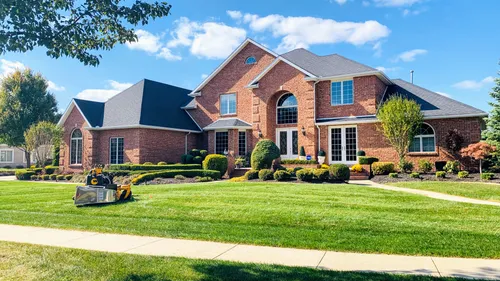
Clean N' Green Lawn Services LLC provides professional lawn care and landscaping services in Cleveland, OH. Their offerings include lawn mowing, fertilization and weed control, aeration and overseeding, yard drainage solutions, and hardscaping such as decorative concrete and retaining walls. The company serves multiple nearby communities including Brunswick, Medina, and Strongsville. Clean N' Green is fully licensed and insured, with a hands-on approach to customer service and project management.
Innovative Companies LTD
11148 Chardon Rd, Chardon, OH 44024
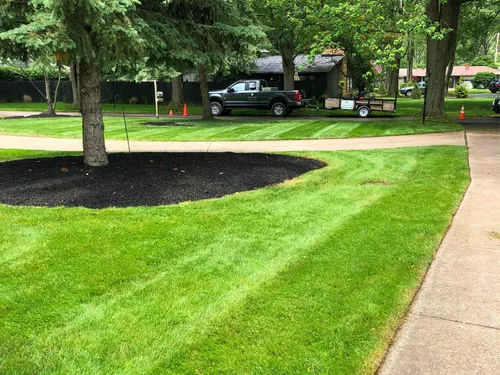
Innovative Companies LTD is a landscaping and hardscaping contractor serving Cleveland, OH, and nearby communities. They offer a wide range of services including landscape design and installation, lawn care, tree services, yard drainage, and outdoor lighting. Their capabilities include custom hardscaping such as retaining walls and fire pits, as well as hydroseeding for large or difficult areas. With 13 years of direct experience and a combined team skill of 75 years, they have completed numerous residential and commercial projects. The company also provides after-hours availability to accommodate customer scheduling needs.
Bear Landscape & Design, LLC
Cleveland, OH
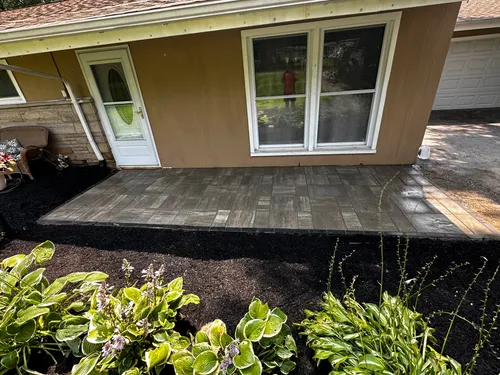
Bear Landscape & Design, LLC is a landscaping company based in North Royalton, OH, serving Cleveland and the surrounding area. They provide a wide range of outdoor services including landscape design, lawn maintenance, sod installation, patio and retaining wall construction, land clearing, mulching, and seasonal cleanup. The company is known for its comprehensive approach to creating functional and elegant outdoor spaces, with capabilities such as custom patio installations and retaining wall construction. Founded by a high school entrepreneur, Bear Landscape & Design emphasizes quick response times and quality workmanship.
A Cut Above The Rest Landscaping Services LLC
7955 Elmhurst Dr, Broadview Heights, OH 44147
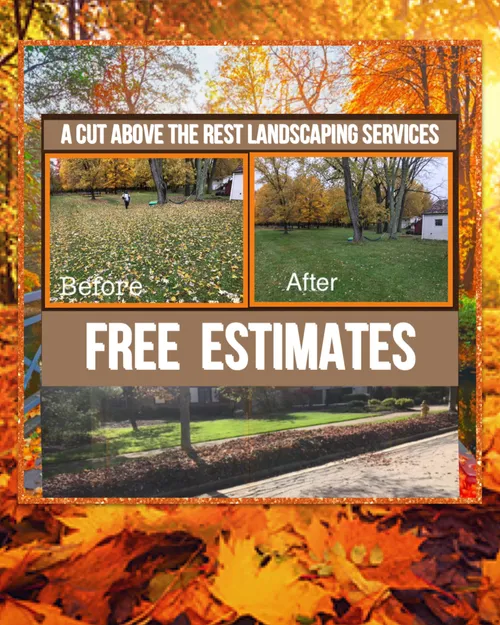
A Cut Above The Rest Landscaping Services LLC is a lawn care company based in Cleveland, OH. They offer lawn fertilization and weed control services to help maintain healthy and attractive yards. The company focuses on treating each yard with care and attention, aiming to provide effective lawn care solutions.
Understanding Parma's Lawn Environment
Successful lawn nutrition and weed management starts with knowing what you're working with. Parma's climate supports cool-season grasses, which have distinct growth patterns compared to warm-season varieties found in southern states. The most common turfgrasses here are Kentucky bluegrass, perennial ryegrass, and fine or tall fescues 1. These grasses grow most vigorously in the cool temperatures of spring and fall, and can go semi-dormant and stress during the peak heat of an Ohio summer.
This growth cycle dictates everything from fertilization timing to weed prevention strategies. A treatment schedule that works in Florida or Arizona would be ineffective and potentially harmful here. Furthermore, local soil conditions often lean towards clay, which can affect nutrient absorption and water drainage, making professional soil amendments like lime treatments a valuable part of a comprehensive care plan.
The Standard Lawn Care Program: A Seasonal Roadmap
Most professional lawn care in Parma is delivered through a multi-visit, seasonal program. These programs are designed to systematically address the lawn's needs throughout the year, with the dual goals of strengthening the grass and preventing or eliminating weeds. A typical full-service program includes between five and eight visits from early spring through late fall.
Here's a breakdown of what each critical phase typically entails:
Spring Awakening (March - May)
The first visit of the year is crucial. The primary focus is applying a pre-emergent herbicide to create a barrier in the soil that prevents crabgrass seeds from germinating 2. Crabgrass is a notorious annual weed that can quickly invade thin or stressed lawns. This visit also includes a balanced, slow-release fertilizer to give the grass a gentle boost as it exits winter dormancy and begins its first major growth cycle. Timing is everything; applying pre-emergent too late, after crabgrass has sprouted, renders it ineffective.
Late Spring to Early Summer (May - June)
As soil temperatures rise, broadleaf weeds like dandelions, clover, and plantain begin to flourish. The second application often combines a post-emergent weed control product to target these visible weeds with another round of fertilizer to sustain growth and density before the summer stress period 3. A thick, healthy lawn is the best natural defense against weeds, as it leaves little room for them to establish.
Summer Sustenance (July - August)
Summer treatments focus on maintaining lawn health during heat and potential drought. Fertilizer applied during this period is usually formulated to strengthen the grass without forcing excessive top growth, which can be vulnerable. This visit often includes insect control, particularly for white grubs. Grub larvae feed on grass roots beneath the surface, causing large, brown patches that can be mistaken for drought damage. Proactive control in mid-summer targets grubs while they are young and vulnerable.
Late Summer to Early Fall (August - September)
This is arguably the most important feeding period for cool-season grasses. As temperatures begin to moderate, the grass enters its second major growth cycle, focusing energy on root development. A fertilizer application in late summer strengthens the root system, stores energy, and improves the lawn's resilience for the winter ahead. This visit also typically includes another round of broadleaf weed control to eliminate weeds before they go to seed in the fall 4.
The Vital Fall Treatment (September - October)
The final application of the season is the winterizer 5. This is a specialized fertilizer high in potassium, which enhances the plant's hardiness, disease resistance, and root strength to survive the winter freeze. It prepares the lawn for a quick green-up the following spring. This treatment does not typically include weed control, as most weed activity has ceased.
Find the perfect lawn treatment companies for your needs
Get personalized recommendations and expert advice
Enhancing Your Lawn Care Program: Valuable Add-On Services
While the core fertilization and weed control program forms the backbone of lawn health, several add-on services can address specific challenges and elevate your lawn's quality.
- Core Aeration: This service involves mechanically removing small plugs of soil from the lawn. For Parma's often compacted clay soils, aeration is invaluable. It alleviates compaction, improves water and nutrient penetration to the root zone, and enhances oxygen flow. It is commonly recommended in the fall and can be paired with overseeding for best results.
- Overseeding: Over time, lawns can become thin due to weather, disease, or foot traffic. Overseeding introduces new grass seed into the existing turf to improve density, introduce more resilient grass varieties, and fill in bare spots. Fall aeration creates the perfect seedbed for overseeding.
- Lime Applications: Soil in our region tends to become acidic over time due to rainfall and fertilizer use. Acidic soil locks up essential nutrients, making them unavailable to the grass. A professional soil test can determine if a lime treatment is needed to neutralize pH and unlock your fertilizer's full potential.
- Grub & Insect Control: As mentioned, targeted insect control is often included in summer visits. For severe infestations or other pests like chinch bugs, additional specific treatments may be recommended.
- Disease Control & Fungicide: Turf diseases like brown patch or dollar spot can mar a lawn. Professionals can diagnose and apply fungicides to stop the spread of disease.
Investment in Your Lawn: Understanding Costs
The cost for professional lawn fertilization and weed control in Parma is typically structured as an annual program or a per-application fee. For a standard annual program encompassing 5-8 visits, homeowners can expect an investment ranging from approximately $400 to over $700 6 7. This often breaks down to about $70 to $100 per individual application visit 8.
Several factors influence the final price:
- Lawn Size: This is the primary cost driver. Prices are usually quoted per 1,000 square feet.
- Program Scope: A basic fertilization-only plan will cost less than a full program with weed control, insect control, and multiple feedings.
- Property Condition: Lawns with severe weed infestations or poor health may require a more intensive (and costly) initial restoration plan.
- Add-On Services: Core aeration, overseeding, and lime treatments are priced separately and can add significantly to the annual cost, with services like aeration and seeding potentially ranging from $150 to $750 depending on lawn size and scope 9 10.
It's important to view this as a cumulative, seasonal investment. The cost of a full program is often comparable to, or even more cost-effective than, purchasing commercial-grade products, renting equipment, and dedicating your own time and labor-with the added benefit of professional expertise and guaranteed timing.
Choosing the Right Service for Your Parma Lawn
When evaluating providers, look for companies that offer customized plans based on a property assessment. They should ask about your lawn's history, sun exposure, and problem areas. Transparency about the products they use (both fertilizer blends and herbicides) and their application strategy is key. A reputable provider will clearly explain their seasonal schedule, what each visit accomplishes, and why the timing is critical for Parma's climate.
Ultimately, a consistent, professionally managed lawn fertilization and weed control program is the most reliable path to a dense, healthy, and weed-resistant lawn that enhances your home and provides a beautiful outdoor space for your family.
Frequently asked questions
Sources
Footnotes
-
Parma, OH Lawn Care | 6000+ 5-Star Reviews - https://www.getsunday.com/local-guide/lawn-care-in-parma-oh ↩
-
Weed Control Services | Lawn Doctor of Parma-Middleburg ... - https://www.lawndoctor.com/parma-oh/lawn-care-local/weed-control/ ↩
-
Fertilizing Schedule | Turf Systems - https://turfsystems.ca/expert-advice/fertilizing-schedule ↩
-
When to Apply Weed and Feed to Your Lawn - LawnStarter - https://www.lawnstarter.com/blog/lawn-care-2/when-to-apply-weed-and-feed/ ↩
-
The Perfect Fertilization Schedule for Lawns in Ohio Does Exist! - https://www.lawncontrolcenter.com/blog/the-perfect-fertilization-schedule-for-lawns-in-ohio-does-exist ↩
-
How Much Does Lawn Care Cost In Ohio? Here's What You Need ... - https://www.oasisturf.com/blog/how-much-does-lawn-care-cost-in-ohio ↩
-
How Much Does TruGreen Cost? - Ohio Landscaping - https://landscapingserviceohio.com/trugreen-cost/ ↩
-
How much does lawn care service cost? - Green Lawn Fertilizing - https://www.greenlawnfertilizing.com/blog/how-much-does-lawn-care-service-cost ↩
-
Fertilization Treatments & Weed Control - https://4seasonsservices.net/fertilization-weed-control/ ↩
-
Deluxe Lawn Care Program | Expert Ohio ... - Grass Master - https://www.thegrassmaster.com/lawn-care-services/lawn-care-deluxe-program/ ↩