Find the Best Lawn Treatment Companies for Your Business
No obligation • Fast responses • Nationwide coverage

Why you can trust Landscape Atlas
Landscape Atlas is a leading United States resource for evaluating landscaping, lawn care, and outdoor service providers. Our team researches each category in depth, focusing on service quality, safety, and customer experience. Listings and rankings are based on independent criteria and user feedback, and companies cannot pay to influence our assessments or recommendations.
Search providers near you
Top Lawn Treatment Companies in Janesville, Wisconsin Ranked
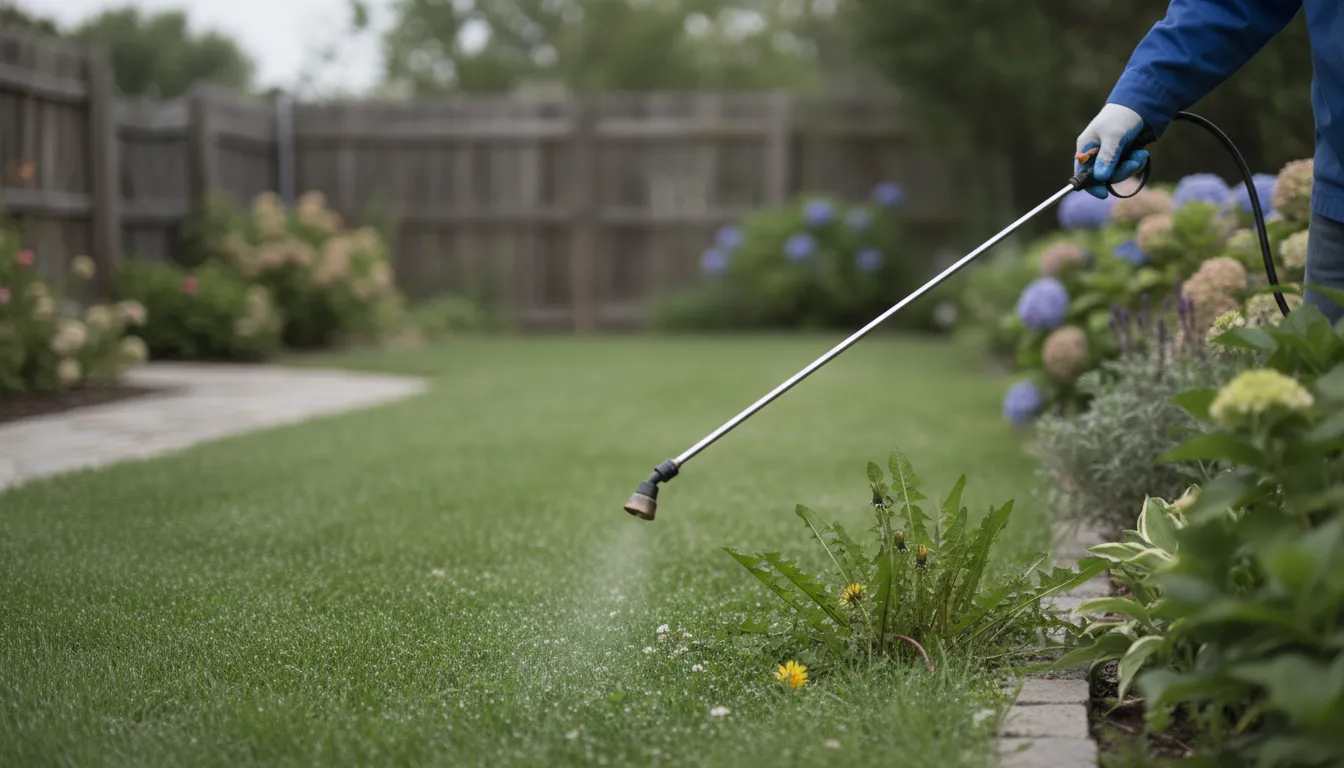
A healthy, vibrant lawn in Janesville is the result of a consistent, science-based program of fertilization and weed management. These services provide essential nutrients to your grass while controlling invasive weeds, directly impacting your property's curb appeal and health. This guide explains the local approach to lawn feeding and weed prevention, helping you understand the seasonal strategies and connect with professionals who tailor programs to Janesville's unique climate.
DQ Lawn and Snow
451 W Cottage Grove Rd #221, Cottage Grove, WI 53527
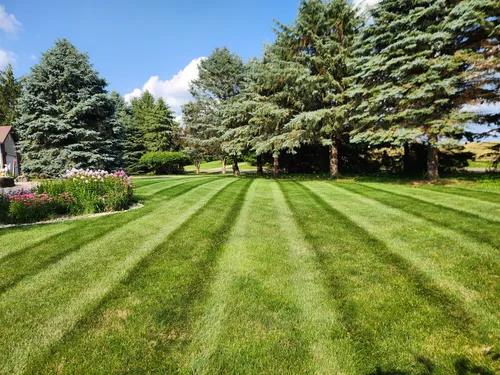
DQ Lawn and Snow is a landscaping and lawn care company based in Madison, WI. They offer a wide range of services including lawn mowing, fertilization, weed control, tree removal, stump grinding, sprinkler installation and repair, land clearing, and snow removal. The company is known for handling both routine lawn maintenance and emergency tree removal, with a capability to respond to after-hours snow removal requests. Serving Madison and surrounding areas, DQ Lawn and Snow has built a reputation over several years for personalized and eco-friendly landscape solutions.
Madison Daniel's Landscaping LLC
Madison, WI
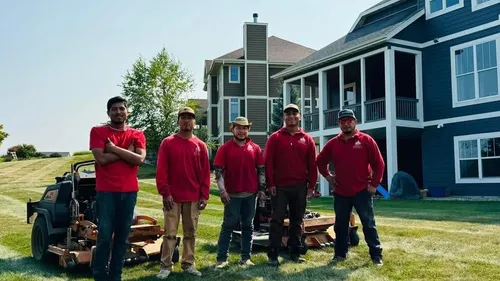
Madison Daniel's Landscaping LLC is a landscaping contractor based in Madison, WI, offering a wide range of services including lawn fertilization, weed control, tree trimming, and hardscaping. They design and maintain flower beds, manage soil and plant health, and provide snow removal during winter months. Their hardscaping capabilities include building patios, walkways, retaining walls, and fire pits using stone, brick, and concrete materials. The team focuses on creating functional and attractive outdoor spaces while maintaining plant health and safety.
Dunner's Outdoor Services
3110 Dairy Dr, Madison, WI 53718
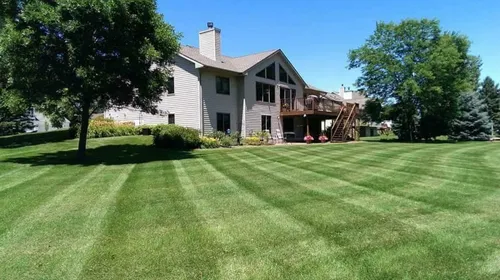
Dunner's Outdoor Services is a landscaping and outdoor services company based in Madison, WI. They offer a wide range of services including lawn mowing, fertilization, weed control, tree removal, stump grinding, yard drainage, grading, land clearing, brush removal, hardscaping with pavers and retaining walls, and general landscaping. The company serves both residential and commercial clients in Madison and the greater Dane County area. Their capabilities include excavation, utility trenching and installation, demolition, and land clearing, ensuring solid foundations and durable outdoor spaces. They also provide seasonal lawn care and snow removal services to maintain properties year-round.
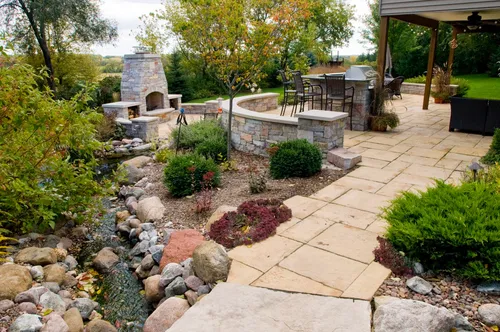
Avant Gardening & Landscaping
3055 Siggelkow Rd, McFarland, WI 53558
Avant Gardening & Landscaping has been serving Madison, WI, and Dane County for over 40 years. The company offers a wide range of landscaping services including landscape design, organic lawn care, landscape lighting installation, hardscaping such as patios and retaining walls, and yard drainage solutions. Their team includes experienced horticulturalists and Wisconsin state licensed landscape architects who focus on creating unique, customized outdoor spaces tailored to each client's needs. Avant Gardening & Landscaping also specializes in grading and stormwater management using ecologically effective methods.
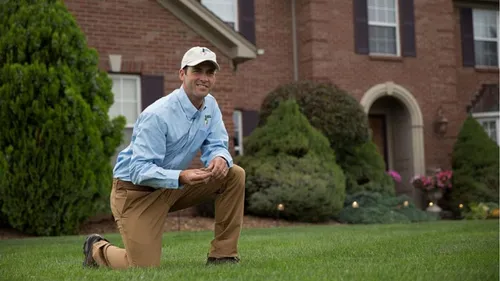
Lawn Doctor of Madison
Madison, WI
Lawn Doctor of Madison provides customized lawn care and pest control services in Madison, WI, and surrounding communities. They offer tailored treatment plans based on a free lawn analysis to address specific lawn needs, including fertilization and protection against pests like grubs and fire ants. Their annual lawn care programs support year-round maintenance to keep lawns healthy and vibrant. The company serves a wide area around Madison, delivering expert care directly to customers' homes.
Understanding Janesville's Lawn Environment
Successful lawn care begins with understanding the local growing conditions. Janesville's climate dictates the type of grass that thrives and the specific challenges it faces throughout the year. The foundation of any effective lawn nutrition and weed suppression plan is built on this local knowledge.
Predominant Grass Types
Janesville's cool-season climate supports specific turfgrasses that have adapted to survive cold winters and warm summers. The most common grasses found in local lawns include:
- Kentucky Bluegrass: Prized for its rich, deep green color and ability to spread and repair itself, making it a popular choice for many lawns.
- Tall Fescue: Valued for its deeper root system, which provides better tolerance to summer heat and drought conditions compared to other cool-season grasses. 1
- Fine Fescue & Perennial Ryegrass: Often included in seed mixes; fine fescue adds shade tolerance, while perennial ryegrass offers quick germination and wear resistance for a denser turf. 2 3
Knowing your primary grass type helps professionals select the right fertilizer formulations and timing for your lawn's specific needs.
Common Lawn Weeds and Pests
A targeted weed control strategy requires knowing the enemy. In Janesville, common broadleaf weeds include dandelions, clover, and plantain, while crabgrass is a pervasive annual grassy weed. Effective programs use pre-emergent herbicides in spring to stop crabgrass seeds from germinating and post-emergent treatments throughout the growing season to eliminate existing broadleaf weeds.
The Seasonal Program: A Year-Round Approach
Lawn fertilization and weed management in southern Wisconsin is not a one-time event but a cyclical program. Local providers structure their services around key seasonal milestones to match the grass's natural growth cycles.
Spring Awakening (March - May)
Spring treatments focus on recovery and prevention.
- Early Spring (March/April): The first critical application is a pre-emergent herbicide to create a barrier in the soil that prevents crabgrass seeds from sprouting. Timing is crucial, as this must be applied before soil temperatures consistently reach 55°F.
- Late Spring: A balanced fertilizer application provides nutrients for strong initial green-up and growth. Post-emergent spot treatments may begin for early-emerging weeds like dandelions.
Summer Maintenance (June - August)
Summer strategies shift to supporting the lawn through stress.
- Treatments often include slow-release fertilizers that feed the grass gradually without causing excessive, vulnerable growth during heat waves.
- Weed control continues as needed, targeting summer annuals and persistent perennials.
- The focus is on maintaining lawn health and color while minimizing stress from heat, drought, and foot traffic.
The Critical Fall Season (September - November)
Fall is the most important season for lawn care in Janesville. The cooler temperatures and increased rainfall create ideal conditions for root development.
- Early Fall (Key Window): Fertilization in early September, often called the "fall feeder" application, is paramount. It promotes deep root growth, energy storage, and thickens the turf, which naturally helps crowd out future weeds. 4 5 This is also an excellent time for core aeration and overseeding to repair thin areas.
- Late Fall: The final "winterizer" application is vital. This late-fall feeding provides nutrients that are stored in the roots, giving the grass a strong start for the next spring and improving its winter hardiness. 6
Find the perfect lawn treatment companies for your needs
Get personalized recommendations and expert advice
What to Expect from a Professional Service
Engaging a professional for your lawn feeding and weed suppression brings a systematic, informed approach. Most companies offer tiered programs that bundle essential services into scheduled visits throughout the year.
Typical Treatment Program Structure
A standard annual program in Janesville typically includes 4 to 6 visits, each with a specific goal:
- Spring Pre-Emergent & Fertilizer: Targets crabgrass prevention and early growth.
- Late Spring/Early Summer Application: Balanced feeding and broadleaf weed control.
- Summer Treatment: Stress-reducing nutrients and ongoing weed management.
- Early Fall Fertilization: The crucial deep-root feeding for recovery and density.
- Late Fall Winterizer: Prepares the lawn for dormancy and spring green-up.
Some plans may also include grub control or additional spot-spraying visits.
Investment and Value
The cost for a professional lawn nutrition and weed control program varies based on your lawn's size, condition, and the specific services included. For a typical Janesville property, basic annual programs often range from approximately $300 to $600+. 7 This generally covers the multi-visit seasonal plan. Individual weed control visits, if needed outside a program, may range from $50 to $100 per application. 7 National service providers may have different pricing models, with annual costs that can vary widely. 8 The value lies in consistent results, time savings, and the application of expert knowledge regarding local soil conditions and weed pressures. 9 10
DIY vs. Professional Lawn Care
Many homeowners consider managing their own lawn feeding and weed spraying. While DIY can work with significant research and effort, professionals offer distinct advantages:
- Precision Timing: Pros know the exact windows for pre-emergent and fall fertilization in Janesville's climate.
- Commercial-Grade Products: Access to more effective, professional-grade herbicides and fertilizers not available at retail.
- Diagnostic Expertise: Ability to correctly identify weed types, grass diseases, and nutrient deficiencies.
- Customization: Programs are adjusted for your lawn's specific sun/shade patterns, grass type, and problem areas.
- Consistency & Convenience: Scheduled visits ensure treatments are never missed during critical periods.
Frequently asked questions
Sources
Footnotes
-
The Best Grass Seed for Southern Wisconsin - https://lawnlove.com/blog/best-grass-seed-southern-wisconsin/ ↩
-
Month-to-Month Wisconsin Lawn Care Calendar - https://lawnlove.com/blog/wisconsin-lawn-care-calendar/ ↩
-
Which GRASS TYPE Is BEST For You And Your Lawn?? - https://www.youtube.com/watch?v=khcjQvABIPI ↩
-
A Complete Fertilization Schedule For Wisconsin Lawns - https://www.brantslawncare.com/a-complete-fertilization-schedule-for-wisconsin-lawns/ ↩
-
Wisconsin Lawn Care Calendar - https://hort.extension.wisc.edu/articles/wisconsin-lawn-care-calender/ ↩
-
Littleton Lawn Care: Get the Best Results! - https://lawncowboys.com/services/lawn-plan/ ↩
-
How much does lawn care service cost? - Green Lawn Fertilizing - https://www.greenlawnfertilizing.com/blog/how-much-does-lawn-care-service-cost ↩ ↩2
-
How Much Does TruGreen Cost? (2026) - HomeGuide - https://homeguide.com/costs/trugreen-cost ↩
-
Weed Control Janesville, WI | Spring-Green - Lawn Care - https://www.spring-green.com/lawn-care-locations/janesville-wi/ ↩
-
Weed Man Janesville | Lawn Care & Weed Control - https://madison.weedman.com/local-lawn-care/janesville ↩