Find the Best Lawn Treatment Companies for Your Business
No obligation • Fast responses • Nationwide coverage

Why you can trust Landscape Atlas
Landscape Atlas is a leading United States resource for evaluating landscaping, lawn care, and outdoor service providers. Our team researches each category in depth, focusing on service quality, safety, and customer experience. Listings and rankings are based on independent criteria and user feedback, and companies cannot pay to influence our assessments or recommendations.
Search providers near you
Top Lawn Treatment Companies in Waukesha, Wisconsin Ranked
Achieving a thick, green, and healthy lawn in Waukesha requires a strategic approach tailored to our unique climate and soil. A proper lawn fertilization and weed control program is more than just a cosmetic upgrade; it's about building a resilient turf that can withstand Wisconsin's cold winters and hot summers while naturally resisting invasive weeds. This guide will help you understand the local lawn care schedule, common challenges, and typical service structures so you can confidently connect with local professionals who can create a customized plan for your property.
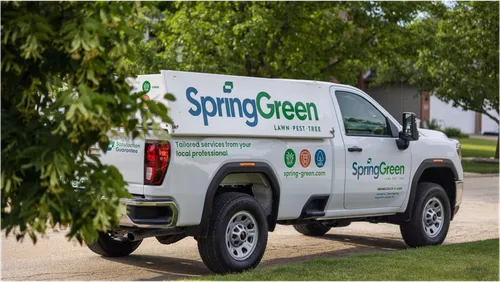
Spring Green
5355 S 9th St, Milwaukee, WI 53221
Spring Green is a locally owned and operated lawn care and tree service company based in Milwaukee, WI. Since 2003, they have provided tailored lawn fertilization, weed control, pest management, and tree care services to Milwaukee and nearby communities including Cudahy, Burlington, and Mukwonago. Their offerings include core aeration, grub control, mosquito and tick control, total lawn insect control, and seeding with grass varieties suited for Wisconsin lawns. Spring Green focuses on maintaining healthy, pest-free lawns and landscapes in the Milwaukee area.
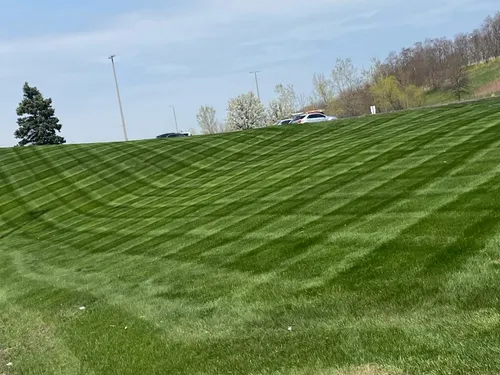
ALCS Lawn Care
656 S 94th St, West Allis, WI 53214
ALCS Lawn Care is a locally owned and operated lawn care company serving Milwaukee, WI. Established in 2000, the company offers lawn fertilization, weed control, and general lawn care services. Their technicians are State Certified and include a Horticulturist on staff who evaluates lawns for insect and disease issues during each visit. ALCS Lawn Care uses golf course quality products to maintain healthy and attractive turf.
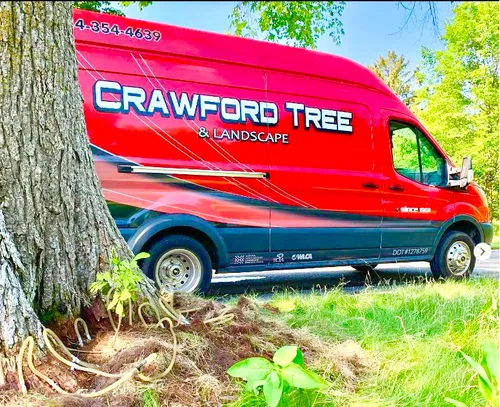
Crawford Tree & Landscape Services, Inc.
8760 W Calumet Rd, Milwaukee, WI 53224
Crawford Tree & Landscape Services, Inc. is a full-service tree and landscape care company based in Milwaukee, WI. They offer a wide range of services including tree risk assessment, removal, pruning, shrub trimming, lawn mowing, landscaping, grading, drainage solutions, and hardscape installation. Their plant health care services include disease management, pest control, fertilization, and specialized treatments such as Emerald Ash Borer protection. Established in 1969, Crawford Tree & Landscape Services provides 24/7 availability for urgent needs and uses advanced equipment to ensure safe and efficient operations.
Kanavas Landscape Management
13575 Juneau Blvd #1653, Elm Grove, WI 53122
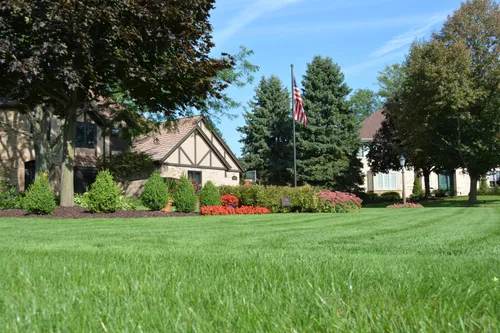
Kanavas Landscape Management is a full-service lawn care and landscaping company based in Milwaukee, WI. Serving Southeast Wisconsin, they offer a wide range of services including lawn fertilization, weed control, landscape design, tree care, and hardscaping such as patios and retaining walls. Their certified arborists provide specialized tree and shrub care, including removal and stump grinding. Established in 1974, Kanavas Landscape Management has over 50 years of experience delivering comprehensive outdoor solutions for residential and commercial properties.
Jem Lawn Care
Milwaukee, WI
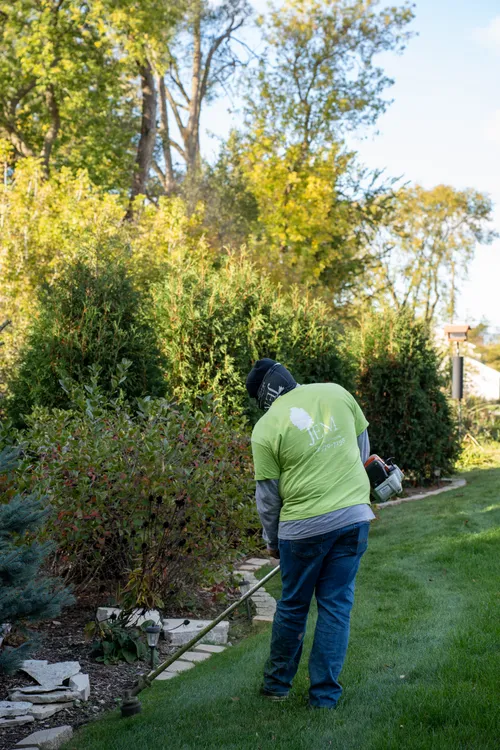
Jem Lawn Care is a lawn care and landscaping company based in Milwaukee, WI. They offer a range of services including weekly lawn maintenance, bed and shrub care, landscape design and installation, stonework, as well as fertilization and weed control programs. Their team provides customized nutrient applications and targeted weed treatments to maintain healthy and attractive lawns and gardens. Jem Lawn Care serves residential and commercial properties and extends service to nearby communities such as Caledonia, Oak Creek, and Franklin.
Understanding Waukesha's Lawn Environment
Successful turf management starts with knowing what you're working with. Waukesha's lawns face specific conditions that dictate the best care practices.
Common Grass Types: Cool-season grasses thrive here, primarily Kentucky Bluegrass and various Fescues (like Tall Fescue). These grasses are chosen for their ability to survive freezing temperatures and bounce back in the spring, but they have two main growth spurts: spring and, most importantly, fall 1.
Local Soil & pH: The soil in our area tends to be silty and can lean slightly alkaline, with a pH around 7.5. This pH level can affect nutrient availability, making a professional soil test a valuable first step. Balancing these nutrients is key to unlocking your lawn's full potential and ensuring the fertilizer you apply is actually absorbed by the grass roots.
Primary Challenges: The seasonal extremes are the biggest test. Harsh winters can cause winterkill, while summer heat and drought stress the turf. This stress makes lawns more vulnerable to weed invasions. A consistent program focuses on deep root health, which is the best defense against both weather and weeds.
The Essential Seasonal Lawn Care Schedule
A proactive, calendar-based approach is the cornerstone of effective lawn nutrition and weed management. Here's a breakdown of the critical treatment windows for Waukesha.
Early Spring (March - April)
This phase is all about prevention and a gentle wake-up call for your grass.
- Focus: Crabgrass prevention and early growth stimulation.
- Action: Apply a pre-emergent herbicide to stop crabgrass seeds from germinating. This is a critical timing step, typically when soil temperatures consistently reach 50-55°F, often around late April or early May. A light application of nitrogen can give grass a green-up boost without promoting excessive top growth that could be damaged by a late frost.
Late Spring (May)
As the lawn actively grows, weed competition kicks in.
- Focus: Broadleaf weed control.
- Action: Target common invaders like dandelions and clover with post-emergent herbicides. The lawn is actively growing, making it better able to recover from weed removal and utilize nutrients.
Early to Mid-Summer (June - July)
The goal shifts to maintaining health during stressful conditions.
- Focus: Nourishment and stress tolerance.
- Action: A balanced, slow-release fertilizer application provides steady nutrients without causing a flush of growth during peak heat. The emphasis is on sustaining the lawn, not forcing rapid growth 2.
Late Summer (August)
Preparation for the vital fall season begins.
- Focus: Pest control and recovery.
- Action: This is an optional but recommended time for grub control if needed. It's also a good time to address any summer weed flare-ups before the fall feeding window opens.
Find the perfect lawn treatment companies for your needs
Get personalized recommendations and expert advice
Early Fall (September)
This is the single most important treatment window for Waukesha lawns.
- Focus: Root strengthening and color recovery.
- Action: Apply a fertilizer high in nitrogen to fuel vigorous root and rhizome development. Strong roots established in fall ensure a green lawn the following spring and improve drought resistance. Many professionals target the Labor Day timeframe for this crucial application. It's also an ideal time for a final round of post-emergent weed control.
Late Fall (November - "Winterizer")
The final treatment prepares the lawn for dormancy.
- Focus: Root survival and early spring green-up.
- Action: A winterizer fertilizer, typically higher in potassium, is applied after the grass has stopped growing but before the ground freezes. This nutrient boost is stored in the roots, helping the lawn survive winter and green up faster in spring.
Key Timing Considerations for Treatments
Applying products at the wrong time can be ineffective or even harmful.
- Spring Pre-Emergent: Timing is everything. Apply too early and its effectiveness wears off; too late and crabgrass has already germinated. Local pros monitor soil temperatures for the perfect window.
- Summer Caution: Avoid heavy fertilization during periods of extreme heat and drought, as it can burn the grass. The summer application should be gentle and focused on health 3.
- The Fall Advantage: Cool autumn air, warm soil, and morning dew create perfect conditions for grass growth and herbicide effectiveness. Early September is prime time for the most impactful feeding of the year 4 5.
Understanding Service Programs and Investment
Most local lawn care companies offer comprehensive programs that bundle fertilization and weed control into seasonal visits.
Typical Program Structure: A full-season program in Waukesha often includes 4 to 6 scheduled visits from spring through late fall, covering pre-emergent, multiple feedings, broadleaf weed control, and a winterizer 6. This proactive plan is designed to systematically address lawn needs throughout the year.
Investment Overview: For a standard program, homeowners can expect a general range of $300 to $600 per year, though this varies significantly based on lawn size, condition, and the specific company's offerings 7 8 9. Individual spot treatments for weed control outside a program may range from $50 to $100 per visit 7 10. It's always best to get a customized quote from a provider based on a property evaluation.
Supporting Your Lawn Care Program
Professional treatments are most effective when paired with good cultural practices.
- Mow High: Keep your mower blade set at 3 to 4 inches. Taller grass shades the soil, conserves moisture, and encourages deeper, stronger roots that compete better with weeds.
- Water Deeply: Water less frequently but for longer durations to encourage roots to grow deep into the soil. Early morning watering is best to reduce evaporation and fungal disease.
- Optimal Conditions for Weed Control: For best results, weed control products should be applied when the lawn is moist (like after a morning dew or light watering) but not soaking wet. Avoid mowing for a day or two before and after application 11.
Frequently asked questions
Sources
Footnotes
-
Lawn Fertilization Schedule for Southeast Wisconsin - https://corbinlawncare.com/lawn-fertilization-schedule-for-southeast-wisconsin/ ↩
-
When to Fertilize for a Greener Lawn | ScottsMiracle-Gro US - https://scottsmiraclegro.com/en-us/learn/lawn-care/when-to-fertilize-for-a-greener-lawn.html ↩
-
The 3 Worst Times to Fertilize Your Lawn, According to Experts - https://www.realsimple.com/the-worst-times-to-fertilize-lawn-11765721 ↩
-
Wisconsin Lawn Care Calendar - https://hort.extension.wisc.edu/articles/wisconsin-lawn-care-calender/ ↩
-
A Complete Fertilization Schedule For Wisconsin Lawns - https://www.brantslawncare.com/a-complete-fertilization-schedule-for-wisconsin-lawns/ ↩
-
Lawn Care & Weed Control Mequon, WI | Spring-Green - https://www.spring-green.com/lawn-care-locations/mequon-area/ ↩
-
How much does lawn care service cost? - Green Lawn Fertilizing - https://www.greenlawnfertilizing.com/blog/how-much-does-lawn-care-service-cost ↩ ↩2
-
Lawn & Landscape Fertilization Services In Waukesha, WI - https://uslawns.com/locations/wi/waukesha/services/lawn-care/fertilization/ ↩
-
Lawn Care in Waukesha, WI | 6000+ 5-Star Reviews - https://www.getsunday.com/local-guide/lawn-care-in-waukesha-wi ↩
-
Expert Turf Fertilization in Waukesha County, WI - https://www.groundcrewservice.com/lawn-fertilization-waukesha-wi/ ↩
-
Best Time to Apply Weed and Feed in Wisconsin - Lawn Love - https://lawnlove.com/blog/when-to-apply-weed-and-feed-wisconsin/ ↩