Find the Best Yard Drainage Contractors for Your Business
No obligation • Fast responses • Nationwide coverage

Why you can trust Landscape Atlas
Landscape Atlas is a leading United States resource for evaluating landscaping, lawn care, and outdoor service providers. Our team researches each category in depth, focusing on service quality, safety, and customer experience. Listings and rankings are based on independent criteria and user feedback, and companies cannot pay to influence our assessments or recommendations.
Search providers near you
Top Yard Drainage Contractors in Tucson, Arizona Ranked
Managing water flow on your property is a critical aspect of homeownership in Tucson. While the city is known for its arid climate, the monsoon season brings intense, heavy rains that can overwhelm unprepared landscapes, leading to foundation damage, soil erosion, and flooded yards. Proper yard drainage and grading involves shaping the land and installing systems to control surface and subsurface water, protecting your home's structure and creating a healthier, more usable outdoor space. This guide explains the local solutions and considerations for managing stormwater, helping you connect with experienced professionals who can assess your specific needs and implement an effective plan.
Conserva Irrigation of Tucson East
Tucson, AZ
Conserva Irrigation of Tucson East provides residential and commercial landscape irrigation services in Tucson, AZ, and surrounding areas including Green Valley, Sahuarita, Tanque Verde, and Vail. They offer a full range of irrigation solutions such as installation, repair, drip irrigation, artificial turf irrigation, and drainage services. Their expertise includes smart irrigation systems with automated scheduling, weather monitoring, and water conservation features designed to reduce water usage significantly. Conserva Irrigation focuses on system design, installation, maintenance, and upgrades to optimize landscape health and efficiency. The company is known for solving complex irrigation issues and improving system performance with a commitment to water conservation.
Rozet Landscape Design & Rozet Nursery
7707 E 22nd St, Tucson, AZ 85710
Rozet Landscape Design & Rozet Nursery is located in Tucson, AZ, offering a range of landscape services focused on desert-adapted plants and sustainable outdoor living spaces. They provide custom landscape design and installation, including Schedule 40 PVC irrigation systems, low voltage lighting with FX Luminaire products, grading, erosion control, and water features that support desert wildlife and pollinators. Rozet serves both residential and commercial clients, emphasizing ecological design and habitat creation. Their nursery stocks native and desert-adapted plants, pottery, and garden supplies. The company operates a boutique retail nursery and offers delivery and planting services. Rozet Landscape Design LLC is a design and build firm that does not provide landscape maintenance but focuses on phased project development to meet client needs.
Beycon Landscape Solutions
Tucson, AZ
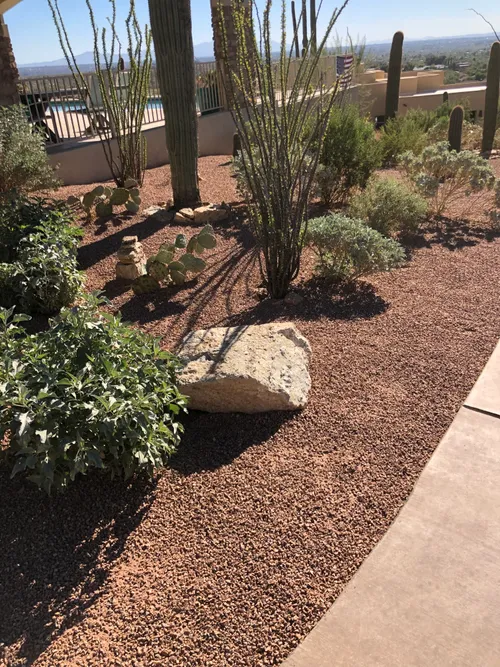
Beycon Landscape Solutions is a locally owned landscaping company based in Tucson, AZ. They provide a range of services including landscape clean up, maintenance, gravel spreading, and yard drainage solutions. Their maintenance plans cover tree and shrub trimming, weed pulling, lawn mowing, and debris hauling to keep outdoor spaces healthy and well-kept throughout the seasons. Beycon Landscape Solutions serves Tucson and its surrounding areas, focusing on delivering quality work in a timely manner.
Castle's Landscape Service
4873 S Champlain Ave, Tucson, AZ 85730
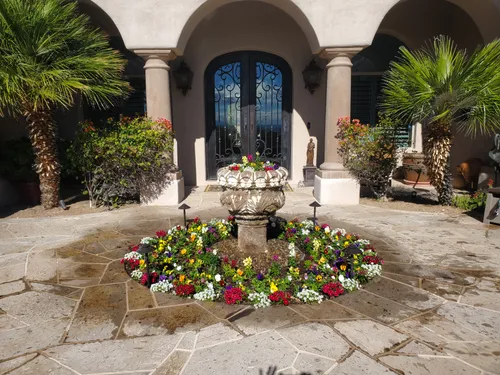
Castle's Landscape Service is a landscaping company based in Tucson, AZ, specializing in custom landscape design, installation, irrigation systems, lighting, grading, and maintenance. They focus on creating yards suited to Tucson's unique climate, using native and desert-adapted plants, eco-friendly irrigation, and durable hardscapes designed to withstand local weather conditions. Their services include lawn fertilization, weed control, sprinkler installation and repair, yard drainage, and hardscaping features like pavers and retaining walls. The company emphasizes tailored plans that balance aesthetics and function, with ongoing maintenance to support healthy plants and efficient water use throughout the year.
EcoSense Sustainable Landscapes
4560 N La Cholla Blvd, Tucson, AZ 85705
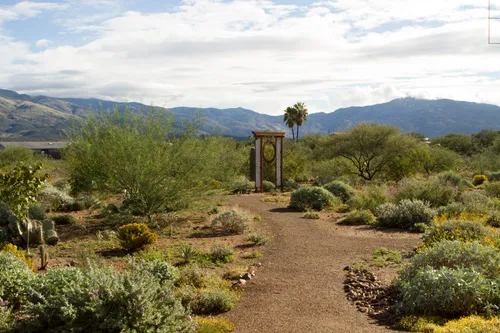
EcoSense Sustainable Landscapes is a landscape design and yard drainage company based in Tucson, AZ. They specialize in creating resilient landscapes that address climate change challenges by using rainwater harvesting and native, arid-adapted plants to restore soils and support healthy ecosystems in the Sonoran Desert. Their services focus on minimizing irrigation needs through passive rainwater harvesting basins that retain water onsite and promote sustainable plant growth. EcoSense emphasizes growing shade with native trees to improve soil health, provide wildlife habitat, and reduce energy use in homes.
Why Tucson Homes Need Specialized Drainage Solutions
The Sonoran Desert's unique weather patterns make drainage planning essential. Tucson's average annual rainfall is low, but nearly half of it arrives during the summer monsoon season in powerful, localized downpours. When rain falls faster than the hard-baked desert soil can absorb it, water runs off, seeking the lowest point. Without proper grading-the intentional sloping of the land-this runoff can pool against your home's foundation, seep into basements or crawl spaces, and create persistent muddy areas that damage plants and hardscapes. Effective drainage isn't just about moving water away; it's about harnessing it wisely, aligning with local practices that encourage water harvesting and sustainable landscaping.
Core Principles: Grading and Sloping
The first and most fundamental line of defense is correct grading. This process involves reshaping the soil to create a gentle, consistent slope that directs water away from structures. The standard recommendation is a slope of 2% to 5% for at least the first ten feet from your foundation 1. This means the ground should drop 2 to 5 inches for every 10 feet of horizontal distance.
- Assessment: A professional will use surveying tools to map your property's existing contours and identify low spots or "bird baths" where water collects.
- Execution: Using heavy equipment like skid-steers or small bulldozers, soil is cut from high areas and filled into low areas to establish the proper grade. In Tucson, this often involves working with native, rocky soil, which requires specific expertise.
- Permitting: For significant earth-moving projects, the City of Tucson may require a grading permit. It's crucial to check local regulations, as permits ensure work complies with codes designed to prevent creating drainage problems for your neighbors.
Common Drainage Systems for Tucson Properties
Beyond basic grading, several systems can be installed to manage water. The right choice depends on your yard's topography, soil type, and the specific water issues you're facing.
French Drains
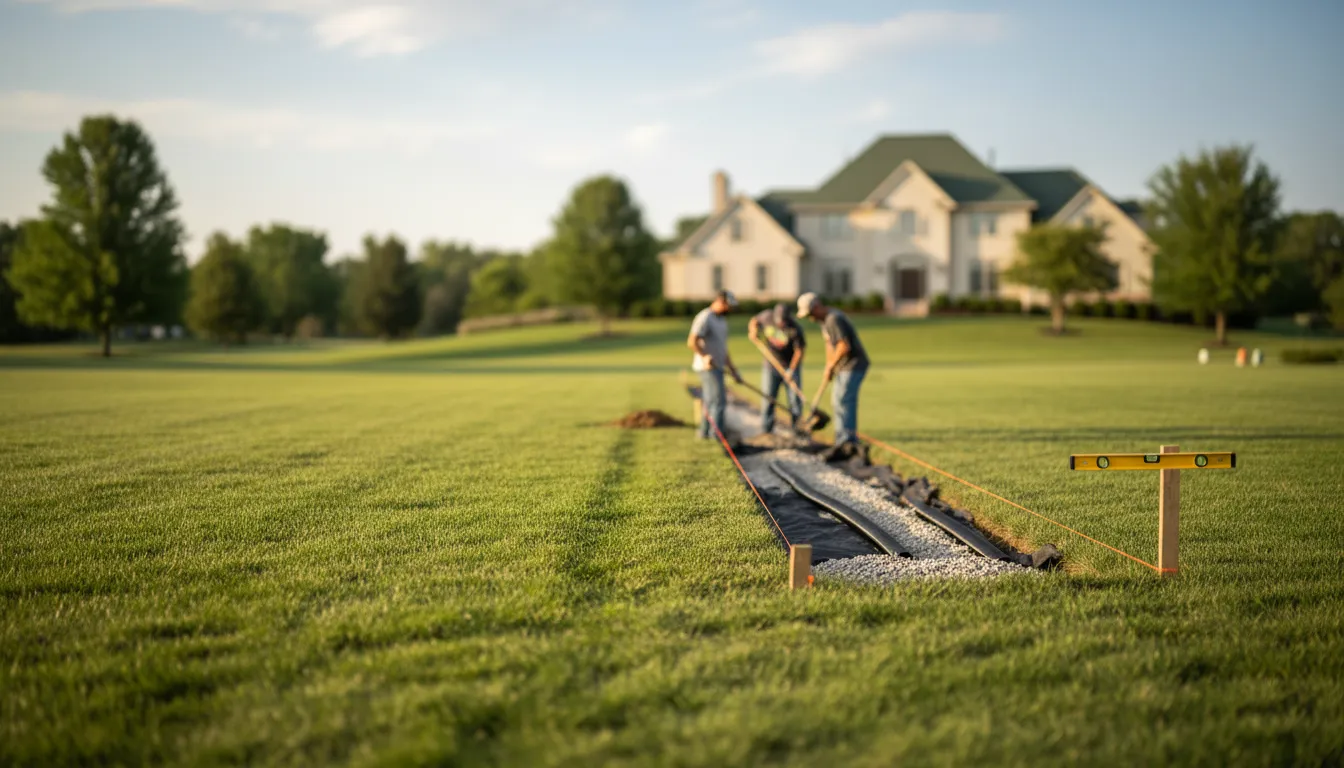
A French drain is a subsurface solution for yards where water saturates the soil or where the water table is high. It consists of a trench lined with landscape fabric, filled with gravel, and containing a perforated pipe at the bottom. This system collects groundwater and redirects it to a safer discharge point, like a dry well or street gutter. They are particularly useful for solving soggy lawn areas or relieving hydrostatic pressure against foundation walls.
Dry Creek Beds and Rock Swales
These are both aesthetic and functional surface solutions perfectly suited to the desert landscape. A dry creek bed or rock swale is a shallow, landscaped channel lined with river rock and often bordered by native, drought-tolerant plants. It is designed to mimic a natural arroyo, gracefully channeling storm runoff across your property. This method slows water down, allows for some infiltration, and prevents erosion, all while adding a beautiful naturalistic element to your yard 2.
Catch Basins and Channel Drains
These are inlets designed to capture concentrated flows of surface water. A catch basin is typically a grated box set in a low spot in the lawn or at the base of a downspout. It connects to a solid pipe that carries the water away. Channel drains are long, narrow grates often installed across driveways, patios, or walkways where water pools. They are highly effective for managing runoff from hard, impermeable surfaces 3.
Rain Gardens and Bioretention Areas
This approach turns a drainage problem into a landscaping asset. A rain garden is a shallow, planted depression that collects runoff from roofs or yards. It is filled with a special soil mix and planted with deep-rooted native plants that can tolerate both occasional flooding and dry periods. The garden holds water temporarily, allowing it to slowly soak into the ground while filtering out pollutants. This method supports Tucson's green infrastructure goals by recharging groundwater and reducing the burden on municipal storm systems 4 5.
Integrated Water Harvesting
In line with Tucson's water conservation ethos, drainage can be integrated with water harvesting. Instead of simply diverting all runoff away, systems can be designed to capture it for landscape use. This can involve directing roof downspouts into rain barrels or, more ambitiously, channeling yard runoff into buried cisterns or infiltration basins that slowly release water to plant roots. Pop-up emitters are often used at the end of downspout extensions; they lie flat until water flows, then "pop up" to disperse water over a broad area.
Find the perfect yard drainage contractors for your needs
Get personalized recommendations and expert advice
The Professional Process: From Problem to Solution
Addressing drainage effectively follows a logical sequence. First, observation is key. The best time to diagnose issues is during or immediately after a rainstorm. Note where water ponds, flows toward your house, or causes erosion.
Next, engage in planning with a qualified landscape contractor or drainage specialist. They will conduct a thorough site assessment, considering soil type, existing slopes, and local regulations. This plan should identify the primary solutions-whether it's regrading, installing a French drain, or building a swale-and how they work together 6.
Before digging, address permitting. Your contractor should handle this, but it's good to be aware. The City of Tucson's Stormwater Management and Planning & Development Services departments have guidelines, and significant grading or piping work may require approval 7 8.
Finally, execution begins. This typically involves:
- Earthwork: Grading and sloping the land to establish positive drainage.
- Installation: Digging trenches for pipes, placing catch basins, or sculpting swales and rain gardens.
- Planting: Incorporating appropriate native vegetation in bioretention areas to stabilize soil and aid absorption.
- Finishing: Applying a layer of coarse mulch in planted basins to retain moisture and filter pollutants 9.
Understanding Investment and Cost Factors
The cost for yard drainage and grading in Tucson varies widely based on the complexity of the problem, the size of your property, and the solutions chosen. Labor rates for skilled professionals typically range from $50 to over $100 per hour, though many projects are quoted as a flat rate.
- Minor Grading/Sloping: For correcting the slope on a 1,000-2,000 square foot area, homeowners might invest between $770 and $3,000 or more 10.
- French Drains: A more involved installation for 20-50 linear feet, including trenching, pipe, gravel, and labor, can range from $2,000 to $7,000+ 11.
- Catch Basins & Surface Drains: Installing one or two basins with connecting pipe may cost $600 to $2,000, while complex systems with multiple inlets can reach $5,000+.
- Dry Creek Beds / Rock Swales: These aesthetic solutions can cost between $800 and $3,000+, depending on length, rock type, and planting.
- Dry Wells: Installing an underground chamber that allows collected water to percolate into the soil can cost $1,000 to $4,000+ per unit 12.
It's important to view these figures as estimates. The rocky soil common in Tucson can increase labor time. Always seek multiple detailed quotes from licensed and insured contractors who specialize in drainage work.
Frequently asked questions
Sources
Footnotes
-
Grading Yard for Drainage: A Homeowner's Step-by-Step Guide - https://tamuradesigns.com/grading-yard-for-drainage/ ↩
-
Sloped Yard Drainage: 12 Best DIY Solutions for 2024 - https://salcorplandscaping.com/sloped-yard-drainage/ ↩
-
12 Residential Backyard Drainage Solutions - Protect Your Yard - https://wilsonslawncare.com/12-residential-backyard-drainage-solutions/2024/ ↩
-
Sonoran Desert Green Infrastructure Resource Library - https://www.americanrivers.org/wp-content/uploads/2020/06/AR_GreenInfrastructureResourceLibrary_Part3.pdf ↩
-
10 Things You Can Do to Prevent Stormwater Runoff Pollution - https://www.farmington-ct.org/departments/engineering/stormwater/10-things-to-prevent-stormwater-pollution ↩
-
How to Ensure Proper Drainage in Your Backyard - Tucson, AZ - https://www.santaritalandscaping.com/how-to-ensure-proper-drainage-in-your-backyard/ ↩
-
Grading Permits - City of Tucson - https://www.tucsonaz.gov/Departments/Planning-Development-Services/Permits/Grading-Permits ↩
-
Stormwater Management - City of Tucson - https://www.tucsonaz.gov/Departments/Transportation-Mobility/Stormwater-Management ↩
-
Green Infrastructure for Southwestern Neighborhoods - https://wrrc.arizona.edu/sites/default/files/wmg_green%20infrastructure%20for%20southwestern%20neighborhoods.pdf ↩
-
How Much Does Land Grading Cost in 2026? - Lawn Love - https://lawnlove.com/blog/land-grading-cost/ ↩
-
Drainage Solutions in Tucson - Conserva Irrigation - https://www.conservairrigation.com/tucson-east/services/drainage-solutions/ ↩
-
How Much Does It Cost to Install a Drainage System in Your Yard in ... - https://www.homeadvisor.com/cost/landscape/install-drainage/ ↩