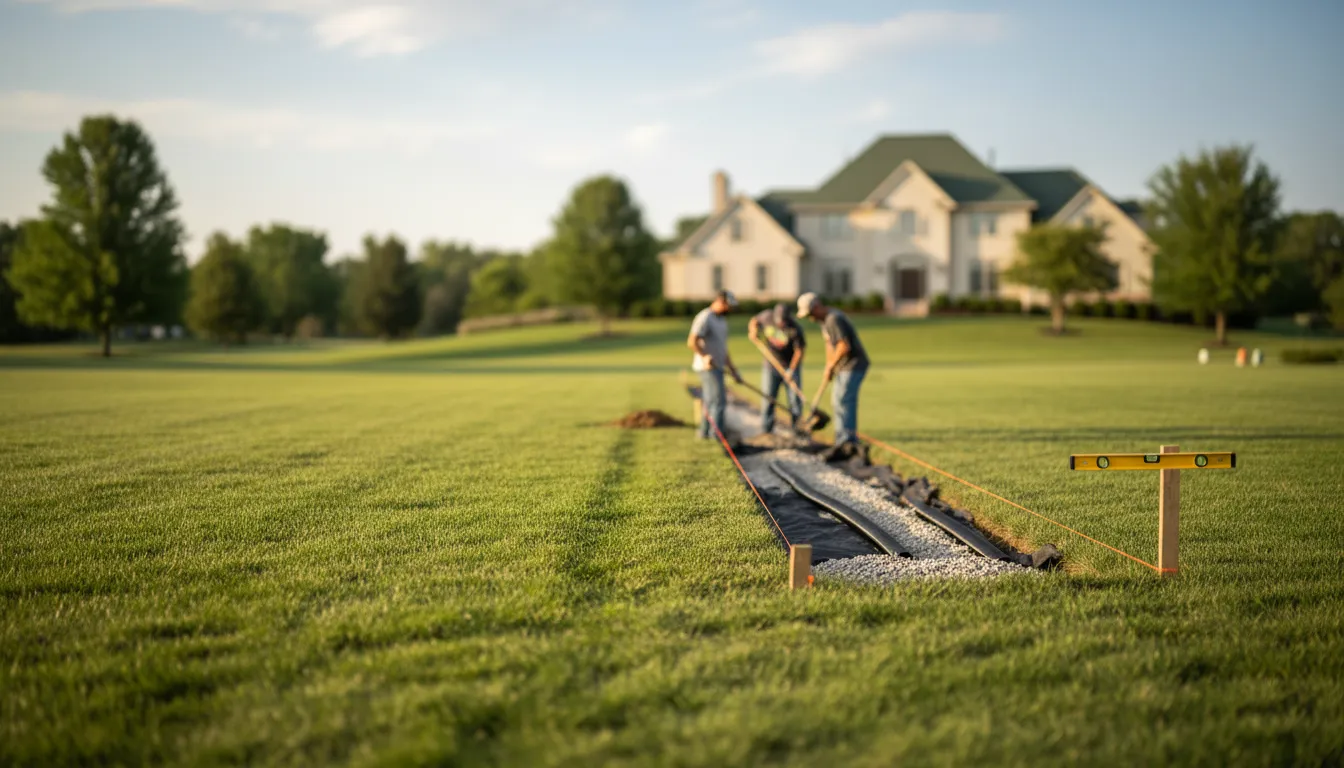
Find the Best Yard Drainage Contractors for Your Business
No obligation • Fast responses • Nationwide coverage

Why you can trust Landscape Atlas
Landscape Atlas is a leading United States resource for evaluating landscaping, lawn care, and outdoor service providers. Our team researches each category in depth, focusing on service quality, safety, and customer experience. Listings and rankings are based on independent criteria and user feedback, and companies cannot pay to influence our assessments or recommendations.
Search providers near you
Top Yard Drainage Contractors in Alameda, California Ranked
Proper yard drainage and land grading are essential for protecting your Alameda home from water damage, soil erosion, and foundation issues. Managing stormwater runoff effectively keeps your property dry and stable while contributing to the health of the local watershed. This guide will help you understand the core principles of residential drainage solutions, from simple grading adjustments to integrated green infrastructure, so you can find the right local expertise to solve your property's unique water challenges.
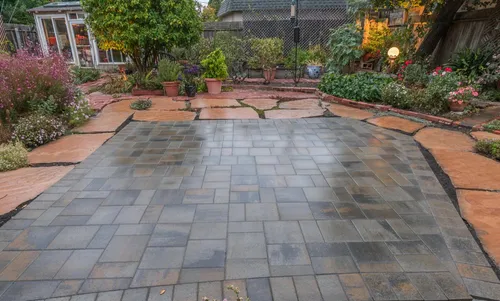
Ideal Landscape & Concrete
921 N Amphlett Blvd, San Mateo, CA 94401
Ideal Landscape & Concrete is a landscape and hardscape construction company based in San Jose, CA. Founded in 1981, they offer a range of services including fence installation, landscape lighting, yard drainage, sprinkler system installation and repair, landscaping, and hardscaping such as pavers and retaining walls. They also specialize in irrigation system installation and maintenance to support water conservation in the drought-prone Bay Area. Their capabilities include concrete and masonry construction, as well as erosion control and low-voltage lighting installation.
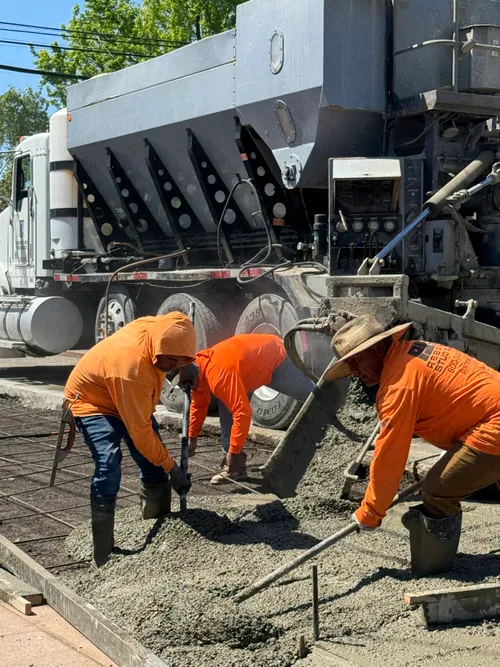
Lamata Concrete
San Francisco, CA
Lamata Concrete is a San Francisco, CA-based company with over 35 years of experience specializing in concrete foundation and flatwork solutions. They offer services for residential and small commercial projects, including driveways, patios, walkways, retaining walls, foundations, and drainage systems. Their expertise in local soil conditions supports durable and stable installations. Lamata Concrete also handles commercial work such as sidewalks, curbs, gutters, stairs, and ADA-compliant ramps.
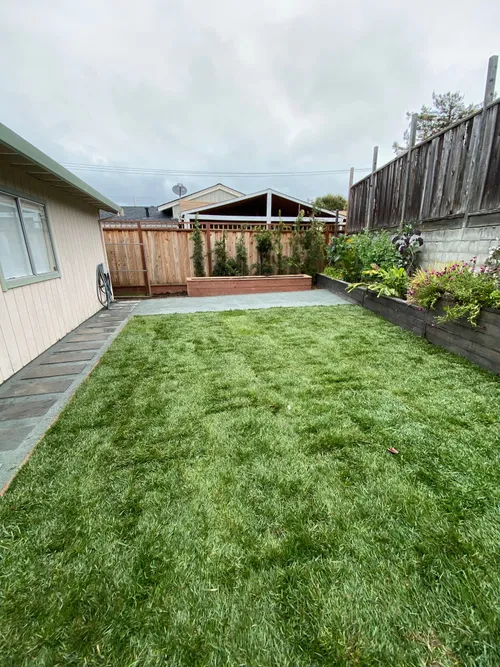
Greener Bay Landscaping Inc.
San Jose, CA
Greener Bay Landscaping Inc. is a family-owned landscaping contractor based in San Jose, CA, serving the Bay Area and Peninsula. They provide a wide range of services including landscape design, sod and synthetic lawn installation, irrigation system setup, fence and deck construction, hardscaping with pavers and retaining walls, yard drainage, and ongoing lawn care and maintenance. With over 15 years of experience, the company emphasizes quality craftsmanship and attention to detail, completing more than 1500 projects across Northern California. Their licensed and insured team works closely with clients to create customized outdoor spaces that combine beauty and function.

Atlas Tree Service Inc.
150 Medburn St, Concord, CA 94520
Atlas Tree Service Inc. is a tree and landscape specialist serving Oakland, CA, and the surrounding Northern California area. Established in 1962, the company offers a wide range of services including tree removal, pruning, stump grinding, land clearing, and landscape design. They have a large fleet equipped with cranes and bucket trucks to handle large tree demolition and installation. Atlas Tree Service also provides grading, drainage system installation, and concrete and paving services. The company operates 24/7, offering emergency tree services at any time.
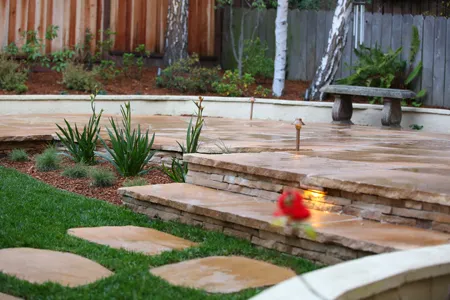
Jenn's Gardening
Fremont, CA
Jenn's Gardening is a full-service landscaping company based in Fremont, CA, serving the Peninsula area. Since 1993, owner Jennifer France and her team have provided a wide range of services including lawn mowing, fertilization, weed control, sod installation, irrigation system installation and repair, tree pruning and removal, hardscaping with pavers and retaining walls, and yard drainage solutions. They specialize in water-wise irrigation systems and use environmentally safe methods for disease and pest control to maintain healthy, attractive gardens. Jenn's Gardening combines decades of experience with personalized care to create functional and beautiful outdoor spaces.
Why Drainage Matters in Alameda
Alameda's climate and geography make effective water management a priority for homeowners. Poor drainage can lead to a host of expensive problems, including basement flooding, cracked foundations, ruined landscaping, and persistent mold or mildew. Beyond protecting your home, managing runoff on your property is a key part of the City of Alameda's broader environmental goals to reduce pollution in the San Francisco Bay. By implementing smart drainage and grading solutions, you're not only safeguarding your investment but also contributing to cleaner local waterways.
Core Principles of Effective Drainage
Successful water management revolves around three basic strategies: moving water away from structures, slowing it down to allow for absorption, and capturing it for reuse. A combination of these approaches is often the most effective long-term solution.
- Grading for Slope: The first line of defense is ensuring your yard slopes away from your home's foundation. A minimum slope of 3% (a 3-foot drop over 100 feet) is recommended to direct surface water to safer areas 1.
- Green Infrastructure (GI): This approach uses natural processes to manage rainfall where it lands. Techniques like rain gardens and permeable paving slow down runoff, filter pollutants, and allow water to soak into the ground, recharging groundwater.
- Subsurface Drainage: For water that can't be managed by surface grading alone, systems like French drains or trench drains are installed underground to collect and redirect water through a perforated pipe surrounded by gravel.
Common Yard Drainage Solutions
Homeowners in Alameda have a range of options, from simple DIY projects to complex professional installations. The right choice depends on your property's specific issues, budget, and goals.
1. Site Grading and Re-Grading
This is the process of adjusting the slope and contour of your land. Proper grading creates a gentle, consistent slope that channels water away from your foundation toward a designated drainage area, street gutter, or dry well. For significant re-grading, it's often wise to consult with a professional who can ensure the final grade meets engineering standards and local codes.
2. Green Infrastructure (GI) Practices
Aligned with the City of Alameda's sustainability plans, GI turns stormwater from a waste product into a resource.
- Rain Gardens: These are shallow, planted depressions that collect runoff from roofs, driveways, or lawns. They are filled with special soil and native plants that absorb and filter water over 24-48 hours.
- Rain Barrels and Cisterns: Connected to your downspouts, these systems capture roof runoff that you can later use for irrigation, reducing your water bill and peak stormwater flow.
- Permeable Paving: Materials like permeable pavers, porous concrete, or gravel grids allow rainwater to seep through the surface into a stone reservoir below, reducing runoff from driveways, patios, and walkways.
3. Drainage System Installation
When surface water needs to be actively collected and moved.
- French Drains: A gravel-filled trench containing a perforated pipe that collects groundwater and surface water, redirecting it to a safe discharge point.
- Channel (Trench) Drains: These are surface-level drains, often covered by a grate, that intercept water flowing across driveways, patios, or walkways before it can pool.
- Dry Wells and Infiltration Trenches: Underground structures that collect diverted water and allow it to slowly percolate into the surrounding soil.
4. Downspout and Gutter Management
Often an overlooked fix, simply redirecting your downspouts can solve many drainage issues. Disconnect them from underground pipes that may be clogged or insufficient, and instead, direct the outflow onto a splash block, into a rain barrel, or toward a vegetated area at least 5-10 feet away from your foundation.
Find the perfect yard drainage contractors for your needs
Get personalized recommendations and expert advice
The Professional Process: Assessment to Completion
Hiring a professional for yard drainage and grading typically follows a structured process to ensure a lasting solution.
- Site Assessment and Diagnosis: A thorough evaluation is the critical first step. The best time to assess is during or immediately after a heavy rain. A professional will identify the source of water, trace its flow paths across your property, and locate where it ponds. They will also evaluate your soil type, as clay-heavy soils common in the area drain poorly compared to sandy soils 2 3.
- Design and Planning: Based on the assessment, a plan is created. This may combine several solutions-for example, regrading a section of lawn, installing a French drain along a problematic property line, and adding a rain garden to capture roof runoff. For larger projects, a formal drainage plan or grading plan may be drafted.
- Permitting and Regulations: Your contractor should check with the City of Alameda's Public Works Department regarding any necessary permits. While many smaller GI projects like rain barrels or small rain gardens are encouraged and may not require permits, significant earthmoving or drainage pipe connections to the municipal system likely will.
- Execution:
- Grading: Involves carefully stripping topsoil, adding and compacting fill material (like gravel or sandy loam), and precisely shaping the final grade to the designed slopes.
- Drain Installation: Requires excavation to the proper depth and slope, laying a bed of gravel, placing the perforated pipe, covering it with more gravel and filter fabric, and then backfilling.
- GI Installation: For a rain garden, this includes excavation, soil amendment, planting, and mulching. Permeable paving requires preparing a deep base layer of aggregate to store water 4.
- Verification and Certification: For major grading projects, especially those related to new construction or significant alteration, a soils engineer may need to inspect and certify that the final grade matches the approved plans and provides adequate drainage 5.
Understanding Costs in Alameda
The investment for drainage and grading work varies dramatically based on the solution's scale and complexity. Here's a general overview of potential costs:
- DIY Rain Barrel Setup: $50 - $200 for the barrel and connection hardware.
- Residential Rain Garden: $200 - $1,000+ for plants, soil amendments, and mulch; higher if professional labor is hired for excavation and design.
- Minor Grading/Soil Work: $500 - $2,000+ for adjusting slope in a defined area, depending on machinery access and materials needed 6.
- Professional French Drain or Trench Drain: $1,000 - $5,000+, with costs rising for longer runs, deeper excavation, complex tie-ins, or difficult soil conditions 7 8.
- Permeable Paving: $10 - $25+ per square foot, significantly more than standard asphalt or concrete, due to the specialized materials and deep base required 9 10.
Key factors influencing final cost include the project's scope, materials selected, labor intensity, existing soil conditions, and any specific City of Alameda requirements or permits 11.
Maintaining Your Drainage System
Once installed, proper maintenance ensures your system functions for years to come.
- Regular Inspection: Check drainage paths, inlets, and outlets after major storms for blockages or erosion.
- Clean Gutters and Downspouts: Keep them free of leaves and debris to prevent overflow.
- Flush Drain Pipes: For French drains, occasionally flush the pipe with a garden hose to clear silt.
- Maintain Plantings: In rain gardens or swales, weed and replace plants as needed to keep the soil porous and absorbent.
Frequently asked questions
Sources
Footnotes
-
Swales, Drains, and Site Grading for Stormwater Control - https://basc.pnnl.gov/resource-guides/swales-drains-and-site-grading-stormwater-control ↩
-
Stormwater Best Management Practices - https://spcwater.org/topics/stormwater-management/stormwater-best-management-practices-2/ ↩
-
C.3 Stormwater Technical Guidance - https://cleanwaterprogram.org/wp-content/uploads/2024/05/C3TG-8.2-compiled-20240519.pdf ↩
-
City of Alameda Green Infrastructure Plan - https://www.alamedaca.gov/files/sharedassets/public/public-works/key-documents/alameda-gi-plan-with-all-appendicies_-electronic-version_12-3-19.pdf ↩
-
Grading Yard for Drainage: A Homeowner's Step-by-Step Guide - https://tamuradesigns.com/grading-yard-for-drainage/ ↩
-
How Land Grading Helps with Yard Drainage - Dirt Connections - https://www.dirtconnections.com/how-land-grading-helps-with-yard-drainage/ ↩
-
Sloped Yard Drainage: 12 Best DIY Solutions for 2024 - https://salcorplandscaping.com/sloped-yard-drainage/ ↩
-
Drainage, Leaks & Waterproofing | Berkeley Parents Network - https://www.berkeleyparentsnetwork.org/recommend/home/drainage ↩
-
What You Can Do to Soak Up the Rain | US EPA - https://www.epa.gov/soakuptherain/what-you-can-do-soak-rain ↩
-
Control Heavy Runoff - Solving Drainage and Erosion Problems - https://www.fairfaxcounty.gov/soil-water-conservation/drainage-problem-control-runoff ↩
-
Drainage and Grading Plans - https://www.hcd.ca.gov/mmh/park/construction-alterations/drainage-grading ↩