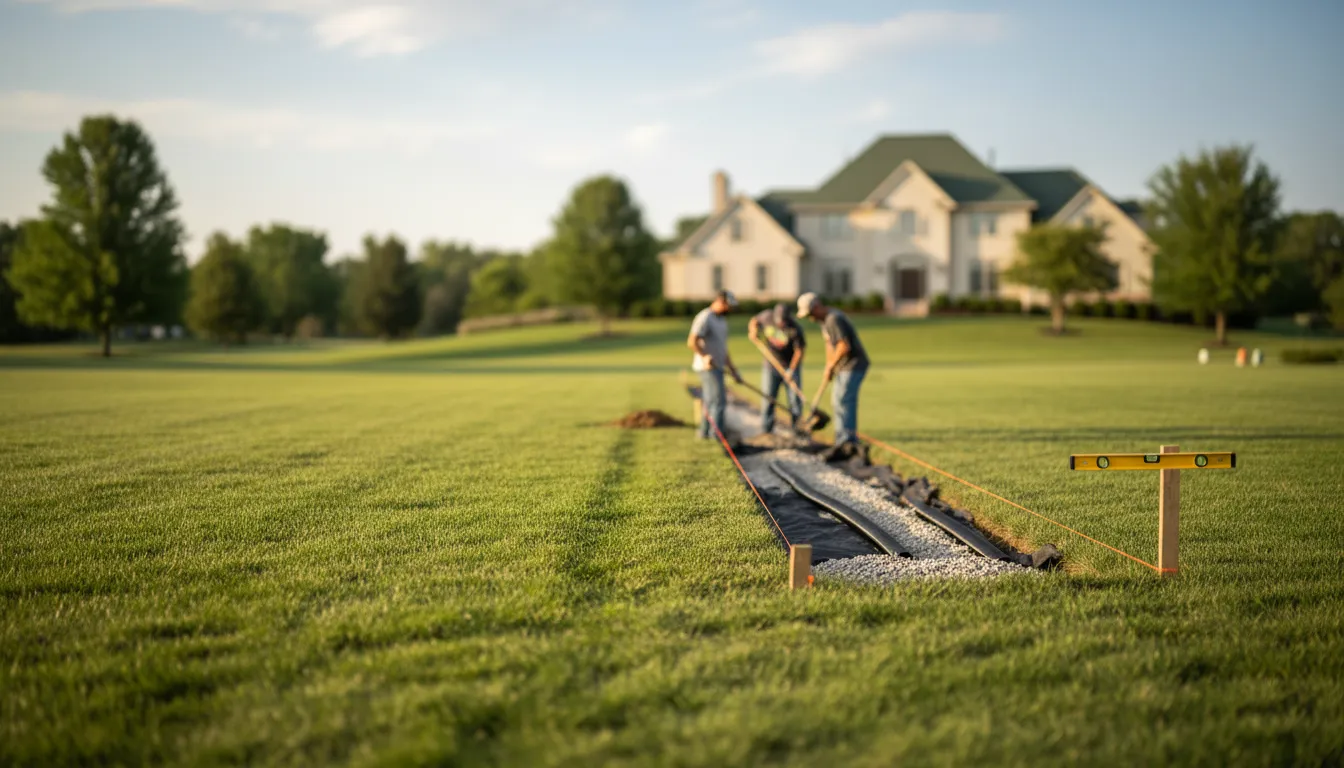
Find the Best Yard Drainage Contractors for Your Business
No obligation • Fast responses • Nationwide coverage

Why you can trust Landscape Atlas
Landscape Atlas is a leading United States resource for evaluating landscaping, lawn care, and outdoor service providers. Our team researches each category in depth, focusing on service quality, safety, and customer experience. Listings and rankings are based on independent criteria and user feedback, and companies cannot pay to influence our assessments or recommendations.
Search providers near you
Top Yard Drainage Contractors in Arcadia, California Ranked
Effective yard drainage and grading are essential for protecting your Arcadia home from water damage, preventing soil erosion, and contributing to healthier local waterways. Proper surface grading and subsurface drainage systems manage stormwater runoff, directing it safely away from your foundation and landscaping. This guide will help you understand the common solutions, processes, and local considerations for managing water on your property in Arcadia.
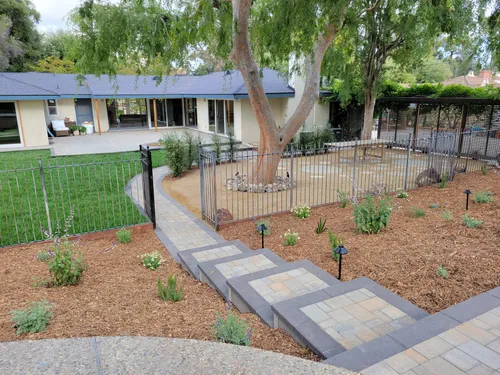
Droughtscape
Angeles Crest Hwy, La Cañada Flintridge, CA 91011
Droughtscape is a landscaping and outdoor construction company based in Los Angeles, CA. With over 45 years of experience, they specialize in drought and fire-resistant landscape design and installation, hardscaping, irrigation, fencing, artificial turf, and more. Their services cover a wide range of outdoor improvements including interlocking pavers, decks, pergolas, retaining walls, and yard drainage. Droughtscape serves multiple neighborhoods in the Los Angeles area, focusing on water-saving and sustainable landscaping solutions that suit various home styles. They emphasize clear communication and quality craftsmanship to provide a smooth project experience.
Barba Landscape & Design
710 Marine St, Santa Monica, CA 90405
Barba Landscape & Design is a family-owned landscaping company based in Los Angeles, CA, with over 35 years of experience. They specialize in landscape design and installation, tree pruning and removal, irrigation, drainage solutions, sod and fence installation, and landscape lighting. As Santa Monica natives, they focus on creating sustainable, eco-friendly outdoor spaces that reflect the local environment. Their team offers a workmanship warranty and is fully licensed, bonded, and insured, ensuring professional standards in every project. Barba Landscape serves a broad area including Santa Monica, Pasadena, Beverly Hills, and other parts of Los Angeles and surrounding counties.
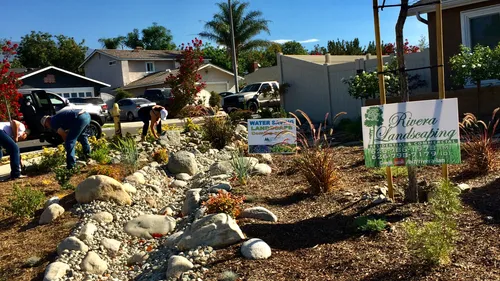
SoCal Landscape and Trees
2233 Casitas Ave, Altadena, CA 91001
SoCal Landscape and Trees is a landscaping company based in Altadena, serving Los Angeles, CA, and nearby areas. They provide a variety of services including tree removal, lot clearing, irrigation design, hardscape design, concrete work, grading, and routine lawn care. The company emphasizes sustainable practices and community restoration, focusing on enhancing the natural beauty of local foothill neighborhoods. One of their key capabilities is custom irrigation design aimed at promoting plant health and water efficiency. SoCal Landscape and Trees is committed to each project with a personal connection to the community.
Artisan Landscape Construction
Santa Ana, CA
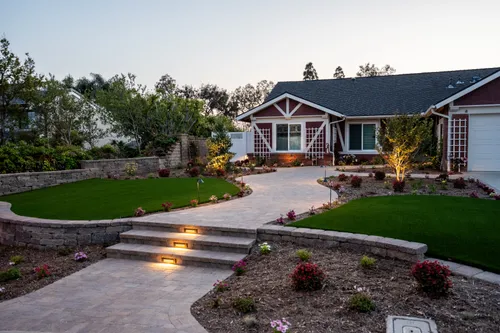
Artisan Landscape Construction is a landscape contractor based in Santa Ana, CA, specializing in transforming outdoor spaces through design, construction, and management. Their services include hardscape installation such as patios, walkways, retaining walls, and water features, as well as grading, drainage, tree care, irrigation, and landscape maintenance for various property types. The company emphasizes the use of construction documents and design plans to ensure precise project execution and offers multi-year agreements for ongoing landscape and tree services.
Ariel Builders Landscape Specialist
Anaheim, CA
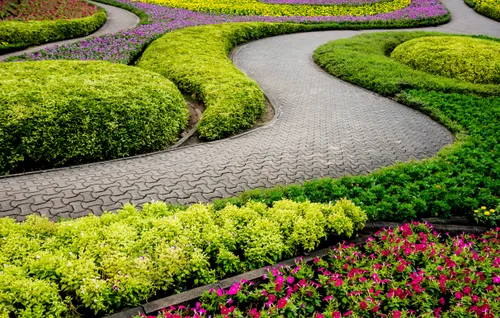
Ariel Builders Landscape Specialist offers comprehensive landscaping and remodeling services in Anaheim, CA. They focus on energy-efficient outdoor projects including drought-tolerant landscaping, artificial turf installation, and innovative design layouts featuring greenery, trees, and plants. Their services also include landscape lighting, hardscaping with pavers and stone, yard drainage solutions, and irrigation system installation and repair to maintain lawns and shrubbery. Ariel Builders Landscape Specialist integrates walkways, retaining walls, and decorative elements to enhance outdoor spaces.
Why Proper Drainage Matters in Arcadia
Arcadia, like much of Southern California, experiences seasonal heavy rains that can overwhelm poorly managed landscapes. Without proper land grading and water management systems, this runoff can lead to several serious issues. The most critical is foundation damage, as water pooling around your home's base can cause cracking and settling. Erosion is another major concern, washing away valuable topsoil and damaging plantings. Furthermore, uncontrolled stormwater carries pollutants like oil, fertilizers, and debris directly into the municipal storm drain system, which flows untreated into regional waterways, impacting the broader Los Angeles watershed. Implementing effective drainage solutions protects your investment and supports community-wide environmental health.
Core Principles of Effective Yard Grading
The first and most fundamental line of defense against water problems is correct landscape grading. This involves shaping the soil to create a gentle, consistent slope that directs surface water away from structures.
- Foundation Slope: The standard recommendation is to grade the soil so it slopes away from your foundation at a minimum of 1/2 inch per foot for at least 10 feet. This creates a natural channel for water to flow toward the street, a drainage swale, or another safe discharge point.
- Swales and Berms: For larger properties, shallow, grassy ditches called swales can be used to channel water across a yard. Conversely, a berm (a raised mound of soil) can be used to divert water around a specific area.
- Downspout Management: Your roof collects a massive amount of water. Simply ensuring your downspouts have extensions that discharge water at least 5 to 10 feet away from your home's foundation is a simple, cost-effective grading adjunct. Disconnecting downspouts from underground drains that lead to the foundation is often a crucial first step.
Common Drainage Solutions for Arcadia Homes
When grading alone isn't sufficient, installing a dedicated drainage system is the next step. The right solution depends on your property's specific issues, soil type, and budget.
French Drains and Trench Drains
A French drain is a versatile subsurface drainage tool perfect for relieving soggy lawns or intercepting water flowing toward a home. It consists of a trench lined with landscape fabric, filled with gravel, and containing a perforated pipe that collects and redirects groundwater. Trench drains are similar but typically use a solid pipe and a surface grate to catch fast-moving surface water, ideal for driveways or patios. Installation costs for a French drain system in Arcadia typically range from $1,000 to $4,000 or more, depending on length and complexity 1.
Rain Gardens and Bioretention
Rain gardens are a beautiful, eco-friendly drainage feature that aligns with Arcadia's guidelines for Low Impact Development (LID) 2. They are shallow, planted depressions that collect runoff from roofs or paved areas, allowing it to slowly soak into the ground. The deep roots of native plants filter pollutants, reduce erosion, and provide habitat. The City of Arcadia encourages such bioretention practices as Best Management Practices (BMPs) to manage stormwater quality 2. Installing a basic rain garden can cost between $500 and $2,000+.
Dry Wells and Infiltration Chambers
For properties with soil that drains reasonably well, a dry well is an excellent solution for managing concentrated runoff, such as from a downspout. It's an underground pit filled with gravel or rubble that collects water and allows it to percolate slowly into the surrounding subsoil. Modern systems often use prefabricated plastic infiltration chambers that provide more storage volume in a smaller space. Dry well installation generally costs between $1,000 and $3,000+.
Permeable Pavers and Surfaces
Replacing impervious surfaces like concrete patios or driveways with permeable pavers is a highly effective strategy for reducing runoff. These specially designed pavers are set on a base of gravel that allows rainwater to pass through the joints and soak directly into the ground below. While a more significant investment, with installed costs often ranging from $10 to $25+ per square foot, they solve drainage problems while creating attractive, functional hardscapes.
Rain Barrels and Cisterns
For a simple, direct approach, rain barrels capture water from your downspouts for later use in irrigation. This reduces the volume of water hitting your landscape during a storm and provides free water for your garden. A basic DIY rain barrel setup can cost between $100 and $400 3. Larger cistern systems can store hundreds of gallons for more substantial landscape watering needs.
Find the perfect yard drainage contractors for your needs
Get personalized recommendations and expert advice
The Professional Drainage Project Process
Tackling a significant drainage or regrading project involves a series of logical steps, from diagnosis to completion.
- Site Assessment: A professional will start by identifying problem areas during or after a rain event. They will evaluate soil type, topography, existing structures, and the flow path of water across your property.
- System Design: Based on the assessment, a plan is created. This may involve a simple regrading sketch or a detailed diagram for a French drain network or rain garden. For complex issues, a landscape architect or civil engineer may be involved in the design phase.
- Permitting: It's crucial to check with the City of Arcadia's Community Development Department regarding permits. While minor regrading or a single rain barrel may not require one, larger excavations, dry wells, or systems that tie into municipal storm drains often do 4. Compliance with local NPDES (National Pollutant Discharge Elimination System) stormwater regulations is essential 5.
- Excavation and Preparation: This is the labor-intensive phase where trenches are dug for drains, basins are formed for rain gardens, or soil is moved for grading.
- Installation: Pipes are laid, basins are built, barrels are connected, or pavers are set. Proper installation of filter fabric, gravel, and pipe slope is critical for long-term function.
- Backfill and Landscaping: Once the system is in place, trenches are filled with soil or gravel, and the area is landscaped with sod, plants, or mulch to restore aesthetics.
- Testing and Adjustment: The final step is to test the system, ideally with a hose or during the next rain, to ensure water flows as intended and makes any necessary adjustments.
Local Arcadia Considerations and Regulations
Arcadia homeowners should be aware of specific local factors that influence drainage projects:
- Stormwater Pollution Prevention: The City of Arcadia is part of a regional effort to reduce urban runoff pollution under MS4 (Municipal Separate Storm Sewer System) permits. Using LID principles like rain gardens and permeable pavers isn't just good for your yard-it's encouraged to help the city meet its environmental goals 6.
- Foundation Health: Given the soil types in the region, protecting your home's foundation from water is paramount. Ensuring positive grading away from the foundation is the single most important and cost-effective measure you can take 7.
- Water Conservation Synergy: Solutions like rain barrels and cisterns do double duty by managing runoff and providing irrigation water, aligning with California's emphasis on water conservation.
Maintaining Your Drainage System
A drainage system requires minimal but important maintenance to function for decades:
- Inspect Regularly: Check drain inlets, grates, and the outlets of buried pipes after heavy rains to ensure they are not blocked by leaves, sediment, or debris.
- Clean Gutters and Downspouts: Keep roof water flowing freely into your managed system.
- Refresh Mulch and Plants: In rain gardens, maintain healthy plant cover and replace mulch as needed to ensure optimal infiltration and filtration.
- Check for Settlement: Over time, soil may settle around new grading. Add topsoil to low spots to maintain the proper slope away from your home.
Frequently asked questions
Sources
Footnotes
-
Control Heavy Runoff - Solving Drainage and Erosion Problems - https://www.fairfaxcounty.gov/soil-water-conservation/drainage-problem-control-runoff ↩
-
City of Arcadia - California State Water Resources Control Board - https://www.waterboards.ca.gov/rwqcb4/water_issues/programs/stormwater/municipal/lid_and_greenst/doc/lid/arcadia_lid.pdf ↩ ↩2
-
What You Can Do to Soak Up the Rain | US EPA - https://www.epa.gov/soakuptherain/what-you-can-do-soak-rain ↩
-
Essential Tips for Effective Landscape Drainage and Grading - https://hearnlandscape.com/essential-tips-for-effective-landscape-drainage-and-grading-creating-a-healthy-and-functional-outdoor-space/ ↩
-
Urban activities Fact Sheet - CA.gov - https://www.waterboards.ca.gov/rwqcb8/water_issues/programs/nps/docs/urbanrunoff.pdf ↩
-
Local Human Impacts | METEO 3: Introductory Meteorology - https://www.e-education.psu.edu/meteo3/l10_p2.html ↩
-
Proper Landscape Grading | Best Slope for Foundation Drainage - https://www.olshanfoundation.com/foundation-repair/foundation-problems-causes/foundation-drainage/ ↩