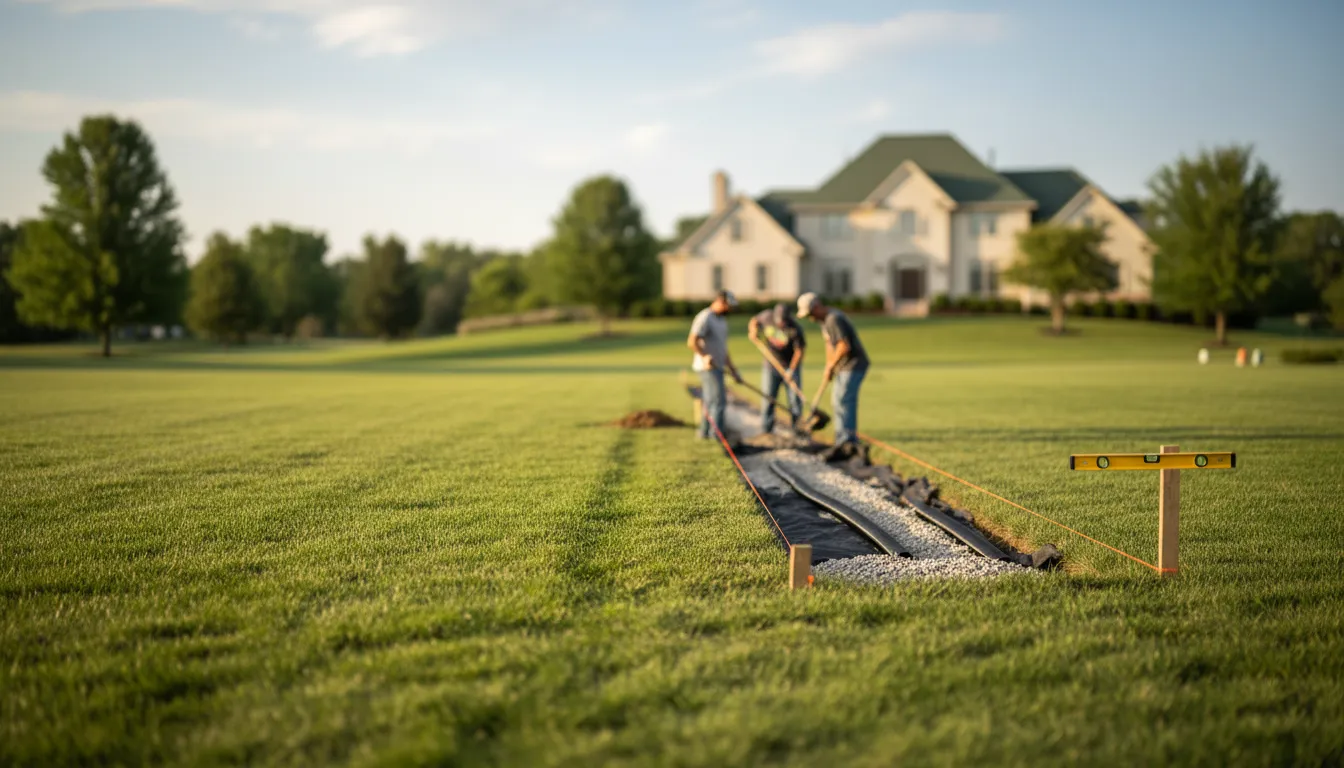
Find the Best Yard Drainage Contractors for Your Business
No obligation • Fast responses • Nationwide coverage

Why you can trust Landscape Atlas
Landscape Atlas is a leading United States resource for evaluating landscaping, lawn care, and outdoor service providers. Our team researches each category in depth, focusing on service quality, safety, and customer experience. Listings and rankings are based on independent criteria and user feedback, and companies cannot pay to influence our assessments or recommendations.
Search providers near you
Top Yard Drainage Contractors in Bellflower, California Ranked
Effective yard drainage and grading are essential for protecting your Bellflower home from water damage, managing stormwater runoff, and maintaining a healthy, usable landscape. Proper site grading and water management systems direct rainwater away from your foundation, prevent soil erosion, and can even help recharge local groundwater. This guide will help you understand the common solutions for residential stormwater control, from simple downspout redirection to complex grading projects, so you can find the right local expertise to solve your property's unique water challenges.
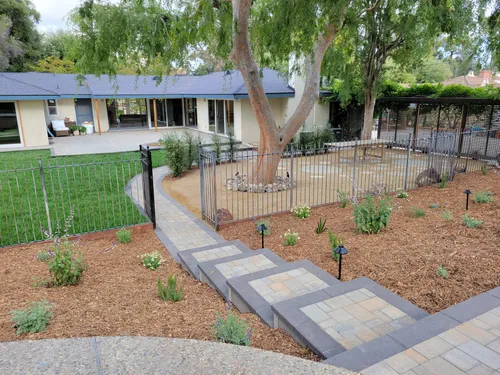
Droughtscape
Angeles Crest Hwy, La Cañada Flintridge, CA 91011
Droughtscape is a landscaping and outdoor construction company based in Los Angeles, CA. With over 45 years of experience, they specialize in drought and fire-resistant landscape design and installation, hardscaping, irrigation, fencing, artificial turf, and more. Their services cover a wide range of outdoor improvements including interlocking pavers, decks, pergolas, retaining walls, and yard drainage. Droughtscape serves multiple neighborhoods in the Los Angeles area, focusing on water-saving and sustainable landscaping solutions that suit various home styles. They emphasize clear communication and quality craftsmanship to provide a smooth project experience.
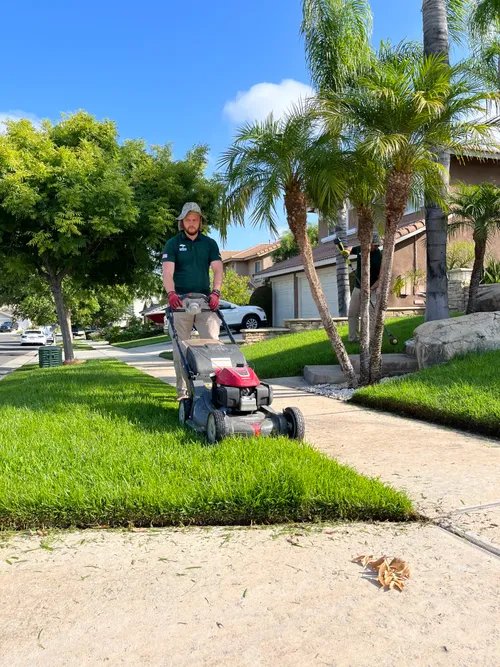
Greenplace Inc
2151 Pacific Ave A205, Costa Mesa, CA 92627
Greenplace Inc is a landscaping company based in Santa Ana, CA, offering a wide range of services including landscape design, hardscaping, lawn care, irrigation installation and repair, artificial turf, and yard drainage solutions. They serve both residential and commercial clients throughout Southern California, including Orange County and Los Angeles. Greenplace specializes in creating custom outdoor environments that combine aesthetic appeal with practical features such as smart irrigation systems to optimize water use. Founded by Volodymyr Dragan and Viktor Peshekhonov, the company emphasizes craftsmanship and long-term vision in their work. Their licensed team is known for detailed project management and responsiveness to client needs.
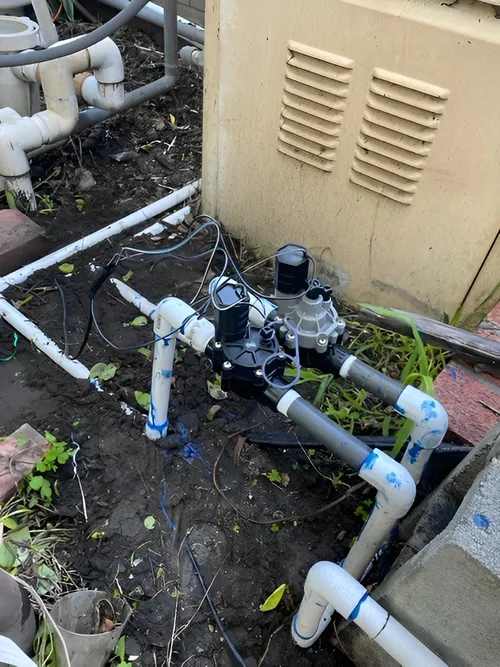
Irrigation Pros
Los Angeles, CA
Irrigation Pros is a locally owned landscaping company serving Orange County, including Santa Ana, Irvine, Newport Beach, and Mission Viejo. They specialize in sprinkler repair, sod installation, drainage solutions, and artificial turf installation. Their services focus on efficient irrigation systems tailored to the local climate, preventing water waste and yard damage. The company offers top-grade sod and drip irrigation systems designed for sustainability and water savings. Irrigation Pros operates with years of experience in the area and provides 24/7 availability for urgent sprinkler and drainage issues.
Barba Landscape & Design
710 Marine St, Santa Monica, CA 90405
Barba Landscape & Design is a family-owned landscaping company based in Los Angeles, CA, with over 35 years of experience. They specialize in landscape design and installation, tree pruning and removal, irrigation, drainage solutions, sod and fence installation, and landscape lighting. As Santa Monica natives, they focus on creating sustainable, eco-friendly outdoor spaces that reflect the local environment. Their team offers a workmanship warranty and is fully licensed, bonded, and insured, ensuring professional standards in every project. Barba Landscape serves a broad area including Santa Monica, Pasadena, Beverly Hills, and other parts of Los Angeles and surrounding counties.
SoCal Landscape and Trees
2233 Casitas Ave, Altadena, CA 91001
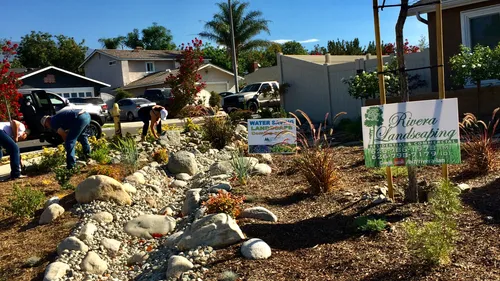
SoCal Landscape and Trees is a landscaping company based in Altadena, serving Los Angeles, CA, and nearby areas. They provide a variety of services including tree removal, lot clearing, irrigation design, hardscape design, concrete work, grading, and routine lawn care. The company emphasizes sustainable practices and community restoration, focusing on enhancing the natural beauty of local foothill neighborhoods. One of their key capabilities is custom irrigation design aimed at promoting plant health and water efficiency. SoCal Landscape and Trees is committed to each project with a personal connection to the community.
Why Proper Drainage Matters in Bellflower
Bellflower, like many Southern California communities, experiences seasonal rains that can quickly overwhelm poorly managed landscapes. When rainwater isn't properly absorbed or directed, it becomes runoff, flowing over impervious surfaces like driveways and compacted lawns. This runoff can pool around your home's foundation, leading to costly structural damage and basement or crawl space flooding. Furthermore, uncontrolled runoff picks up pollutants like fertilizers, pesticides, and pet waste, carrying them directly into the local storm drain system and, ultimately, to our waterways 1. Implementing effective residential stormwater management is not just about protecting your property; it's a key part of protecting regional water quality.
Core Principles of Residential Stormwater Management
Managing water on your property revolves around a simple hierarchy: slow it down, soak it in, and safely direct it away. Modern approaches move beyond just piping water to the street and instead focus on mimicking natural water cycles by allowing rainfall to infiltrate the soil where it falls. This philosophy, often called "Low Impact Development" or "green infrastructure," reduces the volume and improves the quality of runoff leaving your property. Key principles include disconnecting downspouts from the solid storm sewer, creating permeable surfaces, and using landscape features like depressions and swales to temporarily hold and treat water 2.
Assessing Your Property's Drainage Needs
The first step toward a solution is a thorough assessment. After a rain, take note of where water pools. Common trouble spots include areas near the home's foundation, low points in the lawn, and sections where water flows across walkways. Identify where your downspouts currently discharge and trace the natural flow paths water takes across your yard. It's also wise to locate nearby storm drains and understand the general slope of your lot relative to your neighbors. This initial observation will help you and a professional diagnose whether you need regrading, surface drainage solutions, or subsurface systems.
Common Yard Drainage and Grading Solutions
A variety of techniques can be employed to manage stormwater, often used in combination for the best result.
1. Regrading and Swales
Regrading is the process of reshaping the land's contour to create positive slope away from structures. This is a fundamental solution for homes where the soil has settled or was improperly graded during construction, causing water to flow toward the foundation. A related feature is a swale-a broad, shallow, vegetated channel designed to convey water slowly. Swales are not ditches; they are landscaped features that help filter pollutants as water moves through them. Professional grading ensures water is directed to a safe discharge point, such as a street gutter (where permitted) or a dry well.
2. Rain Gardens and Bioswales
A rain garden is a strategically located depression planted with native, water-tolerant vegetation. It's designed to capture runoff from roofs, driveways, and patios, allowing it to pond temporarily and soak into the ground within 24-48 hours. Bioswales are similar but are typically linear channels that treat and convey water. Both features act as natural filtration systems, removing sediments and pollutants while recharging groundwater and providing habitat. They are beautiful, functional additions to a landscape that turn a drainage problem into a garden asset.
3. Permeable Paving
Replacing traditional concrete or asphalt with permeable pavers, porous asphalt, or reinforced gravel grids creates a surface that allows water to pass through into a stone reservoir below, where it slowly infiltrates the soil 3. This is an excellent solution for driveways, walkways, and patios that contribute significantly to runoff. Permeable surfaces reduce the "heat island" effect, minimize puddling and ice formation, and help keep water on your property.
4. Rainwater Harvesting
This involves capturing and storing rainwater from your roof for later use. At its simplest, rain barrels connected to downspouts can provide water for irrigation. More complex systems involve large cisterns (above or below ground) that can store hundreds or thousands of gallons. Harvesting rainwater reduces your demand on municipal water for landscaping and decreases the volume of runoff leaving your property. In Bellflower, using stored rainwater during dry periods is both economical and environmentally sound.
5. Downspout Management and Disconnection
One of the easiest and most effective steps is to disconnect your downspouts from the underground storm sewer pipe (if present) and redirect the water to a pervious area. This can mean attaching a flexible leader to direct water into a rain garden, swale, or simply onto a landscaped area with healthy soil and plants. This simple act reconnects the rainwater to the soil, allowing it to be absorbed and filtered naturally rather than being shunted directly into the storm drain system.
Find the perfect yard drainage contractors for your needs
Get personalized recommendations and expert advice
The Professional Installation Process
For significant grading or drainage projects, working with a licensed contractor is crucial. The process typically follows these stages:
- Site Assessment & Design: A professional will evaluate your property's slope, soil type, and problem areas. They will then design a system that complies with local codes, effectively manages water, and integrates with your landscape aesthetics.
- Permitting: Depending on the scope-especially for major regrading or earthwork-you may need a permit from the City of Bellflower. A reputable contractor will handle this process, ensuring the work meets all local regulations regarding water flow and erosion control.
- Site Preparation & Installation: This involves marking utility lines, clearing vegetation, and executing the plan. For grading, this means carefully excavating and moving soil to create the desired slopes. For other features, it involves excavation for swales or rain gardens, laying base materials for permeable pavers, or installing collection systems for rainwater harvesting.
- Planting & Final Touches: For green solutions like rain gardens and bioswales, selecting and planting appropriate native species is a critical final step. These plants must withstand both periodic saturation and dry conditions.
- Maintenance Guidance: Any system requires upkeep. A good contractor will explain how to maintain your new drainage features, such as keeping inlets clear of debris, weeding rain gardens, and checking downspout extensions.
Understanding Costs for Drainage Work
Costs for water management solutions vary widely based on materials, labor, and the complexity of your site.
- Rain Barrels (DIY): A simple, entry-level solution, typically costing between $50 and $200 per barrel.
- Rain Garden (DIY/Basic Professional): For a small to medium-sized feature, expect costs in the range of $200 to $800 for soil amendments, plants, and mulch if doing it yourself. Professional installation will be higher 4.
- Permeable Pavers (Professional Install): A significant investment for driveways or patios, with costs generally ranging from $15 to $30 or more per square foot, installed.
- Grading & Swale Construction (Professional): For professional regrading or installing engineered swales, costs can start around $1,000 and easily rise to $5,000 or more, depending on the machinery required, amount of earth moved, and site access 5.
- Large Cisterns (Professional Install): Above-ground or underground storage systems represent a larger investment, often ranging from $1,000 to $10,000+ 6.
These are estimates, and your final cost will depend on your specific soil conditions, lot size, and material choices. Always obtain multiple detailed quotes from licensed and insured contractors for comparison 7.
Long-Term Benefits and Maintenance
Investing in proper yard grading and stormwater remediation pays long-term dividends. Beyond protecting your home's foundation, these systems can increase property value, reduce irrigation needs, and create more resilient and attractive landscaping. Maintenance is key to longevity. This includes inspecting and cleaning debris from drainage inlets after storms, re-mulching rain gardens annually, ensuring downspout extensions remain connected and clear, and pruning plants in bioswales to maintain water flow 8. A well-maintained system will function effectively for decades.
Frequently asked questions
Sources
Footnotes
-
Urban activities Fact Sheet - CA.gov - https://www.waterboards.ca.gov/rwqcb8/water_issues/programs/nps/docs/urbanrunoff.pdf ↩
-
Stormwater Best Management Practices - https://spcwater.org/topics/stormwater-management/stormwater-best-management-practices-2/ ↩
-
Stormwater - | YourHome - https://www.yourhome.gov.au/water/stormwater ↩
-
What You Can Do to Soak Up the Rain | US EPA - https://www.epa.gov/soakuptherain/what-you-can-do-soak-rain ↩
-
Homeowners' Guide to Landscaping for Water Runoff - https://www.lyngsogarden.com/community-resources/homeowners-guide-to-landscaping-for-water-runoff/ ↩
-
14 Ways To Manage Stormwater Runoff - Lawn Love - https://lawnlove.com/blog/manage-stormwater-runoff/ ↩
-
STORMWATER C.3 GUIDEBOOK - https://cccleanwater.org/wp-content/uploads/2024/04/2024_0412_HAI_StormwaterGuidebook_9th_Edition_Final-2.pdf ↩
-
Residential Stormwater Management: Best Practices & Remediation ... - https://www.valorenv.com/residential-stormwater-management-best-practices-remediation/ ↩