Find the Best Yard Drainage Contractors for Your Business
No obligation • Fast responses • Nationwide coverage

Why you can trust Landscape Atlas
Landscape Atlas is a leading United States resource for evaluating landscaping, lawn care, and outdoor service providers. Our team researches each category in depth, focusing on service quality, safety, and customer experience. Listings and rankings are based on independent criteria and user feedback, and companies cannot pay to influence our assessments or recommendations.
Search providers near you
Top Yard Drainage Contractors in Corona, California Ranked
Proper yard drainage and grading are essential for protecting your Corona home's foundation, preventing soil erosion, and maintaining a healthy, usable outdoor space. Without effective water management, heavy rains or irrigation runoff can lead to flooded yards, soggy lawns, and even costly structural damage. This guide explains the key solutions for managing surface water and subsurface moisture, helping you understand the process, costs, and local considerations for finding qualified professionals to assess and correct your property's water flow.
Greenplace Inc
2151 Pacific Ave A205, Costa Mesa, CA 92627
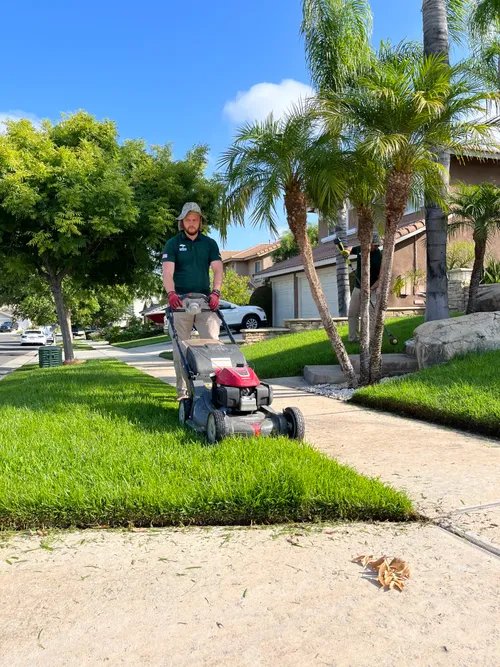
Greenplace Inc is a landscaping company based in Santa Ana, CA, offering a wide range of services including landscape design, hardscaping, lawn care, irrigation installation and repair, artificial turf, and yard drainage solutions. They serve both residential and commercial clients throughout Southern California, including Orange County and Los Angeles. Greenplace specializes in creating custom outdoor environments that combine aesthetic appeal with practical features such as smart irrigation systems to optimize water use. Founded by Volodymyr Dragan and Viktor Peshekhonov, the company emphasizes craftsmanship and long-term vision in their work. Their licensed team is known for detailed project management and responsiveness to client needs.
Irrigation Pros
Los Angeles, CA
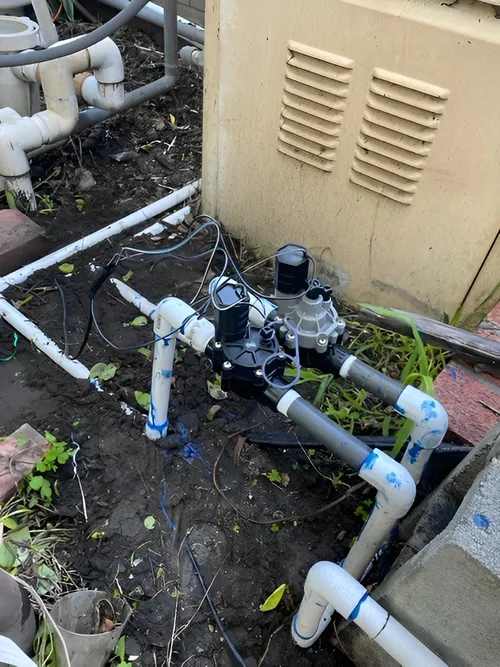
Irrigation Pros is a locally owned landscaping company serving Orange County, including Santa Ana, Irvine, Newport Beach, and Mission Viejo. They specialize in sprinkler repair, sod installation, drainage solutions, and artificial turf installation. Their services focus on efficient irrigation systems tailored to the local climate, preventing water waste and yard damage. The company offers top-grade sod and drip irrigation systems designed for sustainability and water savings. Irrigation Pros operates with years of experience in the area and provides 24/7 availability for urgent sprinkler and drainage issues.

Lucky Smartscape
999 Corporate Dr Suite 100 #3425, Ladera Ranch, CA 92694
Lucky Smartscape is a landscaping company based in Irvine, CA, offering comprehensive outdoor design and installation services. Their expertise includes landscape design, yard drainage, sprinkler installation and repair, as well as hardscaping with pavers and retaining walls. They provide custom irrigation and drainage solutions to enhance water efficiency and prevent pooling, ensuring functional and attractive outdoor spaces. Lucky Smartscape also specializes in creating entertainment areas such as barbecue spots, outdoor kitchens, and fire pits, combining beauty and practicality for enjoyable gatherings.
Artisan Landscape Construction
Santa Ana, CA
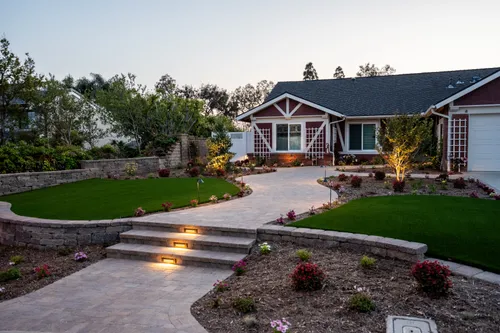
Artisan Landscape Construction is a landscape contractor based in Santa Ana, CA, specializing in transforming outdoor spaces through design, construction, and management. Their services include hardscape installation such as patios, walkways, retaining walls, and water features, as well as grading, drainage, tree care, irrigation, and landscape maintenance for various property types. The company emphasizes the use of construction documents and design plans to ensure precise project execution and offers multi-year agreements for ongoing landscape and tree services.
Palmers Landscape Installation Inc
25221 Derby Cir, Laguna Hills, CA 92653
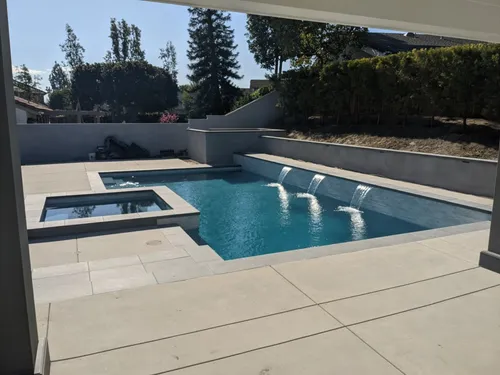
Palmers Landscape Installation Inc is a landscaping and outdoor living company based in Irvine, CA. Since 1995, they have provided a range of services including landscape design, hardscaping, irrigation and drainage, outdoor lighting, and artificial turf installation. Their capabilities include designing and installing patios, retaining walls, pools, spas, and outdoor living spaces tailored to client needs. They focus on creating functional and attractive outdoor environments for residential properties in the Irvine area.
Why Drainage and Grading Matter in Corona
Corona's climate, with its potential for intense seasonal rain, makes effective water control a critical component of landscape management. Poor drainage can turn your yard into a muddy swamp, kill grass and plants, and create persistent dampness that attracts pests. More critically, water pooling around your home's foundation is a leading cause of cracks, settling, and basement or crawl space moisture issues. Proper grading and drainage systems work together to safely channel water away from structures and into appropriate dispersal areas, preserving both your property's value and your peace of mind.
Common Drainage Problems and Signs You Need a Solution
How do you know if your Corona property has a drainage issue? Look for these telltale signs during and after rainfall or irrigation:
- Standing Water: Puddles that remain for more than 24 hours after rain.
- Soil Erosion: Gullies or washed-away soil in planting beds or on slopes.
- Soggy Lawn: Spongy, perpetually wet grass that is yellowing or thinning.
- Water in the Basement or Crawl Space: Dampness, mildew, or actual flooding in lower levels of the home.
- Foundation Cracks: New or widening cracks in your home's exterior or interior walls.
- Downspout Overflow: Water cascading directly from roof gutters onto the ground next to the foundation.
These symptoms indicate that your property's natural slope or existing water management systems are insufficient and require professional attention.
Core Solutions for Yard Water Management
A range of effective techniques exists to solve water problems, often used in combination for a complete system.
Regrading and Sloping
This is the fundamental first step in many drainage projects. It involves reshaping the soil to create a gentle slope (typically a minimum 2% grade) away from your home's foundation1. This directs surface runoff toward a safer discharge point, such as a street gutter, swale, or dry well. Regrading is often the most effective solution for preventing water from ever reaching the foundation.
French Drain Systems
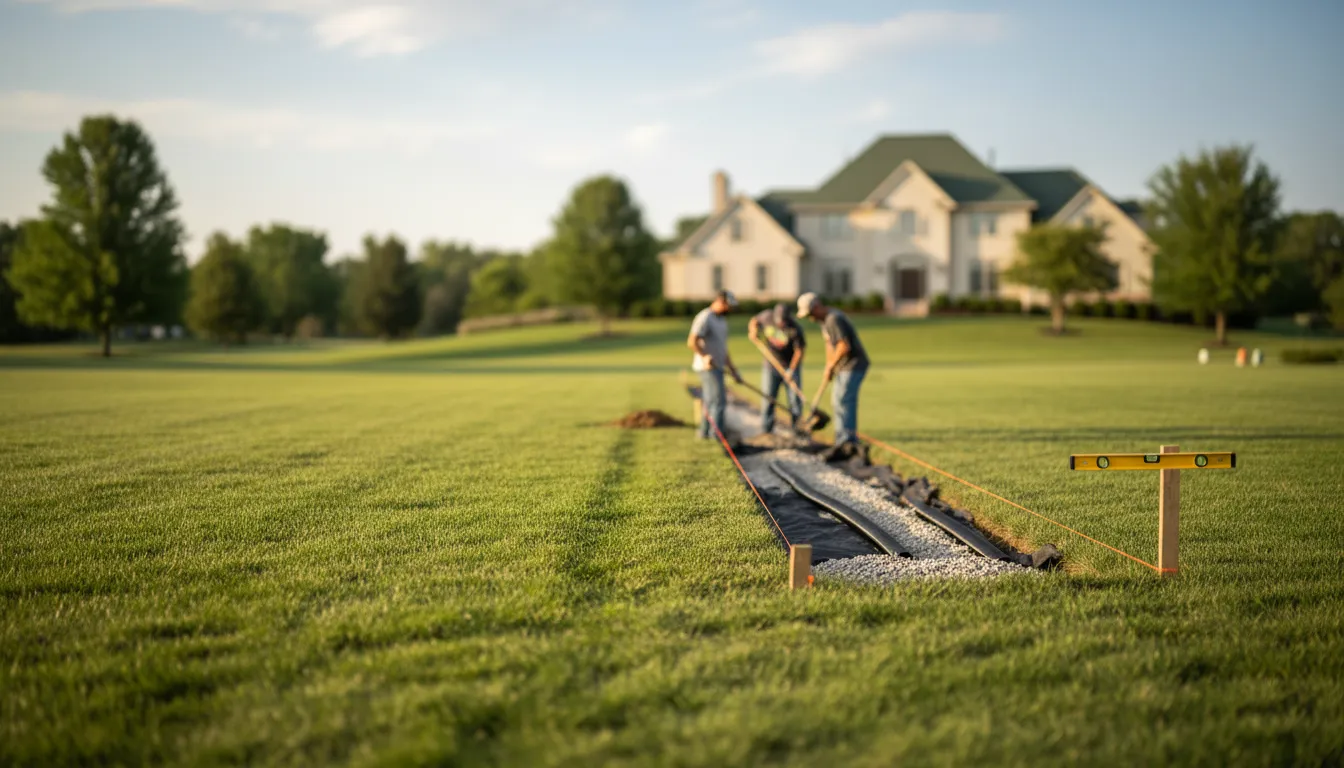
A French drain is a subsurface solution for collecting and redirecting groundwater. It consists of a trench filled with gravel containing a perforated pipe wrapped in filter fabric. The pipe collects water from saturated soil and carries it to a designated outlet. French drains are ideal for solving problems with soggy lawns or water seepage against foundation walls.
Catch Basins and Channel Drains
These are surface-level collection points. Catch basins are grated inlets installed in low spots where water pools, connected to an underground pipe that carries the water away2. Channel drains are linear grates often placed across driveways or walkways to intercept surface flow. They are excellent for managing runoff from hardscapes like patios or driveways.
Swales and Dry Creek Beds
A swale is a broad, shallow, vegetated ditch designed to channel water across a landscape. A dry creek bed is a more decorative version, using rock and stone to mimic a natural stream bed while performing the same function3. Both are attractive, natural-looking ways to manage surface water flow, especially in larger yards.
Downspout and Gutter Management
Often the simplest fix is extending downspouts well away from the foundation (at least 5-10 feet) and ensuring gutters are clean and properly pitched. Connecting downspouts to underground drain pipes that lead to a safe outlet is a more permanent and aesthetically pleasing solution.
Permeable Surfaces
Replacing solid concrete or asphalt with permeable pavers, gravel, or other porous materials allows rainwater to infiltrate the ground directly on-site, reducing runoff volume and replenishing groundwater.
Find the perfect yard drainage contractors for your needs
Get personalized recommendations and expert advice
The Professional Installation Process: What to Expect
Addressing drainage issues systematically ensures a long-lasting solution. Here's a typical workflow:
- Site Assessment and Diagnosis: A qualified specialist will inspect your property during or after a rain event to identify the source and path of water, evaluate soil composition, and locate the ideal discharge point.
- System Design and Planning: Based on the assessment, a plan is created. This may involve a combination of grading, drain placement, and material selection. For complex issues, a landscape architect or civil engineer might be involved.
- Permitting and Local Compliance: In Corona, drainage projects that connect to the public storm drain system, involve significant earthmoving, or are part of a larger landscape renovation may require a permit from the City's Development Services Department. Professionals will ensure the design meets City of Corona Drainage & Grading Standards and any Water Quality Management Plan (WQMP) requirements4 5.
- Excavation and Installation: Trenches are dug for drains, or soil is moved and compacted for grading. Pipes, gravel, filter fabric, and basins are installed according to plan.
- Connection and Outlet: The system is connected to a legal outlet, such as a dry well (a pit filled with gravel that allows water to percolate into the soil), a storm drain (if permitted), or a lower, well-drained area of the property.
- Restoration and Cleanup: The work area is backfilled, compacted, and restored. This may include re-sodding lawn, replanting landscaping, or repairing hardscapes affected by the installation.
Understanding Costs for Drainage Work in Corona
The investment for yard drainage solutions varies widely based on the problem's complexity, yard size, and materials used. Here's a general cost breakdown based on common project scopes 6:
- Minor Corrections: Simple regrading of a small area or installing extended downspouts typically ranges from $500 to $2,000.
- Standard System Installation: Installing a French drain system or a catch basin network for a typical residential yard (e.g., 1,000 sq. ft.) generally costs between $1,000 and $5,000 for combined materials and labor.
- Comprehensive Solutions: Projects involving significant regrading, multiple interconnected drain lines, dry wells, or pump systems can range from $2,000 to over $10,000.
- Cost Factors: Key variables include the linear footage of drain pipe needed ($1-$5 per foot for materials), the amount of gravel ($30-$60 per ton), the type and number of catch basins ($50-$500 each), and the cost of excavation and labor, which can be a significant portion of the total ($1,400-$6,000+)7 8.
Local Regulations and Best Practices in Corona
When planning drainage work in Corona, it's important to consider local guidelines:
- Discharge Rules: You cannot redirect water onto a neighbor's property in a way that causes damage. All systems should discharge to an approved location on your own property or, if permitted, to the city storm drain.
- Water Quality: The City of Corona has guidelines to protect water quality. Projects should aim to slow, spread, and sink runoff to filter pollutants before they enter the watershed9.
- Professional Help: Due to the technical and regulatory aspects, hiring a licensed contractor experienced in local codes is highly recommended. They can navigate permit requirements and ensure the system is built to last.
Frequently asked questions
Sources
Footnotes
-
Drainage & Grading Standards - City of Corona - https://www.coronaca.gov/departments/planning-and-development/development-services/standard-plans/drainage-grading-standards ↩
-
10 Drainage Solutions for Your Yard - This Old House - https://www.thisoldhouse.com/lawns/lawn-drainage-solutions ↩
-
12 Residential Backyard Drainage Solutions - Protect Your Yard - https://wilsonslawncare.com/12-residential-backyard-drainage-solutions/2024/ ↩
-
city of corona initial study / mitigated negative declaration for latitude ... - https://cdn.prod.website-files.com/65799af8ef225180fdf1ba2e/65c1334c3d8dd1b2aec82c13_PP20190001%20%20TTM%2037608%20IS_M.pdf ↩
-
NPDES New Development and Construction Guidelines - https://www.coronaca.gov/departments/public-works/environmental-services/construction-activities ↩
-
Landscape Grading and Drainage Costs - https://www.whiteshovel.com/blog/landscape-grading-and-drainage-costs ↩
-
How Much Does Yard Drainage Cost? - https://drainagefirst.com/how-much-does-yard-drainage-cost/ ↩
-
How Much Does Yard Drainage Cost in 2025? Homeowner's Guide - https://warelandscaping.com/how-much-does-yard-drainage-cost-in-2025 ↩
-
City of Corona Landscape Design Guidelines for Residential ... - https://cdn.prod.website-files.com/65799af8ef225180fdf1ba2e/682e313b24464c8955bf9919_Residential%20Landscape%20Design%20Guidelines%20Complete%20November%2020%202013.pdf ↩