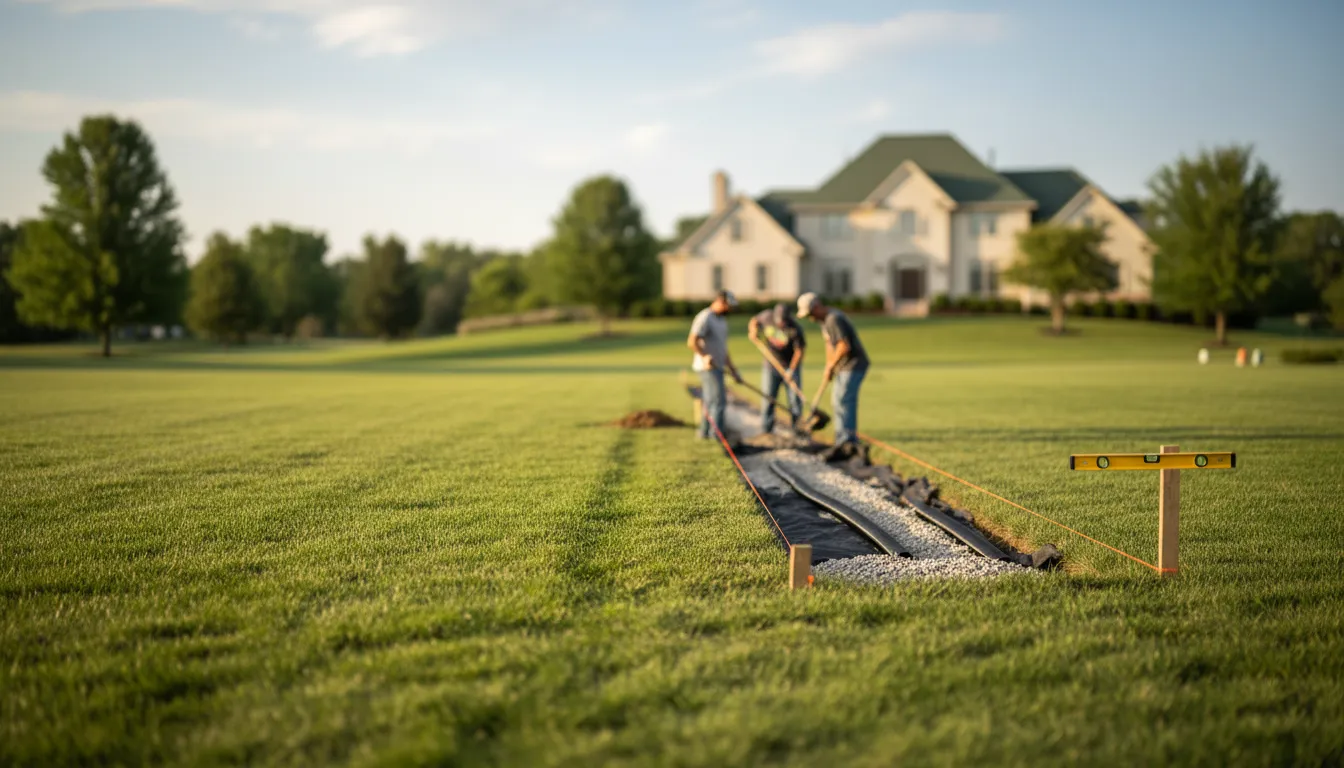
Find the Best Yard Drainage Contractors for Your Business
No obligation • Fast responses • Nationwide coverage

Why you can trust Landscape Atlas
Landscape Atlas is a leading United States resource for evaluating landscaping, lawn care, and outdoor service providers. Our team researches each category in depth, focusing on service quality, safety, and customer experience. Listings and rankings are based on independent criteria and user feedback, and companies cannot pay to influence our assessments or recommendations.
Search providers near you
Top Yard Drainage Contractors in Fontana, California Ranked
Proper yard drainage and grading are essential for protecting your Fontana home from water damage, soil erosion, and foundation issues. Southern California's occasional heavy rains can overwhelm a poorly sloped yard, leading to flooded patios, soggy lawns, and costly structural repairs. This guide explains the core solutions-from grading and French drains to catch basins and swales-and how to navigate the process of finding and working with a qualified professional to implement an effective water management system for your property.
Artisan Landscape Construction
Santa Ana, CA
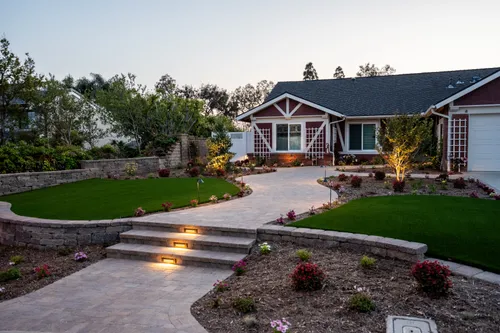
Artisan Landscape Construction is a landscape contractor based in Santa Ana, CA, specializing in transforming outdoor spaces through design, construction, and management. Their services include hardscape installation such as patios, walkways, retaining walls, and water features, as well as grading, drainage, tree care, irrigation, and landscape maintenance for various property types. The company emphasizes the use of construction documents and design plans to ensure precise project execution and offers multi-year agreements for ongoing landscape and tree services.
Ariel Builders Landscape Specialist
Anaheim, CA
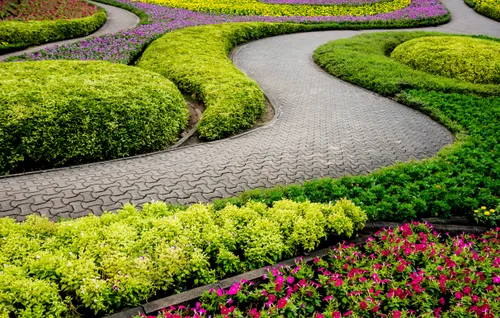
Ariel Builders Landscape Specialist offers comprehensive landscaping and remodeling services in Anaheim, CA. They focus on energy-efficient outdoor projects including drought-tolerant landscaping, artificial turf installation, and innovative design layouts featuring greenery, trees, and plants. Their services also include landscape lighting, hardscaping with pavers and stone, yard drainage solutions, and irrigation system installation and repair to maintain lawns and shrubbery. Ariel Builders Landscape Specialist integrates walkways, retaining walls, and decorative elements to enhance outdoor spaces.
Natural Earth Sustainable Landscape & Design
1420 N Claremont Blvd #200-C, Claremont, CA 91711
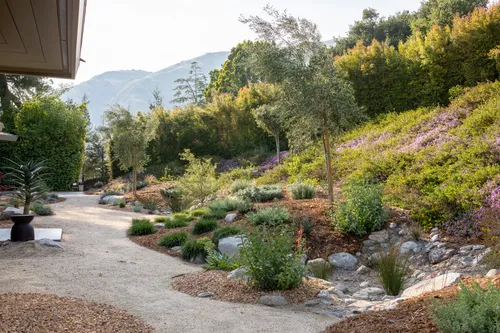
Natural Earth Sustainable Landscape & Design is a landscaping company based in Los Angeles, CA. They provide comprehensive services including landscape design, construction, and maintenance with a focus on sustainability and native Southern California plants. Their expertise includes hardscaping, naturalized drainage solutions, and irrigation systems, creating eco-friendly and low-maintenance outdoor spaces that blend form and function. Their approach is based on permaculture principles to ensure long-lasting, beautiful landscapes.
Greenwood hardscape
Riverside, CA
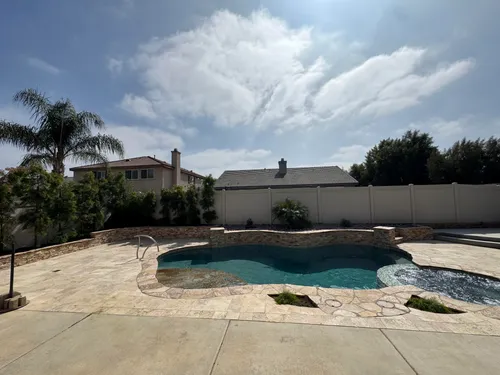
Greenwood Hardscape is a landscaping and hardscaping contractor based in Riverside, CA. They specialize in yard drainage, grading, pavers, retaining walls, and site preparation, combining modern innovation with timeless design to create personalized outdoor spaces. The company serves multiple locations across Southern California, including Moreno Valley, Temecula, and Corona. Greenwood Hardscape emphasizes craftsmanship and integrity in every project, offering services such as excavation and turf installation to enhance both the beauty and functionality of properties.
LawnStarter Lawn Care Service
4580 Belford Way, Riverside, CA 92507
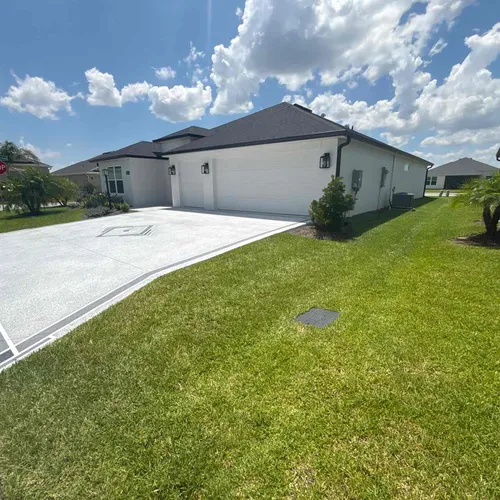
LawnStarter Lawn Care Service provides a wide range of lawn care and landscaping services in Riverside, CA. Their offerings include lawn mowing, fertilization, weed control, tree removal, stump grinding, yard drainage, sprinkler installation and repair, and general landscaping. They emphasize convenience with online booking and account management, backed by insured professionals. LawnStarter also offers specialized services such as gutter cleaning and yard cleanup. The company serves various neighborhoods within Riverside and supports customers with a mobile app for easy service management.
Why Proper Drainage is Critical in Fontana
Water is a powerful force, and in a city like Fontana, managing stormwater runoff is not just a homeowner concern but a community priority. Without a well-designed drainage system, rainwater pools around your home's foundation, saturates soil, kills grass, creates muddy messes, and can even seep into basements or crawl spaces. Over time, this hydrostatic pressure can lead to cracked foundations, damaged siding, and ruined landscaping. Effective drainage solutions channel water away from structures and into appropriate areas, such as municipal storm drains or designated infiltration zones, safeguarding your investment and complying with local guidelines that encourage on-site water retention.
Common Yard Drainage Problems and Signs You Need a Solution
How do you know if your Fontana yard has a drainage issue? Look for these telltale signs:
- Standing Water: Puddles that remain for more than 24 hours after rain.
- Soil Erosion: Gullies or washed-away soil in your landscape, especially on slopes.
- Soggy Lawn: Constantly wet, spongy grass or areas where grass refuses to grow.
- Foundation Cracks: New or widening cracks in your home's foundation or exterior walls.
- Water in the Basement or Crawl Space: Dampness, mildew, or actual pooling water in lower levels.
- Overflowing Gutters: Gutters and downspouts that dump water directly next to the foundation.
If you notice any of these issues, it's time to consider a professional assessment of your property's grading and drainage.
Core Drainage and Grading Solutions
A range of techniques can be employed to solve water problems, often used in combination for a complete system.
Grading and Sloping
This is the first line of defense: shaping the earth itself. Proper grading involves creating a slope that directs surface water away from your home's foundation, ideally with a minimum drop of 6 inches over the first 10 feet. Regrading may involve bringing in new soil (fill) or cutting away existing earth to establish the correct pitch.
Subsurface Drainage Systems
These solutions handle water that travels below the surface.
- French Drains: A trench filled with gravel and a perforated pipe that collects and redirects groundwater. They are excellent for relieving hydrostatic pressure around foundations and drying out soggy yards.
- Dry Wells: An underground chamber filled with gravel that collects runoff from downspouts or drains, allowing it to slowly percolate into the surrounding soil.
Surface Drainage Systems
These manage water flowing across the ground.
- Catch Basins and Trench Drains: Grated inlets installed in low points or paved areas to capture large volumes of surface runoff, connecting to an underground pipe system 1.
- Swales: Broad, shallow, vegetated channels designed to gently guide water across a landscape. They are a more natural-looking alternative to concrete ditches.
Complementary Water Management Strategies
- Permeable Hardscapes: Using pavers, gravel, or other materials that allow water to seep through rather than run off, reducing the overall volume of water your drainage system must handle.
- Rain Barrels and Cisterns: Collecting rainwater from your roof for later irrigation, which reduces runoff and promotes water conservation.
Find the perfect yard drainage contractors for your needs
Get personalized recommendations and expert advice
The Professional Drainage Project Process
Tackling a significant drainage issue is a multi-step project that often requires professional expertise.
- Site Assessment and Problem Identification: A specialist will inspect your property during or after rain to pinpoint the source and flow of water, evaluate soil composition, and assess the current grading.
- Design and Planning: Based on the assessment, a detailed plan is created. This may involve a landscape designer or engineer, especially for complex or large-scale projects. The plan will specify the techniques (e.g., grading, French drain layout, basin placement) and materials needed.
- Permitting: The City of Fontana requires grading plan review and permits for substantial earthmoving and drainage work. Your contractor should handle pulling the necessary permits, which ensure the project meets city codes for stormwater management and erosion control.
- Installation: This is the construction phase, which may include rough grading with heavy equipment, trenching for pipes, installing basins and wells, and laying any permeable surfaces.
- Fine Grading and Landscaping: Once the core drainage structures are in, final shaping of the soil, adding topsoil, and replanting grass or other vegetation takes place.
- Final Inspection: For permitted work, a city inspector will review the completed project to ensure it matches the approved plans. The design professional may also provide a final review.
Understanding Costs for Drainage Work in Fontana
The cost of drainage solutions varies widely based on the complexity of the problem, the size of your yard, the solutions chosen, and material costs. Here is a general range to help you budget:
- Minor Grading or a Simple Swale: For small adjustments, costs might range from $500 to $3,000 or more.
- French Drains: Typically priced per linear foot, with basic installations ranging from $10 to $50+. Deep or complex drains requiring more excavation can cost $30 to $100+ per foot.
- Catch Basins or Dry Wells: Each unit can range from $200 for a basic basin to $5,000+ for a large, complex dry well system.
- Comprehensive Yard Grading and Drainage Project: A full-yard solution combining multiple techniques can range from $2,000 for simpler jobs to $15,000 and beyond for extensive property-wide systems 2.
Always get detailed, written estimates that break down labor, materials, and permit fees.
Navigating Fontana's Local Guidelines
Fontana has specific regulations related to stormwater management as part of the National Pollutant Discharge Elimination System (NPDES) program 3. The city encourages property owners to manage water on-site where possible. Before starting any major project, it's wise to consult the City of Fontana's Public Works & Engineering Department resources or website for the latest grading plan guidelines and permit requirements 3 4. A reputable local contractor will be familiar with these regulations and can guide you through the compliance process.
Frequently asked questions
Sources
Footnotes
-
12 Residential Backyard Drainage Solutions - Protect Your Yard - https://wilsonslawncare.com/12-residential-backyard-drainage-solutions/2024/ ↩
-
Landscape Grading and Drainage Costs - https://www.whiteshovel.com/blog/landscape-grading-and-drainage-costs ↩
-
Stormwater | Fontana, CA - Official Website - https://www.fontanaca.gov/611/Stormwater ↩ ↩2
-
City of Fontana Public Works & Engineering Department - https://www.fontanaca.gov/DocumentCenter/View/47605/Grading-Plan-Checking-Guidelines---PDF ↩